Money doesn’t slip away only when we make epic mistakes; it often disappears through the tiny, seemingly harmless habits we overlook. 57% of Americans were living paycheck to paycheck in early 2025, according to MarketWatch.
This shows how everyday choices stealthily erode financial security. If you want a financial reset, starting with changing these habits could make all the difference.
Morning gourmet coffee trips

Your morning latte is a great habit, but it can add up faster than you think. This can become daily and quietly cost hundreds, if not thousands, of dollars per year from your budget.
A new survey found that the average American spends over $1,100 per year on coffee shop beverages. That’s an enormous opportunity cost, money that can be invested or used to pay off debt.
Financial planner Suze Orman often points out how small, regular expenditures can create significant holes in our bank accounts. “Every penny you spend is a choice,” she suggests.
Rather than grabbing a cup of coffee every day, try making a good pot of coffee at home. Invest the savings in a high-yield savings account or a retirement vehicle.
Usage of credit cards for daily transactions

Plastic swiping for gas, groceries, and everything else may seem convenient, but it can lead to a slippery slope of debt. If you’re using credit for everyday expenses, you’re on the brink of rolling over and paying higher interest fees.
The average credit card rate has climbed to over 21%, so any debt is extremely expensive to repay. This habit hinders its progress financially. You can interrupt this vicious cycle by going for a “cash-only” or debit-first method for routine spending.
Create a realistic budget that allocates fixed amounts to various categories of expenditure. This future-oriented approach allows you to stay within your budget and avoids getting trapped in high-interest debt.
Forgetting your subscriptions

That test subscription you signed up for last year and forgot is quietly sucking your money out month after month. Unused stream, app, and membership subscription costs are a common money-sucking behavior.
A 2022 NBC Los Angeles article reporting on a C+ R Research study found that consumers underestimate their actual monthly spending on subscriptions by an average of $133.
Consumers’ initial guesses for their total monthly subscription costs averaged $86, but the actual costs, when broken down by category, averaged $219. This significant underestimation highlights that many people are not fully aware of their recurring subscription expenses.
Take time quarterly to review your ongoing expenses thoroughly. Financial planner Ramit Sethi recommends this practice, instructing people to be ruthless in cutting services that they never use on a regular basis. “Negotiate everything,” he says. “You’d be amazed at what you can save.”
The majority of new money wellness apps nowadays have features that identify and allow you to turn off unused subscriptions, returning that money back into your pocket where it belongs.
Making impulse buys

The thrill of an impulse purchase can be exhilarating, but it often ends in regret and a depleted bank balance. Stores employ tactics such as offering limited-time deals and strategic placement to encourage impulse buying.
You can combat this tendency by implementing a 24-hour waiting period before purchasing anything that is not a necessity and exceeds a certain amount, such as $50.
Waiting enables you to analyze whether you actually need the item. Behavioral economics research verifies that procrastination increases financial self-discipline. It is also handy to keep a “wish list”; if, after a week or a month, you still want the item, you can then decide if you can afford it.
Buying regular food takeaways

The convenience of using food delivery apps is unquestioned, but it comes at a price. Service charges, delivery charges, and tips are added, and you end up paying much more for a meal than you would dining out or at home.
One Forbes post highlighted that dining through an app can cost you up to 91% more for a meal. This repeated expenditure can inflate your food budget and limit your ability to save.
Meal planning for the week is a liberating counter-habit. Set aside a couple of hours on a Saturday afternoon to shop and prepare the ingredients. It makes home cooking quick and easy on chaotic weekdays.
Start by replacing only two delivery meals per week with home-cooked meals to see a real dent in your spending.
Neglecting your retirement savings

Looking ahead to retirement might be decades away, but delaying it is one of the most costly financial mistakes. The power of compound interest makes an investment at a younger age with more years to grow exponentially.
You can make retirement savings easy by making automatic contributions. If your company has a 401(k) plan with a matching contribution, contribute enough to receive the full match, free money!
Financial columnist Michelle Singletary drives this home when she says, “Not taking advantage of an employer match is like leaving part of your salary on the table.”
Which raises another good idea: arrange regular automatic transfers from your checking account to an IRA to accumulate your future wealth over time.
Avoiding a budget

Piloting with no budget is similar to driving into an unfamiliar city without a map. You will get to where you’re headed, but you might end up taking some expensive shortcuts.
A budget provides a clear picture of your income and expenses, enabling you to make informed and responsible financial decisions. Gallup surveys indicate that only about one-third of families maintain an in-depth budget, leaving the rest vulnerable to the dangers of overspending.
Having a budget doesn’t require that it be limiting; it’s simply giving your money a purpose. You can use a plain spreadsheet or one of the various popular budgeting software packages that directly connect to your bank accounts.
Start by tracking your spending for a month to determine where your dollars are going, and then use the information to create a plan that aligns with your financial goals.
Keeping up with the Joneses

Being coerced into keeping pace with the expenditure budgets of friends, family members, or social media influencers can trigger debt cycles and fiscal stress. Lifestyle inflation is most often exemplified by purchasing automobiles, garments, and vacations that you don’t really have the money for.
A study published in the Journal of Consumer Research found that social comparison is an influential driver of conspicuous consumption, compelling individuals to spend beyond their means.
Look to your own financial journey and applaud your success. Cutting ties with social media influencers who encourage you to spend is a good place to begin. Practice Rachel Cruze’s advice to maintain a “contentment journal” where you reflect on all of the things you already have. “Contentment is the key to winning with money,” she says.
By shifting your focus away from what someone else owns and towards what you want to achieve, you can deploy your assets to finance actual, lasting wealth.
Paying only the minimum on debts

Save this article
Making minimum payments on credit cards or loans is a trap of debt that will keep you in debt for centuries or decades. The minimum payment is structured to maximize the lender’s interest collection.
Making only the minimum payment, for example, on a $5,000 balance on a credit card with an interest rate of 21%, will take over 20 years to pay and will cost you thousands in interest charges alone.
You can get out of debt more quickly by using methods like the “debt snowball” or “debt avalanche” method. With the snowball method, you pay off the debts with the lowest balances first to achieve the fastest motivational benefits.
The avalanche method targets the highest-interest-rate debts in order to save you the most money in the long run. Financial commentator Dave Ramsey is a great supporter of the snowball approach, stating, “The quick wins give you the momentum you need to tackle the bigger debts.”
Skipping an emergency fund

Life is unpredictable, and unexpected expenses like car repairs or medical bills can’t be avoided. In the absence of an emergency fund, these events can lead you into debt at high interest rates, negating your gains.
Bankrate found that nearly 60% of Americans lack the savings to cover an unexpected $1,000 expense, revealing a common area of weakness in personal finance.
Creating an emergency fund needs to be a priority.
Start small by creating an automatic $25 or $50 paycheck deposit into a high-yield savings account. The goal is to eventually save three to six months’ worth of living expenses.
As investment wizard Warren Buffett so aptly stated, “Do not save what is left after spending, but spend what is left after saving.” This fund serves as a financial buffer, providing you with security and comfort.
Overlooking small bank charges

Overdraft fees, ATM charges, and maintenance fees may seem insignificant, but they can add up significantly throughout the year. Banks actually charge billions of dollars every year in overdraft fees, as reported by the Consumer Financial Protection Bureau.
These tiny drips can drain your account balance before you even realize the impact. Take the initiative by reviewing your bank statements monthly to identify and eliminate unnecessary fees.
Consider switching to a credit union or online bank, as they often offer accounts with no monthly fees and refund ATM fees. You can also enable low-balance notifications in your bank app to prevent overdrawing by mistake.
Not negotiating bills

We all accept the price of our monthly charges, like cable, broadband, and mobile phone services, at face value. However, those operators are likely to offer special rates and retention discounts to long-time customers who are willing to negotiate.
Place a reminder to call and compare your service providers annually. Conduct some background research on your competitors’ pricing in advance to strengthen your negotiating position.
Politely inform the service provider that you are considering moving to a less expensive option and ask if there are any special promotions for which they would like to retain your business.
Expert Clark Howard reminds his audience periodically, “Your loyalty is often not rewarded until you threaten to leave.” A 10-minute phone call could yield significant monthly savings.
Shopping without a list

Grocery stores are designed to encourage impulse buying with attractive presentation and “special” deals. This habit contributes to your grocery bill and also has the tendency to lead to wasted food.
Always create a shopping list when you shop and stick to it. This simple practice helps you stay focused on what you are seeking and avoid impulse purchases.
Delaying important investments in yourself

Delaying investment in your health, education, or career skills can have long-term financial impacts. Skipping a dental appointment can result in a more costly procedure down the line, while not acquiring new job skills can limit your future earnings.
The U.S. Bureau of Labor Statistics consistently finds a high correlation between education level and median income, with higher degrees yielding substantially higher lifetime earnings.
View expenditure on your well-being and personal development as an investment rather than an expense. Invest in prevention, learn something that will develop your career, or attend a networking event.
Self-made millionaire Steve Siebold asserts, “The best investment you can make is in yourself.” By growing your skills and maintaining your body, you strengthen your capacity to earn and enjoy a fuller life to come.
Not talking about money with your spouse

Money differences are the leading cause of relationship conflict. When couples are not aligned on where money is going and what they want to accomplish, it can lead to overspending, hidden debt, and few steps toward common objectives.
Have frequent, friendly “money dates” with your partner to discuss your money openly. Use this time to review your budget, exchange your financial triumphs, and create collective aspirations for the future.
Key takeaways

Small habits lead to big Impact: Your everyday choices, such as buying coffee or ordering takeout, add up to significant dollars over time.
Awareness is the First Step: Keeping track of spending and reviewing subscriptions helps you understand where your money is truly going.
Be Proactive, Not Reactive: Create a budget, establish an emergency fund, and automate savings to build a strong financial foundation.
Mindset Matters: Shift your focus from social comparison to personal goals, and view investments in yourself as essential for long-term growth.
Communication is Key: Engaging in open money conversations with a partner unites your efforts and increases your ability to achieve shared visions.
Disclaimer – This list is solely the author’s opinion based on research and publicly available information. It is not intended to be professional advice.
6 gas station chains with food so good it’s worth driving out of your way for
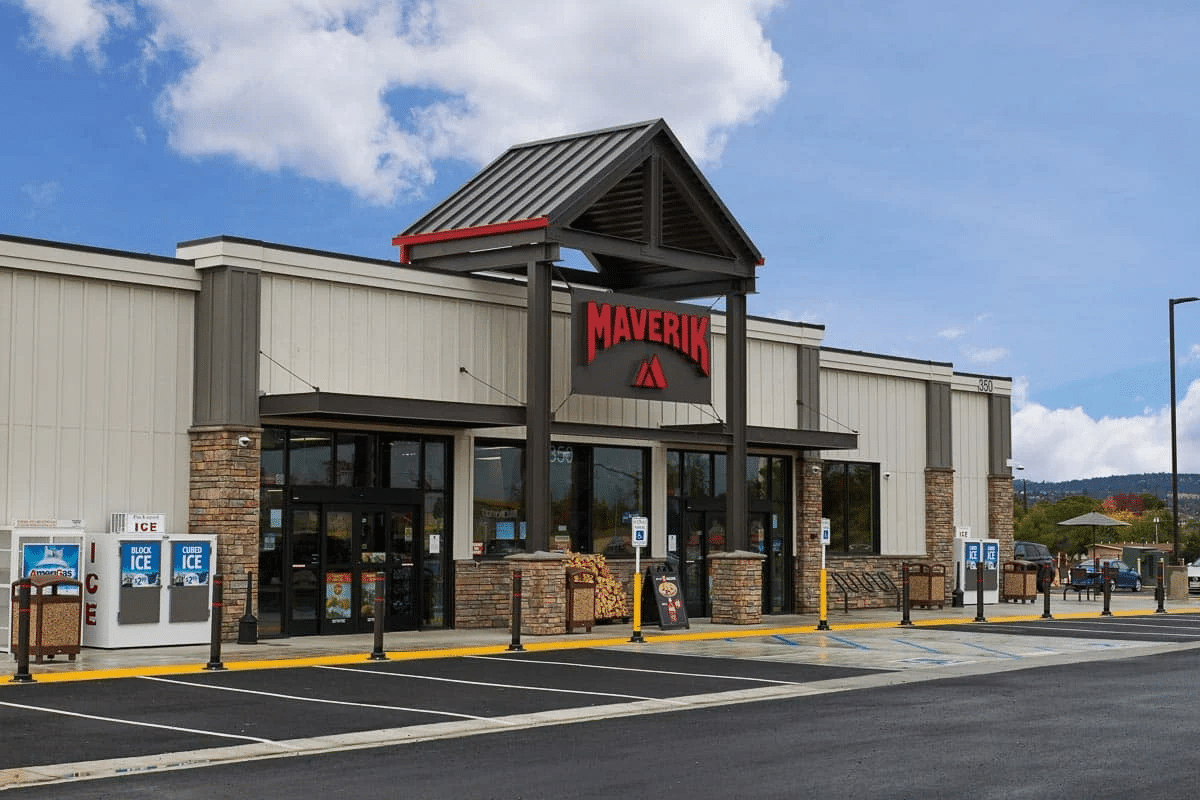
6 Gas Station Chains With Food So Good It’s Worth Driving Out Of Your Way For
We scoured the Internet to see what people had to say about gas station food. If you think the only things available are wrinkled hot dogs of indeterminate age and day-glow slushies, we’ve got great, tasty news for you. Whether it ends up being part of a regular routine or your only resource on a long car trip, we have the food info you need.
Let’s look at 6 gas stations that folks can’t get enough of and see what they have for you to eat.
16 grocery staples to stock up on before prices spike again

16 Grocery Staples to Stock Up On Before Prices Spike Again
I was in the grocery store the other day, and it hit me—I’m buying the exact same things I always do, but my bill just keeps getting higher. Like, I swear I just blinked, and suddenly eggs are a luxury item. What’s going on?
Inflation, supply-chain delays, and erratic weather conditions have modestly (or, let’s face it, dramatically) pushed the prices of staples ever higher. The USDA reports that food prices climbed an additional 2.9% year over year in May 2025—and that’s after the inflation storm of 2022–2023.
So, if you’ve got room in a pantry, freezer, or even a couple of extra shelves, now might be a good moment to stock up on these staple groceries—before the prices rise later.