

In job interviews, we’re often taught that politeness is paramount. But here’s a little secret from the other side of the hiring desk: some of the most common “courteous” habits are major red flags.
This is especially true in the current workplace, where adaptability, leadership, and emotional intelligence are paramount, and where being overly friendly can be misinterpreted as a lack of confidence, insufficient critical thinking, or inauthenticity.
As career coach Marky Stein puts it, an interview is “a highly ritualized form of interaction. If you think you’re not under the most strict scrutiny, you’re going to slip up.” So, backed by psychology, data, and expert advice on hiring, here are 15 “polite” habits that might sabotage your interviews.
Being overly agreeable (The “head-nodder”)

You know the move. The interviewer makes a point, and you nod along like a bobblehead on a bumpy road: “Yes, absolutely.” “That’s so true.” “I completely agree.” You think you’re building rapport, showing you’re on the same page.
However, the interviewer might see someone who lacks their point of view. This classic people-pleasing habit can signal a lack of critical thinking. A study co-authored by Notre Dame professor Timothy Judge found that agreeableness is a “double-edged sword” and is often linked to lower earnings, partly because highly agreeable people are less likely to assert themselves.
An interview is also about negotiating what you think you’re worth, and if you say yes to the whole song and dance, you’re signaling that you may not push back or bring fresh ideas.
Downplaying your achievements (The “humble bragger’s opposite”)

When the interviewer says, “Wow, a 40% increase in sales is impressive,” your instinct might be to deflect. “Oh, it was a team effort,” or “I just got lucky with the timing.” You’re trying to be humble, to avoid sounding like a braggart.
Here’s the problem: you’re hiding the information the interviewer needs. They aren’t just interested in what you’ve done; they want to see your pride and ownership in your work. When you downplay your success, you’re not just being humble; you’re signaling a lack of confidence and making it harder for them to see your true value.
Exclusively using “we” to describe accomplishments

This one is so ingrained in corporate culture. We’re taught from day one that “there’s no ‘I’ in team.” So, in an interview, it feels natural to say, “we launched the new software,” or “we increased efficiency.” It sounds collaborative and polite.
Your interviewer doesn’t care what your team did. They care what you did. When you only use “we,” the interviewer is left wondering, “Okay, but what was your specific role? Were you driving the project, or were you fetching coffee for the ones who were?” It’s also a popular mode of exaggeration among candidates to make themselves sound bigger than they are.
Giving the “perfectionist” weakness answer

“What’s your greatest weakness?” You smile knowingly and say, “I’m a perfectionist. I just care too much about the quality of my work.” You think you’ve cleverly turned a negative into a positive.
Sorry to break it to you, but hiring managers have heard this one a million times. It’s seen as a total cop-out. The interviewers rate the honest candidates more highly. They’re seeking someone with self-awareness who is committed to personal growth.
Apologizing unnecessarily

“Sorry to bother you…” “Sorry, can I just ask a quick question?” “Sorry, I need a second to think about that.” These little apologies are meant to be polite, to show you’re not trying to be intrusive.
But they can seriously undermine your authority and make you seem insecure. Constantly apologizing for taking up space or having a thought suggests a lack of confidence. As Melody Wilding, a professor of Human behavior at Hunter College, points out, these unwarranted apologies can dilute the power of a real apology and even come off as disingenuous over time.
Being too deferential to the interviewer’s time

As the interview winds to a close, the hiring manager says, “Well, do you have any questions for me?” You, wanting to be courteous, glance at the clock and say, “I know you’re very busy, so I’ll just ask one quick thing.” Or worse, you say, “No, you’ve covered everything!”
This is a massive missed opportunity. Some hiring managers consider not asking good questions one of a candidate’s most detrimental mistakes. The end of the interview is your chance to turn the tables and interview them. Rosemary Haefner, a former VP of HR at CareerBuilder, says, “You are interviewing the employer just as much as that employer is interviewing you”.
Over-complimenting the interviewer or company

“I just have to say, I’m such a huge fan of your work.” “This office is amazing!” “I’ve heard the culture here is just incredible.” A little genuine praise is fine, but gushing can be insincere flattery.
If the compliments seem forced or fake, that is an immediate warning sign and can drive away the person conducting the interview. It can look like you’re trying to charm your way into a job rather than earning it on merit. And please, never comment on an interviewer’s physical appearance.
Failing to ask challenging questions

This goes hand-in-hand with being too deferential. To avoid seeming difficult, many candidates stick to “safe” questions, such as “What’s a typical day like?” or “What do you like about working here?” These are fine, but they don’t exactly showcase your brilliant, strategic mind.
The questions you ask reveal how you think. Asking challenging (but respectful) questions shows you’re not just looking for a job; you’re looking for the right job where you can make a real impact.
Being excessively formal

You walk in, stiff as a board, addressing everyone as “Sir” or “Ma’am,” and your answers sound like they’ve been memorized from a textbook. You’re trying to be the epitome of professionalism.
However, in many modern workplaces, this can make you appear to be a poor cultural fit. An interview is about connection, and excessive formality creates distance. According to politeness theory in social psychology, formality is a tool used to regulate social distance, and your goal is to close that distance, not widen it.
You want to be seen as a potential colleague, not a robot.
Displaying over-the-top enthusiasm

Save this article
You’re practically in your seat bouncing on springs. At the end of every answer is an exclamation point. You laugh a little too loudly at the interviewer’s jokes. You want them to know how much you want this job.
But there’s a thin line between enthusiasm and desperation. A Stanford study found that while American employers do tend to favor “excited” candidates, that excitement must be perceived as authentic. Over-the-top energy can come across as fake and even make an interviewer question your maturity.
It can make you seem like a “flame that burns extremely bright in the beginning, but eventually… burns out”.
Trying to perfectly mirror the interviewer

You’ve read the body language books. You know that subtly mimicking the interviewer’s posture and gestures is supposed to build rapport. So you cross your legs when they cross theirs, and you lean forward when they do.
While this can work if done with incredible subtlety, it’s a risky game. A UCSD study on mirroring found that observers who saw an interviewee mirror an interviewer’s gestures actually perceived them as less competent. Focusing so hard on copying someone’s movements can distract you from what’s most important: actually listening to what they’re saying.
Not negotiating the first offer

This is perhaps the most expensive “polite” mistake you can make. You get the job offer, and you’re so grateful and excited that you accept it on the spot. You don’t want to seem greedy or ungrateful by asking for more.
Big mistake. A 2025 survey showed that 73% of employers expect candidates to negotiate. By not negotiating, you’re impacting your earning potential for the rest of your career. A mere $1,000 difference in starting salary can translate into $500,000 or more in lost earnings over a career.
Sending a generic, template-based thank-you note

You know you’re supposed to send a thank-you note, so you find a template online, change the name and company, and hit send. Box checked.
This is better than nothing, but not by much. A study by the University of Southern California found that 57% of job seekers don’t send a thank-you note at all, so you’re already ahead of the curve.
However, with 86% of hiring managers stating that a thank-you note influences their decision, a generic one is a significant wasted opportunity. This is your last chance to make an impression and reiterate your value.
Refusing to discuss a real failure

The interviewer asks, “Tell me about a time you failed.” You panic. You don’t want to admit to any mistakes, so you say, “I can’t really think of a time I’ve truly failed,” or you pivot to another disguised strength.
This question isn’t a trap. It’s a test of your self-awareness, honesty, and resilience. A candidate who can’t admit to a mistake “lacks introspection and probably won’t put any effort into recognizing and/or learning from [their] mistakes”. They want to see that you can own your errors, learn from them, and grow.
Treating the interview like a therapy session

In an effort to be “authentic” and “vulnerable”—two major buzzwords in today’s culture—you overshare. You talk about your difficult previous boss, your struggles with anxiety, or personal problems that have affected your career. You’re trying to build a human connection.
But you’re crossing a professional boundary. As renowned researcher Brené Brown says, “Vulnerability minus boundaries is not vulnerability”. It is advisable to follow the “First-Date Rule”: “Most people on their first date present the best foot forward.” That means not telling interviewers about your health problems or financial woes.
Key takeaway

The modern interview isn’t a test of who can be the most polite. It assesses your confidence, self-awareness, and future value to the company. Seemingly courteous habits, such as downplaying your wins, using “we” instead of “I,” and avoiding challenging questions, can backfire, making you seem unassertive or unprepared. The most effective—and, ironically, most respectful—approach is to be direct, authentic, and thoroughly prepared.
Show respect for the interviewer by doing your homework, and show respect for yourself by articulating the value you bring clearly and confidently. In the end, they’re not looking to hire the “nicest” candidate; they’re looking to hire the most effective one. Your goal isn’t just to be liked—it’s to be hired.
Disclaimer – This list is solely the author’s opinion based on research and publicly available information. It is not intended to be professional advice.
Disclosure: This article was developed with the assistance of AI and was subsequently reviewed, revised, and approved by our editorial team.
How to save on international money transfers: What banks don’t tell you

How to Save on International Money Transfers
Normally, I’d question the secret fees that are hidden in my bank’s international money transfer services. While banks sometimes advertise low transfer fees, they usually do not mention the substantial exchange rate margins that quietly siphon money out of your funds. It shouldn’t be expensive to send money overseas.
I’ve discovered seven practical strategies anyone can use to save on international money transfers. Whether you’re sending a hundred dollars to a family member or paying for a service in a foreign country, these tactics will help you hold onto more of your hard-earned cash.
6 gas station chains with food so good it’s worth driving out of your way for
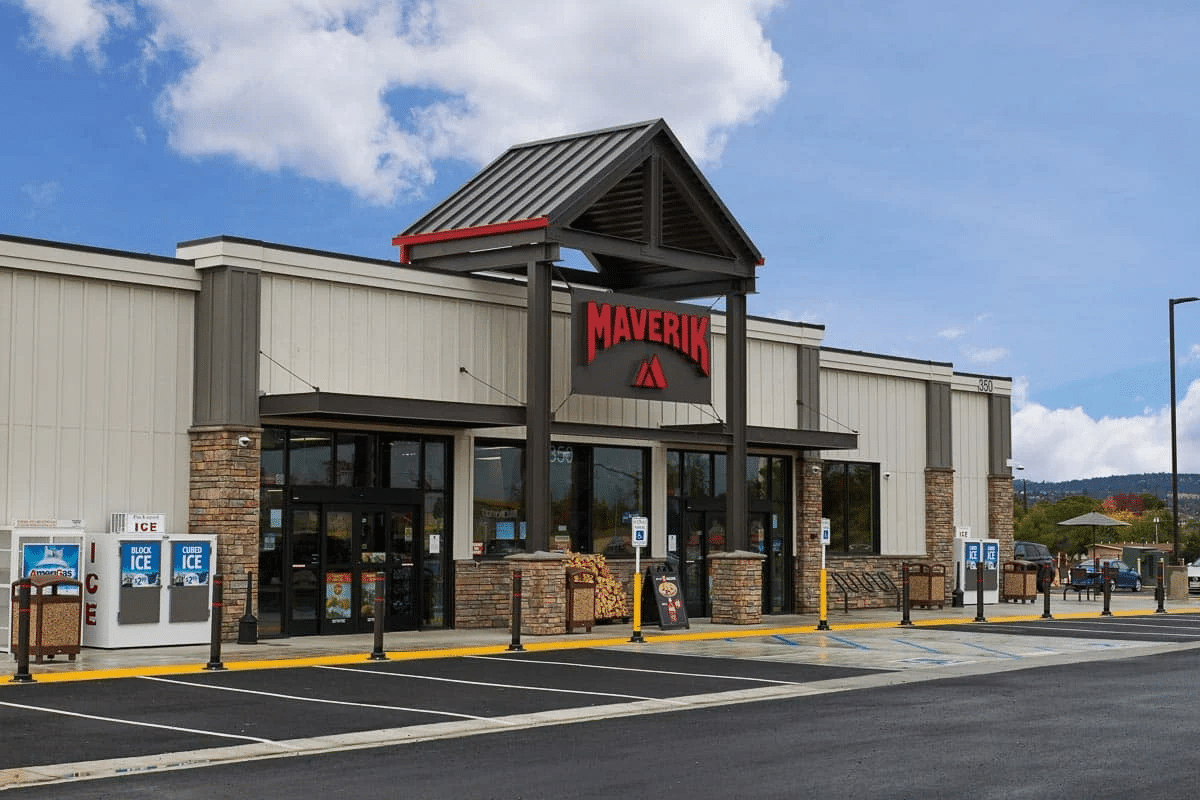
6 Gas Station Chains With Food So Good It’s Worth Driving Out Of Your Way For
We scoured the Internet to see what people had to say about gas station food. If you think the only things available are wrinkled hot dogs of indeterminate age and day-glow slushies, we’ve got great, tasty news for you. Whether it ends up being part of a regular routine or your only resource on a long car trip, we have the food info you need.
Let’s look at 6 gas stations that folks can’t get enough of and see what they have for you to eat.





