

Across the United States, local public agencies spend over $440 million every year repairing wastewater treatment equipment damaged by flushed wipes and other non-flushable items. When it comes to toilets, plumbers have a universal mantra for a reason: stick to the “three Ps”—pee, poo, and (toilet) paper.
Yet, countless household items labeled as “flushable” or seemingly harmless sneak into pipes every day, causing costly clogs, environmental hazards, and endless headaches for plumbers. If you’ve been sending a wider variety of items whirling down the bowl, it’s time to reconsider. Here are 15 everyday items that plumbers beg you to stop flushing, paired with real-world data and expert advice.
Paper Towels

Paper towels do a great job cleaning up messes because they’re built to stay strong when wet—but that same durability makes them a nightmare for toilets. Unlike toilet paper, paper towels retain their structure and absorb moisture, forming dense clogs that block water flow and resist breakdown.
When flushed, they often snag on pipe joints and elbows, contributing to fatbergs that have cost cities like London millions to remove. Plumbers consistently rank paper towels among the most common clogging offenders in residential calls, and clearing these clogs often requires augers or professional intervention.
“Flushable” Wipes

Despite what the packaging says, most “flushable” wipes don’t break down like toilet paper. They stick together and mix with grease to form monstrous sewer clogs called fatbergs. New York City spends around $20 million every year to deal with these wipes clogging up its 7,000 miles of sewer pipes.
A 2022 report from the Department of Environmental Protection confirmed that these wipes overwhelm treatment plants and cause backups that can flood entire neighborhoods. Even though they swirl down the bowl easily, they wreak havoc once they hit the sewer system. If you use wipes, do your plumbing a favor and toss them in the trash—not the toilet.
Tissues

Facial tissues may resemble toilet paper, but they’re engineered to resist disintegration in water, making them a hidden threat to your plumbing system. Unlike toilet paper, which breaks down rapidly, facial tissues maintain their integrity and can accumulate into stubborn clogs over time.
Plumbers consistently report that even small amounts of flushed tissue can lead to major blockages, especially in older or low-flow systems. The Environmental Protection Agency advises that only human waste and toilet paper should be flushed, as other paper products—including facial tissues—can damage sewer infrastructure.
Cotton Balls, Pads, and Swabs

Cotton’s absorbent fibers cling to pipe walls and trap debris, forming stubborn clogs that restrict water flow. Plumbers frequently encounter cotton-based blockages—especially from items like cotton balls, swabs, and pads—in older plumbing systems where narrower pipes worsen the buildup.
These obstructions often require professional removal, adding to household maintenance costs. According to the National Association of Clean Water Agencies (NACWA), U.S. municipalities spend an estimated $441 million annually to remove clogs caused by wipes and other non-flushable items.
Sanitary Products (Pads and Tampons)

Pads and tampons are engineered to absorb and expand, making them incompatible with plumbing systems. Once flushed, they quickly obstruct pipes, trigger sewage overflows, and demand costly repairs. According to Northumbrian Water, over 50% of sewer flooding incidents stem from blockages, with Thames Water reporting 60% of home sewer floods linked to similar causes.
Sanitary products rank among the most frequent culprits in urban sewer blockages, especially in densely populated neighborhoods. Always dispose of these items in a trash bin to prevent damage and avoid contributing to the growing cost of municipal sewer maintenance.
Diapers

Diapers spell disaster for plumbing systems, no matter their size. Once flushed, they expand rapidly, block pipes, and cause immediate backups. In the U.S., an estimated 20 billion disposable diapers are discarded annually, contributing over 4 million tons of landfill waste and ranking as the third-largest single consumer item in landfills.
While not all end up in toilets, those that do create urgent plumbing issues and costly repairs. To avoid these problems, always wrap and dispose of diapers in a waste bin—not the toilet.
Condoms

Condoms present a hidden plumbing hazard due to their latex, polyurethane, or polyisoprene composition, which resists disintegration in water. Once flushed, they often get caught in pipes, where they accumulate debris and trigger blockages.
Wastewater treatment experts confirm that condoms do not dissolve and can cause backups into homes and neighboring systems. These blockages increase maintenance costs and strain municipal infrastructure, especially in high-density areas. To protect your plumbing and avoid costly repairs, always dispose of condoms in a lined trash bin.
Dental Floss

Dental floss may seem harmless because of its size, but its string-like nature makes it particularly problematic for pipes. It tangles with other flushed items, forming nets that trap debris and solidify into stubborn blockages. Wastewater experts list floss among the top hygiene products that damage sewer systems, alongside wipes, tampons, and condoms.
According to the California Water Environment Association (CWEA), dental floss contributes to sewer clogs by entangling with other non-flushables, forming “rag balls” that obstruct flow and damage equipment. To avoid costly repairs and protect infrastructure, always toss floss in the trash—not the toilet.
Bandages and Wrappings

Bandages introduce two major problems for plumbing systems: they don’t dissolve in water, and their adhesive surfaces trap grease, hair, and other debris, accelerating clogs. Their synthetic materials persist in pipes and contribute to long-term backups and environmental waste.
Save this article
Dental floss poses a similar threat; made from nylon or Teflon, it doesn’t break down and can wrap around other flushed items, forming dense clumps that block water flow. Plumbers frequently encounter floss-related clogs during home visits, especially when it tangles with wipes or hair to form “rag balls.”
Cat Litter (Even “Flushable” Brands)

Cat litter hardens on contact with moisture, making it behave like concrete in your pipes. Even “flushable” varieties can cause clogs, as they absorb water and form solid masses that stick to pipe walls and resist breakdown. Worse, cat feces may carry Toxoplasma gondii, a parasite that can infiltrate water supplies and threaten marine ecosystems.
Chemical drain cleaners can’t dissolve cat litter and may even damage pipes by generating heat when reacting with other materials. To protect your plumbing and prevent environmental contamination, always dispose of used litter in sealed trash bags—not the toilet.
Hair

Hair clogs may be most associated with shower drains, but flushed hair also creates tangled blockages in toilet pipes. Hair easily wraps around drain components and combines with soap scum and other debris, forming dense clogs that resist water flow.
These clogs often lead to slow drainage, increased water pressure, and even pipe damage if left untreated. Plumbers report that hair is one of the most frequent causes of residential drain blockages, especially in bathrooms. To avoid costly repairs, discard hair in waste bins instead of flushing it down the toilet.
Cooking Grease, Oils, and Fats
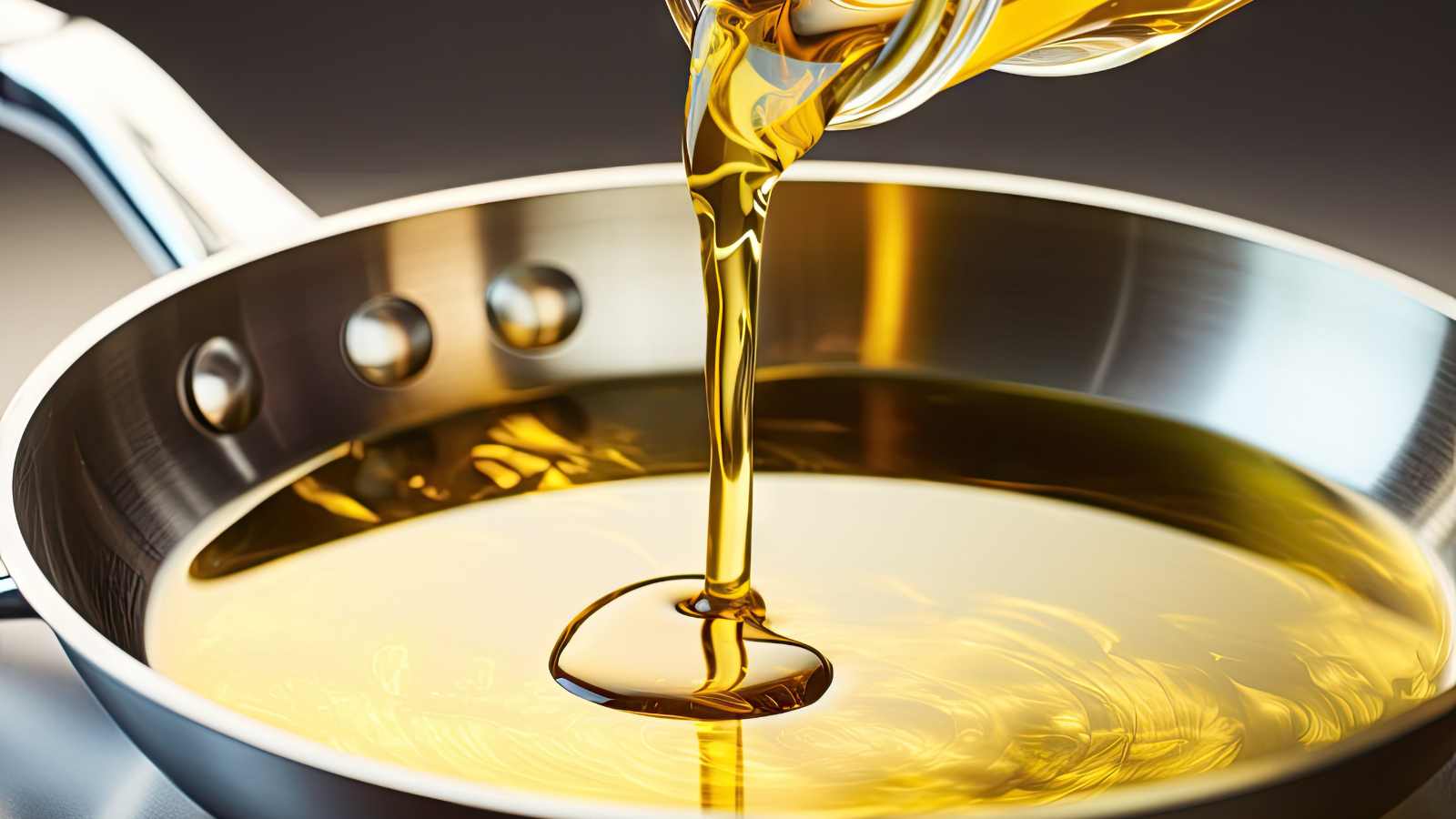
Pouring grease into your toilet or sink may seem harmless when it’s a liquid. Still, it solidifies as it cools, coating pipes and forming massive blockages known as fatbergs. These congealed lumps of fat, oil, grease, and non-biodegradable waste can completely obstruct sewer lines, causing wastewater to back up into homes and streets.
In 2017, Baltimore Engineers discovered that congealed fats, oils, grease, and wipes blocked 85% of a 24-inch-wide, century-old sewer pipe near Penn Station. The city had to deploy high-powered pressure washers and industrial vacuums to break down and remove the mass, with cleanup costs estimated at around $60,000. To prevent costly damage, collect grease in a container and throw it in the trash once it solidifies.
Medications

Flushing expired or unused medications pollutes water sources and harms aquatic ecosystems. Wastewater treatment plants are not equipped to remove pharmaceuticals, and studies have found traces of medications—including hormones, antidepressants, and antibiotics—in lakes, rivers, and even drinking water.
These chemicals disrupt fish reproduction, alter behavior, and contribute to antimicrobial resistance. The U.S. Environmental Protection Agency and state agencies strongly discourage flushing medications, citing risks to wildlife and water quality. Use designated medication disposal services or local pharmacies to discard unused drugs safely.
Cigarette Butts

Cigarette filters, often made from cellulose acetate—a plastic-like material—trap toxins and resist dissolving in water. When flushed, they accumulate in pipes, expand when wet, and stick to grease and sludge, forming stubborn clogs that impede water flow.
The U.S. Environmental Protection Agency warns that cigarette butts release toxic chemicals like nicotine and heavy metals into waterways, contributing to long-term environmental harm. These clogs can damage plumbing systems and septic tanks, often requiring professional removal. Dispose of cigarette waste safely in sealed trash containers to protect both your pipes and local ecosystems.
Household Cleaning Wipes and “Flushable” Products

Cleaning wipes, disinfectant wipes, and so-called “flushable” products pose serious risks to plumbing systems because they contain synthetic fibers like polyester and polymers that resist breakdown in water. Unlike toilet paper, which disintegrates within seconds, these wipes remain intact and often clump together in pipes, causing blockages and backups.
Many also contain microplastics, which contribute to environmental pollution and strain wastewater treatment systems. Cities have spent millions clearing massive clogs—known as fatbergs—formed by wipes mixed with grease and debris. To avoid costly plumbing disasters and environmental harm, always dispose of these items in the trash, not the toilet.
Disclaimer – This list is solely the author’s opinion based on research and publicly available information. It is not intended to be professional advice.
16 Grocery Staples to Stock Up On Before Prices Spike Again
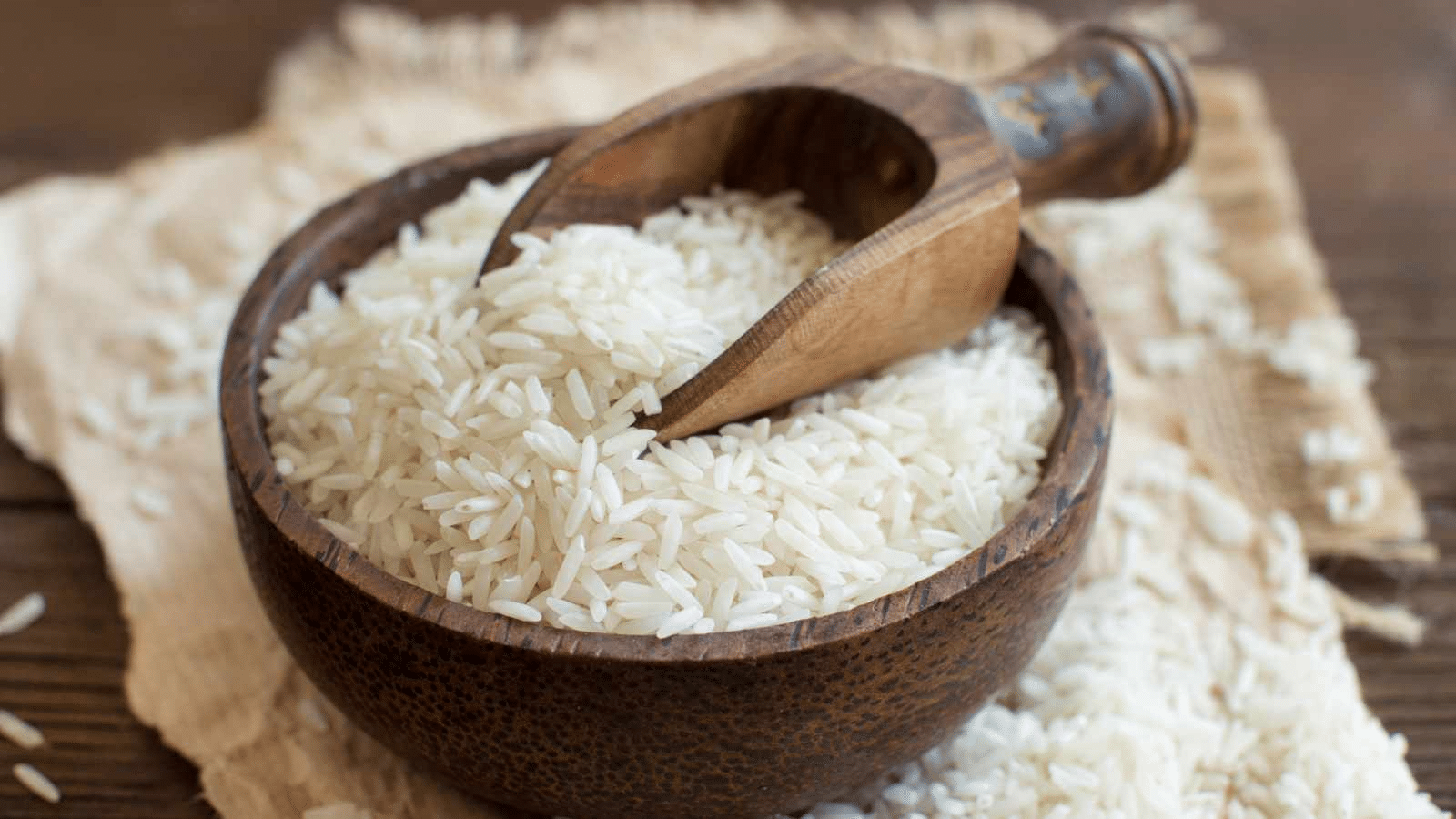
16 Grocery Staples to Stock Up On Before Prices Spike Again
I was in the grocery store the other day, and it hit me—I’m buying the exact same things I always do, but my bill just keeps getting higher. Like, I swear I just blinked, and suddenly eggs are a luxury item. What’s going on?
Inflation, supply-chain delays, and erratic weather conditions have modestly (or, let’s face it, dramatically) pushed the prices of staples ever higher. The USDA reports that food prices climbed an additional 2.9% year over year in May 2025—and that’s after the inflation storm of 2022–2023.
So, if you’ve got room in a pantry, freezer, or even a couple of extra shelves, now might be a good moment to stock up on these staple groceries—before the prices rise later.
6 Gas Station Chains With Food So Good It’s Worth Driving Out Of Your Way For
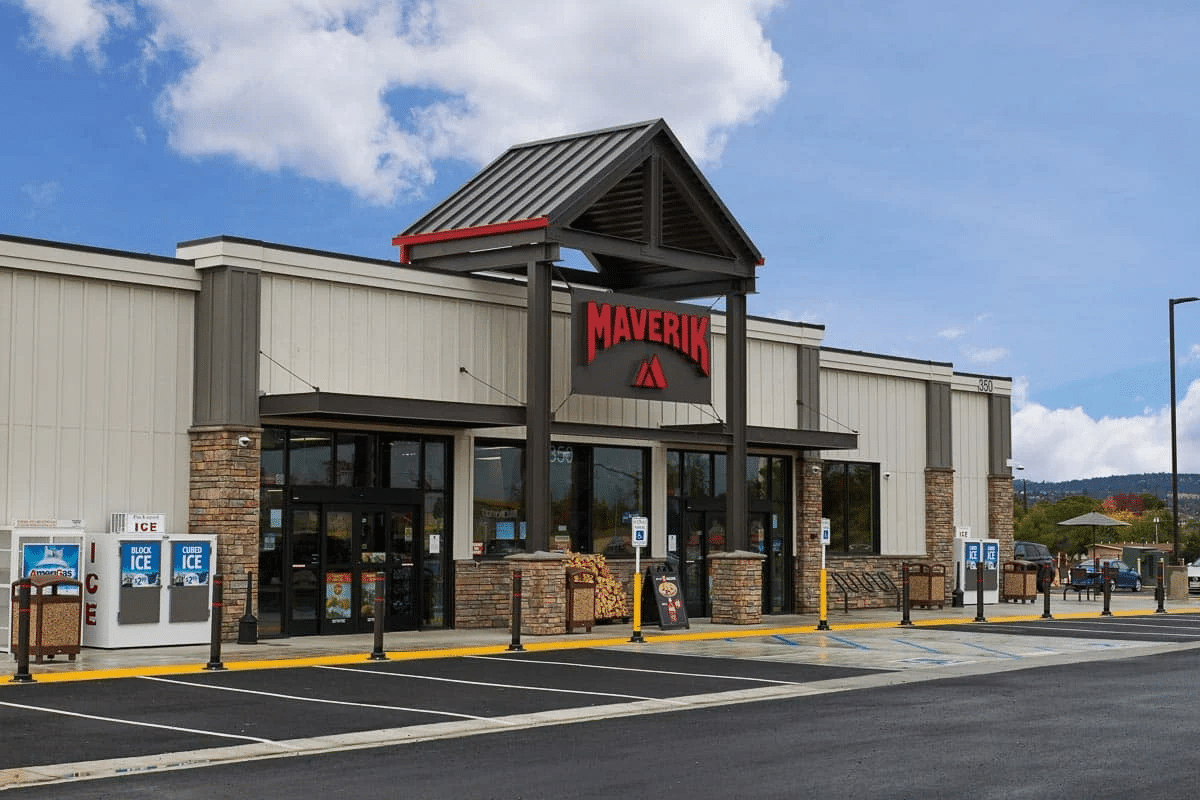
6 Gas Station Chains With Food So Good It’s Worth Driving Out Of Your Way For
We scoured the Internet to see what people had to say about gas station food. If you think the only things available are wrinkled hot dogs of indeterminate age and day-glow slushies, we’ve got great, tasty news for you. Whether it ends up being part of a regular routine or your only resource on a long car trip, we have the food info you need.
Let’s look at 6 gas stations that folks can’t get enough of and see what they have for you to eat.





