

Ever been told by a senior colleague to “pay your dues” by working excessive hours without fair compensation? Or sat through an in-person meeting that could have easily been an email because the boss insists on everyone being in the office? Gen Z workers are over it, and their collective eye-rolls might just require medical attention.
According to SimpleBeen’s Gen Z Statistics for 2025, individuals born between 1997 and 2012 now make up 27% of the workforce, and they’re redefining workplace norms in ways previous generations could hardly have imagined.
Not out of laziness or entitlement, but because they challenge traditions rooted in the reasoning of “that’s just how it’s always been done.”
Commuting to the Office Daily

Gen Z didn’t grow up hearing stories about walking uphill both ways to school, and they’re not going to encourage work-commute culture, either. Just 6% say leadership in traditional office settings is their top career goal; most prefer flexible work arrangements.
They have seen their parents spend hours in traffic, missing family dinners, and burning through money on gas simply to sit at a desk they could have at home.
Sitting Through Pointless In-Person Meetings

Imagine this: You’re summoned to a conference room to receive information that could have easily been conveyed in a two-sentence email. Gen Z employees are mentally keeping a tally of how much of their productivity is slipping away during these marathon meetings.
Between 48% and 65% prefer hybrid work arrangements, while only 30% want full remote roles, according to Gallup workplace research. They like efficiency and time management over the meeting-laden workplace cultures of the past.
Managing Calendars and Schedules Manually

Gen Z approaches manual calendar juggling the same way a future person in 2025 would try to operate a flip phone, technically feasible but entirely unnecessary. In fact, as the McKinsey report on AI in the workplace notes, nearly 49% are already deploying AI tools to automate and enhance their task-management systems.
They were born into smartphones that could remind, notify, and sync across multiple devices with minimal effort. It’s like taking a step back in time to the Stone Age, when your favorite digital technology can automate the process for you.
Deep Cleaning Everything by Hand

Robot vacuums are more than just cool gadgets to Gen Z people; they are essential members of their households, complete with names and personalities.
This generation embraces automated cleaning solutions because they’d rather spend time on creative projects or side hustles instead of scrubbing baseboards.
Following Strict Dress Codes

Going to work in a full suit and tie when you’re going to be staring at a computer screen for 8 hours every day makes about as much sense as wearing a tuxedo to mow the lawn.
Researchers at Milkround discovered that 65% of Gen Z employees feel they’re judged on their appearance at work, with many viewing traditional office dress codes as outdated and prescriptive. They think it is just the ability and innovation that count, rather than whether one is wearing the “right” shoes or a tie of a certain color.
Traditional Grocery Shopping Every Week

Walking through the aisles of a grocery store and crossing off items on a handwritten list seems to be a time-warp experience to Gen Z shoppers.
They also appreciate the convenience of online ordering, home delivery services, and meal kit subscriptions, which eliminate the guesswork and time commitment. They take the same digital-first approach to food shopping, where apps can remember their preferences, suggest recipes, and deliver everything to their doorstep.
Filing Physical Paperwork

Gen Z views filing cabinets as if they were ancient artifacts, lying around as if they belonged in a museum, interesting historical pieces with no practical modern purpose.
According to Statista, Gen Z has over 94% ownership of smartphones, enabling them to easily convert, organize, and access documents instantly, regardless of their location. And they can’t fathom why businesses would bother with paper filing systems when cloud storage is more organized, searchable, and backed up.
Working Extra Hours Without Pay

The notion of “paying your dues” with uncompensated overtime is enough to make Gen Z workers laugh, and not in a good way. Nearly 55% of hiring managers say Gen Z is pushing back on traditional dues-paying workplace cultures.
They have seen prior generations give up personal time for companies that showed no loyalty when it came time for layoffs and economic hardship. This generation prioritises work-life balance and believes ‘fair pay’ should be relative to time and effort expended.
Manual Data Entry Tasks

To Gen Z workers who know automation exists, typing the same information into spreadsheets over and over is digital torture. As a majority rely on AI for jobs such as data analysis and proofreading, the hope is that technology will cover routine, repetitive tasks.
They don’t want to waste their cognitive resources by mindlessly copying information; instead, they should use them to think more creatively and strategically.
Save this article
Overtime Without Fair Compensation

Unpaid overtime requests are the new spam emails to Gen Z workers, deleted, forgotten, and ignored. And Gen Z also wants to be compensated fairly for their time. 74% of Gen Z expect to be concerned about the compensation offered for their time, and they are not shy about articulating that, according to the Deloitte Global Gen Z and Millennial Survey 2025.
They’ve seen how previous generations were taken advantage of, with unpaid extra hours, while companies reported record earnings.
Rigid 9-to-5 Office Schedules

The long-accepted 9-to-5 workday increasingly feels as outdated as a dial-up connection to Gen Z workers who value flexibility and results over seat time. Roughly 70% anticipate employers will offer remote work options, flexible hours, and robust mental health support.
Nearly half of Gen Z adults hold down side hustles, and a quarter rely on such income to cover basic expenses. Similarly, their entrepreneurial spirit and the diverse range of income sources require an adaptable approach to allocating time.
Making Routine Phone Calls

Whereas millennials treat doorbell rings with suspicion, anxiety, and a near-universal preference for other modes of communication, Gen Z treats phone calls the same way. They prefer online communication, texting, and asynchronous methods that allow for measured responses rather than immediate feedback.
Phone anxiety is on the rise with an increase in mental illness among Gen Z since 2020, as reported by The Guardian. They favor communication options that leave a paper or digital trail, that allow them to contemplate a response, and that don’t disrupt their work with unexpected calls.
Making All Three Meals from Scratch Every Day

The idea of spending hours chopping up veggies and meticulously executing complex recipes every single day just doesn’t make sense when there is access to convenience.
They adopt meal-prep kits, food delivery apps, and smart kitchen gadgets that make cooking, but not nutrition or taste, easier.
Long In-Person Bank Visits

To Gen Z, waiting in bank lines for everyday transactions is akin to sending carrier pigeons to deliver an urgent message the same day. They heavily favor digital banking platforms that fulfill most financial needs through smartphone apps.
According to Fintech Review, the increase in Fintech apps that help young people understand their finances has led to a jump in the number of young people with an eye on the future, with a 29% reduction in the number of youth without any savings or investments since 2017. They can deposit checks, send money, pay bills, and track their accounts all from the comfort of their own homes.
Check Payments and Manual Bill Processing

To consumers in Generation Z, who came of age using digital payment systems, writing paper checks and mailing bill payments can feel like an exercise in living in the past.
Virtually all of them are already using contactless payments, mobile device apps, and automatic billing services for their daily transactions. They don’t understand why anyone would opt for slow, error-prone manual payments when they could have the reliability, speed, security, and digital APIs of a system or card network.
Key Takeaway

Gen Z is not just being a pain; they’re asking intelligent questions about how we allocate our time and energy. Raised in the shadow of the trajectory of technology to help resolve challenges and simplify systems, they cannot help but wonder why we’re still struggling to do things “the old-fashioned way,” simply because “that’s how it’s always been done.” Perhaps the rest of us should be asking those same questions.
Disclaimer – This list is solely the author’s opinion based on research and publicly available information. It is not intended to be professional advice.
16 Grocery Staples to Stock Up On Before Prices Spike Again

16 Grocery Staples to Stock Up On Before Prices Spike Again
I was in the grocery store the other day, and it hit me—I’m buying the exact same things I always do, but my bill just keeps getting higher. Like, I swear I just blinked, and suddenly eggs are a luxury item. What’s going on?
Inflation, supply-chain delays, and erratic weather conditions have modestly (or, let’s face it, dramatically) pushed the prices of staples ever higher. The USDA reports that food prices climbed an additional 2.9% year over year in May 2025—and that’s after the inflation storm of 2022–2023.
So, if you’ve got room in a pantry, freezer, or even a couple of extra shelves, now might be a good moment to stock up on these staple groceries—before the prices rise later.
6 Gas Station Chains With Food So Good It’s Worth Driving Out Of Your Way For
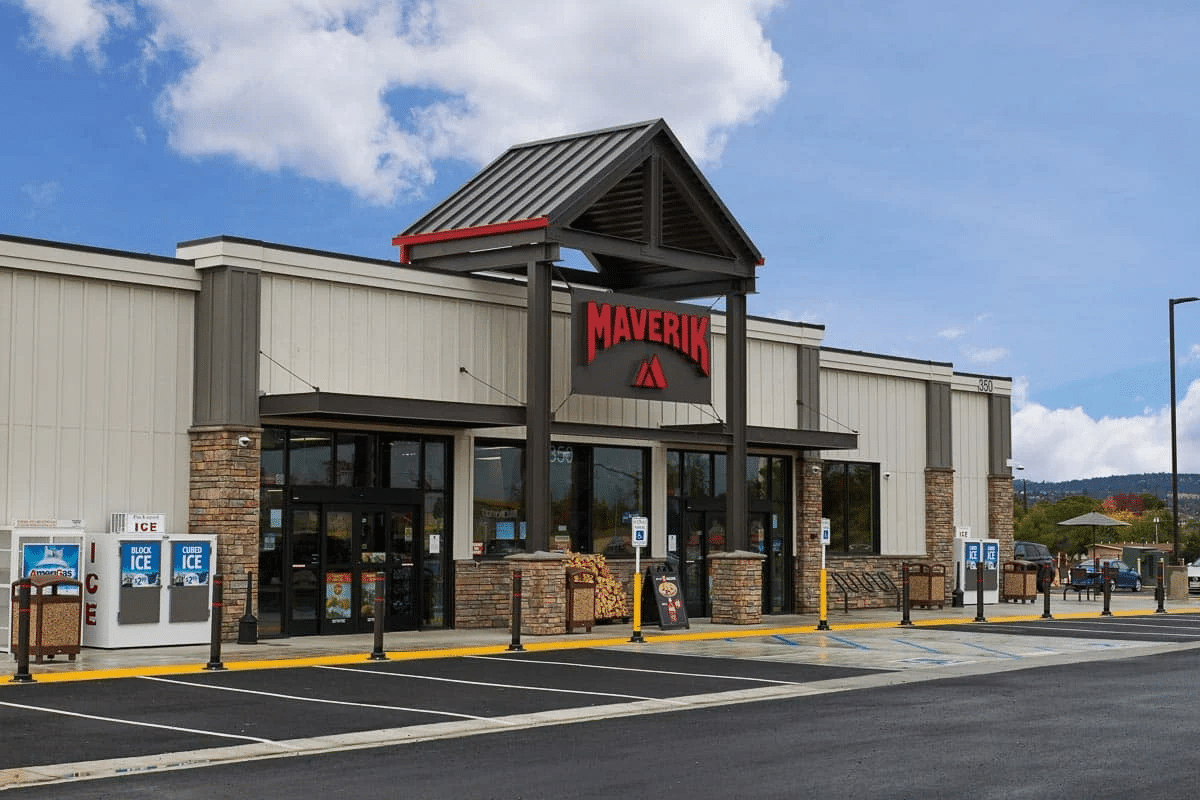
6 Gas Station Chains With Food So Good It’s Worth Driving Out Of Your Way For
We scoured the Internet to see what people had to say about gas station food. If you think the only things available are wrinkled hot dogs of indeterminate age and day-glow slushies, we’ve got great, tasty news for you. Whether it ends up being part of a regular routine or your only resource on a long car trip, we have the food info you need.
Let’s look at 6 gas stations that folks can’t get enough of and see what they have for you to eat.





