

Your grandmother’s dinner table tells a different story now. The mantelpiece, once crowded with wedding photos, stands bare as marriage shifts from a universal milestone to a distant luxury. The American Dream she chased feels out of reach for Gen Z, a generation struggling to afford even a down payment. Only 25% of adults under 25 are expected to own homes by 2025; a stark contrast to earlier generations.
This shift is not rooted in rebellion or laziness, but in survival. It reflects a redefinition of success in a world where the old roadmap no longer leads to prosperity. Gen Z is unraveling the traditions that once shaped entire lives, piecing together a new vision of the future from what remains.
The American Dream of Homeownership

For decades, owning a home symbolized success in the United States; a milestone many parents assumed their children would achieve by now. But for Gen Z, this dream feels increasingly out of reach, and not by choice.
According to the National Association of Realtors, the median age for first-time homebuyers has risen to 35, up from 33 in 2023 and just 29 in 1981—the highest on record. The obstacles are clear: with student loan debt averaging $37,000 per borrower and rent consuming 30-40% of their income, saving for a down payment has become a near impossibility for many in this generation.
Marriage Before 30

The wedding bells, it seems, are growing silent. MarriageFoundation reports that 58 percent of Gen Z women and 56 percent of Gen Z men (born 1997 onwards) will ever marry, compared to 77-96 percent of boomers.
Gen Z views marriage as a luxury good, something you do not need to have on your path toward a full life, but rather that could come later if and when you can afford it.
Having Children as a Life Goal

The era of the baby boom has given way to a baby bust. With childcare costs averaging $15,000 per year per child—often exceeding the price of college tuition—many are rethinking parenthood. The traditional timeline of marrying by 25 and having children by 28 is fading, replaced by a new reality shaped by economic challenges and shifting priorities.
Instead, Gen Zers are traveling, working on their careers, and investing in personal growth in their 20s and 30s. Having children has shifted from something people assume they’ll do one day to something many are thinking deeply about, and some are postponing forever.
Weekly Church Attendance

28% of Gen Z’ers go to church on a typical Sunday compared to 38% of boomers, according to Building Children’s Ministry. This new generation did not abandon faith; they abandoned what they saw as institutions that were out of step, either too hypocritical or overly self-righteous.
Many people now identify as “spiritual but not religious,” breaking away from traditional sources of meaning and instead seeking fulfillment through practices like meditation apps, yoga, or social justice work, rather than through organized religion.
Traditional Family Holidays

That traditional Thanksgiving dinner at grandma’s house is likely disappearing. Friendsgiving has surpassed traditional Thanksgiving for many young adults who either cannot go home to their families or would rather spend time with their chosen family than with biological relatives.
Gift-Giving as a Holiday Obligation

The urge to purchase lavish gifts is waning among younger Americans. Gen Z values experiences over possessions, opting for concert tickets over jewelry, and cooking classes over kitchen gadgets.
Formal Dress Codes

Dress codes are slowly dying in Gen Z’s closet. The pandemic encouraged working from home in pajamas, and many young professionals aren’t interested in returning to business attire that’s uncomfortable.
Mall shopping for new work clothes has been supplanted by thrift shopping and sustainable fashion.
Ignoring Mental Health

The “tough it out” approach is an artifact of past generations. For Gen Z, therapy is just something you do, not all that different from visiting the dentist or getting your oil changed regularly.
Reports from the American Psychological Association state that 37% of Gen Z are more likely to report they have been given therapy from a mental health professional, making them the most likely generation to do so. This generation was raised up on school counselors and anti-bullying campaigns, and hearing about depression, anxiety, and trauma became normal.
Climbing the Corporate Ladder

The corner office isn’t as coveted as it once was. Gen Z saw their parents laid off after years of loyalty to a company and realized there is no such thing as job security. Side hustles and freelance work offer income diversification that traditional employers simply cannot.
Political Institutions as Trustworthy Pillars

Trust in government has plunged for young Americans. Real-time social media has exposed government failures and corruption, making it difficult for even the most naïve to trust authority.
Taking Your Word for It

Gen Z double-checks everything, even family lore and cultural customs. Having come of age with unlimited internet access, this generation was trained to fact-check information on their own and not take things at face value.
Save this article
This skepticism also applies to job advice, relationship advice, and financial planning from parents and grandparents.
Shopping at Big Box Stores

The mall is dead, and Generation Z is to blame. For most young adults, old-fashioned retail experiences have been replaced by online shopping and direct-to-consumer brands.
As of 2025, more than half of U.S. Gen Z members prefer to shop online rather than in-store, and at least 96% make an online purchase at least once a month, according to a 2025 Forbes report. Your local thrift store, consignment store, and Facebook Marketplace offer ways to pay a fraction of what a department store would charge.
Cable TV and Network Programming

The type of television past generations grew up with is dead and gone among Gen Z. Scheduled programming has been replaced by content that consumers watch whenever they want on platforms like Netflix, Hulu, and YouTube.
Gen Zers are known to share passwords to streaming services with friends and family, too, which has an impact on individual subscription costs.
Respecting Elders Without Question

Respect is no longer granted to elders by default; it is now earned through actions and individual merit. Gen Z often questions the relevance of advice from parents and grandparents who grew up in vastly different economic and social landscapes.
A third to four-in-ten of young adults report disagreeing with their parents at least some of the time about major life decisions, such as finances, career choices, and relationships, according to a Pew Research Center study.
Gender Roles and Nuclear Families

The traditional 1950s family model has driven Gen Z to rethink what a family should look like completely. Gender roles, cooking, childcare, and household responsibilities have all evolved, leading to more fluid dynamics where family members share roles or prioritize their personal preferences over societal expectations.
Many Gen Z women are prioritizing their careers over traditional domestic roles, while men are increasingly taking on emotional labor and household management. This shift reflects a broader move toward equality and individuality within modern families.
Suburban White Picket Fence Dreams

For decades, suburban life represented the pinnacle of the American dream for many. However, for Gen Z adults who value the benefits of urban living—like walkability, public transit, and vibrant cultural experiences—the goal is to stay as close to that lifestyle as possible.
Many young adults opt for smaller living spaces in vibrant neighborhoods over larger homes in bland suburban developments.
Cash and Traditional Banking

Physical cash and traditional banks are becoming less of a factor in Gen Z’s financial lives. According to findings by Arrow Payments, 73% of young consumers use digital payment apps, such as Venmo, CashApp, or Zelle, as their primary method of payment.
Cryptocurrency and investment apps are alternatives to traditional savings accounts and financial advisers.
KEY TAKEAWAY

Gen Z isn’t killing American traditions out of spite or rebellion; they’re establishing new ones that actually work for their reality. This new generation prefers authenticity and sustainability over conformity and consumption, as well as flexibility over rigidity.
Change is scary when you’re seeing the things you hold familiar disappear, but it’s also exciting to see what’s going to grow in their place. These are the values of American culture, which are being written by a generation that isn’t willing to settle for “that’s how we’ve always done it” as a good reason to continue.
Disclaimer – This list is solely the author’s opinion based on research and publicly available information. It is not intended to be professional advice.
16 Grocery Staples to Stock Up On Before Prices Spike Again

16 Grocery Staples to Stock Up On Before Prices Spike Again
I was in the grocery store the other day, and it hit me—I’m buying the exact same things I always do, but my bill just keeps getting higher. Like, I swear I just blinked, and suddenly eggs are a luxury item. What’s going on?
Inflation, supply-chain delays, and erratic weather conditions have modestly (or, let’s face it, dramatically) pushed the prices of staples ever higher. The USDA reports that food prices climbed an additional 2.9% year over year in May 2025—and that’s after the inflation storm of 2022–2023.
So, if you’ve got room in a pantry, freezer, or even a couple of extra shelves, now might be a good moment to stock up on these staple groceries—before the prices rise later.
6 Gas Station Chains With Food So Good It’s Worth Driving Out Of Your Way For
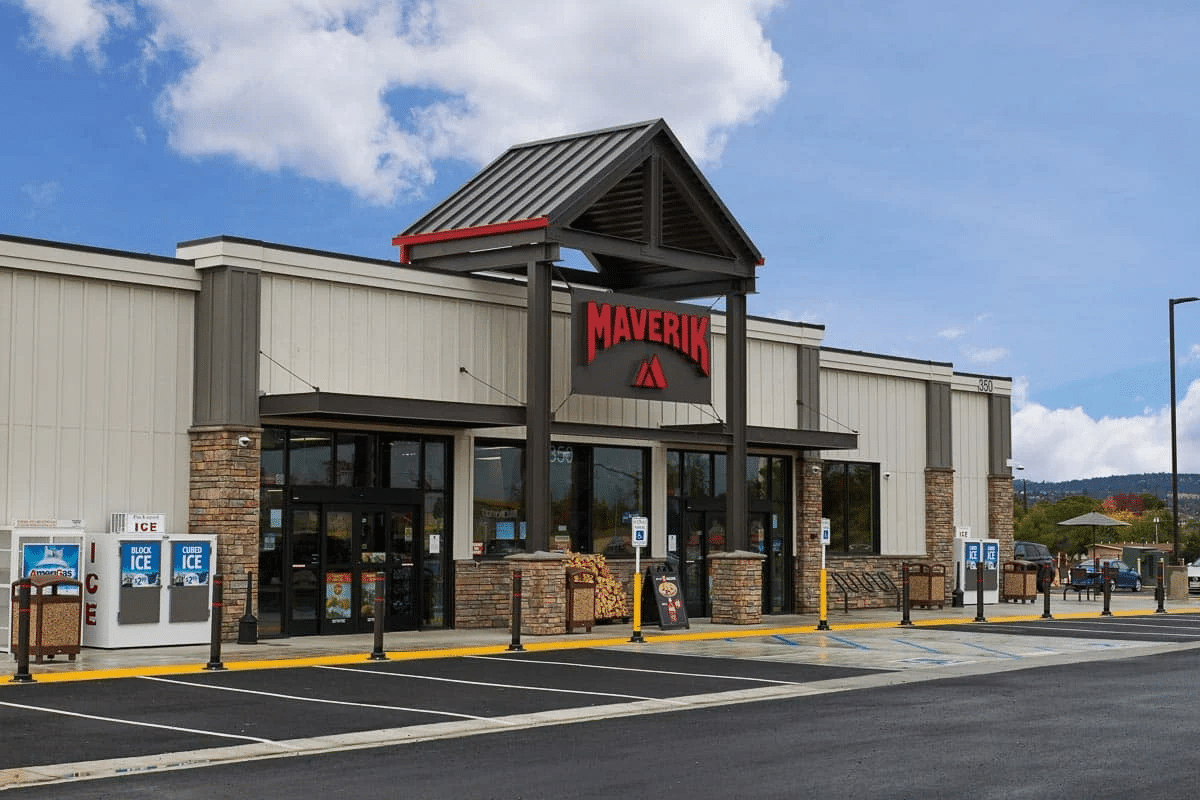
6 Gas Station Chains With Food So Good It’s Worth Driving Out Of Your Way For
We scoured the Internet to see what people had to say about gas station food. If you think the only things available are wrinkled hot dogs of indeterminate age and day-glow slushies, we’ve got great, tasty news for you. Whether it ends up being part of a regular routine or your only resource on a long car trip, we have the food info you need.
Let’s look at 6 gas stations that folks can’t get enough of and see what they have for you to eat.





