Walking into a home improvement store feels like stepping into a paradise of possibilities. Shiny shelves lined with tools that promise instant solutions, colorful displays beckoning you toward new paint palettes, and aisles brimming with gadgets you didn’t know you needed.
But beware—even the most appealing purchases can sometimes turn into major headaches. What appears to be a cost-effective or time-saving splurge could quickly result in wasted money, frustration, and costly repairs down the line. To save you from a case of shopper’s regret, here are 15 everyday purchases that often fall short of expectations.
Pre-Assembled Stock Cabinets

Pre-assembled stock cabinets may dazzle with their low price tags and easy installation, but they often come with hidden costs. Many are made from particleboard, a material that’s 10–20% cheaper than plywood but highly susceptible to warping, swelling, and cracking in humid environments.
Thin veneers and plastic laminates scratch easily, and over time, doors sag and edges peel, turning a quick kitchen upgrade into a long-term repair saga. Experts recommend semi-custom or custom cabinetry crafted from solid wood or high-grade plywood, which can last 25 years or more compared to the 3–5 year lifespan of particleboard cabinets.
Big-Box Store Plants

Buying plants should be an exciting step toward beautifying your yard or home, but those lush displays at big-box stores often come with hidden drawbacks. Many of these retailers source plants in bulk from national suppliers. Studies have found that over half of “pollinator-friendly” plants sold at such stores were treated with neonicotinoids—pesticides known to harm bees and other beneficial insects.
Additionally, plants are often treated with growth retardants to maintain their shelf appeal, which can hinder their long-term development. For healthier, regionally adapted options, local nurseries and independent plant shops offer better guidance, native species, and plants that are more likely to thrive in your environment.
High-End Gutter Guards

Gutter guard systems sold at home improvement stores often promise “maintenance-free” living, but that claim rarely holds up. Studies and expert reviews indicate that most guards only reduce—not eliminate—the need for cleaning, and can trap debris, such as pine needles and roof grit, in harder-to-reach spots.
Poor installation is a common issue, with misaligned guards causing water overflow, foundation damage, and even roof leaks—repairs that can cost homeowners thousands of dollars. A simple DIY mesh screen, which costs as little as $1.50 per linear foot and reduces cleaning frequency by up to 60%, can be just as effective.
Premium Appliances

Splurging on a high-end appliance may seem enticing, but many buyers find that it underdelivers on its promises. Common complaints include inconsistent performance, software glitches, and difficulty sourcing replacement parts, particularly for brands like Samsung and LG, which repair professionals consistently rank among the least reliable.
High-end models often require proprietary servicing and parts, resulting in expensive repairs and lengthy wait times. In contrast, mid-range appliances from brands like Whirlpool and Maytag offer solid reliability, with service rates as low as 3.3% in the first year and warranties that extend up to 10 years for key components.
Mass-Produced Flooring

Attractive demo displays of laminate or vinyl flooring often lure shoppers in, but the reality underfoot can be disappointing. Mass-produced big-box options frequently feature thinner wear layers, which are more prone to scuffs, dents, and fading within just a few years.
Laminate flooring, while stylish, is not waterproof and can swell or warp when exposed to moisture, making it a risky choice for areas with high moisture levels, such as kitchens or basements. In contrast, local flooring providers often offer thicker vinyl planks with 20-mil wear layers or high-density laminate that lasts 15–25 years, compared to the 5–10 year lifespan of budget alternatives.
Budget Smoke/CO Detectors

When it comes to safety, cutting corners isn’t worth the risk, especially with smoke and carbon monoxide detectors. Budget models may meet basic legal standards, but Consumer Reports and fire safety experts warn they often lack reliability, with frequent false alarms and limited battery life being common complaints.
More critically, inexpensive detectors may fail to detect slow-burning fires or low CO levels due to weaker sensors and a lack of dual detection technology. Advanced models, such as Nest Protect or Kidde Smart Alarms, offer interconnectivity, voice alerts, and mobile notifications, which can reduce emergency response times and enhance household awareness.
Consumer-Grade Lawn Mowers

Lawn mowers lined up at big-box retailers might look shiny and promising. Still, appearances can be deceiving—brands like Earthwise, Troy-Bilt, and Poulan Pro are frequently flagged for poor durability and weak motors. Mass-market models often feature lower-grade components and limited customization, leading to frequent breakdowns and costly repairs within just a few seasons.
Many budget mowers also lack access to replacement parts, and servicing can cost more than the mower itself. In contrast, local dealerships typically stock premium brands like Honda and Briggs & Stratton, offering more extended warranties—often up to 3 years—and expert guidance tailored to your lawn’s terrain and size. For a purchase that lasts, skipping the flashy aisle and heading to a trusted dealer could save you time, money, and regret.
All-In-One Smart Home Systems

Investing in an integrated smart home ecosystem from a home improvement store is like stepping into the future. Still, the reality often falls short of the sleek marketing. All-in-one systems can be expensive, averaging over $1,000 for basic setups, and quickly become outdated due to proprietary protocols and limited firmware support.
Compatibility issues are common, with studies showing that over 40% of users experience device integration problems when mixing brands or platforms. In contrast, individual smart devices, such as thermostats, lights, or security cameras, offer greater flexibility and longevity, especially when they support universal standards like Matter or Zigbee.
Lumber from Bulk DIY Shelves

Bulk timber sold at major chains may look like a bargain, but it often spells trouble for your building projects. Mass-produced boards usually contain large knots, uneven grain patterns, and warping issues that result from lower-grade milling and the use of fast-growing timber, compromising their structural integrity and aesthetic appeal.
Save this article
These defects can lead to costly corrections, particularly in precision work such as cabinetry or framing. In contrast, local lumberyards and sawmills typically offer better-milled wood, sorted by species and grain quality, with access to custom cuts and specialty grades, such as quarter-sawn lumber, prized for its stability.
Lawn Fertilizer

Every lawn is unique, and generic fertilizer blends from chain stores often fall short, especially when they’re formulated for broad national distribution rather than local soil conditions. Over-application is a significant risk; studies have shown that excess nitrogen can scorch grass, disrupt the microbial balance, and lead to runoff that pollutes nearby waterways.
Soil testing, which costs as little as $15–$30 through local extension services, helps identify nutrient deficiencies and pH imbalances that generic fertilizers can’t address. Tailored fertilizers based on test results have been shown to improve yields by up to 20% while reducing environmental impact.
Retail Rugs

At first glance, rugs from home improvement stores seem like a convenient final touch for a living space makeover—but their limitations often fade into view after just a few months of everyday wear. Many mass-market rugs are made from synthetic fibers, such as polypropylene or viscose, which are prone to shedding, staining, and flattening in high-traffic areas.
These rugs often lack premium backing materials, such as natural rubber or felt, which can lead to slipping, floor damage, or premature fraying. In contrast, specialty outlets and niche online shops frequently offer hand-knotted or hand-tufted wool rugs that resist wear, maintain vibrant colors, and last for decades.
Electric Floor Heating Systems

Choosing radiant heating systems from a home improvement store might initially sound luxurious, but the execution often frustrates homeowners. Improper installation can result in uneven heat distribution, cold spots, or even damaged flooring. Common issues include malfunctioning thermostats, trapped air in hydronic systems, and faulty heating cables, all of which can lead to costly repairs ranging from $100 to over $1,000, depending on the problem.
Professional heating specialists not only offer more robust components, such as high-efficiency boilers and smart thermostats, but also provide warranties that cover parts like heat exchangers and compressors for up to 10 years or more.
HVAC-Scenting Setups

Transforming your home into a “scented oasis” with HVAC-compatible fragrance diffusers may sound luxurious. Still, the reality often falls short of expectations. These systems rely on cold-air diffusion to disperse scents; however, many users report that fragrances fade within days, especially in larger homes exceeding 1,500 sq. ft.
Refill cartridges can cost $40 to $80 each and last only 2 to 4 weeks, making them a recurring expense. Compatibility issues and limited scent customization further frustrate homeowners, especially when trying to match seasonal or personal preferences. For better fragrance control and flexibility, standalone diffusers or candles offer a more cost-effective and satisfying alternative.
“Trendy” Countertop Materials

The allure of bold epoxy swirls or concrete countertops fades quickly once daily wear and tear set in. Homeowners frequently report staining, pockmarks, and yellowing, especially when epoxy isn’t properly cured or sealed, which can lead to soft spots and surface cracks within months.
Concrete countertops also require regular sealing to prevent moisture absorption and bacterial growth, with resealing recommended every 1–3 years, depending on usage. In contrast, quartz and high-quality granite offer superior durability. Quartz resists stains and scratches due to its non-porous surface. At the same time, granite withstands heat up to 1,200°F and can last for decades with minimal maintenance.
Single-Use Power Tools

It’s easy to justify buying a high-powered tile saw or nail gun for a one-time home improvement project. Still, the reality is that they often collect dust after a single use. According to renovation experts, tools like tile saws and framing nailers can cost $150–$400 upfront, yet are rarely used more than once or twice a year.
Renting from a hardware store or specialty shop typically costs just $50–$100 per day, offering professional-grade performance without the long-term commitment or storage hassle. Many rental centers also provide demos or safety guidance, helping you avoid costly mistakes and maximize efficiency.
Disclaimer – This list is solely the author’s opinion based on research and publicly available information. It is not intended to be professional advice.
16 Grocery Staples to Stock Up On Before Prices Spike Again

16 Grocery Staples to Stock Up On Before Prices Spike Again
I was in the grocery store the other day, and it hit me—I’m buying the exact same things I always do, but my bill just keeps getting higher. Like, I swear I just blinked, and suddenly eggs are a luxury item. What’s going on?
Inflation, supply-chain delays, and erratic weather conditions have modestly (or, let’s face it, dramatically) pushed the prices of staples ever higher. The USDA reports that food prices climbed an additional 2.9% year over year in May 2025—and that’s after the inflation storm of 2022–2023.
So, if you’ve got room in a pantry, freezer, or even a couple of extra shelves, now might be a good moment to stock up on these staple groceries—before the prices rise later.
6 Gas Station Chains With Food So Good It’s Worth Driving Out Of Your Way For
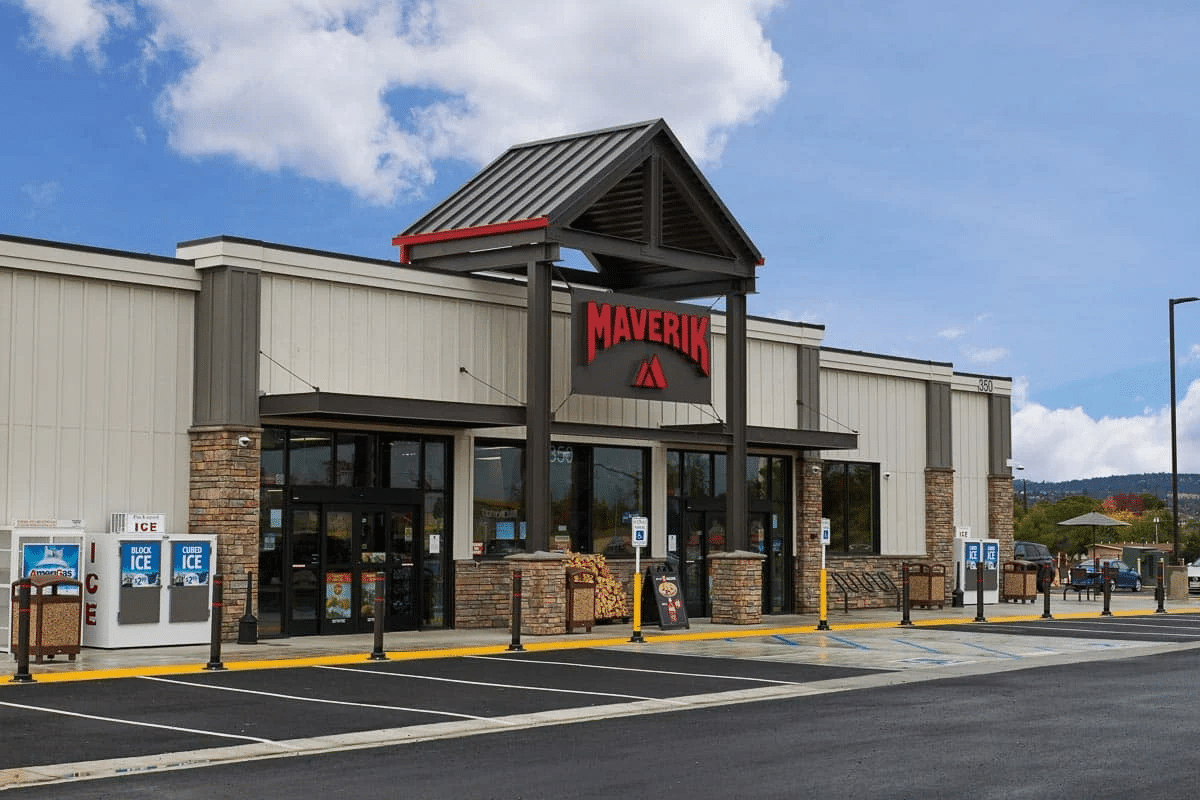
6 Gas Station Chains With Food So Good It’s Worth Driving Out Of Your Way For
We scoured the Internet to see what people had to say about gas station food. If you think the only things available are wrinkled hot dogs of indeterminate age and day-glow slushies, we’ve got great, tasty news for you. Whether it ends up being part of a regular routine or your only resource on a long car trip, we have the food info you need.
Let’s look at 6 gas stations that folks can’t get enough of and see what they have for you to eat.