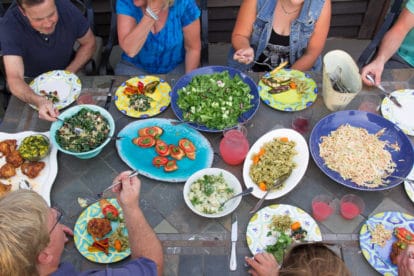
A single bite from your dinner plate could send your dog to the emergency vet, and the numbers show it happens more often than you think.
We all know that look of pure desperation when our dogs stare at us while we eat dinner, begging for just a tiny scrap of whatever is on our plate. It is incredibly hard to resist those puppy eyes, but giving in can sometimes lead to a frantic and expensive trip to the emergency vet clinic. Understanding what is safe and what is toxic is part of the responsibility that comes with having a furry best friend.
Most of us assume that if a food is safe for us to enjoy, it must be okay for our pets to have as a treat, but that logic is unfortunately flawed. Their bodies process compounds differently than ours do, meaning a healthy snack for a human could be a life-threatening poison for a canine. You need to be vigilant about what you drop on the floor because even small amounts of certain foods can cause big problems.
Chocolate

This sweet treat is arguably the most famous dog poison, yet it continues to send thousands of pups to the hospital every single year. The danger comes from theobromine and caffeine, which dogs cannot metabolize effectively, causing their heart rates to skyrocket. According to the ASPCA Animal Poison Control Center, chocolate exposures accounted for 13.6% of all their toxicity calls in 2024.
Dark chocolate and baking chocolate are the biggest offenders because they contain higher concentrations of cocoa solids compared to milk chocolate. If your dog gets their paws on these, you might see vomiting, diarrhea, and in severe cases, seizures or heart failure. It is crucial to keep your stash of sweets on a high shelf where even the most determined snoots cannot reach.
Xylitol

You might not recognize this name immediately, but this artificial sweetener is hiding in sugar-free gum, peanut butter, and even some yogurts. It causes a sudden release of insulin in dogs, leading to a dangerous drop in blood sugar that can happen in minutes. Check the ingredients on your peanut butter jar before stuffing a Kong because this sweetener is often deadly.
Liver failure is another terrifying outcome of xylitol ingestion, and it can occur even if the dog does not show signs of low blood sugar first. Treatment needs to be aggressive and immediate, often requiring hospitalization for several days to monitor liver values. If you suspect your dog ate even a single stick of sugar-free gum, you need to head to the vet right away.
Grapes And Raisins

These tiny fruits are baffling to veterinarians because the exact toxic substance within them remains a bit of a mystery. Some dogs can eat a handful without issue, while others can go into acute kidney failure after eating just one or two grapes. The risk is simply not worth taking, so you should never use these as treats during training sessions.
The financial cost of treating this toxicity can be shocking if your dog needs dialysis or days of fluid therapy to save their kidneys. Data from Southern Cross Pet Insurance suggests the average claim for treating grape or raisin toxicity hovers around $610. Keep fruit bowls out of reach and watch out for oatmeal cookies that might look like chocolate chip ones to a hungry dog.
Onions And Garlic

These kitchen staples add flavor to our meals, but they damage a dog’s red blood cells and can cause serious anemia. It does not matter if the onion is raw, cooked, or powdered, as the toxic components are strong enough to cause harm in any form. You might not notice symptoms for a few days, but your dog could become lethargic and have pale gums.
Garlic is considered to be five times more potent than onions, making it a significant hazard for curious pets. While a tiny bit of garlic powder in a dropped piece of food might not kill them, regular doses add up over time. Be very careful with seasoned table scraps, as many dishes contain hidden onion powder that you might forget about.
Alcohol

It might seem funny in movies to see a dog sip a beer, but in real life, alcohol poisoning is a serious medical emergency for pets. Their livers are not equipped to process alcohol, and even small amounts can cause respiratory failure, comas, and dangerously low body temperature. Nationwide pet insurance data shows that the average veterinary claim for alcohol toxicity is $869, proving this is a costly mistake.
The danger is not limited to beer and wine, as unbaked yeast dough and certain syrups also contain alcohol that can affect your pet. Signs of trouble include vomiting, stumbling, and disorientation, which look similar to drunkenness in humans but are far more dangerous. Keep your cocktails and glasses on high tables during parties to prevent your dog from taking a sneak sip.
Avocados

This trendy superfood contains a fungicidal toxin called persin, which can cause vomiting and diarrhea in many dogs. While the flesh itself has lower amounts of persin compared to the skin and pit, it is still too risky to share with your four-legged friend. The high fat content in the flesh can also trigger pancreatitis, which is a painful inflammation of the pancreas.
The biggest physical danger, however, is the large pit in the center, which is a major choking hazard and can block the intestinal tract. If a dog swallows the pit, it almost always requires surgery to remove it before it causes a rupture. You should dispose of avocado skins and pits in a secure trash can that your dog cannot open.
Cooked Bones

We often picture dogs chewing on bones in cartoons, but cooked bones are actually one of the most dangerous things you can give a pet. Cooking makes the bone brittle, causing it to splinter into sharp shards that can puncture the stomach or throat. These splinters can cause massive internal bleeding and frequently lead to life-threatening infections in the abdomen.
Veterinary bills for fixing the damage caused by cooked bones are often astronomical due to the complexity of the surgeries required. Data from Southern Cross Pet Insurance indicate that more than half of the claims related to bone ingestion exceed $1,000. Stick to durable chew toys designed for dogs and throw those T-bone steak remnants directly into the outside bin.
Caffeine

Your morning coffee might be the only thing keeping you going, but that same jolt of energy can be toxic to your dog. Dogs are much more sensitive to the effects of caffeine than humans are, and ingestion can lead to hypertension and tremors. You should never let your dog lick the foam off your latte or drink from an unattended energy drink can.
Save this article
Symptoms can start as restlessness and rapid breathing, but can quickly progress to dangerous heart arrhythmias and seizures. The stimulant effect lasts a long time in their bodies, meaning they suffer for hours after consumption. Be mindful of where you leave used coffee grounds, as the concentrated caffeine in them is extremely hazardous.
Macadamia Nuts

These rich nuts are often found in cookies and candies, but they cause a frightening reaction in dogs that includes weakness and an inability to walk. Within twelve hours of eating them, a dog might look like they are paralyzed in their back legs. Veterinarians still do not know exactly why these nuts are toxic, but the effects are consistent and terrifying for owners.
Alongside the muscle weakness, dogs often experience vomiting, tremors, and a high fever that makes them miserable. The good news is that most dogs recover with supportive care, but it is a scary ordeal that no owner wants to experience. Check the ingredients of any nut mixes you have at home to make sure these dangerous nuts are not included.
Corn Cobs

Corn on the cob is a barbecue favorite, but the cob itself is a notorious cause of intestinal blockages in dogs. The cob does not break down in the stomach, and its cylindrical shape is the perfect size to get stuck in the small intestine. Nationwide reports that the average claim paid for corn cob removal surgery is more than $1,300.
If a blockage occurs, the food and gas build up behind the cob, causing the intestine to stretch and potentially lose blood flow. This is a surgical emergency that cannot wait until morning, so prevention is your best defense. Slice the corn off the cob for your dog if you really want to share, but discard the cob immediately.
Milk And Dairy

Many dogs are lactose intolerant, meaning they lack the enzyme needed to properly digest the sugar found in milk. While a small lick of ice cream might just cause gas, larger amounts can lead to severe diarrhea and abdominal pain. You might think you are giving them a treat, but you are likely giving them a very upset stomach instead.
Cheese is a high-value treat for many trainers, but it is high in fat and can contribute to obesity and other health issues if given too freely. If you must give dairy, opt for plain yogurt in small amounts, as it has less lactose. Watch your dog closely for signs of digestive distress after they eat any dairy products.
Raw Meat And Eggs

Feeding raw diets is a controversial topic, but the risk of bacterial contamination like Salmonella and E. coli is a proven concern for both pets and owners. These bacteria can make your dog incredibly sick with bloody diarrhea and vomiting, and they can also spread to humans in the house. The American Veterinary Medical Association discourages feeding raw animal-source proteins due to these significant health risks.
Beyond bacteria, raw eggs contain an enzyme that can interfere with the absorption of biotin, leading to skin and coat issues over time. While dogs have strong stomach acid, they are not immune to foodborne illnesses that send humans to the hospital. Cooking meat thoroughly is the safest way to provide protein without inviting dangerous pathogens into your home.
Salt

Excessive salt intake leads to a condition called sodium ion poisoning, which is much more severe than just being thirsty. Eating a lot of pretzels, chips, or even play-dough can cause vomiting, diarrhea, tremors, and seizures. If your dog eats a large amount of salt, their brain cells can swell due to fluid imbalance, which is often fatal.
You have to be careful with processed foods like ham or bacon, which are loaded with sodium that a dog’s small body cannot handle. Even drinking ocean water at the beach can trigger this toxic reaction in a short amount of time. Always provide plenty of fresh water and avoid giving your dog salty snack foods.
Yeast Dough

Unbaked bread dough is a double threat because it expands in the warm environment of a dog’s stomach, causing bloat. As the yeast ferments, it produces alcohol, which leads to the alcohol poisoning we discussed earlier. This combination of physical expansion and chemical intoxication creates a life-threatening situation that requires emergency surgery.
The dough can stretch the stomach to the point where blood flow is cut off, causing tissue death and extreme pain. You might see your dog retching without bringing anything up, which is a classic sign of bloat. Let your bread rise in the microwave or oven where your counter-surfing dog cannot get to it.
Peach And Plum Pits

Stone fruits like peaches, plums, and apricots contain cyanide in their pits, which is obviously toxic. However, the more common danger is that the hard pits cause obstructions in the digestive tract or chipped teeth. The cyanide is only released if the pit is chewed open, but the physical blockage can happen if the pit is swallowed whole.
Signs of cyanide poisoning include dilated pupils and bright red gums, caused by the body’s inability to use oxygen properly. Most dogs swallow the pit too fast to chew it, leading to expensive surgeries to remove the foreign object. Slice these fruits up before sharing them, and make sure the pits go straight into a secure compost bin.
Human Food And Drinks

The sheer volume of calls regarding human food shows just how often our leftovers end up causing harm. It is easy to think a little bit won’t hurt, but the data prove that our diets are fundamentally incompatible with theirs. Human food and drinks remained the number two toxin in 2024, accounting for 16.1% of all exposures reported to the ASPCA.
We have to shift our mindset from sharing food as love to protecting it as love. There are plenty of dog-safe treats that won’t land you in the emergency room at 2 AM. Resist those begging eyes and stick to treats that are made specifically for their digestive systems.
Disclaimer: This list is solely the author’s opinion based on research and publicly available information. It is not intended to be professional advice.
Like our content? Be sure to follow us.