

The talent wars are raging, and while companies scramble to hire and retain workers, one demographic is quietly getting pushed out of the labor market: older workers. Recent surveys have shown that 64% of employees over the age of 50 believe age discrimination plays a role in their job search, and nearly 90% of employees over 50 report feeling pressured to downplay their age or experience during interviews.
The exclusion of older workers is no longer just the subject of anecdotal horror stories; it’s a systemic issue prevalent across many industries. This troubling trend isn’t new, but the COVID-19 pandemic has accelerated its impact. Here are 15 industries that have a longstanding history of avoiding the hiring or retention of older employees, despite being poised for significant growth.
Technology

Stereotypes about tech companies often highlight the pervasive issue of age bias, casting a shadow over Silicon Valley. Experience, ironically, is sometimes dismissed as if it were the punchline of a satirical Onion story, suggesting that seasoned professionals who have spent decades honing their programming skills can’t possibly keep up with modern advancements.
ManpowerGroup reports that 78% of employers in IT are struggling to hire because of a misalignment between the skills in demand and those available in the candidate pool. Recruiters have reportedly responded to the talent shortage by tweaking job descriptions to indicate unspoken age preferences through phrases like “digital native” or “high-energy environment”.
Finance and Banking

In an industry where jobs are being automated faster than customer service calls, traditional banking jobs for individuals over 50 are becoming increasingly scarce. Finance, once a safe career path that many professional parents guided their children toward, has been equally ruthless to its experienced workers.
Banks’ digital transformations, which have reduced decades of human interaction and the cultivation of relationships to algorithms, have been particularly harsh on older workers. Retirement Living reports that age discrimination cases in finance are up 23%, which indicates that the issue runs deeper than just technological obsolescence.
Retail

The retail industry is facing a significant upheaval as the rise of e-commerce continues to disrupt traditional retail jobs. However, this transformation isn’t affecting all retail roles equally. For older workers, the outlook is particularly challenging, as the changing retail landscape presents uncertain prospects.
Brick-and-mortar stores continue to adapt to the shift in business to e-commerce and the influx of new technology in their physical locations. The days of being a store manager are long gone, with many preferring workers who can juggle between customers, social media, and stock-taking.
Public Administration

Many government employees start their careers with the intention of staying until retirement, reflecting an industry that deeply values long-term commitment and stability. However, government restructuring over the past several years has had outsized consequences for older workers who have spent their entire professional lives in public administration.
The Centre for Ageing Better has found that while older workers aged 50 and above make up a growing proportion of the workforce in the public administration sector, many of these workers are prematurely leaving the workforce, especially around retirement age.
Manufacturing

The manufacturing industry faces a puzzling contradiction: despite a growing number of job vacancies and an urgent need for talent, older workers often struggle to secure employment. This paradox highlights two critical challenges: an aging workforce and a significant shortage of young talent to fill the gaps.
As manufacturing has undergone its modernization drive in the 2020s, a growing skills gap has emerged, where older workers have been left behind by the integration of new computer systems and robotics, and younger workers have not been able to acquire the hands-on experience that can only be gained through decades on the factory floor.
Construction

The construction industry is facing a looming challenge: a significant portion of its workforce is nearing retirement. According to the National Center for Construction Education & Research, an estimated 41% of the current construction workforce is expected to retire by 2031, leaving a substantial gap to be filled.
Physical safety issues and insurance liability concerns are deterring companies from hiring more over-50s for physically demanding roles. The construction sector’s current average worker age is 42, but the proportion of the workforce over 55 continues to decline every year.
Hospitality

The hotel and restaurant industry’s move toward younger workers is a silent one, but it’s real and driven by physicality requirements and the need for staff who are at peak energy all the time.
Tighter margins have led to an exponential increase in physical demands on hospitality workers in recent years. With fewer staff to do the same work, hotels must compensate by increasing efficiency and endurance.
Legal Services

Law firms are increasingly shifting their focus toward younger talent as automation and consolidation within corporate legal giants redefine the industry. A 2025 article by Esquire Talent highlights that firms now prioritize criteria like “strategic fit” and “client loyalty” when hiring.
However, these vague terms often create a preference for mid-career candidates aligned with the firm’s long-term growth strategies. Meanwhile, demanding billable hour requirements and intensive research expectations can subtly reinforce age biases within the recruitment process.
Transportation

The transportation industry is undergoing significant disruption due to automation and shifting regulations, creating a challenging environment for older workers.
Several trends are driving the displacement of older drivers. Uncertainty surrounding the future of vehicle automation, delayed by both technological overconfidence and safety concerns, has often been used as a pretext to sideline older employees. These changes highlight a growing tension in the sector, where innovation is advancing rapidly but not always equitably.
Healthcare Administration

Save this article
Non-clinical healthcare support jobs have become de facto digital labor. Hospitals have had to compete with retail and tech companies in their pursuit of overqualified workers who possess digital fluency alongside years of experience.
The rapid adoption of electronic health records, automated billing, and insurance verification programs has eliminated many career-long jobs that once provided older workers with a stake in the booming healthcare system. Aon’s analysis of U.S. hospital employers has shown that the top 25 hospitals in the U.S. are three times more likely to recruit talent with digital skillsets than the industry average.
Insurance

Insurance companies represent another major industry pushing out older workers by favoring a younger workforce.
This trend is deeply rooted in the industry’s shift to cloud-based systems and the need for employees proficient in programming and automation tools. As these businesses modernize their legacy systems, they increasingly prioritize hiring “digital natives” who possess the technical skills to navigate these advanced technologies
Education

Teachers and professors, traditionally in the public sector or at the heart of long-term relationships with students and families, have been particularly hard hit by age discrimination in education. Teacher How has cited Department of Education data that estimates the median age of teacher retirement is now 58.
This aligns with the more familiar number often cited in teacher exit surveys, which states that the average teacher retires at age 59. This is still well before the average national retirement age of 62 to 64 for other industries.
Media & Advertising

Ageism in the advertising industry is no surprise to anyone over 30 who has had to watch Mad Men and The Newsroom and see a hyperbolized version of what they already knew.
Creative departments in advertising have long advised workers over 50 to retire or at least take on the role of institutional elder, being held in consultative contempt.
Telecommunications

The telecom industry has gained a troubling reputation for widespread age discrimination against older workers. The sector faced significant setbacks during the COVID-19 pandemic, which disproportionately affected both seasoned professionals and younger, digitally savvy employees.
New data reveals that 90,471 employees have already faced layoffs in 2025, following a global total of 280,991 job losses in 2024.
Oil and Gas

The oil and gas industry’s infamous boom and bust cycle has given rise to an environment that often discourages hiring older workers. Over the last several years, older workers in the oil and gas industry have faced significant challenges, as industry consolidation and dramatic cost-cutting have led to the elimination of many previously stable jobs that these workers have long relied on.
In fact, according to a general summary on retirements and the shrinking oil and gas workforce across North America, this trend will likely continue, with an estimated 22% of Canada’s oil and gas workforce expected to retire by 2030.
Key Takeaway

One doesn’t have to look too hard to find industries that systematically discriminate against older workers. While companies and organizations may be legally prohibited from discriminating based on age, they have found clever ways to restructure their hiring practices that have drastically changed the makeup of industries once thought to be relatively safe havens for older workers.
The consequences of this trend are not just the generation of older workers who may have difficulty making ends meet later in life; organizations that fire their most experienced and qualified staff so readily will suffer from their mistake when their institutional knowledge, customer relationships, and rock-solid experience are lost.
Disclaimer – This list is solely the author’s opinion based on research and publicly available information. It is not intended to be professional advice.
16 Grocery Staples to Stock Up On Before Prices Spike Again

16 Grocery Staples to Stock Up On Before Prices Spike Again
I was in the grocery store the other day, and it hit me—I’m buying the exact same things I always do, but my bill just keeps getting higher. Like, I swear I just blinked, and suddenly eggs are a luxury item. What’s going on?
Inflation, supply-chain delays, and erratic weather conditions have modestly (or, let’s face it, dramatically) pushed the prices of staples ever higher. The USDA reports that food prices climbed an additional 2.9% year over year in May 2025—and that’s after the inflation storm of 2022–2023.
So, if you’ve got room in a pantry, freezer, or even a couple of extra shelves, now might be a good moment to stock up on these staple groceries—before the prices rise later.
6 Gas Station Chains With Food So Good It’s Worth Driving Out Of Your Way For
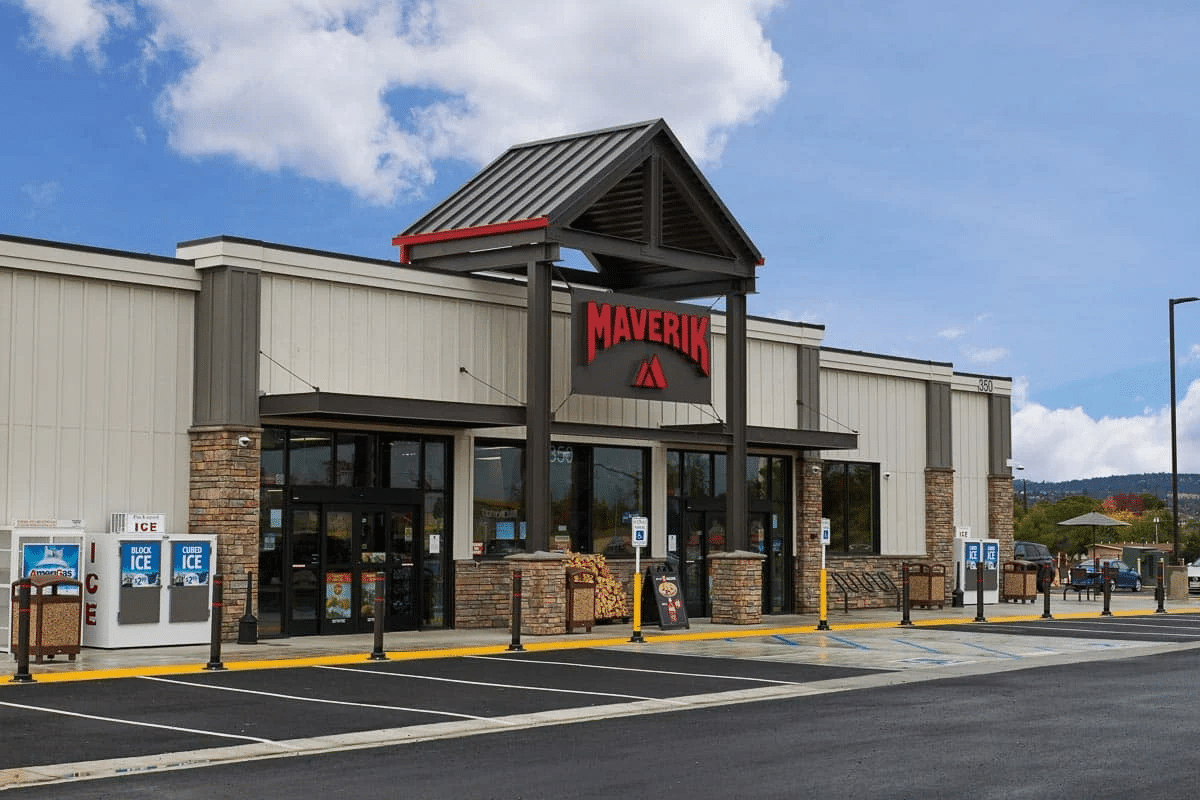
6 Gas Station Chains With Food So Good It’s Worth Driving Out Of Your Way For
We scoured the Internet to see what people had to say about gas station food. If you think the only things available are wrinkled hot dogs of indeterminate age and day-glow slushies, we’ve got great, tasty news for you. Whether it ends up being part of a regular routine or your only resource on a long car trip, we have the food info you need.
Let’s look at 6 gas stations that folks can’t get enough of and see what they have for you to eat.