

The transfer of wealth between generations is hitting record highs, but so are disputes over inheritances. Family dynamics, financial complexities, and poor planning make the whole process a recipe for potential disaster.
A study revealed that 35% of adults in America have either experienced or know someone who faced family disputes over inheritance planning, and more than 11,300 wills were challenged in the UK last year alone. Here are the 15 inheritance decisions that spark tension within families and actionable strategies to avoid turning estate planning into a war zone.
No Will or Estate Plan

When someone dies without a legally binding will, their estate is thrust into probate court, where state laws dictate who inherits what. This process often leads to confusion, delays, and bitter disputes among family members, especially when the court’s decisions don’t reflect the deceased’s true intentions.
Famous cases like Prince’s estate, which lacked a will, dragged on for years in court and fractured relationships. To avoid this turmoil, work with a qualified estate planning attorney to draft a clear, legally sound will and update it every 3–5 years or after major life changes like marriage, divorce, or the birth of a child.
Unequal Distribution of Assets

Unequal inheritance can spark deep resentment and fracture family bonds. Whether it’s rewarding a child who provided care or helping one facing financial hardship, perceived favoritism often overshadows good intentions. Over 44% of families experience inheritance disputes, with poor communication cited as a major factor.
Long-standing sibling rivalries and emotional attachments to specific assets can intensify the fallout, turning grief into legal battles. To avoid this, estate planners strongly recommend discussing your decisions openly with heirs and documenting your rationale in a non-binding letter of explanation.
Ignoring Sibling Rivalries

Sibling rivalries that simmer for years can erupt into full-blown inheritance battles when emotions and money collide. Research shows that most estate disputes occur between siblings, often fueled by unresolved childhood tensions and perceived favoritism. Even small decisions can trigger feelings of betrayal and ignite long-standing grievances.
Estate planners emphasize that fairness doesn’t always mean equal distribution; what matters most is clarity and communication. Experts strongly advise discussing your intentions openly with heirs and documenting your reasoning to reduce misunderstandings and legal challenges.
Last-Minute Will Changes

Making last-minute changes to your estate plan, especially under pressure or declining health, can spark serious conflict among heirs. Courts frequently scrutinize late alterations for signs of undue influence or diminished capacity, particularly when new beneficiaries suddenly appear or long-standing ones are removed.
Legal experts warn that such changes often trigger will contests, leading to costly litigation and fractured family ties. To avoid this, estate planners strongly recommend finalizing your will while you’re mentally and physically sound, ideally with independent medical evaluations to confirm capacity.
Disinheritance or Surprise Exclusions

Disinheriting a close family member without warning is a proven trigger for legal disputes and lasting emotional damage. Probate attorneys consistently report that unexpected exclusions from a will often lead to challenges based on claims of undue influence or diminished capacity.
Courts in the U.S. and UK have seen a steady rise in inheritance litigation, especially when disinheritance isn’t clearly explained or communicated. To reduce the risk of conflict, experts recommend documenting your reasons in a legally sound will. Open conversations with family members before finalizing your estate plan can foster understanding and prevent feelings of betrayal.
Choosing Family Members as Executors Without Consensus

Choosing one child over another as executor can unintentionally stir up old wounds, especially in families with a history of rivalry or unresolved tension. Probate disputes often arise when siblings feel sidelined or suspect favoritism, with accusations of mismanagement becoming a common flashpoint.
Studies in estate litigation show that even well-meaning executors can face backlash if their decisions aren’t clearly explained or perceived as biased. Appointing a neutral or professional executor can reduce conflict and ensure the estate is administered impartially and efficiently. However, if you prefer to keep the role within the family, transparency is key: explain your choice and set clear expectations in writing to guide the executor’s actions.
Vague or Generic Will Language

“Divide equally” might sound fair, but when it comes to sentimental possessions like heirlooms, jewelry, or the family home, it’s a recipe for conflict. Probate experts confirm that personal items often carry emotional weight far beyond their monetary value, making them the most disputed assets during estate settlement.
Ambiguous language in wills, such as vague references to “my belongings,” can lead to misinterpretation, legal challenges, and fractured relationships. To avoid this, estate planners strongly recommend specifying exactly who receives each item, even if it seems trivial—because what’s mundane to one person might be priceless to another.
Blended Families and Stepchildren

Blended families bring both love and legal landmines. When wills use vague terms like “my children” or “family,” biological children, stepchildren, and surviving spouses may interpret them differently, sparking bitter disputes. Stepchildren have no automatic inheritance rights under intestacy laws in many jurisdictions unless they’re legally adopted or explicitly named in a will or trust.
Estate planners warn that failing to update documents after marriage, divorce, or the birth of new children can unintentionally disinherit loved ones. Courts have seen surviving spouses change wills to exclude children from previous relationships, especially when estate plans weren’t contractually binding.
Not Updating Beneficiaries

Outdated beneficiary designations can quietly sabotage even the most carefully crafted wills. That’s because beneficiary forms on life insurance policies, retirement accounts, and pensions legally override the instructions in your will. It’s not uncommon for assets to end up in the hands of an ex-spouse or deceased relative simply because the paperwork was never updated.
Estate planners warn that this oversight can lead to costly probate battles, emotional fallout, and unintended financial consequences for your loved ones. Experts recommend reviewing and updating beneficiary details annually or immediately after major life events like marriage, divorce, the birth of a child, or a job change.
Save this article
Disputes Over Property Valuation

Real estate and high-value assets, such as businesses, often become emotional battlegrounds during inheritance. Siblings may clash over buyout strategies or dispute sale prices, especially when no precise valuation exists. Experts strongly advise obtaining professional appraisals to establish fair market value, as relying on outdated tax assessments or online estimates can fuel resentment.
Including valuation guidelines in your estate plan—such as appraisal requirements or formulas for calculating buyouts—can prevent confusion and protect family harmony. Estate planners also recommend outlining co-ownership options or buy-sell agreements to give heirs a roadmap for managing shared assets.
Executor or Trustee Mismanagement

Trusting a single individual to manage your estate might seem practical, but it can backfire if family members question their decisions or integrity. Executors and trustees hold fiduciary duties to act in the best interests of all beneficiaries. Yet, accusations of favoritism, secrecy, or mismanagement are among the most common triggers for probate litigation.
Misconduct can include withholding inheritances, misappropriating assets, or failing to communicate transparently. To avoid this, estate planners increasingly recommend appointing impartial parties or professional fiduciaries, especially in complex or emotionally charged situations. Professional executors are trained to navigate legal and financial intricacies while maintaining neutrality, which helps prevent disputes and ensures compliance with the will’s terms.
Ambiguous Gifts and Promises

“Dad said I’d get the cottage.” It’s a familiar refrain, and one that’s sparked countless inheritance battles. Courts generally refuse to enforce verbal promises about property or assets, citing the Statute of Frauds, which requires such agreements to be in writing to be legally binding.
Legal experts warn that vague recollections or secondhand testimony rarely hold up in court, especially when the person who made the promise is no longer alive to clarify their intent. To avoid this emotional and legal fallout, estate planners strongly advise writing down every decision and formalizing it through wills, trusts, or inheritance letters.
Ignoring Debts and Taxes

Unpaid debts and unresolved tax bills can fracture families. When an estate lacks enough assets to cover liabilities, executors are legally required to prioritize payments to creditors and tax agencies before distributing anything to heirs. This often means selling off property or investments under pressure, which can trigger resentment and finger-pointing among beneficiaries.
According to the IRS and probate guidelines, tax obligations persist after death. They must be addressed by the estate, not ignored. That’s why experts urge individuals to document all liabilities, estimate future taxes, and outline how those payments will be handled.
Failing to Discuss Your Estate Plan

Inheritance decisions made in isolation often backfire, triggering confusion and emotional fallout among loved ones. Research from England shows inheritance disputes have steadily increased since 1985, with sibling rivalry and contested asset distributions being common flashpoints.
Studies also reveal that 50.6% of families without a valid will judged the estate’s outcome as unfair, compared to just 13.7% when a will was in place. Open communication can significantly reduce the risk of court battles, as families are more likely to accept decisions they’ve had time to understand and process.
Refusing Mediation or Alternative Dispute Resolution

Inheritance disputes in the U.S. can spiral into years of litigation, with probate cases often lasting 16 months or longer and costing tens of thousands in legal fees. Mediation offers a faster, less adversarial alternative, resolving conflicts in weeks rather than years, and at a fraction of the cost.
According to the American Bar Association, clients involved in crafting mediated settlements report significantly higher satisfaction, as they retain control over outcomes and avoid unpredictable court rulings. Estate planning experts also note that mediation helps preserve family relationships, especially in emotionally charged disputes involving undue influence or contested wills.
Disclaimer – This list is solely the author’s opinion based on research and publicly available information. It is not intended to be professional advice.
16 Grocery Staples to Stock Up On Before Prices Spike Again

16 Grocery Staples to Stock Up On Before Prices Spike Again
I was in the grocery store the other day, and it hit me—I’m buying the exact same things I always do, but my bill just keeps getting higher. Like, I swear I just blinked, and suddenly eggs are a luxury item. What’s going on?
Inflation, supply-chain delays, and erratic weather conditions have modestly (or, let’s face it, dramatically) pushed the prices of staples ever higher. The USDA reports that food prices climbed an additional 2.9% year over year in May 2025—and that’s after the inflation storm of 2022–2023.
So, if you’ve got room in a pantry, freezer, or even a couple of extra shelves, now might be a good moment to stock up on these staple groceries—before the prices rise later.
6 Gas Station Chains With Food So Good It’s Worth Driving Out Of Your Way For
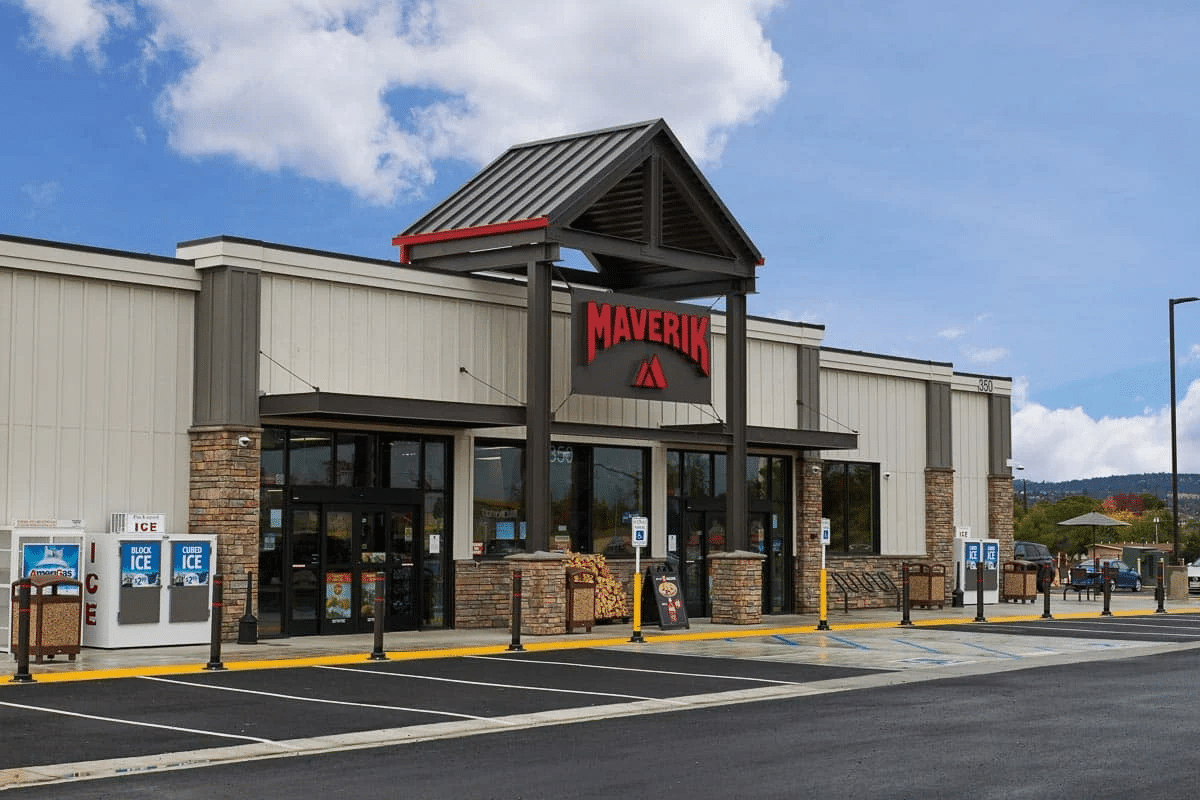
6 Gas Station Chains With Food So Good It’s Worth Driving Out Of Your Way For
We scoured the Internet to see what people had to say about gas station food. If you think the only things available are wrinkled hot dogs of indeterminate age and day-glow slushies, we’ve got great, tasty news for you. Whether it ends up being part of a regular routine or your only resource on a long car trip, we have the food info you need.
Let’s look at 6 gas stations that folks can’t get enough of and see what they have for you to eat.