

Hey, fellow history buff—ever wondered how folks in the old west managed to survive without a Starbucks on every corner or Postmates dropping off lunch? Sit back, grab a snack (trust me, pioneers would approve), and let’s chat about the foods that kept those trailblazers going strong.
I’ve geeked out on old journals, expert interviews, and modern data, so you know we’re serving up the real deal. Imo, some of these foods could make a comeback—though I’m still on the fence about eating calf’s foot jelly.
Beans: the authentic MVP

Let’s kick things off with beans. Cowboys and settlers swore by these little guys—high in protein, easy to carry, and nearly indestructible on a long journey. One pot could feed a camp, and you’d still have leftovers (assuming you didn’t have a hungry neighbor lurking around).
Beans still pack a nutritional punch today, with just one cup delivering 239 calories and essential minerals. Ever thought about the bean’s superpower? You can eat them plain, in stews, or even baked with salt pork.
Salt pork (sowbelly): fat you actually wanted

Pioneers loved salt pork—that fatty, salty slab might sound a little gross, but when you’re days away from a town, you don’t get picky. Salt preserved the meat for a much longer time than fresh meat could ever last.
I watched a documentary where cowboys called it “bacon’s gnarly cousin.” Guess what? You’ll find sowbelly mentioned in old cowboy songs. It’s like the og superfood: energy, fat, and yum (as long as you’re a salt fan).
Cornbread, johnnycake, and hoecakes: carb heaven

Corn reigned supreme out west. Pioneers whipped up cornbread, johnnycakes, and hoecakes over campfires—imo, nothing beats a fresh hoecake for breakfast. You could toss cornmeal into anything: bread, mush, even desserts. Cheap, filling, and easy to grow. How did corn become so legendary? Early settlers made it their staple because wheat flour was rare and expensive.
Potatoes: the all-purpose hero

Settlers planted potatoes everywhere they went because spuds could thrive where little else would. Pioneers boiled, roasted, baked, and fried potatoes, storing them for months in root cellars.
Nutritionally, one medium potato delivers about 26 mg of vitamin C, 620 mg of potassium, and 2 grams of fiber, making it a valuable source of energy and essential nutrients. Their versatility and long shelf life made them a staple in pioneer diets across North America and Europe.
Hardtack and biscuits: teeth optional

Ever tried hardtack? Picture the world’s toughest cracker. Old west journals describe it as “biscuits with attitude”—dry, hard, and practically immortal. Pioneers dipped hardtack in coffee or stew to soften it up (unless you fancied a broken tooth). For variety, sourdough biscuits became camp treats. In my opinion, biscuits are life, even if they come with a side of jaw pain.
Dried meat: jerky for days

Jerky wasn’t just a truck stop snack—it was survival. Cowboys and homesteaders dried venison, buffalo, or beef to preserve it. Some folks claimed a good batch could last six months stored away. Modern nutritionists give dried meat props for protein content and shelf life (just don’t ask the FDA about hygiene standards back then). Ever considered making your own jerky at home? You’re basically living the pioneer dream.
Coffee (and chicory… And whatever else worked)

True story: Pioneers cherished coffee like gold, and in my opinion, priorities were on point. When real coffee ran out, folks got creative—roasting chicory, acorns, and even sweet potatoes for “mock” coffee. Imagine greeting the sunrise on the prairie, sipping something that “tastes almost like coffee, but kinda earthy.” Fyi, chicory root coffee is still a thing down south.
Wild fruits: berry good survival
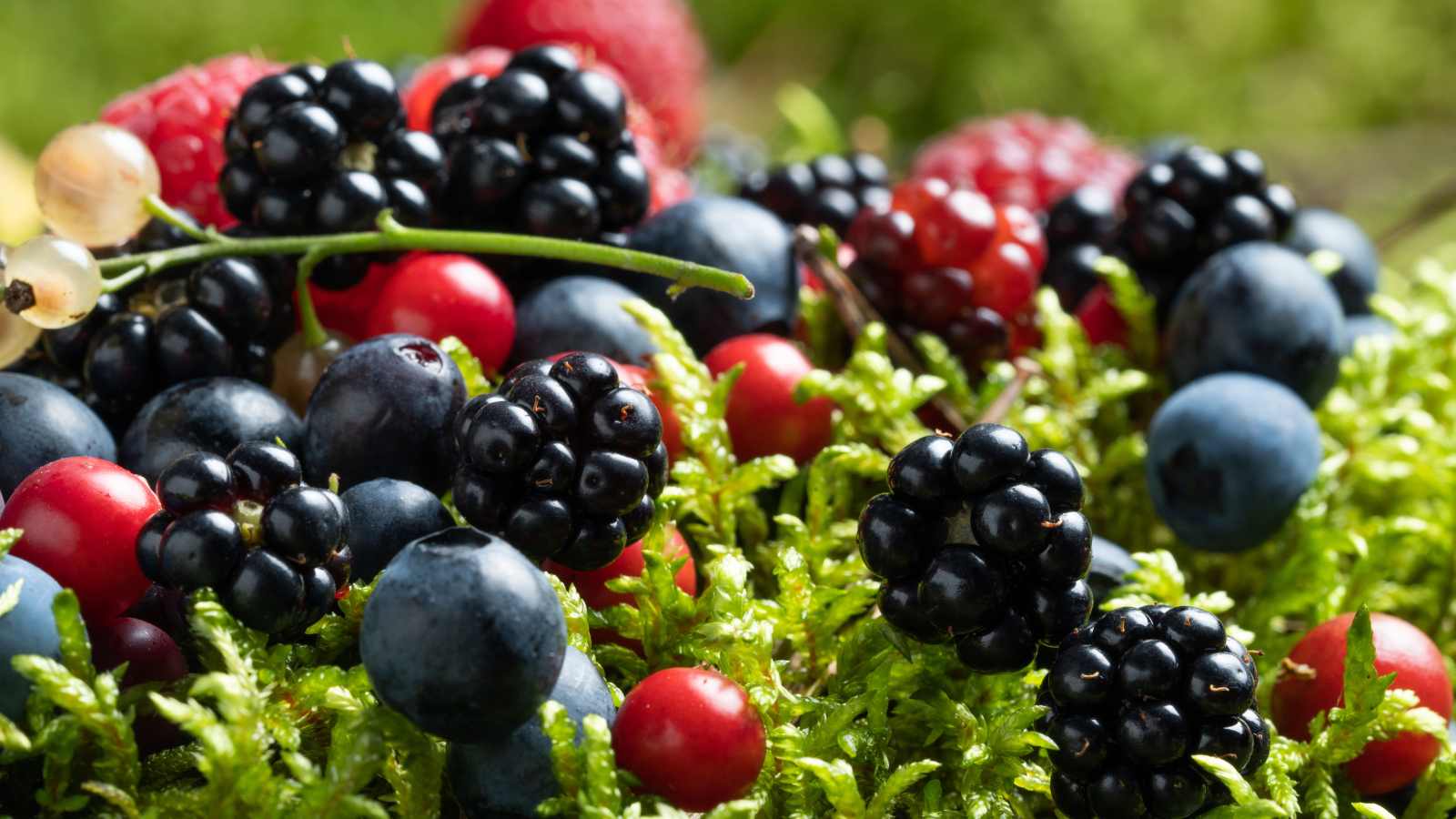
Ever pick wild berries on a hike? Pioneers did it out of necessity, not luxury. Wild berries, apples, and cherries were free vitamin sources, and settlers dried, pickled, or preserved them in jams. Experts say clever foraging kept scurvy at bay (you can bet old newspapers told folks how many berries they needed to eat—talk about pioneer nutrition hacks).
Calf’s foot jelly: gelatin with grit

This one’s kinda wild—calf’s foot jelly (a.k.a. “pioneer jell-o”). Settlers simmered calves’ feet to make a protein-rich gelatin, sometimes adding eggs and spices. I tried it at a reenactment once—let’s say it has “acquired taste” written all over it. Still, it was prized for nutrition and shelf life; rich in collagen, which was believed to aid joint health and digestion.
Save this article
Molasses: the sweet staple

Molasses was the unsung hero of frontier kitchens. In the old west, refined sugar was expensive and complicated to come by, so molasses—rich, dark, and shelf-stable—became the go-to sweetener. It flavored everything from biscuits and beans to stack cakes, which were often layered with apple butter and packed with spice. These cakes weren’t just treats—they were celebrations, especially in Appalachian communities where a “molassy stack cake” was a centerpiece for gatherings.
Prairie oysters (Rocky Mountain oysters): zero waste, maximum guts

Got guts? Pioneers sure did—prairie oysters are actually fried bull testicles. Cowboys called them “the true breakfast of champions.” They originally cooked them fresh after castration events—no waste, just grit and protein.
Over time, they became a badge of honor and a quirky delicacy across the American West. People today still serve them at festivals out west (honestly, I’ll just take their word for it). Even nutritionists admit these delicacies come packed with protein.
Hominy: southern tradition meets western survival

Pioneers and settlers embraced hominy, made by soaking dried corn in an alkaline solution (usually lye or lime) to remove the hulls—a process called nixtamalization. This made the corn more digestible and boosted its nutritional value by increasing calcium and niacin availability.
Hominy showed up in hearty stews, grits, and fried cornmeal cakes like hoecakes, which were popular across the South and later adopted in western territories. Compared to plain cornbread, hominy offered more texture, flavor, and shelf stability, making it a practical and tasty alternative.
Pioneer soup and stews: waste not, want not

Soups and stews dominated pioneer dinners because they made the most of whatever was on hand—bones, wild greens, meat scraps, and root vegetables. Settlers regularly foraged greens like dock, lamb’s quarters, and dandelion, which added flavor and vital nutrients like calcium, iron, and vitamins A and C.
These plants were among the first to appear in spring, offering fresh relief after a winter of preserved foods. Nothing went to waste; even dandelion roots were roasted for coffee substitutes. Pioneers weren’t just surviving—they were cooking with grit, instinct, and serious ingenuity.
Sheep sorrel pie: lemon pie, pioneer edition

Craving lemon pie but stuck miles from citrus? Enter sheep sorrel pie—pioneers used this tart, wild green as a substitute. This tart little weed packs a punch of lemony flavor thanks to its natural oxalic acid content. Settlers got creative with what nature offered. A reenactor once told me sheep sorrel pie “tastes like hope after a long winter”—and who can argue with that?
Acorn bread and substitutes: native knowledge

Pioneers borrowed acorn bread recipes from indigenous peoples, who had long mastered the art of transforming bitter acorns into nourishing flour. Through careful roasting and leaching, they removed the tannins that made acorns unpalatable, then ground them into a usable meal. When wheat and corn ran out, acorn bread stepped up (proof that anything’s possible when you’re hungry). In my opinion, this shows pioneer resourcefulness at its best.
Disclaimer – This list is solely the author’s opinion based on research and publicly available information. It is not intended to be professional advice.
16 Grocery Staples to Stock Up On Before Prices Spike Again
16 Grocery Staples to Stock Up On Before Prices Spike Again
I was in the grocery store the other day, and it hit me—I’m buying the exact same things I always do, but my bill just keeps getting higher. Like, I swear I just blinked, and suddenly eggs are a luxury item. What’s going on?
Inflation, supply-chain delays, and erratic weather conditions have modestly (or, let’s face it, dramatically) pushed the prices of staples ever higher. The USDA reports that food prices climbed an additional 2.9% year over year in May 2025—and that’s after the inflation storm of 2022–2023.
So, if you’ve got room in a pantry, freezer, or even a couple of extra shelves, now might be a good moment to stock up on these staple groceries—before the prices rise later.
6 Gas Station Chains With Food So Good It’s Worth Driving Out Of Your Way For
6 Gas Station Chains With Food So Good It’s Worth Driving Out Of Your Way For
We scoured the Internet to see what people had to say about gas station food. If you think the only things available are wrinkled hot dogs of indeterminate age and day-glow slushies, we’ve got great, tasty news for you. Whether it ends up being part of a regular routine or your only resource on a long car trip, we have the food info you need.
Let’s look at 6 gas stations that folks can’t get enough of and see what they have for you to eat.





