In 2025, the cruise industry expects to host 37.7 million passengers across 310 ships. Yet, many travelers report rising dissatisfaction amid mounting environmental, logistical, and financial concerns. While cruise lines market luxury and adventure, the reality often includes missed ports, hidden fees, and overworked staff.
Popular destinations like Amsterdam and Venice are actively restricting cruise traffic due to pollution and overtourism. Here are 15 reasons why cruises might not live up to the hype.
Skyrocketing costs and hidden fees

Cruise prices have surged, making what once seemed like an affordable luxury significantly more expensive. Cruise lines now charge extra for essentials like gratuities, dining upgrades, and even basic onboard services. For instance, Disney and Royal Caribbean raised daily gratuities to as much as $27 per person, adding hundreds to a family’s final bill.
Add-on expenses like drink packages have seen price jumps of over 30%, effectively blindsiding many travelers. This financial sneak attack leaves passengers feeling nickel-and-dimed throughout their trip.
Overcrowding onboard and in ports

Modern megaships now carry over 7,000 passengers, creating congestion in pools, dining venues, and entertainment zones. Ships like Royal Caribbean’s Icon of the Seas host more guests than many small towns, making quiet moments nearly impossible to find. Popular ports such as Santorini and Dubrovnik regularly see their populations double in a single day due to cruise traffic.
This surge overwhelms local infrastructure and turns cultural excursions into rushed, impersonal group tours. Instead of exclusive experiences, travelers often follow crowds through the same overrun attractions, eroding the appeal of cruise travel.
Declining food quality

Gone are the days when cruise dining felt indulgent. Reviews increasingly describe main dining rooms as uninspired, with cruise lines funneling culinary investment into specialty restaurants that now charge up to $60 per person plus an automatic 18% gratuity. Princess Cruises has raised specialty dining prices by 22–33% since 2020. In contrast, Royal Caribbean and Celebrity Cruises employ dynamic pricing, which can reach $69 per meal.
Budget-conscious travelers face limited options as included venues struggle with overcrowding and rushed service, especially during peak dining hours. Passengers report waitstaff juggling overloaded sections, prioritizing speed over quality, which has dulled the once-celebrated charm of cruise cuisine.
Environmental impact
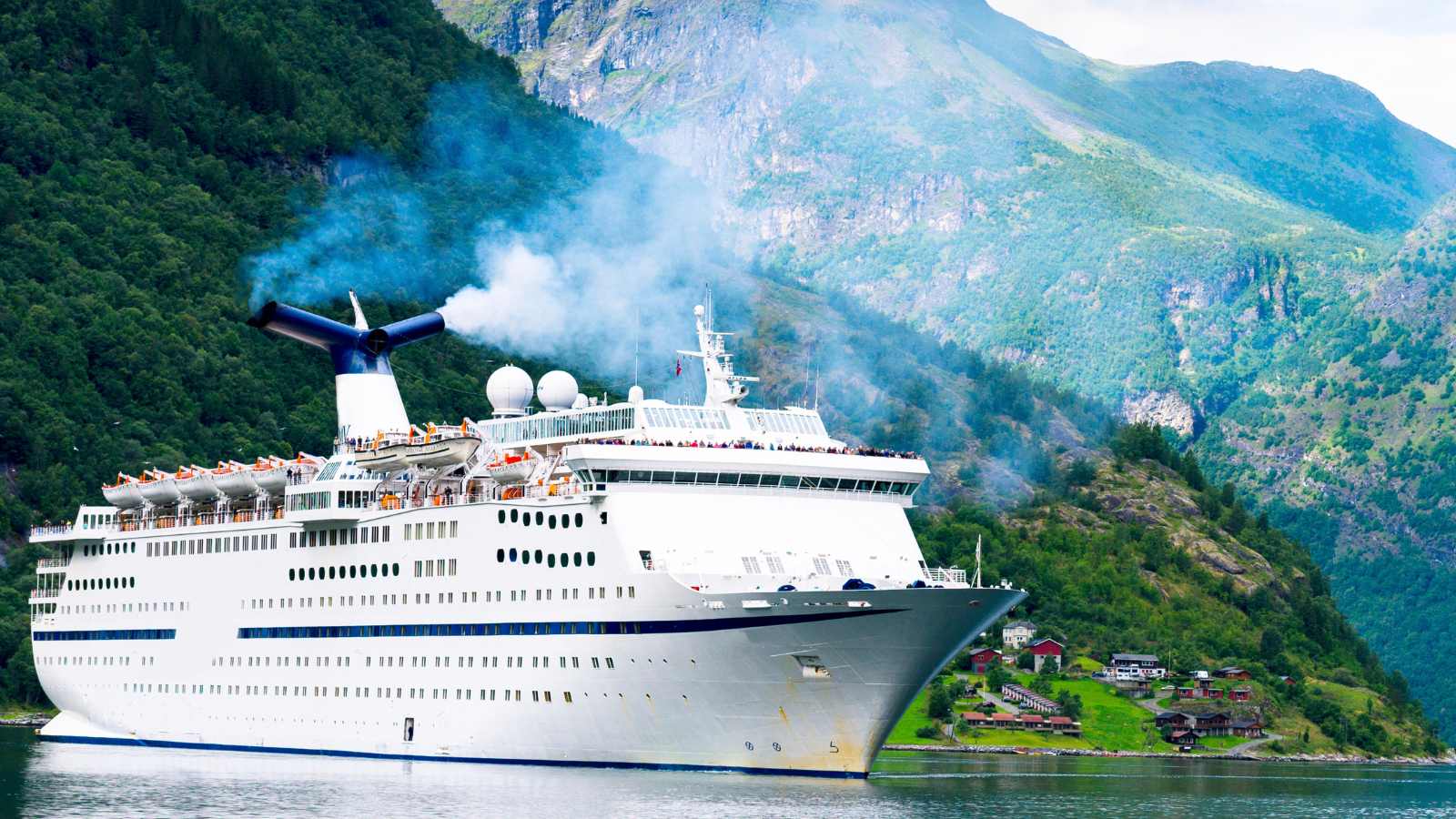
Cruise ships pose a significant environmental threat that many travelers overlook. In 2023, Europe’s 218 cruise ships emitted as much sulfur oxides as 1 billion cars, with Barcelona’s port alone seeing cruise emissions nearly three times higher than all the city’s vehicles combined. These floating cities also discharge over 1 billion gallons of sewage annually, often with minimal treatment, contributing to marine pollution.
Venice banned large cruise ships in 2021, resulting in an 80% drop in air pollutants, while Barcelona remains Europe’s most polluted port due to cruise traffic. For travelers concerned about sustainability, cruising increasingly contradicts the promise of eco-conscious tourism.
Health and sanitation concerns

Despite strong sanitation protocols and high inspection scores, cruise ships continue to face frequent outbreaks of gastrointestinal illness. In the first half of 2025 alone, the CDC documented 17 separate outbreaks, most linked to norovirus, which spreads rapidly in confined environments like ships. Medical centers onboard report that 10% of all passenger visits involve GI illness, often disrupting vacations with symptoms like vomiting and diarrhea.
Passengers frequently describe crowded conditions and shared spaces—such as buffets and public restrooms—as key contributors to illness transmission. While cruise lines now deploy UV disinfection and electrostatic spraying, the risk of getting sick at sea remains a persistent concern.
Onboard crime and security issues

Cruise ship crime continues to rise, with the U.S. Department of Transportation reporting 48 incidents in the first quarter of 2025 alone—including 33 sexual assaults, seven serious physical assaults, and seven thefts over $10,000. Jurisdictional complexity often delays investigations, as maritime law varies by flag state, port nation, and international agreements.
Data shows that approximately one death occurs per 150,000 cruise passengers annually, with causes ranging from natural illness to accidents and rare cases of violence. Travelers who prioritize safety should weigh these risks carefully before booking a cruise.
Limited authentic local experiences
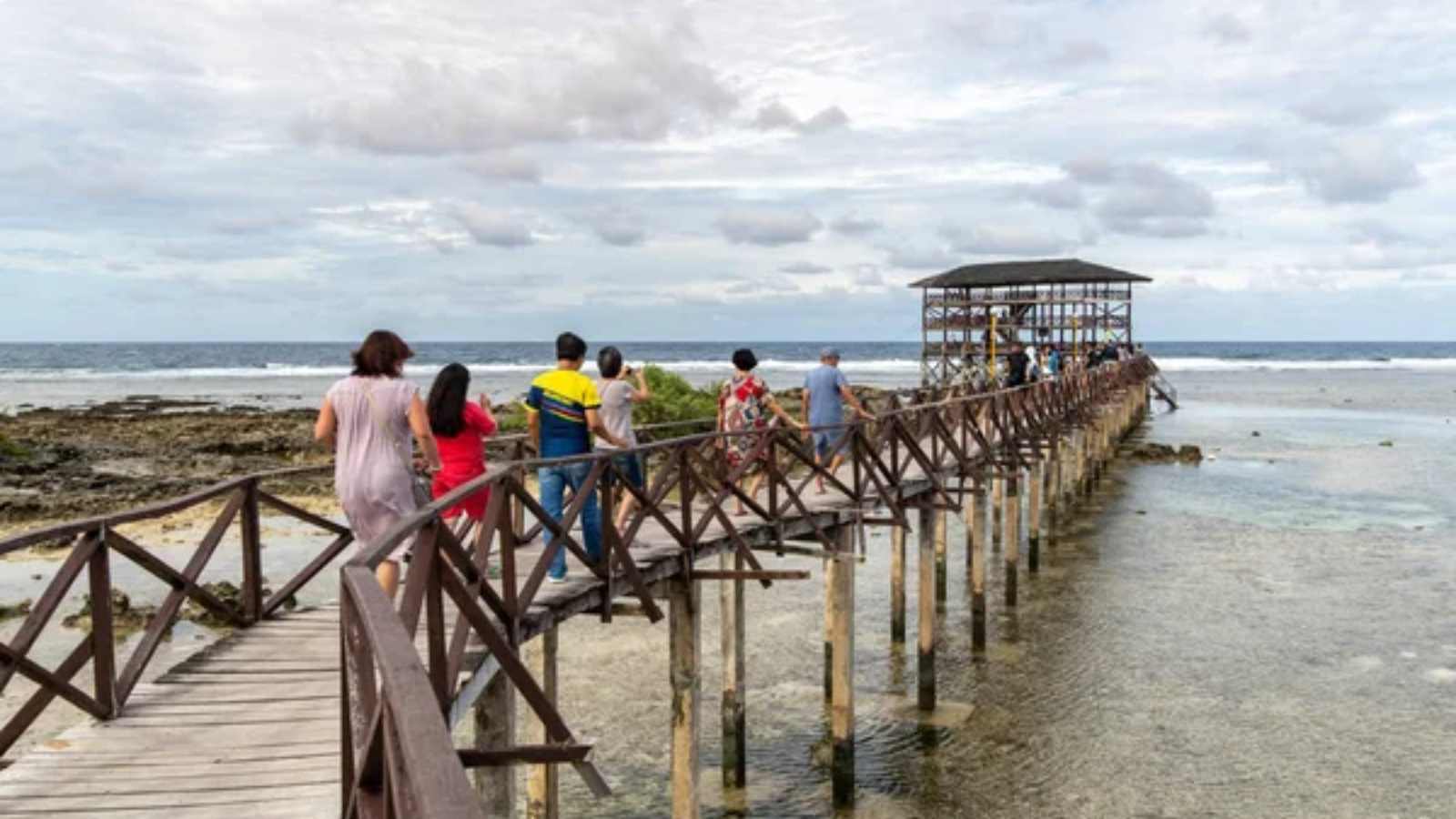
Many cruise lines now prioritize private islands and curated destinations over authentic cultural ports. Royal Caribbean’s CocoCay and Norwegian’s Great Stirrup Cay are fully controlled environments where the cruise brand manages food, shopping, and excursions, limiting exposure to local communities.
These stops allow cruise lines to capture more revenue while reducing logistical complexity. Still, they also restrict passengers from engaging with genuine cultural experiences. Travelers seeking meaningful cultural immersion may find today’s cruise routes increasingly sanitized and disconnected from the regions they visit.
Unpredictable itinerary changes
Save this article
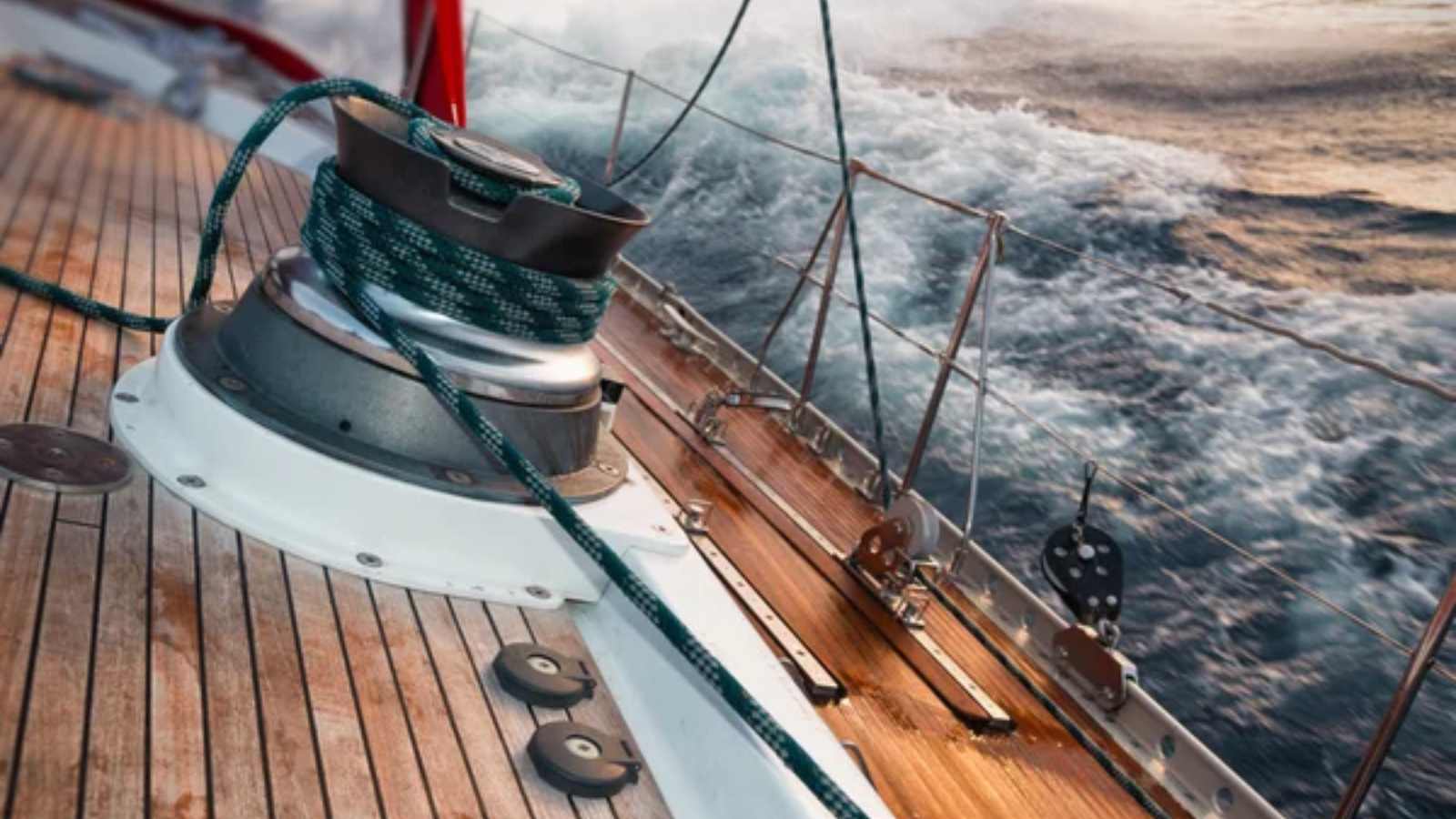
Cruise itineraries remain highly vulnerable to disruption from weather, mechanical failures, and port closures. In early 2025, ships missed multiple scheduled stops due to propulsion issues, overcrowded ports, and storm-related rerouting, often offering minimal compensation beyond port tax refunds or modest onboard credits.
Passengers frequently report frustration when cruise lines bypass anticipated destinations without offering meaningful alternatives. While some lines provide future cruise credits or extended sea days, these adjustments rarely match the value of missed experiences.
Waste and pollution

Cruise ships generate over 1 billion gallons of untreated sewage annually, polluting oceans and threatening marine ecosystems. Despite mounting pressure from environmental groups, transparency around waste management remains limited, with many cruise lines failing to disclose onboard treatment practices.
These vessels also contribute 24% of all solid waste produced by maritime traffic, despite representing just 1% of the global fleet. For travelers concerned about sustainability, cruises pose a significant environmental burden compared to land-based alternatives.
Visa and entry hassles

In 2025, travelers to Europe must navigate stricter visa protocols, including the new ETIAS system, which requires pre-authorization and a €20 fee even for short stays. Cruises that span multiple Schengen countries compound these demands, as passengers must meet entry requirements for each port—even if they don’t plan to disembark.
The EU’s Entry/Exit System (EES), launching in October 2025, adds biometric checks at borders, increasing wait times and complexity. Miscommunication about these evolving rules has led to denied boarding and unexpected costs for cruisers lacking proper documentation.
Crew overwork and morale
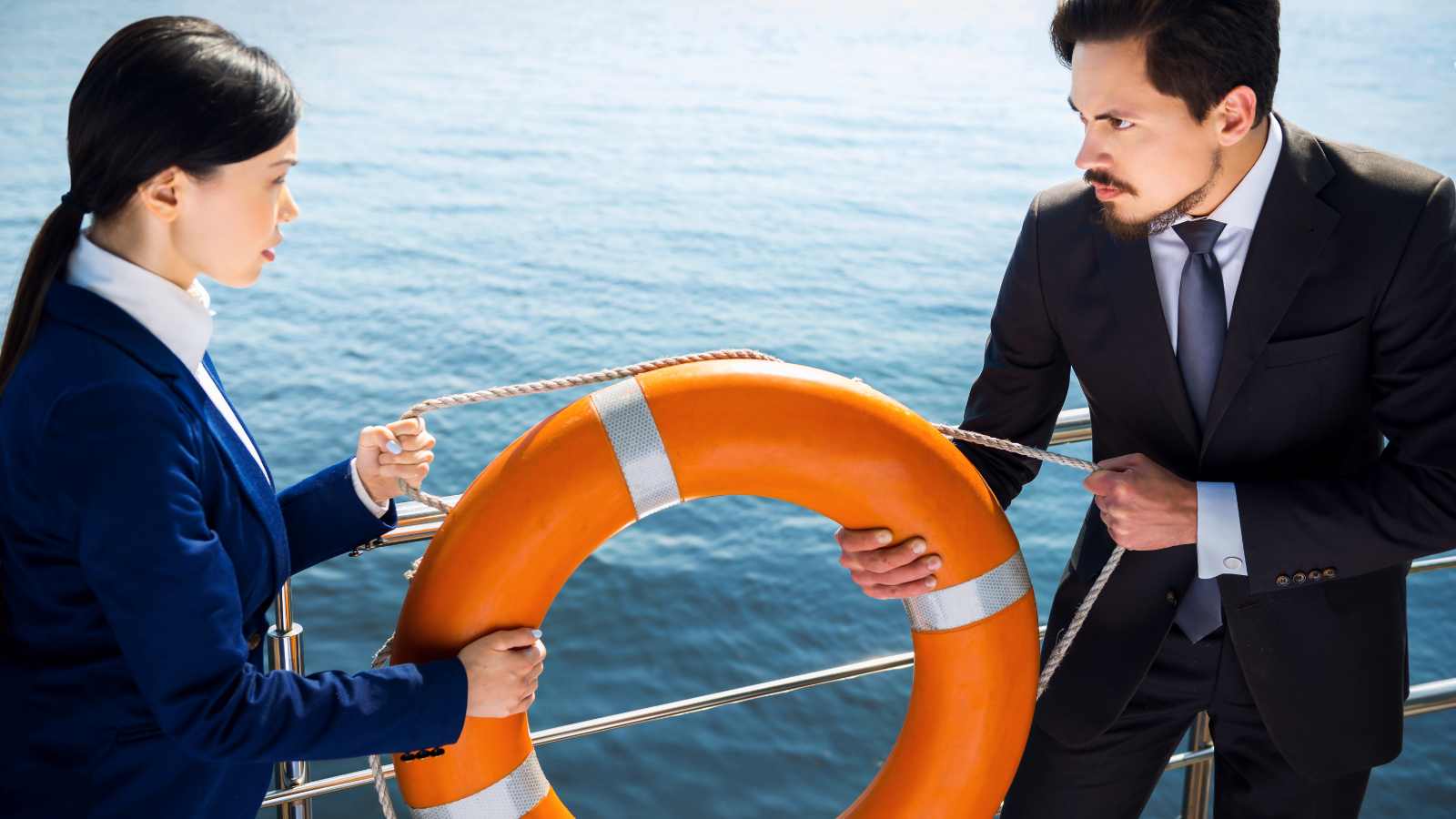
Cruise ship crew members routinely work 10–14 hours a day, seven days a week, often without scheduled days off. In 2025, many ships operate with reduced staffing levels, intensifying workloads, and straining morale across departments. Passengers increasingly report diminished service quality, citing overwhelmed staff and slower response times.
Despite international labor standards, enforcement remains inconsistent, especially on ships registered in countries with lax oversight like Panama or the Bahamas. The disconnect between guest luxury and crew exhaustion continues to erode the onboard experience for everyone.
Onboard upcharges galore

Cruise lines now charge for once standard amenities, including $5–$8 fees for room service and $10–$15 per cocktail at onboard bars. Specialty dining venues, such as steakhouses and sushi bars, often cost $25–$100 per person, while premium coffee drinks and smoothies add $5–$8 each. Even ports like Cozumel and Mahahual introduced new passenger fees in 2025, adding $5 per traveler to fund infrastructure upgrades.
These incremental costs—combined with rising gratuities averaging $16–$20 per person per day—can double the expected budget for a cruise. Travelers must now budget aggressively to avoid financial surprises on board.
Carbon footprint far greater than flying
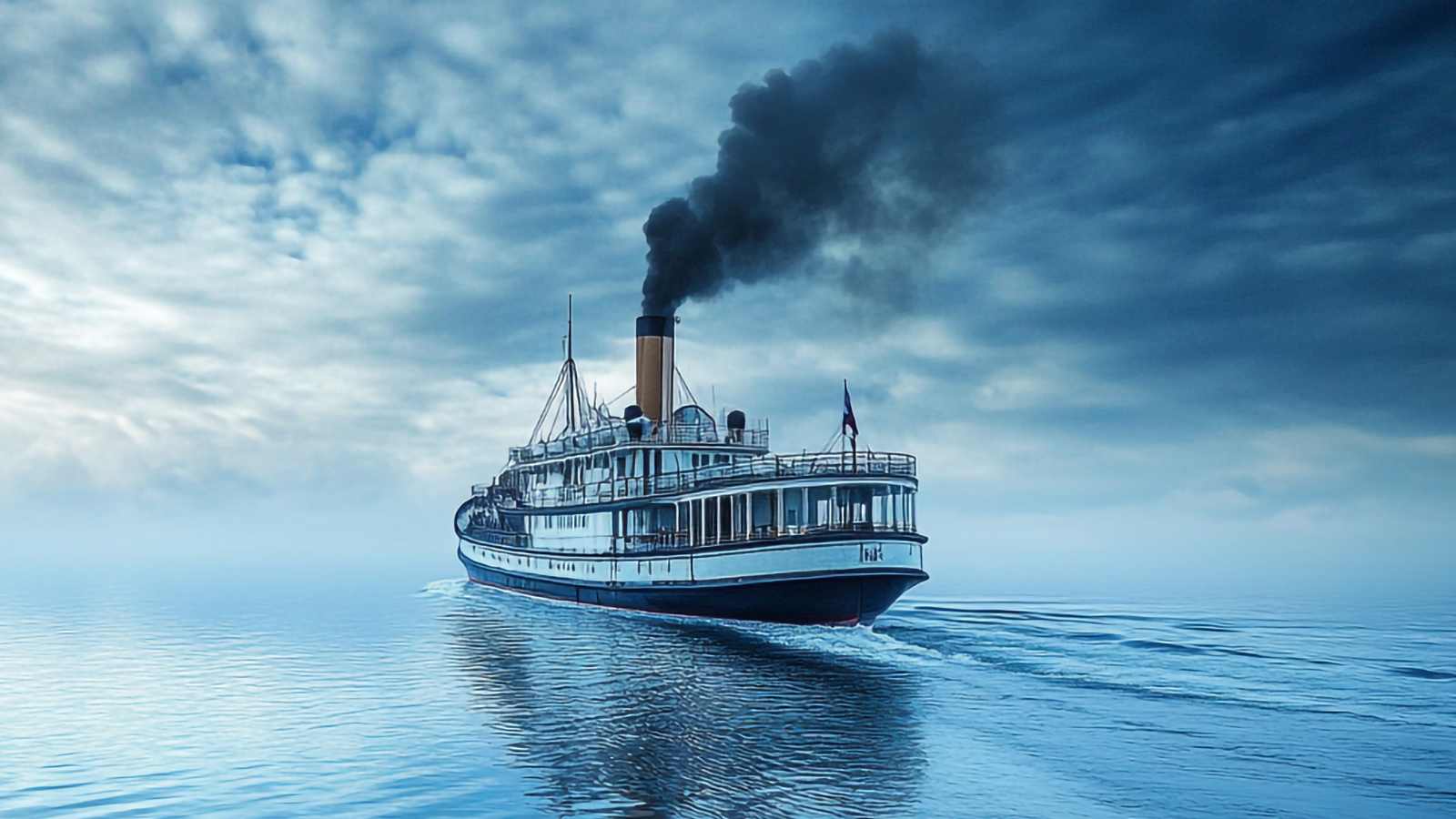
A five-day cruise emits roughly 500 kg of CO₂ per passenger, more than double the emissions of a comparable flight and hotel stay. Even the most efficient cruise ships produce 250 g CO₂ per passenger-kilometer, far exceeding the 80 g CO₂ per passenger-kilometer typical of long-haul flights.
Despite industry claims of sustainability, only 10% of cruise ships meet modern environmental standards, and many still use scrubbers that discharge toxic waste into the ocean. Environmentally conscious travelers increasingly reject cruising due to its disproportionate impact on marine ecosystems and the climate.
Water and energy consumption

Cruise passengers consume over twice the daily energy and water of typical travelers. This excessive resource use strains fragile destinations, especially small island nations and arid regions, where water scarcity and waste infrastructure are already under pressure. Ports like Santorini and Dubrovnik have capped cruise arrivals due to overtourism and environmental degradation.
Despite industry claims of sustainability, the ecological toll of cruise tourism continues to outweigh its economic benefits in vulnerable areas. Travelers must weigh these impacts carefully before choosing a cruise over lower-footprint alternatives.
Increasing regulations, fewer destinations

Amsterdam will reduce cruise ship arrivals from 190 to 100 annually by 2026, with a full ban in the city center by 2035, citing pollution and overtourism as key drivers. Dubrovnik, Venice, and Barcelona have also imposed strict limits or rerouted ships to protect cultural heritage and reduce strain on local infrastructure.
As a result, cruise itineraries increasingly rely on overused ports, offering fewer unique or immersive stops. Discerning travelers now turn to escorted tours and boutique stays, which provide curated experiences without the environmental and logistical downsides of mass cruising.
Disclaimer – This list is solely the author’s opinion based on research and publicly available information. It is not intended to be professional advice.
Like our content? Be sure to follow us