

Millennials are often celebrated as cultural trailblazers, credited with revolutionizing everything from food trends to technology.
Many innovations, like avocado toast or craft beer, are popularly associated with this generation. A closer look, however, reveals that these “millennial inventions” often have a longer history.
The modern craft beer movement began in the US and the UK in the 1960s and 1970s, with pivotal events including Fritz Maytag’s purchase of Anchor Steam in 1965 to improve beer quality and the legalization of homebrewing in 1979, which paved the way for numerous microbreweries to open.
Millennials didn’t invent these ideas, they embraced and reimagined them, putting their own modern twist on what already existed.
Here are 15 things millennials think they invented, but didn’t, showing how culture evolves across generations.
Selfies
Before front-facing cameras and Instagram feeds, humans were capturing their own photos. The first-ever photographic self-portrait was taken by Robert Cornelius, an amateur photographer and chemist, in 1839.
He had to sit still for over a minute to take the photograph, far from the instant gratification of today’s digital snapshots. So, while millennials perfected the pouty-lipped selfie, they did not invent the basic concept of taking a selfie.
Influencer Marketing
Getting well-known individuals to promote products is not a new idea. In the 18th century, Queen Charlotte was “given” a Wedgwood tea set, which was subsequently marked as “Queen’s Ware.”
This royal seal of approval sent sales soaring. Josiah Wedgwood, the founder of the company, became one of the earliest recorded influencers by leveraging the power of fame to grow his business, centuries before sponsored Instagram posts became a viable career option.
Food Delivery
Getting meals delivered to your door feels like a modern luxury, but the practice has been around for over a century. In the late 1800s, Mumbai’s dabbawalas began a complex system to deliver hot, home-cooked lunches to office workers.
This intricate network, which still operates today, was a forerunner to the app-based delivery services we rely on for our late-night pizza and sushi cravings.
Working Remotely
The notion of trading the office for a home-based setup seems like a recent trend, but the term “telecommuting” was first introduced in the 1970s.
NASA engineer Jack Nilles is credited with conceptualizing it as a way to battle traffic congestion and pollution. Although technology has now made it more convenient and widespread, the desire to work from your own home is several decades old.
The Gig Economy
Freelancing or taking on short-term “gigs” is widely portrayed as a millennial adaptation to a changing job environment. However, this flexible work arrangement has been the norm for countless professions throughout history.
Long before apps matched riders with drivers, there were medieval entertainers, roving traders, and migrant farmhands who traveled from one job to the next to make a living.
#VanLife
The romantic notion of living out of a converted van and touring the country didn’t start with Instagram. The hippie movement of the 1960s and 1970s saw thousands of young people adopt a nomadic lifestyle in their iconic Volkswagen buses.
They were searching for freedom, adventure, and a break from societal norms, living the spirit of #vanlife decades before the hashtag was ever created.
Dating Apps
Before Tinder and Hinge, there were personal ads in newspapers. Humans have been using media to find love for centuries. In the 1960s, a team of students at Harvard created “Operation Match,” one of the first computer dating services.
People filled out questionnaires and received a list of their top matches by mail, demonstrating that using technology to find a partner is an old-school idea with a new-school interface.
Avocado Toast
While millennials certainly made it a brunch staple, smushing avocados on bread is not a new culinary creation. Some version of this dish has been on the menu in Latin American countries for decades.
Even a 1915 publication of the California Avocado Association recommends placing avocado on small squares of toast as an appetizer. So, yeah, it’s delicious, but it’s not a millennial creation.
Craft Beer
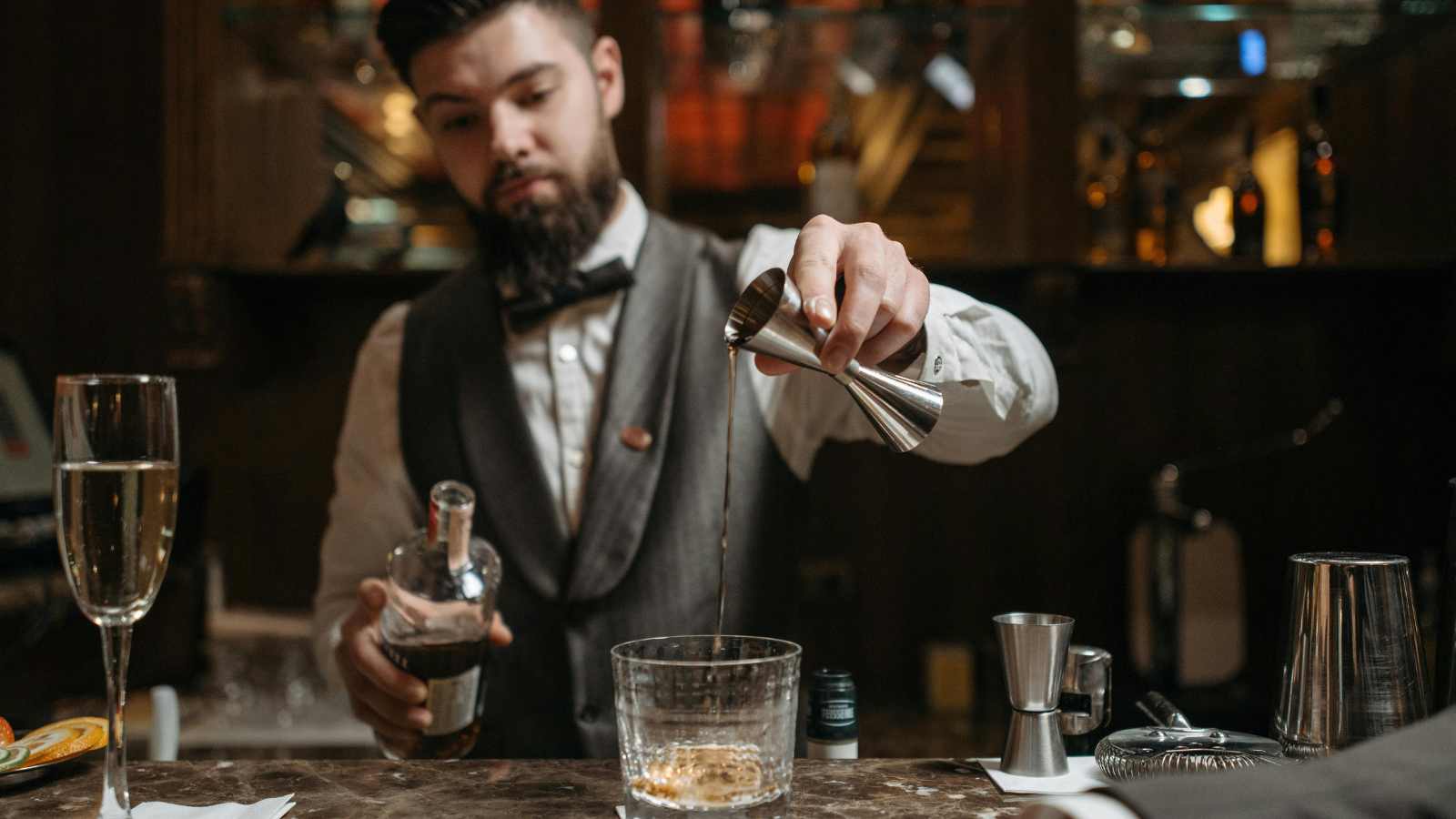
The recent surge of microbreweries and craft IPAs may seem like a new development, but small-batch brewing has been the traditional way beer was made for thousands of years.
Prior to the rise of mass-market lagers in the 19th century, the majority of beer was brewed locally, often in households or small neighborhood taverns. The craft beer movement is more of a revival than it is an invention.
Ghosting
Abruptly ending communication with someone you’re dating is rude, but it’s not a new phenomenon. People have been awkwardly dropping out of each other’s lives for a long time.
Before, it would have been ignoring a letter or a phone call. All that’s changed is the technology we use to ignore each other. The agony of being left with no reason is an ancient human condition.
Binge-Watching
Binge-watching a television show in the span of an entire weekend appears to be a strangely Netflix-era activity. However, before streaming, there were DVD box sets and TV marathons.
Save this article
In the 1990s, networks would air in blocks, and audiences were more than willing to watch for hours. The behavior isn’t new; the on-demand access is.
Being a “Plant Parent”
Filling your apartment with houseplants is a trendy way to do self-care, but the Victorians were the original “plant parents.” During the 19th century, a craze known as “Pteridomania,” or “fern fever,” swept through England.
People went crazy collecting and displaying ferns in their homes, creating intricate indoor gardens long before the fiddle-leaf fig became a status symbol.
Side Hustles
The desire for multiple income streams is strong, but the side hustle is not a millennial invention. Humans have been supplementing their primary income with auxiliary work since ancient times.
A farmer might also have been a blacksmith, for instance, or a teacher who sold handmade crafts. The side hustle is an ancient strategy for financial stability, repackaged for the online age.
Read more: 10 side hustles that bring in full-time income
Emojis
Communicating information through pictures and symbols is as ancient as human civilization. Hieroglyphics were used by ancient Egyptians, and even early internet users mashed punctuation to create emoticons such as :).
The very first actual set of emojis was designed in 1999 by Japanese designer Shigetaka Kurita. They were intended for an early mobile internet site, more than a decade before the emoji keyboard on our phones became available.
Memes
The concept of a meme, a behavior or thought that’s passed from person to person in a culture, was invented by biologist Richard Dawkins in his 1976 book The Selfish Gene.
Long before “Distracted Boyfriend” or “Woman Yelling at a Cat,” viral concepts spread through word of mouth, letters, and legacy media. The internet just gave them a super-powered method of propagation.
Key Takeaways
Millennials may not have invented selfies, side hustles, avocado toast, craft beer, or even ghosting, but they undeniably helped transform these familiar ideas into defining features of modern culture. From remote work and food delivery to influencer marketing and dating apps, many so-called millennial innovations are actually updated versions of practices that existed decades—or even centuries—earlier.
The real story is less about who invented what and more about how each generation takes existing ideas and adapts them to fit new technologies, lifestyles, and social values. Millennials used smartphones, social media, apps, and the internet to make old behaviors more accessible, visible, and widespread than ever before. In that sense, innovation doesn’t always mean creating something entirely new. Sometimes, it means rediscovering an old idea, reinventing how it works, and introducing it to a whole new generation.More articles:
- 11 reasons why Millennials may be better prepared for the next recession than anyone else
- 14 financial habits Millennials wish they had mastered before turning 30
- 11 surprisingly effective ways Millennials are crushing credit card debt
Millennials are ditching the suburbs faster than Gen X

For a generation raised to chase the suburban ideal, the quiet realization is settling in that space and silence can carry a surprisingly heavy price.
The American dream used to mean a white picket fence and a quiet street away from the city noise. Many folks thought Millennials would follow right in the footsteps of previous generations once they had kids. Things took a completely different turn over the past few years as young adults reevaluated their living situations. Now we see a massive wave of thirty-somethings packing up their lawnmowers and heading straight back to urban centers. Learn more.
10 habits from an older generation that clash with millennial culture

Generational divides are nothing new, but the speed of technological change has turned small cracks into canyons. While Boomers and Gen X hold onto traditions that signal respect and stability, Millennials often view these same habits as inefficient.
It takes a willingness to see that what one group calls rude, another calls a practical lifestyle choice. Bridging this gap starts with identifying the specific behaviors that cause the most friction in our daily relationships. Learn more.
11 things boomers need to understand about their millennial kids

Ever notice how your Millennial kids seem to care more about traveling or attending live concerts than buying the latest gadgets or fancy cars? Well, you’re not imagining it; there’s actually some solid reasoning behind it. According to Eventbrite’s research, 78% of Millennials prefer spending their hard-earned cash on experiences like travel or cultural events rather than on material possessions.
So, if you’re wondering why their closet isn’t packed with new clothes or why they’re always planning their next adventure, it’s all part of the shift in priorities. Keep reading to learn more about the mindset driving this generation and why it might surprise you! Learn more.





