Marriage appears to be ideal on Instagram, but the reality behind closed doors tells a different story. A Michael Rosenfeld study found that 69% of divorces in heterosexual marriages were filed for by women, compared to the 31% initiated by men, and get this, most of these women didn’t randomly decide one day they were finished. They had been hoarding grievances in silence for years, if not decades.
The divorce rate may be lower than it was in the 1980s, but that doesn’t mean women are more satisfied in their marriages. What is actually happening is that women have become better at tolerating things that drain their happiness in small doses, a brick at a time.
Shouldering Most of the Housework

Here’s a stat that’s liable to make your blood pressure come close to boiling. Women who are employed full time in the U.S. spend 4.9 hours a day on unpaid labor like housework, child care, adult care, and pet care, compared to 3.8 hours for men, according to data from the Institute for Women’s Policy Research.
My friend works a 40-hour week just like her husband Mike, but she notices that the dishwasher needs unloading and the bathroom needs cleaning. She’s the person who refills the toilet paper and thinks to get his mom a birthday gift. Mike feels that he “helps” around the house, but my friend sees it differently. This imbalance leads to a long, slow burn of resentment that can last for decades.
Unbalanced Childcare Responsibilities

Even now, in 2024, women are still the go-to caregivers in the average home. Mothers dedicate materially more time than fathers do to childcare tasks, even when both parents work for pay outside the home.
The psychological load of everything to do with kids frequently lands disproportionately on women.
Taking On Emotional Labor

Women don’t merely manage their own emotions; they become the family’s emotional air traffic controllers. Lisa keeps track of everyone’s doctor appointments, plays referee among the kids, and seems to always know when her husband is getting stressed about work long before he realizes it himself.
According to research published in the Journal of Marriage and Family, women are far more likely to provide emotional support to their husbands than to receive it themselves.
Financial Inequity or Control

Money is a common source of conflict in marriages, but women often have specific financial strains that make them resentful for longer. Recent data suggests that more women are the sole breadwinners. In 2023, more than 4 in 10 working mothers and 3 in 10 women without cohabiting children were the breadwinners of their families.
Rachel earns more money than her husband, and at some point, she took over all of the family’s financial planning and bill paying. She’s angry that she gets no more say than when she was making so much less money, and that she doesn’t feel she gets more respect for having made sacrifices for her career.
Lack of Emotional Support

Jennifer’s husband hears her sharing the pressures of the day, but he is looking at his phone or trying to fix something instead of just listening to her. The Gottman Institute reports that emotional distance and loneliness are significant barriers in marriages.
Women yearn for the substantive conversations they had while dating, only now their dialogue seems transactional.
Dismissing Career Ambitions

America is abandoning marriage, and it’s women’s fault. Half of U.S. women between the ages of 18 and 40 are single, partly because they reject traditional notions of how women should work and look.
Amanda is proud of her work and her husband, but as soon as she was offered a promotion that requires occasional travel, he went into a long spiel about how it would affect the family. Her professional aspirations are forever balanced against family needs, and his work feels like the priority.
Erosion of Romance

One in seven Americans in committed relationships feel their significant other doesn’t show enough desire or affection, according to a 2024 survey conducted by StudyFinds.
Romance doesn’t need to be expensive dinners or surprise getaways; it can be as simple as a text asking how her day was.
Sexual Disconnect or Pressure

Physical intimacy becomes yet another locus of unspoken resentment when couples don’t see eye-to-eye on frequency, quality, or emotional connection. Research indicates that s*xual satisfaction is a key component of relationship happiness. Yet, so many couples have difficulty discussing their need for it.
Michelle feels obligated to be ready and willing whenever her husband desires s*x, even when she’s overwhelmed and not in the mood. She’s angry that s*x seems like one more thing to check off her to-do list instead of a bond between equal actors.
Not Being Listened To

Lack of communication is one of the most common things women say they feel ruins a marriage. Patricia proposes a family vacation, and her husband, without missing a beat, dismisses it. Still, weeks later, he’s thrilled when his friend suggests the same thing. She provides feedback on her son’s challenging behavior, but her husband does nothing until the teacher says the same thing.
What she thinks about big purchases, family decisions, and even logistics during the day, for some reason they just don’t seem to matter to the same extent as the thoughts of other people.
Being Taken for Granted

Save this article
Wellnite points out that appreciation raises self-esteem and can lower feelings of anxiety. But many women still feel undervalued by their partners. Consider, for a moment, a woman who cooks a meal every night to feed her family, schedules all the family’s activities, and whose responsibility it is to keep everything running smoothly.
Still, however, she slaves away; her husband generally sees only when things aren’t working. He takes for granted that the laundry will always be folded in his drawer and the bills will be paid on time, without even realizing that these things require effort.
Lack of Shared Interests or Time

Couples who focus on both pursuing their passions and building shared interests appear to have more satisfying relationships, greater intimacy, stronger feelings of emotional support, and fewer conflicts, according to Marriage.com.
Many women harbor deep resentment toward partners who emotionally disconnect from shared experiences. David spends all his weekends watching sports or working on his car, leaving Laura to manage the family duties alone. She would like to find activities that both of them can enjoy, but he is not open to the idea of trying new things together. The discrepancy leaves her feeling as if she’s living parallel lives with a person who should be her partner.
Social or Family Pressures

Societal mores and family dynamics can foster resentment that endures when women feel unsupported by their husbands. Rita’s mother-in-law constantly criticizes her cooking and parenting, and her husband remains silent to prevent a fight. At the same time, she’s supposed to be at every family function, to remember everyone’s birthday, while maintaining relationships of her own.
The social pressures of how she should look, act, or prioritize her roles as a wife and mother feel inordinate, especially after her husband does not support her choices.
Emotional Abuse and Subtle Control

Emotional abuse in marriage may be subtle, but it is actually quite severe for a woman’s self-esteem and independence. As Psychology Today reports, this type of abuse is particularly damaging to emotional well-being.
It spawns chronic fear, guilt, and shame that endures long after the relationship has ended. A husband doesn’t have to yell or hit to act in these types of more subtle ways to try to disorient his wife.
Breaking Promises and Reliability Issues

Trust is essential in a healthy marriage, but constant untrustworthiness can erode it, leading to long-standing anger. Husbands might “offer to repair a leaky faucet, attend his daughter’s recital, or take care of the bed time routine on certain days of the week.” But his wife has stopped believing in these promises.
She’s tired of being the backup plan for commitments that he inevitably doesn’t honor. None of these broken promises are grand actions; they’re countless small gestures that echo a belief that one is there and will be there.
Feeling Trapped or Unfulfilled

A 2025 study published in Frontiers in Psychology, for instance, found that 20% to 34% of married individuals report being dissatisfied with their marriage. Many women, in particular, feel like they’re trapped in a life that looks good on the outside, but isn’t fulfilling.
They remain in these relationships due to children, finances, or social pressure, and inwardly wonder how other decisions might have altered the course of their lives.
Key Takeaway

Marriage doesn’t have to be a slow build of resentments. Still, both partners must actively resist common patterns when they emerge. The women suffering with these issues are not demanding perfection; they’re demanding courting, respect, attention, and emotional connection.
A significant amount of tension could be avoided with relatively minor adjustments to the way they speak to and treat each other daily, but this can only occur through direct communication and mutual effort from both spouses. The point isn’t to avoid conflict, but to have a relationship where both people feel heard, valued, and supported in their unique development and shared life.
Disclaimer – This list is solely the author’s opinion based on research and publicly available information. It is not intended to be professional advice.
16 Grocery Staples to Stock Up On Before Prices Spike Again
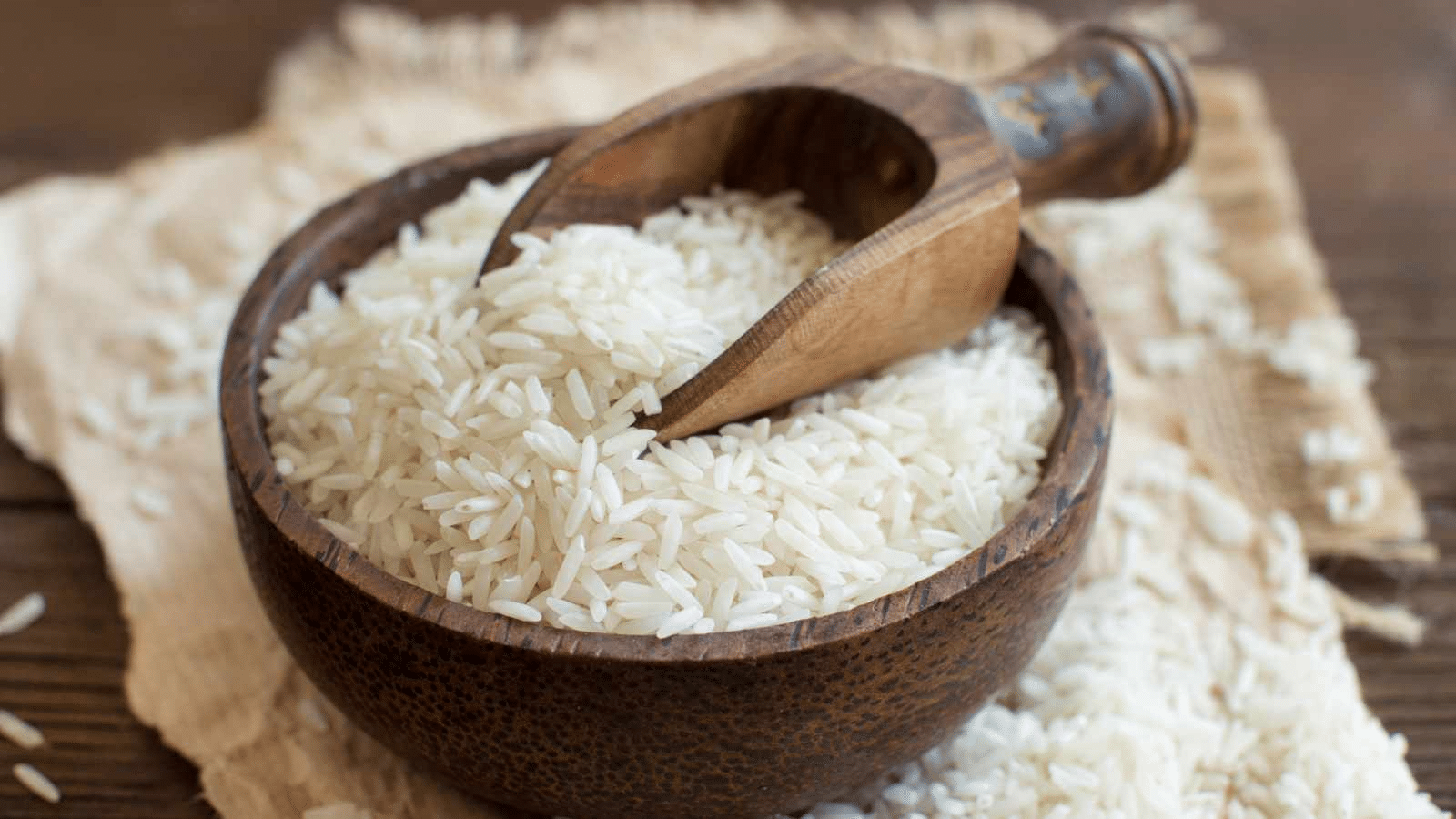
16 Grocery Staples to Stock Up On Before Prices Spike Again
I was in the grocery store the other day, and it hit me—I’m buying the exact same things I always do, but my bill just keeps getting higher. Like, I swear I just blinked, and suddenly eggs are a luxury item. What’s going on?
Inflation, supply-chain delays, and erratic weather conditions have modestly (or, let’s face it, dramatically) pushed the prices of staples ever higher. The USDA reports that food prices climbed an additional 2.9% year over year in May 2025—and that’s after the inflation storm of 2022–2023.
So, if you’ve got room in a pantry, freezer, or even a couple of extra shelves, now might be a good moment to stock up on these staple groceries—before the prices rise later.
6 Gas Station Chains With Food So Good It’s Worth Driving Out Of Your Way For

6 Gas Station Chains With Food So Good It’s Worth Driving Out Of Your Way For
We scoured the Internet to see what people had to say about gas station food. If you think the only things available are wrinkled hot dogs of indeterminate age and day-glow slushies, we’ve got great, tasty news for you. Whether it ends up being part of a regular routine or your only resource on a long car trip, we have the food info you need.
Let’s look at 6 gas stations that folks can’t get enough of and see what they have for you to eat.