
Polls and Insights notes that among 18–29-year-olds, 48% said they’re eating dessert more often now than pre-pandemic. So yeah—dessert is alive and well.
We’ve all been there—standing at the potluck dessert table, staring down a sea of brownies, store-bought cookies, and that one mystery Jell-O salad someone’s aunt insists is “a family tradition.”
Don’t get me wrong, I love a good brownie as much as the next person, but it’s like everyone got the same memo: “Bring something chocolate and square.”
One summer, I decided to shake things up and brought a lemon olive oil cake with a honey glaze. People eyed it suspiciously at first—then it vanished before I could even grab a slice. That’s when I realized: the best desserts aren’t just sweet—they’re unexpected.
The smartly inclusive pavlova

If you are in a room with a lot of people, chances are that you are serving someone with a dietary restriction. A pavlova, an ethereal meringue shell with a crispy exterior and a soft, marshmallow-like centre, often topped with whipped cream or a combination of whipped cream and fresh fruit, is a beautifully practical choice.
The brilliance of pavlova lies in its naturally gluten-free composition, as it is made from just egg whites, sugar, and vinegar.
According to the National Institutes of Health, approximately 1 in 141 Americans has celiac disease, and studies published in journals like Gastroenterology suggest that up to 6% of the population may experience non-celiac gluten sensitivity.
Additionally, its fruit-centric design aligns with current consumer trends; a 2024 study by the International Food Information Council found that 54% of consumers are intentionally trying to eat more fruits and vegetables. This makes pavlova a decadent yet thoughtful dessert choice.
The efficiently caffeinated affogato

The after-casserole, before-goodbye slump is no myth. That pause can be deadly to the social momentum. The affogato, a scoop of vanilla ice cream orgelato drowned” in a shot of hot espresso, is the antidote. It’s a dessert, a coffee course, and a conversation starter all wrapped up in shockingly simple packaging.
Its secret is that it appeals to one of America’s most widespread consumer rituals. The National Coffee Association’s National Coffee Data Trends report found that 67% of adults in the US consume coffee daily, more than any other drink, including tap water.
The economical lemon posset

The lemon posset springs to mind, an old-fashioned British dessert that uses just three items to create a decadently smooth, custard-like consistency with cream, sugar, and lemon juice.
The fundamental principle lies in the interaction between the acidity of lemon juice and the heat of cream, which results in curdling through a straightforward chemical reaction, albeit one that may appear magical.
The culturally relevant tres leches cake

A true American potluck must reflect the essence of America. Pairing a tres leches cake —a basic sponge cake soaked in three milks (evaporated milk, condensed milk, and heavy cream) is to acknowledge the changes unfolding in America’s demographic future.
The Pew Research Center has been providing extensive data on the growth and relevance of the Hispanic community, comprising nearly 60 million individuals, which accounts for almost 19% of U.S. citizens.
A tres leches cake embodies this demographic shift, as it is a popular folkloric dish throughout all of Latin America; to enjoy this cake is to celebrate that demographic reality.
The waste-conscious bread pudding

Shortbread is made from just three high-quality ingredients (butter, flour, and sugar), which aligns with the growing trend of “clean label” or minimal ingredient labels for consumers.
NielsenIQ data shows that US consumers prefer foods with fewer basic ingredients. Their 2023 report indicates that concerns over reference ingredients now affect perceptions of healthy ingredients, influencing purchasing decisions.
A homemade can of shortbread with buttery flavor that represents quality (rather than complexity) may represent the contemporary food credo of the moment.
The simple Scottish shortbread

The shortbread is made with butter, flour, and sugar – just three, quality ingredients – which appeals to a current and growing trend among consumers: the “clean label” or minimal ingredient label trend.
For example, market data from NielsenIQ consistently shows that the majority of US consumers say they prefer foods with very few and basic ingredients.
A 2023 industry report also noted that as consumers’ concern for reference ingredients turns into a concern for healthy and credible ingredients, it has led to a shift in what foods to buy.
A homemade can of shortbread, rich in buttery flavor from quality, rather than complexity, represents perhaps the ultimate food credo for today’s time.
The surprisingly cool mochi

Mochi, a sticky rice cake commonly filled with ice cream in its simplest type, is an excellent example of a food that has transitioned from a specialty food category to a category people want.
In 2023, Grand View Research released a market research document predicting a significant projected increase in mochi sales in the North American market over the next several years.
The proposed 20% CAGR and the juxtaposition with dessert sections and Asian food are due to the growing customer base, which is curious about alternative dessert formats and new definitions in Asian cuisine.
Its portion-controlled sizing is attractive to weight-conscious customers, too, and its special, chewy texture is like nothing else.
The seasonally-aware fruit clafoutis

A clafoutis is a very straightforward French dessert where fresh fruit is baked in a flan-like batter. The beauty of it is its adaptability. Even though it is typically made using black cherries, it can be made using whatever fruit is in season: plums at the end of summer, pears in autumn, berries in spring.
This means it is an excellent, intelligent, and seasonal choice. To serve a clafoutis is a statement of allegiance to seasonality and local farming, a quality that will resonate with the majority of consumers.
The comforting arroz con leche

Rice pudding, or arroz con leche, is nearly a worldwide comfort food with various versions found in cuisines around the world. Its dense texture and comforting, cinnamon-smelling aroma trigger primitive emotional responses.
Save this article
Research in articles like Psychology Today explains how comfort or nostalgic food can evoke a sense of safety and good social bonding, acting as a stress buffer.
A 2022 study on mood and food found that these foods can provide a real, if temporary, emotional boost. Sharing a large bowl of arroz con leche is like sharing a group hug, a low-key expression of concern that tastes good and emotionally resonates.
The no-bake tiramisu

The convenience of a no-bake dessert cannot be ignored, especially for a host or a guest in a hurry. A classic tiramisu, consisting of coffee-drenched ladyfingers and a combination of mascarpone cheese, is merely built and refrigerated, freeing the oven time and space.
This dessert is timely because it meets the rising demand for authentic global recipes. Food business forecasts in almost every genre in 2023 and 2024 featured “authentic international flavors” as a trend that influences what patrons buy. A traditional tiramisu offers a taste of genuine Italian café culture.
This complexity is further enhanced by the fact that it can be prepared without the use of ovens and with only two bowls, all on one tray.
The surprisingly healthy fruit crumble

Dessert did not seem like the typical source of empty calories. However, with whole-grain oats as the topping, I found that a fruit crumble (which is fruit on the bottom with a streusel-type topping baked on top) was a very nutritious option to add as dessert for this meal.
In addition to the research, other studies, including a recent systematic review and meta-analysis conducted at the Harvard T.H. Chan School of Public Health in 2024, indicate that the beta-glucan fiber in oats can help lower cholesterol and enhance overall heart health.
Creating a dessert with an oat topping, while reducing sugar, allows the fruit to take center stage. This approach not only satisfies your sweet tooth but also adds some valuable nutrition.
The theatrical zabaglione

A potluck dessert can be just as much a dish as it is a moment of enjoyment. Zabaglione is a frothy Italian custard made by slowly whisking egg yolks, sugar, and Marsala wine on the stovetop, which at least provides a small spectacle.
It is preferable to warm the zabaglione immediately after making it (within a few minutes) on the host’s stovetop. This is important because there may have been a fundamental shift in consumer preferences during the pandemic.
The research firm’s 2023 report on consumer behavior suggested that consumer sentiment continues to favor experiences over goods consumption.
The adventurous Persian love cake

Shake up the vanilla-and-chocolate flavor dictatorship with a Persian Love Cake. The cake is typically an aromatic cake made with almond flour and fragrant with the distinctive flavor of cardamom and rosewater, and decorated with rose petals and pistachios.
It has a complicated perfume-like taste that is entirely out of context on a typical potluck table. Its appeal is a result of the growing American interest in Middle Eastern flavor. Spice market trends over the past two years have indicated a sharp increase in US imports of spices, including cardamom, saffron, and sumac.
The elegant panna cotta

Panna cotta, the Italian dessert of sweetened cream gelatin set, is a testament to texture. Its silky smoothness is a welcome respite from the typical crumbly cakes and dense cookies. And it is a great blank canvas for all sorts of toppings, from a seasonal fruit coulis to balsamic glaze.
You can serve the plain panna cotta in ramekins and offer two or three toppings, allowing guests to create their own version.
Anglophile’s sickly toffee pudding

British television, from period dramas to The Great British Bake Off, is all over the air and has bred a high trend of Anglophilia. Sticky toffee pudding, a date-soaked spongy cake, is covered with sweet toffee sauce and is the most glaring edible proof of the phenomenon.
This dessert is the traditional pudding “noftent”. It’s luxurious, comforting, and pleasing, making it a favorite tradition due to its widespread presence in pop culture.
Key takeaways

Ultimately, it is a potluck dessert trap that comes into play, even when considering esoteric recipes or hard-to-find ingredients. Intentional decisions are made.
The needs of the group must be considered, as well as the economic and cultural conditions of our own era, along with consideration for the fine details of a communal meal.
Analyzing data from food and public health trends, as well as demographic and cultural aspects, along with food waste analysis, will enable you to choose desserts that satisfy your sweet tooth while supporting a noble cause.
You can present a dessert that is lovingly remembered by all, an expression relevant to all, and an inclusive intervention into the arduous task of bringing humans together.
Disclaimer: This list is solely the author’s opinion based on research and publicly available information. It is not intended to be professional advice.
Disclosure: This article was developed with the assistance of AI and was subsequently reviewed, revised, and approved by our editorial team.
12 laws and rules about food in other countries

12 Laws And Rules About Food In Other Countries
Food is more than just nourishment; it’s a reflection of culture, tradition, and, in many cases, the law. Around the world, various countries have established distinct food regulations that may surprise travelers and food enthusiasts alike.
These laws reveal how deeply societies value what ends up on their plates. Here are 12 fascinating food laws and rules from around the globe that show just how diverse and sometimes unexpected our relationship with food can be.
16 grocery staples to stock up on before prices spike again
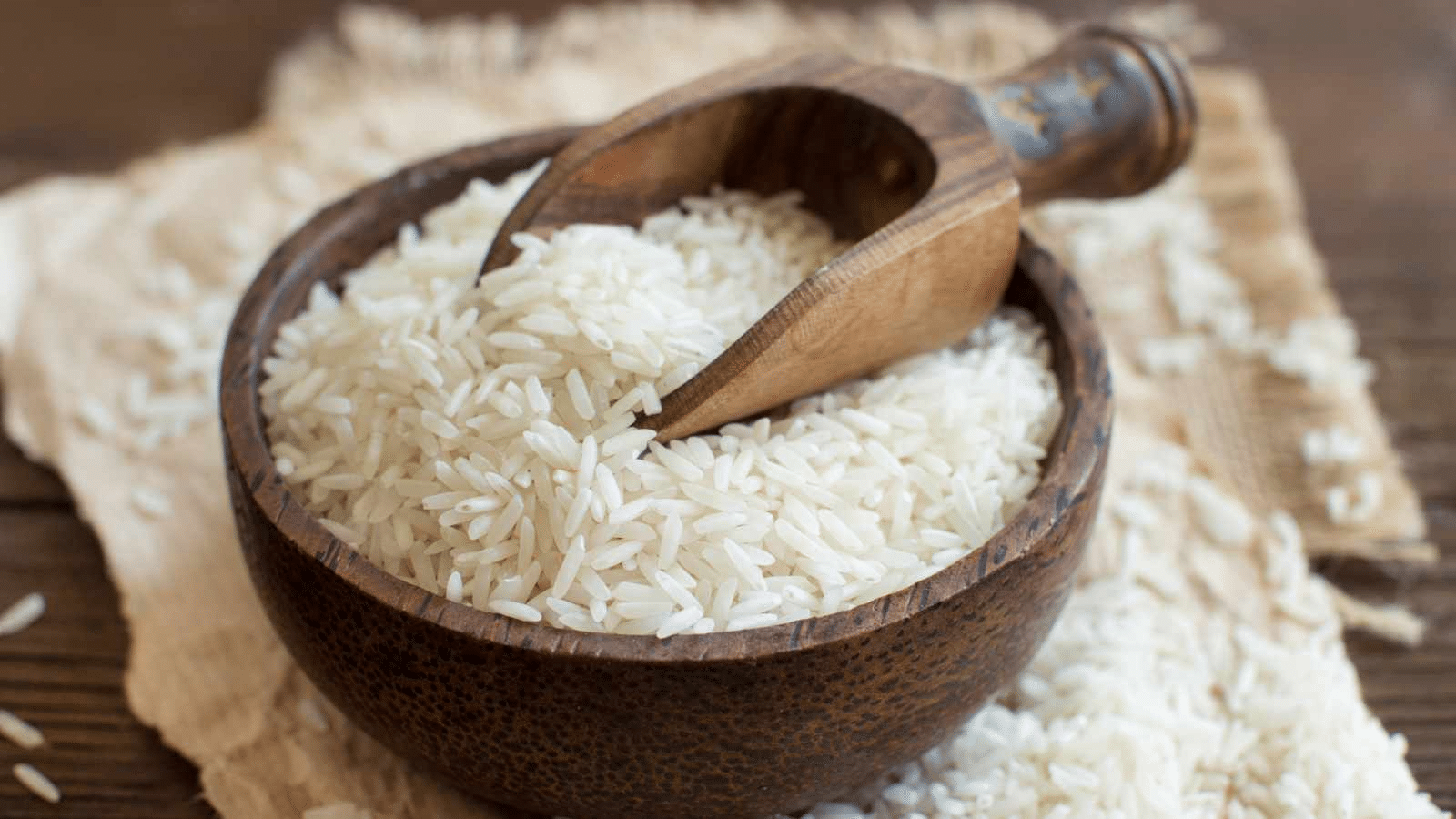
16 Grocery Staples to Stock Up On Before Prices Spike Again
I was in the grocery store the other day, and it hit me—I’m buying the exact same things I always do, but my bill just keeps getting higher. Like, I swear I just blinked, and suddenly, eggs are a luxury item. What’s going on?
Inflation, supply-chain delays, and erratic weather conditions have modestly (or, let’s face it, dramatically) pushed the prices of staples ever higher. The USDA reports that food prices climbed an additional 2.9% year over year in May 2025—and that’s after the inflation storm of 2022–2023.
So, if you’ve got room in a pantry, freezer, or even a couple of extra shelves, now might be a good moment to stock up on these staple groceries—before the prices rise later.





