
Ever feel like you’re playing a game of Monopoly where someone else already owns all the properties? If you’re Gen Z, that’s not a game—it’s just Tuesday.
Born between 1997 and 2012, you’re part of the most digitally fluent, socially conscious, and educated generation in history. You’ve got the tools, the talent, and the ambition. So why does financial stability feel so out of reach?
Let’s get one thing straight. Gen Z’s financial struggles aren’t about a lack of hustle; they’re the result of a perfect storm of stagnant wages, crushing debt, and a cost of living that has spiraled out of control.
According to a March 2025 Fidelity report, which tracked average 401(k) and IRA retirement account balances, the average balances by generation were:
- Baby Boomers: $249,300 (401(k)) and $257,002 (IRA)
- Gen X: $192,300 (401(k)) and $103,952 (IRA)
- Millennials: $67,300 (401(k)) and $25,109 (IRA)
- Gen Z: $13,500 (401(k)) and $6,672 (IRA)
Personal finance expert Kristy Kim puts it this way: “Gen Z carries more credit card debt than older generations due to a combination of rising student loan burdens, along with the skyrocketing cost of basic living, inflation that just won’t quit, and a lack of financial education.”
It’s a tough hand to be dealt. Here are 15 reasons why Gen Z is feeling the squeeze.
They entered a workforce where wages lost the race against inflation

You landed your first “real” job, looked at your paycheck, and thought, “Wait… that’s it?” It’s not just a feeling; it’s a statistical reality.
Research by TransUnion reveals that Gen Zers aged 22 to 24 are entering their careers, earning an average annual salary of $45,493. A decade ago, millennials at the same age were making an inflation-adjusted $51,825.. You’re starting the race thousands of dollars behind.
Meanwhile, everything else got more expensive. A lot more expensive.
According to CBC News, between 2019 and 2023, rents increased by 30.4%, while wages rose by only 20.2%. That gap is where financial dreams go to die. It’s a constant game of catch-up you were never meant to win.
As finance expert Michael Ryan says, “The problem isn’t a lack of effort—it’s that the numbers often don’t add up at the end of the month”.
The ghost of the 2008 recession shaped their financial mindset

Most of Gen Z was too young to have a 401(k) in 2008, but they had a front-row seat to the Great Recession. They watched their parents lose jobs, homes, and life savings during a crisis that saw unemployment hit 10% and the housing market collapse by nearly 30%. That kind of second-hand financial trauma sticks with you.
It has cultivated what experts call a “psychology of scarcity,” making financial security the top priority. This caution is a double-edged sword. While it makes you a careful saver, it can also make you terrified of investing.
Skyrocketing rents are eating their paychecks alive

For many young people, rent day is the scariest day of the month. According to the U.S. Department of the Treasury, inflation-adjusted rents have climbed more than 20% since 2000. It’s a brutal squeeze. From 2019 to 2023 alone, apartment rents jumped 29%, while household incomes only grew by 17%.
With the median U.S. rent hitting $1,987, it’s no wonder so many are struggling. Some surveys show the average Gen Z monthly income is just $1,910.39, meaning rent could literally cost more than you make. This is why nearly 40% of Gen Z are living at home with their parents.
It’s not a failure to launch; it’s a calculated economic decision in an impossible market.
The dream of owning a home is more of a fantasy

Homeownership was once the cornerstone of the American Dream. For Gen Z, it feels more like a fairy tale.
The generational gap is staggering. Today, only 32.6% of 27-year-olds own a home. When Baby Boomers were that age, 40.5% of them were homeowners.
Why? The math is just impossible. Since 1970, home prices have increased by an unbelievable 1,608% from $ 644.
This has led to a sense of hopelessness. A recent Clever Real Estate study revealed that 62% of Gen Z non-homeowners fear they will never own a home, with 82% of those citing affordability as the primary reason. As real estate broker Kevin Huang notes,
“Millions of young adults are ready to buy, but affordability challenges and limited inventory are keeping them on the sidelines”.
College degrees came with a crippling price tag

Gen Z was sold the idea that college was the golden ticket to a stable career. What the brochure didn’t mention was the soul-crushing debt that came with it. Data from the Education Data Initiative shows the cost of public university tuition has increased since the 1970s and has more than tripled in real terms since the 1980s.
This has left a generation starting their careers deeply in debt. According to Newsweek, Gen Z student loan borrowers are now paying an average of $526 every month, far more than the overall average of $284.
The result? A massive case of buyer’s remorse. A shocking 23% of full-time Gen Z workers regret attending college altogether, and 57% regret the amount of debt they incurred.
Finance expert Michael Ryan puts it bluntly, calling some degrees “expensive toilet paper in today’s job market”.
They’re drowning in the highest personal debt of any generation

It’s not just student loans. It’s everything. When you add up credit cards, car loans, and personal loans, Gen Z is carrying a heavier debt burden than any previous generation.
Gen Z has the highest average personal debt of any age group, clocking in at a staggering $94,101. This debt comes from all angles: 56% is from credit cards, 31% from student loans, and 10% from auto loans. This isn’t debt from lavish spending; for many, it’s the cost of survival.
The mental toll is immense. More than half of Gen Z (52%) say that debt is on their minds “most or all of the time,” making it nearly impossible to have a worry-free moment.
This constant financial pressure is a defining feature of their young adulthood.
Credit cards became a tool for survival, not just convenience

For older generations, credit cards were used primarily for emergencies or to earn airline miles. For Gen Z, they’re for groceries.
When faced with a sudden loss of income, 48% of Gen Z turned to credit cards to make ends meet. For Baby Boomers, that number was just 10%. They’re also using plastic to manage other debts, with 64% of Gen Z student loan borrowers saying they’ve relied more on credit cards since repayments resumed.
This survival strategy comes at a high cost. Credit card delinquency rates for 18- to 29-year-olds exceed 10%, the highest among any age group.
This has tanked their credit scores. The average FICO score for Gen Z has dropped to 676, far below the national average of 715. As credit expert Micah Smith warns, a low score at a young age “impacts everything you do moving forward,” potentially costing tens of thousands in extra interest over a lifetime.
Car payments are driving them into delinquency

In most of America, a car isn’t a luxury; it’s a necessity for getting to work. But the cost of that basic necessity is pushing Gen Z’s finances to the breaking point.
Gen Z has the highest auto loan delinquency rate of any generation at 7.5%, easily topping millennials (6.9%) and Baby Boomers (1.9%).
They’re taking on more car debt than ever before, with balances 14% higher than those of millennials a decade ago, adjusted for inflation. The payments are so high that young people are being forced to make impossible choices.
An incredible 52% of Gen Z car owners admit to intentionally missing other payments, such as rent or credit card bills, to keep up with their car payments. As LendingTree analyst Matt Schulz notes, “When auto loan delinquencies are rising, it’s a likely sign that people are struggling”.
The “side hustle” became a necessity, not a choice

Save this article
The gig economy was pitched as a revolution of freedom and flexibility. For Gen Z, it’s often just a second or third job needed to pay the bills.
Their participation in the gig economy is massive. Reports from sources such as Deloitte and Resume Genius confirm that most Gen Z workers hold a gig job, and a staggering 58% have some form of side hustle in addition to their primary employment.
But this “freedom” comes with a dark side: unstable income, no health insurance, no retirement benefits, and profound isolation. The constant grind is leading to a massive burnout crisis.
A shocking 72% of Gen Z workers report experiencing burnout in the past two years, more than any other generation. They’re hustling to avoid the financial insecurity they saw their parents endure, but the non-stop work is taking a serious toll on their well-being.
Social media FOMO is draining their bank accounts

Gen Z grew up online, where every scroll is a highlight reel of someone else’s perfect life. It’s a constant barrage of lavish vacations, trendy restaurants, and designer clothes, all fueling an intense “Fear of Missing Out” (FOMO).
That digital pressure has real-world financial consequences. Nearly 70% of Gen Z report feeling financial FOMO while on social media.
This isn’t just a feeling; it drives spending. A recent study by Credit Karma found that nearly 40% of young people overspend and go into debt simply to keep up with their friends. More than half of Gen Z admit that seeing what others buy online motivates them to spend money they don’t have.
It’s a cycle of comparison and consumption. As one young woman named Courtney admitted, “social pressure” from trying to keep up with friends contributed to her accumulating thousands in debt.
For a generation already on thin ice financially, the pressure to project success online can be the thing that breaks it.
“Buy Now, Pay Later” created a new kind of debt trap

“Buy Now, Pay Later” (BNPL) services, such as Afterpay and Klarna, may seem harmless. What’s the big deal about splitting a $100 purchase into four payments of $25?
The big deal is that it has become an unregulated on-ramp to a new debt cycle for Gen Z. They are using it for everything. When faced with an income shortfall, 48% of Gen Z turned to BNPL loans to make ends meet, compared to just 8% of Boomers.
The danger is that it doesn’t feel like debt, making it easy to lose track of how much you actually owe across multiple services. As Step CEO CJ MacDonald warns, these programs can “quietly damage their credit without any new requirements to educate them around the risks”.
And they damage credit. Missed payments are reported to credit bureaus, and these services often target young people with limited credit history, setting them up for failure.
They’re saving a bigger slice of a much smaller pie

Here’s the most frustrating paradox of all: Gen Z is actually incredibly disciplined about saving. Findings from the PYMNTS study show that Gen Z working adults saved nearly 30% of their income in a recent six-month period—a higher percentage than any other generation. They are doing precisely what financial advisors tell them to do.
So what’s the problem? Their paychecks are so small that even a big slice of the pie is just crumbs.
Multiple financial reports and surveys from 2024 and 2025 have cited that, despite their diligent saving habits, the average Gen Z-er has only about $2,410 in savings. This is why 55% of them lack sufficient funds to cover just three months of expenses in an emergency, according to Bank of America’s Better Money Habits study. They are playing by the rules, but the game is rigged.
Financial anxiety has become their constant companion

The constant weight of low wages, high debt, and an uncertain future has a cost that can’t be measured in dollars. For Gen Z, financial stress is a chronic condition.
Sixty-two percent of Gen Z feel stressed about their finances more than three days a week, with twenty percent experiencing financial anxiety every single day. They also report feeling that stress more intensely than any other generation.
This isn’t just a worry. It has real health consequences, leading to loss of sleep, feelings of hopelessness, and strained relationships. The anxiety is so bad that nearly half of Gen Z (49%) admit they have avoided checking their bank account balance because they’re too scared of what they’ll find.
A survey from TIAA confirmed the devastating link, finding that “high debt levels are strongly linked to symptoms of anxiety, depression, anger, and hopelessness”.
They’re spending to cope in a world that feels uncertain

When long-term goals, such as buying a house or retiring, feel like a pipe dream, the logic starts to shift. Why sacrifice today for a tomorrow that doesn’t feel guaranteed?
This has led to the rise of “soft saving,” where you prioritize your present well-being over aggressive saving. Over 70% of Gen Z said they would rather have a better quality of life now than extra money in the bank later.
It’s a direct response to the world around them, with 48% saying that global challenges make them want to “live for today”. This mindset can also lead to “doom spending”—making impulsive purchases to cope with stress and anxiety. About 30% of Gen Z admit they’re likely to treat themselves when they’re worried about money.
As psychiatrist Dr. Judith Joseph explains, it’s a psychological shift toward present-focused living because “they often feel like the future is not guaranteed”.
The “American Dream” goalposts were moved before they could start playing

This is the final piece of the puzzle. The core reason Gen Z is struggling is that the version of the American Dream they were sold — stable jobs, homeownership, and a comfortable retirement — is based on an economic reality that no longer exists for them.
The belief in that dream is fading fast. In 2024, 41% of all Americans said the dream was once possible, but it is now out of reach. No one feels this more acutely than Gen Z. More than half say they are worried about their financial future, a massive jump from 30% in 2019.
They see the system for what it is. As 18-year-old Taran Talbott puts it, “The typical outlook…is that either you’re lucky and have generational wealth or your material conditions are only as good as the salary you might one day earn”. They know the deck is stacked, and it’s forcing them to write a new story for themselves.
Key Takeaway

Gen Z’s financial struggles are not a story of personal failure, but rather a reflection of systemic challenges. They are navigating a uniquely difficult economic landscape that is fundamentally different from the one their parents and grandparents faced.
- A Perfect Economic Storm: They entered adulthood facing a brutal combination of stagnant real wages, record-high costs for essentials like housing and education, and unprecedented levels of personal debt.
- A Debt-for-Survival Cycle: Unlike previous generations, who often used debt to build wealth in assets, many in Gen Z are forced to rely on high-interest credit cards and “Buy Now, Pay Later” services just to cover daily expenses, creating a debt spiral that damages their financial futures early.
- A Crisis of Well-Being: The constant financial pressure is taking a heavy toll on their mental health, leading to widespread anxiety and forcing them to abandon traditional life goals. They are redefining success away from material wealth and toward things they can control, like work-life balance and present-day happiness.
Disclaimer – This list is solely the author’s opinion based on research and publicly available information. It is not intended to be professional advice.
Like our content? Be sure to follow us.
6 Gas Station Chains With Food So Good It’s Worth Driving Out Of Your Way For
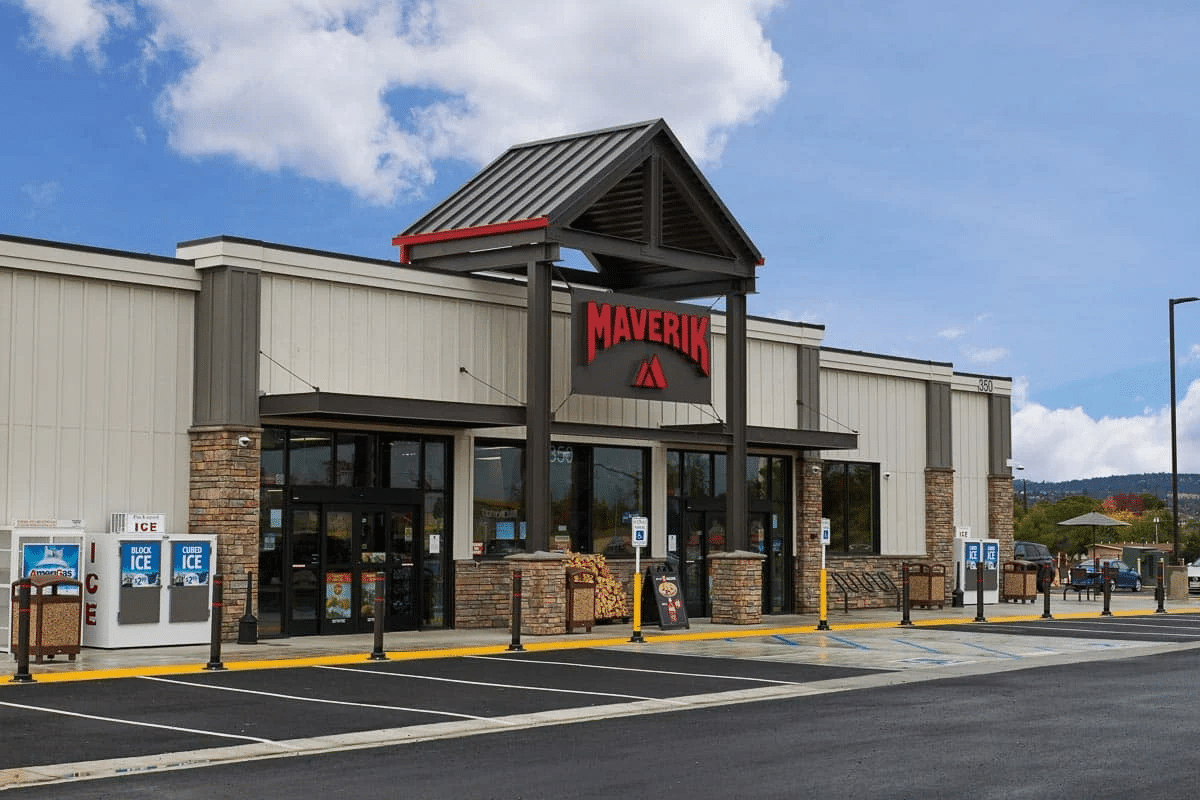
6 Gas Station Chains With Food So Good It’s Worth Driving Out Of Your Way For
We scoured the Internet to see what people had to say about gas station food. If you think the only things available are wrinkled hot dogs of indeterminate age and day-glow slushies, we’ve got great, tasty news for you. Whether it becomes part of a routine or your only resource on a long car trip, we have the food information you need.
Let’s look at 6 gas stations that folks can’t get enough of and see what they have for you to eat.
16 Grocery Staples to Stock Up On Before Prices Spike Again

16 Grocery Staples to Stock Up On Before Prices Spike Again
I was in the grocery store the other day, and it hit me—I’m buying the same things I always do, but my bill keeps getting higher. Like, I swear I just blinked, and suddenly eggs are a luxury item. What’s going on?
Inflation, supply-chain delays, and erratic weather conditions have modestly (or, let’s face it, dramatically) pushed the prices of staples ever higher. The USDA reports that food prices climbed an additional 2.9% year over year in May 2025—and that’s after the inflation storm of 2022–2023.
So, if you’ve got room in a pantry, freezer, or even a couple of extra shelves, now might be a good moment to stock up on these staple groceries—before the prices rise later.





