The 1970s were a time of bold choices and carefree living, when bell-bottoms flared, disco beats pulsed, and self-expression reigned supreme. Fueled by cultural rebellion and a surge in individuality, the decade gave rise to trends that were as daring as they were unforgettable.
Even the simplest fads reflected a spirit of experimentation; yet not all were harmless. Here are 16 of the coolest ’70s trends that didn’t make it to the present day, not because they weren’t fun, but because they came with hazards you’d rather avoid.
Smoking Everywhere

In the 1970s, cigarettes were as prevalent in public spaces as payphones on every corner. People smoked during flights, at restaurants, in offices, and even in hospitals. The comforting clouds and glamorous allure soon proved deadly as the 1964 Surgeon General’s report linked smoking to lung cancer and heart disease.
By 1986, secondhand smoke was officially declared a cause of disease in healthy nonsmokers. Research showed that secondhand smoke exposure increased the risk of heart disease by 25–30% and lung cancer by 20–30% among nonsmokers. This led to widespread indoor smoking bans. By the 1980s, restrictions expanded rapidly, and today, lighting up indoors is almost unthinkable, thanks to decades of public health advocacy and policy reform.
Lawn Darts (Jarts)

Lawn darts were pitched as the ultimate backyard family game, and they delivered, until someone got hurt. These weighted darts with sharp metal tips caused serious injuries—between 1978 and 1988, an estimated 6,100 to 7,000 people were treated in emergency rooms, with 81% of victims under age 15.
Tragically, three children died, including 7-year-old Michelle Snow, whose death in 1987 galvanized public outcry. By December 1988, the U.S. Consumer Product Safety Commission issued a full ban on the sale of lawn darts. That left safer backyard games like cornhole to dominate, trading metal spikes for beanbags and peace of mind.
Chasing DDT Trucks

Community pesticide spraying, often using the highly toxic DDT, turned into impromptu neighborhood entertainment as kids on bikes raced behind the trucks, pretending to play in the fog. What seemed harmless then is horrifying now, as DDT was later classified as a probable human carcinogen and linked to liver tumors in lab animals.
Its environmental persistence devastated wildlife. DDT exposure caused eggshell thinning in bald eagles, leading to reproductive failure and a 99% population decline in the lower 48 states by 1963. The Environmental Protection Agency clamped down, officially banning nearly all uses of DDT in the U.S. on December 31, 1972.
BB Gunfights

BB gun battles became an unofficial rite of passage for neighborhood kids in the ’70s, where marks and welts were badges of honor and aiming for someone’s eye was more about bragging rights than concern. These skirmishes were responsible for an estimated 13,486 injuries annually among children under 18, with 15% involving eye trauma.
BB guns accounted for 81% of all non-powder firearm injuries, and over half of those injuries were self-inflicted, often due to a lack of supervision and protective gear. Today, BB guns are subject to tighter regulations, with many now marketed as airsoft alternatives that emphasize safety through mandatory eye protection and age restrictions.
Platform Shoes

Platform shoes epitomized 1970s disco culture, helping everyone stand a little taller and dance a little groovier. Icons like David Bowie and Elton John embraced these towering soles. Still, they also led to frequent twisted ankles and falls, with Naomi Campbell famously tumbling off a nine-inch pair in 1993.
By the early 1980s, the trend began to fade as podiatrists raised concerns about instability and long-term foot damage. Fashion shifted toward lower, more supportive footwear, favoring sneakers and loafers over precarious platforms. Shoes that were loved by many turned into a literal balancing act, remembered more for their flair than their practicality.
Polyester Leisure Suits

Polyester practically sparkled on the dancefloor, appearing in countless colors and cuts, and its wrinkle-free appeal made it a 1970s fashion staple. But there was a dark side to those shiny suits. Polyester melts at around 250–265°C (482–509°F), and when exposed to high heat, it can fuse to the skin, causing severe burns that are more damaging than flames themselves.
Though not highly flammable, its combustibility and toxic fumes raised serious safety concerns, especially in fire-prone environments. These risks contributed to the development of flame-resistant fabric standards, such as NFPA 701 and ASTM D6413, which prompted manufacturers to reassess textile safety.
Waterbeds

Waterbeds were the ultimate status symbol, combining luxury with novelty and peaking in popularity during the late 1970s and early 1980s, when they accounted for 22% of all U.S. mattress sales. However, they weren’t all fun and waves—leaks were common, with even minor punctures causing significant water damage and prompting bans in many rental properties.
Despite their promise of comfort, studies showed that only 15% of users with back pain found relief. In comparison, 9% reported worsening symptoms due to poor spinal support and a lack of firmness. As memory foam and hybrid mattresses emerged in the 1990s, offering better support and easier maintenance, waterbeds quickly lost their appeal.
Hot Pants and Ultra-Short Shorts

Hot pants and barely-there shorts epitomized the 1970s mantra of “the shorter, the better,” dominating both disco parties and street fashion. Popularized by designers such as André Courrèges and Yves Saint Laurent, and worn by icons like Cher and Bianca Jagger, they became symbols of sexual liberation and bold self-expression.
However, their ultra-short design often clashed with public decorum—cities like Sorrento, Italy, later banned similar attire in public spaces due to complaints from locals. Discomfort was also a frequent issue, with wearers citing awkward fit and impracticality for everyday movement. Eventually, fashion shifted toward longer, more functional styles.
Spray-On Asbestos Snow and Fireproofing

It’s hard to believe there was a time people sprayed asbestos on Christmas trees to achieve a “snowy” look. Products like “White Magic” and “Snow Drift” were marketed for their fireproof sparkle. Beyond holiday décor, asbestos insulation dominated homes and schools for its heat resistance and durability.
What wasn’t known at the time was its lethal impact on human lungs: inhaled fibers could cause mesothelioma, lung cancer, and asbestosis, often decades after exposure. The Environmental Protection Agency began regulating asbestos in the early 1970s, banning spray-on applications in 1973 and most insulation uses by 1975. Gradually phased out starting in the late 1970s, asbestos became one of the most notorious and deadly household hazards of the era.
Roller Disco Without Helmets

Save this article
Roller discos were electric, luring legions of skaters to rink floors under glimmering disco balls, with speed and rhythm taking center stage while personal safety rarely made the cut. Falls and collisions were common—wrist fractures, concussions, and broken bones ranked among the most frequent injuries, especially for beginners and unsupervised skaters.
Protective gear, such as helmets, knee pads, and wrist guards, became increasingly recommended, with standards like EN 14120:2003 assessing the impact and abrasion resistance of roller sports equipment. As awareness grew, venues began to encourage or require safety gear, especially for children and new skaters.
No-Seatbelt Car Culture

Seatbelts were installed in most cars but remained unused accessories throughout the ’70s, with usage rates hovering around 10% despite growing safety concerns. Children lounged freely in backseats—or stood!—while crash fatalities soared, peaking at 3,798 deaths in Australia in 1970 and over 50,000 annually in the U.S. by 1966.
New York led the charge with the first mandatory seatbelt law in 1984, and by 1985, many states followed suit, sparking a cultural shift toward the use of restraints. These laws helped drive seatbelt usage up to 88% in states with strong enforcement, contributing to a 50% reduction in automobile death rates over the following decades.
Unpadded Playground Equipment

Remember those towering monkey bars and ten-foot metal slides ending on a patch of hard concrete? Kids of the ’70s do, and most have the scars to prove it. Falls from playground equipment were the leading cause of injury, often resulting in concussions, fractures, and ER visits. The blazing summer sun turned those metal slides into skin-scorching hazards, while jungle gyms often lacked railings and were situated atop unforgiving surfaces like asphalt or gravel.
Safety on playgrounds improved dramatically after the U.S. Consumer Product Safety Commission released its first Handbook for Public Playground Safety in 1981, recommending impact-absorbing materials like wood mulch and rubber surfacing.
Lead-Based Paint and Toys

Throughout the ’70s, lead-tainted paint and toys for kids were everywhere, with studies confirming that even low levels of lead exposure could cause irreversible neurological damage in children. Lead was absorbed into their bloodstreams through hand-to-mouth behavior, often from flaking paint or contaminated toys made before 1976.
Research linked lead exposure to IQ loss, attention deficits, and developmental delays, prompting urgent public health action. In response, the U.S. Consumer Product Safety Commission banned lead-based paints in 1978, setting a strict limit of 0.06% lead content for residential use.
Rough-and-Tumble Youth Sports

In youth sports throughout the ’70s, concussions, torn ligaments, and sprains were often brushed off with a “walk it off” mentality, as toughness was prized over long-term safety. Coaches routinely ignored the hidden dangers of repeated head trauma, despite mounting evidence that even mild concussions could have lasting neurological effects.
By the early 2000s, the pediatric medical community began prioritizing injury prevention, recognizing that children and adolescents take longer to recover from concussions than adults. This shift led to the introduction of formal concussion protocols, including mandatory removal from play and gradual return-to-play guidelines.
Mercury Thermometers and Chemistry Sets

Throughout the ’70s, home thermometers housed highly toxic mercury, and vintage chemistry sets often included elemental mercury alongside alcohol lamps and fragile glassware. Children gleefully played with these kits, unaware that mercury exposure could lead to neurological damage, kidney dysfunction, and developmental delays.
Mercury poisoning became a growing issue, with documented cases like Grassy Narrows First Nation in Canada, where childhood exposure was linked to early mortality and cognitive impairments decades later. By the 1990s, safer alternatives, such as digital and Galinstan-based thermometers, had replaced mercury-filled models, and toy safety regulations introduced stricter chemical and design standards.
Fireworks Free-for-All

The 4th of July in the ’70s was practically a full-season competition to see who could set off the loudest fireworks, with M-80 firecrackers leading the charge until they were banned for consumer use in the early 1970s. Home-based fireworks use resulted in thousands of injuries annually, with sparklers alone accounting for nearly 30% of injuries in children under five.
Explosions from backyard mishaps and misfires were common, prompting the U.S. Consumer Product Safety Commission to tighten regulations and enforce safety standards. Today, modern consumer protection laws heavily regulate the sale of fireworks, with 49 states allowing only specific types and Massachusetts banning them entirely.
Disclaimer – This list is solely the author’s opinion based on research and publicly available information. It is not intended to be professional advice.
16 Grocery Staples to Stock Up On Before Prices Spike Again

16 Grocery Staples to Stock Up On Before Prices Spike Again
I was in the grocery store the other day, and it hit me—I’m buying the exact same things I always do, but my bill just keeps getting higher. Like, I swear I just blinked, and suddenly eggs are a luxury item. What’s going on?
Inflation, supply-chain delays, and erratic weather conditions have modestly (or, let’s face it, dramatically) pushed the prices of staples ever higher. The USDA reports that food prices climbed an additional 2.9% year over year in May 2025—and that’s after the inflation storm of 2022–2023.
So, if you’ve got room in a pantry, freezer, or even a couple of extra shelves, now might be a good moment to stock up on these staple groceries—before the prices rise later.
6 Gas Station Chains With Food So Good It’s Worth Driving Out Of Your Way For
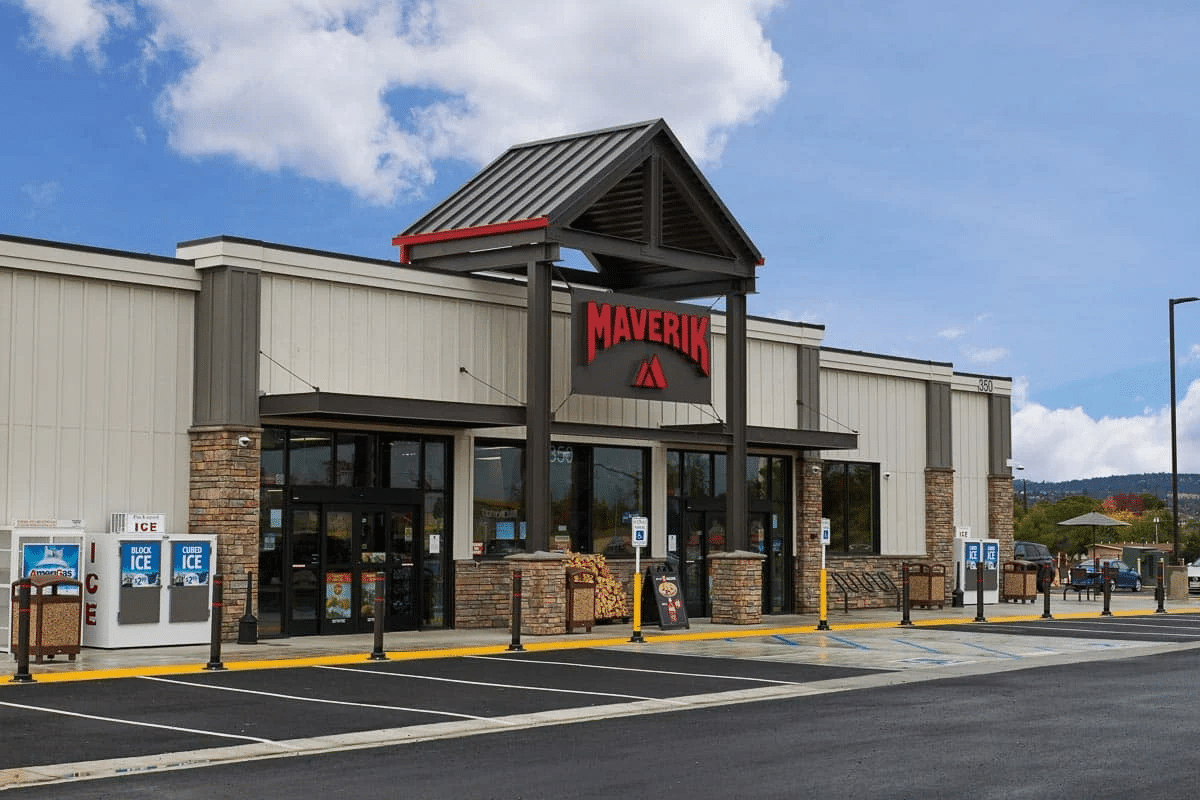
6 Gas Station Chains With Food So Good It’s Worth Driving Out Of Your Way For
We scoured the Internet to see what people had to say about gas station food. If you think the only things available are wrinkled hot dogs of indeterminate age and day-glow slushies, we’ve got great, tasty news for you. Whether it ends up being part of a regular routine or your only resource on a long car trip, we have the food info you need.
Let’s look at 6 gas stations that folks can’t get enough of and see what they have for you to eat.