

Picture this: you’re at a county fair, holding a stick with what looks like a corn-covered hot dog, while your international friend stares at you like you’ve lost your mind. Welcome to the wonderful world of American cuisine, where we’ve mastered the art of making other countries scratch their heads.
Americans are proud snack enthusiasts, with 72 percent enjoying at least one snack a day—often in forms that might seem unusual to other cultures. This stems from the country’s rich and diverse food heritage, shaped by waves of immigration, regional creativity, and a fearless “why not?” approach to cuisine. From deep-fried butter to quirky soda flavors, American snacks continue to intrigue and bewilder the world.
Alligator meat makes international visitors do a double-take.

Walk into a Louisiana restaurant and order some fried alligator, and you’ll get a plate of what locals call “swamp chicken.” Alligator meat is readily available in the South and can be found in a variety of dishes, from gumbo to sausage. Many Americans describe it as tasting like chicken with a slight fishy flavor, but international visitors often struggle to get past the idea of eating a reptile.
The acceptance of alligator meat showcases America’s adventurous palate and deep connection to regional traditions. In states like Louisiana and Florida, hunting alligators helps control populations while providing a protein source that’s been part of local culture for generations. Yet mention eating alligator to someone from Europe or Asia, and you’ll likely get some interesting facial expressions.
Rocky Mountain oysters aren’t what they sound like

Here’s where things get really interesting. Rocky Mountain oysters have nothing to do with the ocean – they’re deep-fried bull testicles, considered a delicacy in Colorado and other western states. This recipe was developed as a practical way to use every part of the animal, given the scarcity of resources during the harsh years of the frontier.
Rocky Mountain oysters have survived to this day as an oddity mostly offered in rural American restaurants. They’re often served with cocktail sauce or ranch dressing, and locals swear they taste like chicken. International visitors may need a moment to process exactly what they’re being offered. The dish symbolises American ingenuity and the ability to transcend tradition.
Kool-Aid pickles create a rainbow of confusion

Originating in the Mississippi Delta, “koolickles” are regular pickles soaked in flavored Kool-Aid, creating bright purple, red, or green snacks that taste like sweet-and-sour candy. This mixture baffles many individuals, as their expectation of pickles is that they must be salty and tangy only.
The invention of Kool-Aid exemplifies American innovation in blending unlikely flavors. The sale of these colorful snacks is prevalent in the gas stations and convenience stores of some southern communities. Their bold color schemes and unusual flavor profiles both defy expectations of what a pickle ought to be like, and have resulted in a cult favorite in the region, which frankly, none of us on the outside understand.
Corn dogs make fairgoers happy, and foreigners puzzled

Take a hot dog, dip it in cornmeal batter, deep-fry it, and put it on a stick – you’ve got yourself a corn dog. This well-known fair and carnival food reflects how Americans like to invent something palatable in their hands and how they work on modifying what already exists. The fusion of processed meat with sweet cornbread batter is not unusual to Americans, but it is viewed as strange to many foreigners.
Corn dogs originated in the 1940s and are a typical food at state fairs, sporting events, and amusement parks. The product has a sweet-savoury flavour and is light and portable, which suits American palates. However, foreign travellers in other countries often question the necessity of frying breaded and fried meat that is already processed.
American cheese sparks debates about what constitutes real cheese

American cheese is a puzzle to most foreigners due to its texture and processing procedure. American cheese is a blend of cheddar and other cheeses, cooked with emulsifiers to ensure consistent melting and a longer shelf life. Americans enjoy it on burgers and grilled cheese sandwiches, while many foreigners consider it too artificial and overly processed.
The transformation of American cheese was based on three key American requirements: uniform quality, easy melting, and a long shelf life. These priorities contrast with European cheese-making practices, which focus on aging and the complexity of flavor. This outcome is a product that suits its purpose rightly but raises confusion among people expecting conventional features of cheese.
Hawaiian pizza creates worldwide controversy

Despite its Canadian roots, Hawaiian pizza had the most passionate American audience. The ham and pineapple combo creates a sweet, savory blend that Americans adore, but leaves more orthodox pizza eaters in other countries confused. The controversy surrounding pineapple on pizza has taken the world by storm, with many people debating the issue.
The Hawaiian pizza is an indicator of how American people take delight in trying out exotic foods of another culture. Italians will shudder at the thought of the two toppings, but Americans see it as an innovative version of the timeless pairing. The controversy signifies a divergent attitude towards culinary tradition, whereby other cultures retain meals in their original form, unlike American culture, which tends to adjust and change.
Loco moco combines breakfast elements in surprising ways

This Hawaiian comfort food is similar to a Japanese rice bowl, consisting of a hamburger patty cooked on top of white rice, covered with brown gravy, and topped with a fried egg. Loco moco may sound unusual, especially to those not from Hawaii, as the state’s diverse cultural influences have produced dishes that can be described as peculiar.
The dish reflects Hawaii’s multicultural heritage, combining American hamburger culture with Asian rice traditions and adding local touches. To locals, loco moco serves as a hearty, satisfying dish that is very logical. For visitors, the combination of elements that don’t traditionally go together can seem strange until they try it.
Tater tots turn potato scraps into beloved snacks

Tater tots made an appearance on the scene in the 1950s in Oregon, where they turned leftover potato pieces into a novelty snack. The idea to make them was developed by the Ore-Ida company, which needed to utilize potato scraps otherwise discarded. It was initially introduced as a convenient food, but gradually evolved into a popular American side dish used in school cafeterias as well as high-end restaurants.
The idea of chopping up potato scraps, turning them into cylinders, and frying them may seem odd to international customers, given the diverse natural idioms of potato preparations. Nevertheless, tater tots are another example of American creativity in food manufacturing, demonstrating how waste products can be transformed into popular items.
Root beer floats confuse international taste buds

Root beer float: a combination of root beer soda and vanilla ice cream. This dessert befuddles many non-Americans. Root beer itself is relatively little known outside North America, and the idea of combining soda and ice cream seems strange to most people.
Root beer’s unique flavor profile, derived from sassafras root and other botanicals, is not found in most international soft drink markets. Creating a dessert that combines carbonated beverages and dairy may seem counterintuitive to different cultures. Still, the root beer float has been popular in the US since at least the turn of the twentieth century.
Fried cheese curds make Wisconsin proud

Distributed throughout Wisconsin, fried cheese curds are small balls of cheese that are batter-dipped and deep-fried to a golden brown color. Fried cheese may seem unusual to many international travellers, but its crinkly shell and tender filling make it a favourite snack that locals jealously guard.
Cheese curds represent Wisconsin’s dairy culture and the American tendency to improve foods through frying. The squeakiness of fresh curds and the metamorphosis that takes place during the frying process yield a distinct culinary experience that can be doubted by an outsider but treasured by residents as a local delicacy.
Strawberry pretzel salad isn’t actually a salad

Save this article
The pretzel crust, cream cheese filling, and strawberry gelatin top layer of this pretzel crust salad are layered to create this limited-edition Crabby Patties Layered Dessert. It is an archetypal example of mid-20th-century American culinary trends, which combined sweet and salty flavors in unexpected combinations.
Strawberry pretzel salad is an example of the Jell-O salad craze that dominated kitchens in the 1950s and 1960s. These plates were a mixture of convenience foods that featured creative fusion plates, which may sound bizarre to those accustomed to contemporary culinary standards and even more so to tourists not familiar with this chronological renaissance of American food.
Rattlesnake meat appears on southwestern menus

Rattlesnake meat is primarily consumed in the southwestern United States, particularly in states like Arizona and Texas. It is typically prepared fried or grilled and is often described as having a taste similar to chicken or fish. This local delicacy reflects American readiness to consume local wild animals that other cultures might not choose.
Rattlesnake consumption reveals frontier roots, where one is resourceful by eating the available protein. Although it might be thought exotic or adventurous to some, it is representative of the American ideals of experimentation, using what is readily available to you, even if others do not find the source of that creation to be normal.
Akutaq challenges ice cream expectations

Known as “Eskimo ice cream,” Akutaq from Alaska is made from a mixture of animal fat, such as caribou or seal oil, and berries. The classic food differs significantly from conventional ice cream, featuring ingredients that may seem unusual to those unfamiliar with arctic cuisine.
As an Alaskan indigenous food, Akutaq is nutritionally driven and based on food available in the region, rather than on familiar tastes. All of the fat adds calories, allowing this to be used in cold climates, but its flavor and makeup call into question what exactly ice cream or dessert should be.
Turducken takes stuffing to extremes

This is a Louisiana invention known as the three-bird roast, which is popular among many outside the state. Turducken is an American penchant for making everything bigger and more intricate.
The meal embodies the American celebration culture and embraces the view that since something good, more of it must be good. Although technically excellent and popular at special occasions, the turducken is perplexing to people living in cultures that do not combine meats to such an extent.
Peanut butter and jelly sandwiches puzzle international palates

Peanut butter and grape jelly sandwiches on white bread are considered normal to Americans, but they seem unusual to foreign visitors. The sweet-salty contrast, along with the very American type of jelly, is a flavor combination that is uniquely American.
PB&J sandwiches are a symbol of the American convenience culture and childhood memories. The combination became popular due to the availability of its ingredients and the convenience of storage. Still, its specific flavor profile doesn’t translate well to cultures with different approaches to sandwich construction and flavor pairing.
Biscuits and gravy challenge breakfast expectations

Biscuits made in the Southern style, loaded with sausage gravy, combine to create a dish called breakfast that leaves international visitors baffled. The pairing of bread and rich gravy, often accompanied by cream, may not seem right to those unfamiliar with the comfort food of the South.
The dish represents regional American cuisine, characterized by the availability of local food sources and the desire for affordable, filling meals. The thick, satisfying mix is fitting in the context of Southern food culture but may be unwelcome to those seeking lighter breakfast options.
Fluff and peanut butter sandwiches add sweetness overload

A favorite among New Englanders, the fluffernutter sandwich consists of peanut butter and marshmallow fluff, making for an impossibly sweet sandwich combination. It is a local dish at the culinary boundary limits between American comfort food and sugar.
The fluffernutter is representative of American snack food culture and brand loyalty within regions. Marshmallow fluff, created in Massachusetts, is particularly popular in the state. It involves blending Indian flavours into sandwiches and incorporating a moderate amount of sugar.
Key takeaway

The food culture in America embodies bravery, innovation, and location in a way that may seem unusual to international travellers. These bizarre delicacies hypnotize – from a whole alligator to marshmallow sandwiches – as they recount the events of America’s history, immigration, frugality, and inclination to experiment with the foods people consumed.
Every quirky American dish embodies cultural principles: pragmatism that transforms leftovers into tater tots, inventiveness that combines disparate tastes into a single dish, and a sense of local tradition pride, which preserves local cuisine. Although some foreigners may find deep-fried cheese or roast made with three birds surprising, the food can be considered part of the American spirit, embracing new methods and recognizing that the food is not only necessary but also enjoyable.
Knowing more about these food oddities can help one gain a deeper understanding of American culture beyond stereotypes. These dishes show how diverse influences, practical needs, and creative spirits combine to create a food culture that’s uniquely American – strange to some, but perfectly logical to those who grew up with them.
Disclaimer–This list is solely the author’s opinion based on research and publicly available information. It is not intended to be professional advice.
6 Gas Station Chains With Food So Good It’s Worth Driving Out Of Your Way For
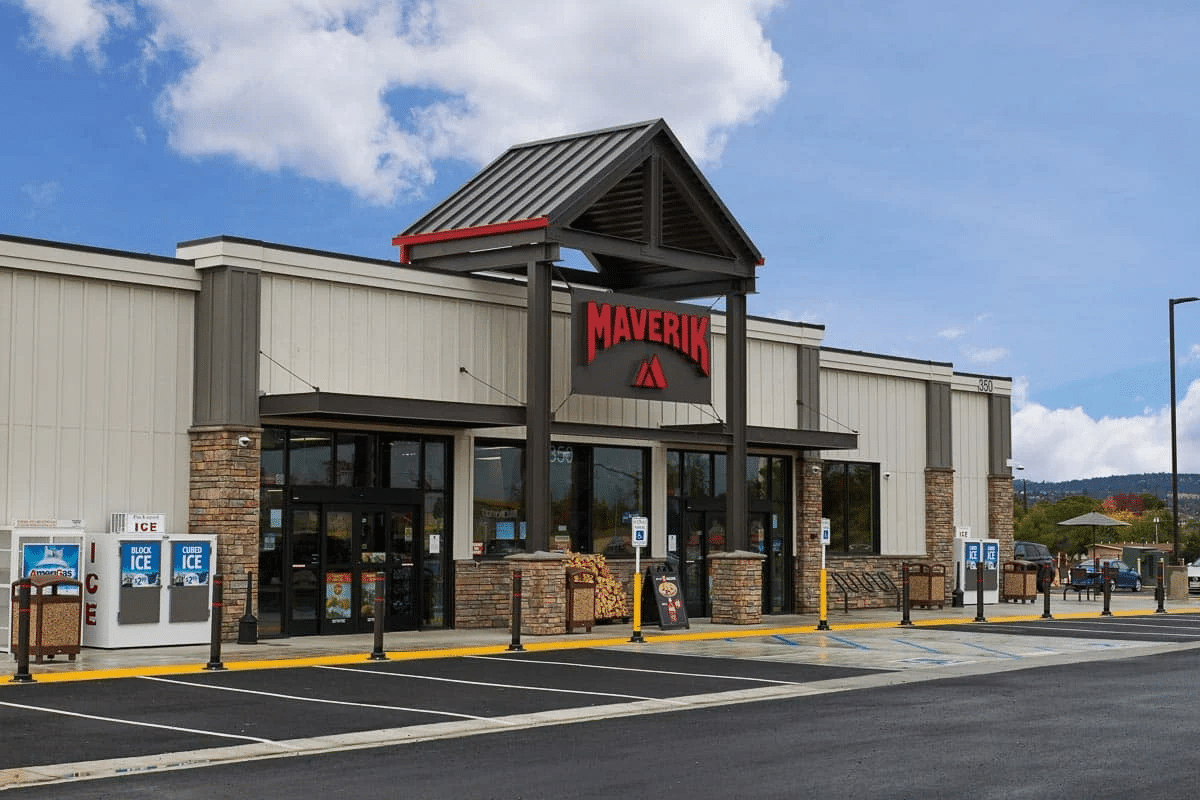
6 Gas Station Chains With Food So Good It’s Worth Driving Out Of Your Way For
We scoured the Internet to see what people had to say about gas station food. If you think the only things available are wrinkled hot dogs of indeterminate age and day-glow slushies, we’ve got great, tasty news for you. Whether it ends up being part of a regular routine or your only resource on a long car trip, we have the food info you need.
Let’s look at 6 gas stations that folks can’t get enough of and see what they have for you to eat.
16 Grocery Staples to Stock Up On Before Prices Spike Again
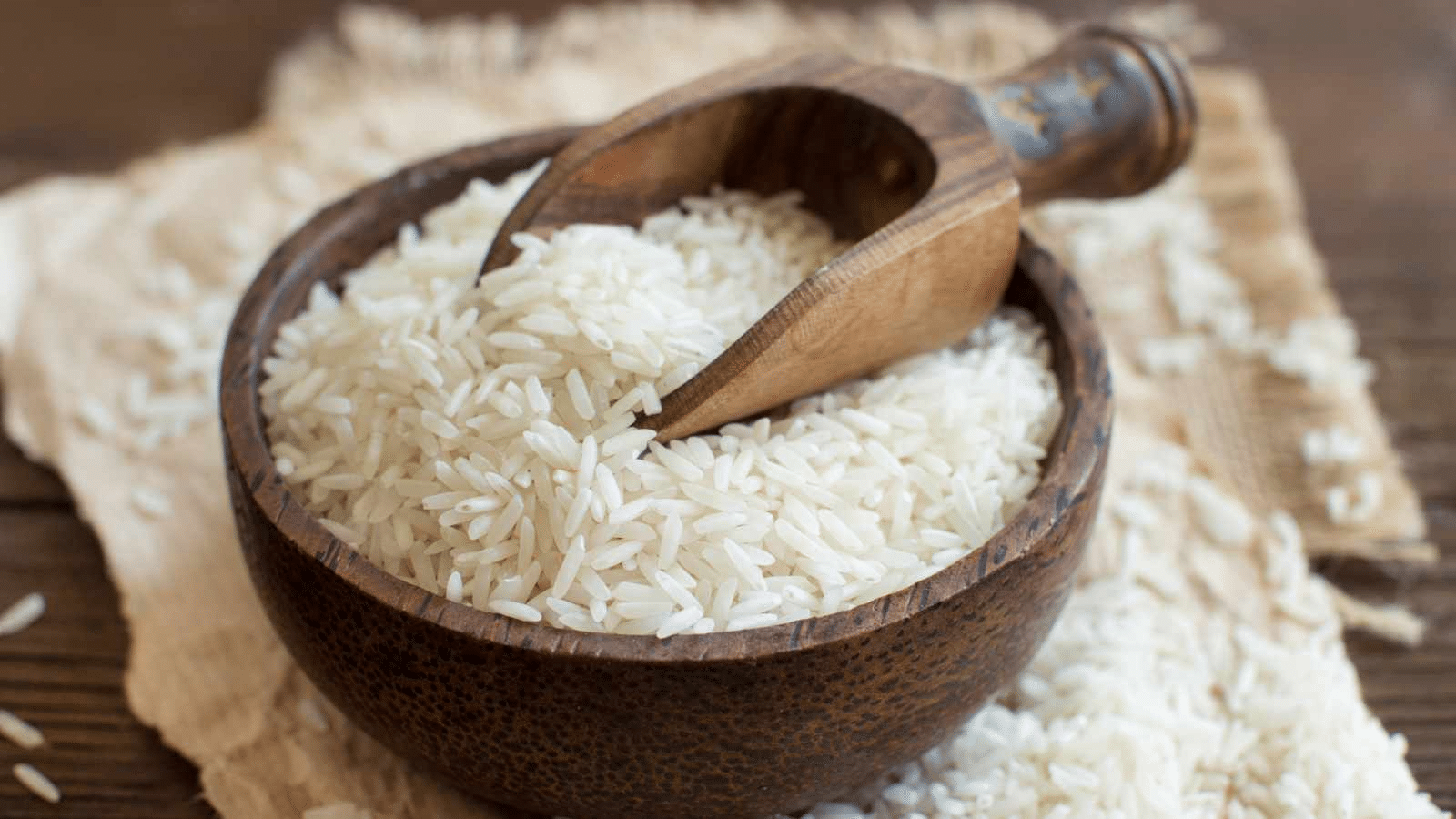
16 Grocery Staples to Stock Up On Before Prices Spike Again
I was in the grocery store the other day, and it hit me—I’m buying the exact same things I always do, but my bill keeps getting higher. Like, I swear I just blinked, and suddenly eggs are a luxury item. What’s going on?
Inflation, supply-chain delays, and erratic weather conditions have modestly (or, let’s face it, dramatically) pushed the prices of staples ever higher. The USDA reports that food prices climbed an additional 2.9% year over year in May 2025—and that’s after the inflation storm of 2022–2023.
So, if you’ve got room in a pantry, freezer, or even a couple of extra shelves, now might be a good moment to stock up on these staple groceries—before the prices rise later.
Like our content? Be sure to follow us.