

If you’re a lefty, you’re part of an exclusive club that makes up roughly 10% to 13% of the world’s population, according to a study in the NIH. For centuries, this small group has navigated a world designed for the other 90%, dealing with everything from spiral notebooks to a long history of being viewed as, well, “sinister.”
But new advances in science suggest a far more interesting picture. Turns out, being left-handed isn’t just an amusing quirk. It’s a marker for a completely different neurological map, a singular journey that begins in your genes and molds everything from how you play sports to how you heal from an injury.
So, get ready to look at your left-handed friends (or yourself!) in a whole new light.
Their Brains Are Literally Wired Differently

This isn’t a metaphor—the brains of left-handed people are structurally and functionally different from right-handers. It all starts with a basic principle of neuroscience: your brain is cross-wired. The right hemisphere controls the left side of your body, and the left hemisphere controls the right side.
For the 90% of people who are right-handed, this means their left brain hemisphere is dominant for fine motor control. But for lefties, it’s the right hemisphere that runs the show.
This difference goes way beyond just motor skills. Take language, for example. A study published in the NIH found that in over 95% of right-handed people, language processing is heavily concentrated in the left hemisphere. But for left-handers, it’s a different story.
Only about 70% of them have a left-dominant language center. The other 30% are a mix, with some processing language in their right hemisphere and others using both sides more equally.
It Might Be in Their Genes, but It’s Complicated

Ever wonder if being left-handed runs in the family? The answer is yes, but not quite so cut and dried as you might expect. Genetics definitely plays a role. Studies have shown that if you have two left-handed parents, that increases the chance to about 26% of having a left-handed child; this is well above normal rates found in the general population but far less than having two right-handed parents.
But some scientists who study twins did a study and figured out that genetics only accounts for a little bit of the reason someone is left-handed: about 25%. The other 75% they attribute to what they call “environmental factors,” which is science-speak for, essentially, whatever is up to chance during early development in the womb.
For years, researchers assumed there might be a single “lefty gene”. Now, they estimate that as many as 41 different genes may have a small impact on which hand you favor. That means your handedness is not predetermined, like your eye color. Rather, it’s an emergent property of the way your brain gets built, one cell at a time.
A tiny, random event at the cellular level could be enough to tip the scales from right to left, making handedness less about genetic destiny and more about a developmental dice roll.
They Have a Secret Weapon in Sports

If you’re in a one-on-one competition against a lefty, you’re probably at a disadvantage. In sports that involve fast reactions and aiming—like tennis, boxing, fencing, and baseball—being left-handed is a huge tactical advantage.
Evolutionary biologists even have a name for this: “negative frequency-dependent selection.” It’s a fancy term for the idea that a rare trait can be beneficial precisely because it’s rare. In a fight or a game, the lefty has the element of surprise. While left-handers make up only about 10% of the general population, they are wildly overrepresented at the elite levels of many sports.
So, what’s their secret? It’s not necessarily that they’re biologically faster or stronger. The advantage is tactical and psychological. A left-handed athlete spends their entire life competing against right-handers, so they’re masters of that matchup. But a right-handed athlete competes against a left-handed 90% less frequently.
They’re just not accustomed to the odd angles of the serves, the opposite spin on the ball, the punches from an unexpected side. Basically, lefties weaponize their unusualness, transforming their minority status into a serious competitive edge.
They Might Recover From Strokes Faster

No one ever hopes to have a stroke, but if they do, their being left-handed may be an unexpected advantage in recovery. This may be a small silver lining that goes back to their atypical brain wiring. As we mentioned, many left-handers have their language functions spread more evenly across both hemispheres of the brain. A stroke is usually counted as damage to a certain region. If a stroke injures the language centers on the left side of the brain, a right-hander may be left with terrible speech problems, a condition called aphasia.
But for a lefty with more distributed language centers, the right hemisphere can act as a natural backup system, helping to pick up the slack and allowing for a quicker and more complete recovery of language skills. It’s not just about language, either. Research published in Scientific Reports suggests that lefties might also be more resilient to “spatial neglect.”
This is a bizarre and debilitating condition that can happen after a stroke (usually on the right side of the brain), where a person simply stops paying attention to the left side of their world. They might only eat food from the right side of their plate or shave only the right side of their face.
The research found that the brain network associated with our spatial attention is more symmetrical in left-handers. And that redundancy could save them from the worst of this condition. The less-optimized brain of a lefty, in this case, is a feature, not a bug, sacrificing peak efficiency for delayed frailty.
Historically, Being Left-Handed Was Considered ‘Sinister’

Smearing ink as they write, fighting with right-handed scissors, are just a few minor irritations that lefties deal with today, compared with the persecution their ancestors faced. For most of human history, it has been a stigma, if not an actual mark of evil, to be left-handed — and our language contains the evidence. The English word “sinister” comes directly from the Latin word sinister, which literally means “left” or “on the left side”. On the flip side, our word for skill, “dexterity,” comes from the Latin dexter, meaning “right.”
This wasn’t just a linguistic quirk; it reflected deeply held beliefs. In the Middle Ages, left-handers lived in fear of being accused of witchcraft, and artists often depicted the Devil as a southpaw. Religious texts fueled this prejudice. The Bible is filled with references to the “right hand of God” as a symbol of strength and honor, while those sent to damnation are cast to the left.
This deep-seated bias led to centuries of forced “re-training.” As recently as the mid-20th century, it was common for teachers in American and European schools to force left-handed children to write with their right hands. Some would even resort to tying the child’s left hand behind their back to break the “bad habit”.
They’re More Likely to Be Male

If you meet a left-hander, there’s a better-than-average chance they’re a man. Across every culture and region studied, left-handedness is consistently more common in men than in women.
The exact reason for this gender gap is still a bit of a mystery, but scientists have some strong theories. Many believe it’s linked to the hormonal environment in the womb during fetal development. Exposure to different levels of hormones like testosterone could influence how the brain’s two hemispheres develop and specialize, potentially making a male fetus slightly more likely to end up left-handed.
This gender disparity is actually a huge clue for scientists trying to crack the code of handedness. Any time a trait shows a consistent difference between sexes, it points researchers toward the fundamental biological processes of sexual differentiation. It tells them that whatever is causing left-handedness is likely intertwined with our earliest and most basic developmental pathways.
They Might Be Natural Multitaskers

Do you feel like you’re constantly juggling a dozen tasks at once? Your left-handed friend might actually be better at it than you are. There’s growing evidence that lefties have a cognitive edge when it comes to multitasking, and it might be because their brain hemispheres are better communicators.
One theory suggests that right-handers tend to process information in a “linear sequential” way—tackling one problem at a time. Left-handers, on the other hand, may use a more “visual simultaneous” method, allowing them to process multiple streams of information at once.
The neurological reason might go back to that bigger corpus callosum we talked about earlier—the wider data highway between the hemispheres. But there’s another fascinating possibility: this skill might be the result of a lifetime of training. Because they have to constantly adjust to a right-handed world, lefties are pushed to problem-solve and use both sides of their brain in new ways every day.
This continual brain workout could reinforce the connections between the hemispheres, transforming what was once a daily nuisance into a powerful cognitive skill.
A Surprising Number of U.S. Presidents Were Lefties
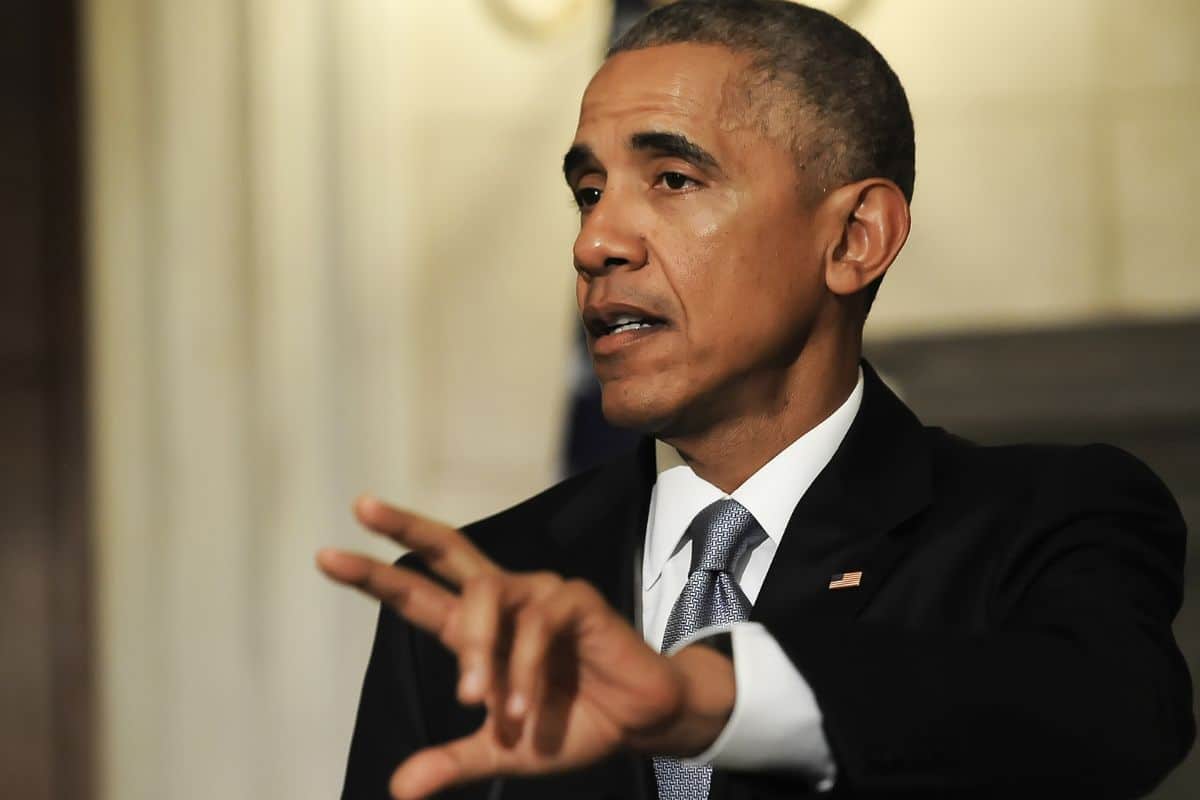
The Oval Office seems to have a soft spot for southpaws. For a group that makes up only about 10% of the population, left-handers have been surprisingly common in the highest office in the land. Recent history is particularly striking. Barack Obama, Bill Clinton, George H.W. Bush, and Ronald Reagan were all left-handed. Going further back, Harry Truman and James Garfield were also part of the club.
So, what makes lefties so electable? One theory is that their unique brain organization gives them an edge in language and rhetoric—a critical skill for any politician. Another idea, floated by the National Bureau of Economic Research (NBER), is that left-handed men are more inclined toward “divergent thinking.” This is a form of creativity that allows them to connect seemingly unrelated ideas and find novel solutions to problems.
But perhaps the answer is simpler and more profound. If anything, living life as a minority, having to make continual adjustments and think outside the box just to get through the day, might be just the sort of thing that creates, say, resilient, empathetic, creative problem solvers that we so need in our leaders. Their political success may not be brain wiring alone, but a certain character born of a lifetime of being different.
They Could Have a Higher Risk for Certain Health Issues

Being left-handed isn’t all about presidential qualities and sports advantages. The same atypical brain development that gives lefties their unique skills has also been linked to a slightly higher risk for a range of health conditions.
It’s important to be clear: being left-handed does not cause these problems. Rather, scientists believe that left-handedness and these conditions may share a common origin in the complex processes of early brain development. These are conditions such as schizophrenia, sleep problems, ADHD, Allergies, and migraines.
Think of left-handedness not as the cause of these issues, but as a potential marker for an underlying developmental pathway that is different from the norm. It’s a clue that helps scientists understand the intricate ways our brains are built.
The Whole ‘More Creative’ Thing Is Actually a Myth

Save this article
We’ve all heard it: lefties are the creative, artistic, right-brained geniuses. It’s a compelling story, fueled by famous examples like Leonardo da Vinci and Jimi Hendrix. There’s just one problem: it’s not true. A massive meta-analysis from Cornell University, published in 2025, put this popular myth to the test. Researchers sifted through over a century of research—nearly 1,000 scientific papers published since 1900—to find the definitive answer. Their conclusion was unambiguous.
According to psychologist Daniel Casasanto, who led the study, “The data do not support any advantage in creative thinking for lefties”. In fact, the review found some evidence that right-handers actually had a slight edge on certain laboratory tests of creativity and were more likely to be found in professions requiring the highest levels of creativity, like physics and mathematics.
So why is the myth so persistent? The researchers point to two main culprits: We focus on fields where lefties are overrepresented, like art and music, and ignore all the fields where they aren’t. We remember da Vinci but forget the thousands of right-handed artists. We have a romantic cultural idea that links creativity with mental illness and being an outsider. Since left-handedness has been linked to both, it’s easy to lump them all together.
They Might Earn More Money (With a Catch)

Could being left-handed lead to a bigger paycheck? Some research suggests it might, but there’s a very important catch. Several studies have found a surprising link between left-handedness and higher earnings. One analysis found that college-educated left-handers earned, on average, 10-15% more than their right-handed peers with the same level of education.
But here’s the key detail: this advantage completely disappeared for people who hadn’t attended college. In the general population, there was no income difference between lefties and righties.
This suggests that the unique cognitive style of left-handers—that “divergent thinking” we talked about with presidents—is most valuable and financially rewarded in complex, professional fields that require a university degree. In jobs that are more manual or procedural, where you’re often forced to use tools designed for right-handers, being a lefty might not offer any advantage at all.
They Have Their Own Holiday
That’s right, lefties have a day all to themselves. Mark your calendars for August 13th, which is celebrated around the world as International Left-Handers Day. The day was first observed back in 1976. It was created to be a time to celebrate the uniqueness of being left-handed and, just as importantly, to raise awareness about the everyday challenges lefties face in a world built for the right-handed majority.
Think about it: for a group that was once considered cursed and was actively forced to conform, having an official day of celebration is a huge deal. It represents a massive cultural shift from persecution to pride. It’s a powerful symbol of growing social acceptance and the recognition of “lefty-ness” as a valid part of human diversity, not a defect to be corrected.
They’re Called ‘Southpaws’ for a Reason

The nickname “southpaw” is so common we barely think about it, but it’s not just a random slang term. It has a very specific origin story that comes from the great American pastime: baseball. Back in the early days of the sport, baseball diamonds were often built with a specific orientation to keep the afternoon sun out of the batter’s eyes. This usually meant that home plate was on the west side of the field, so the batter would be facing east.
Now, picture a left-handed pitcher on the mound. As he winds up to throw toward home plate, his pitching arm—his left arm—is on the southern side of his body. And just like that, a nickname was born: he was a “southpaw”.
This little piece of history is a reminder that sports were one of the first areas of society where being left-handed wasn’t just accepted, but valued for the unique strategic advantage it provided.
They Might Be Quicker Typists
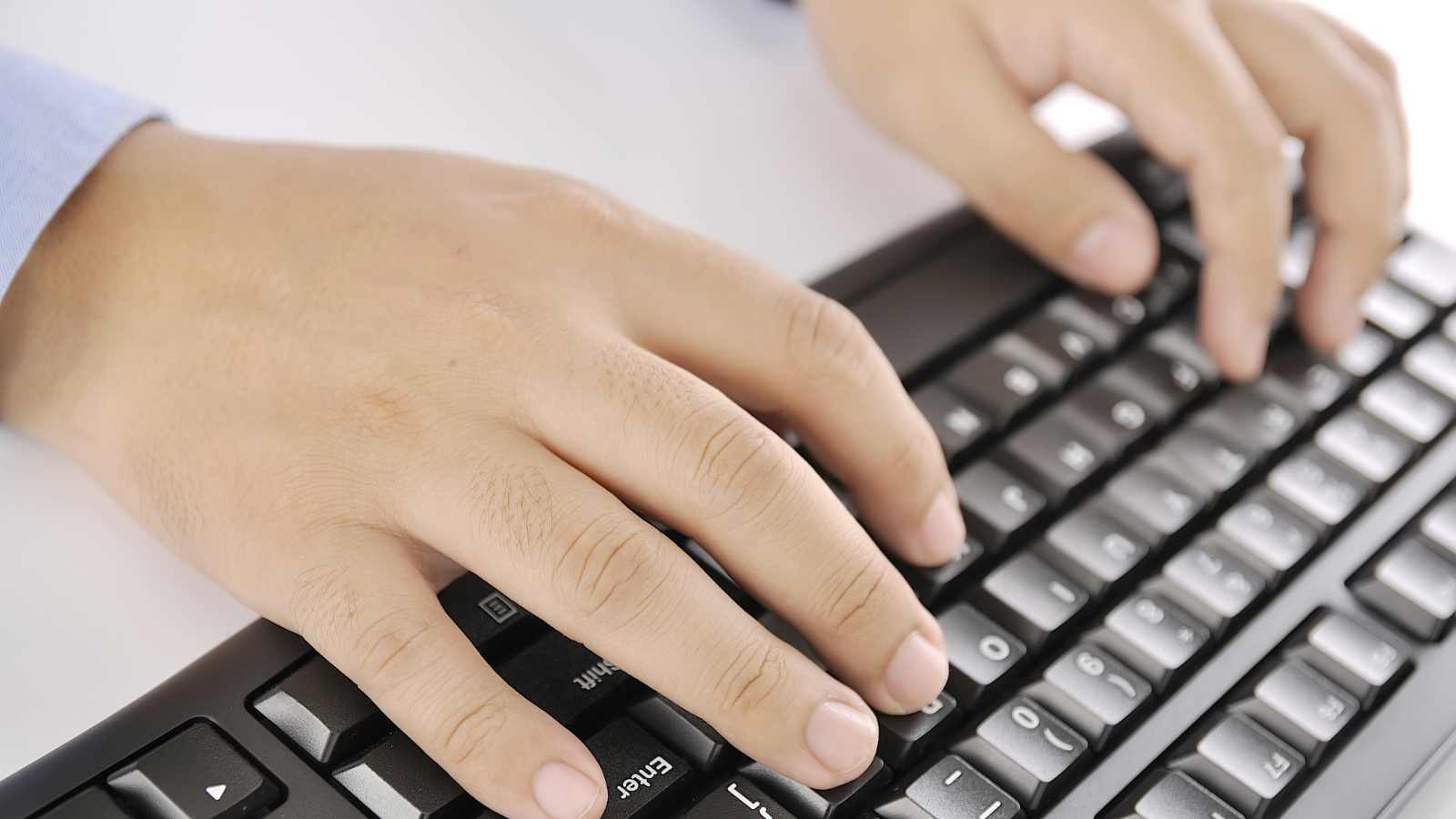
In a world full of right-handed gadgets, here’s a rare case of accidental justice: the standard QWERTY keyboard is unintentionally designed to favor left-handers.
Think about the letters you use most often. A surprising number of them are on the left side of the keyboard. In fact, you can type around 3,000 common English words using only your left hand. In contrast, you can only type about 400 words using just your right hand.
This layout wasn’t a conscious choice to help lefties. It was designed in the 1870s to solve a mechanical problem: keeping the keys on early typewriters from jamming. But the result is a system where the left hand does a lot more of the work. For a left-hander, this means their dominant, more dexterous hand is handling the bulk of the keystrokes, which could give them a slight edge in typing speed.
It’s a fascinating example of how a tool designed for a right-handed world can have unintended benefits for the minority.
They’re More Common in Violent Societies

This fact is a bit darker, but it might hold the key to a major evolutionary puzzle. Researchers have found a startling correlation: the more violent a society is, the higher its percentage of left-handed people.
This theory, known as the “fighting hypothesis,” suggests that the combat advantage of being a lefty is a powerful force of natural selection. In a hand-to-hand fight, a left-hander’s attack comes from an unexpected angle, giving them a life-or-death edge.
This could be the answer to why left-handedness has survived for millennia, despite being linked to a number of health risks. The evolutionary trade-off might be that the significant survival advantage in combat was strong enough to outweigh the costs. It frames left-handedness as a high-risk, high-reward evolutionary strategy that thrives when the stakes are highest.
They May See Better Underwater

Some evidence suggests that left-handers can adjust to seeing underwater more quickly than right-handers.
Let’s be clear, the science on this one is still a bit murky. But the theory is that it, once again, comes down to their unique brain wiring. The different way their brains process visual information might give them a slight edge when their eyes have to adapt to the distorted light and pressure of being underwater.
While we need more research to know for sure, this quirky possibility is a great reminder of just how deep the differences in left-handers might go. It suggests that their unique neurology could affect not just how they move and think, but also how they perceive the world on a fundamental sensory level, in ways we’re only just beginning to understand.
They Share Their Trait With a Lot of Cats
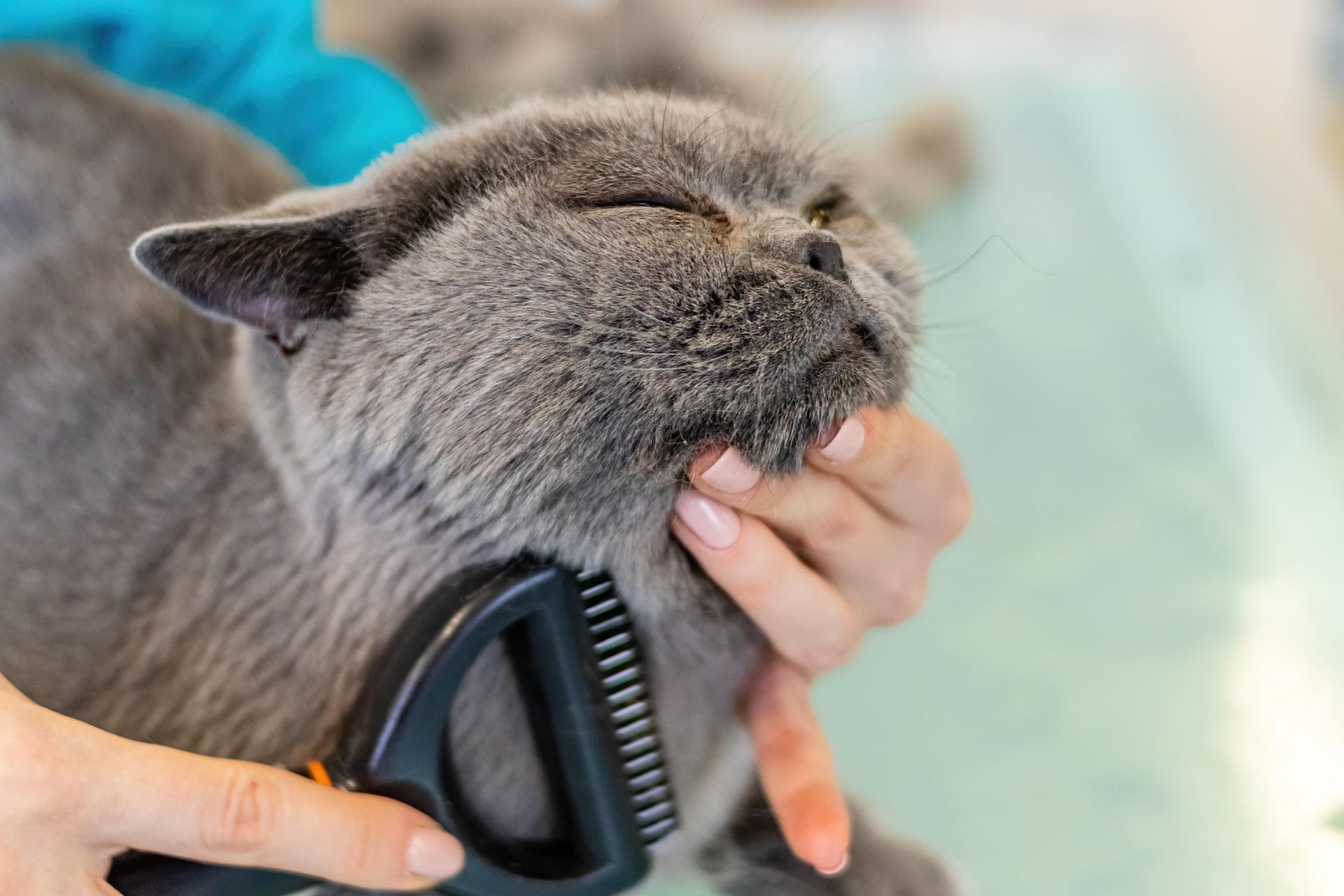
To end on a lighter note, if you’re a left-hander who also happens to be a cat person, you might have more in common with your furry friend than you realize.
While the human population has a strong right-hand bias (about 90% righty to 10% lefty), the animal kingdom is much more balanced. For cats, the preference for using their right or left paw is split almost 50/50. So, there’s a very good chance your cat is a fellow southpaw!
Looking at our closer relatives, other primates also lack our extreme right-hand bias. Chimpanzees and gorillas tend to be right-handed, but orangutans and gibbons actually show a preference for their left hands.
This flips the whole question of handedness on its head. We usually ask, “Why are some people left-handed?” But from a broader biological perspective, the real question might be, “Why are so many humans right-handed?” Our species’ overwhelming preference for the right hand is actually the true anomaly in the animal kingdom, making left-handedness a connection to a more balanced, ancestral state.
Key Takeaway

So, what does it all mean? Being left-handed is far more than just a simple quirk. It’s a fascinating glimpse into the diversity of the human brain. Being left-handed is rooted in a unique and varied brain structure that affects everything from language to motor skills.
It’s a complex trait influenced by a blend of dozens of genes and the random lottery of early development in the womb. While the “creative lefty” idea is a myth, left-handers have real, documented advantages in areas like one-on-one sports, multitasking, and potentially even recovering from a stroke.
The experience of being a lefty has been shaped by a long history of cultural bias, but it has also forged a unique set of skills—resilience, creative problem-solving, and a different perspective—born from a lifetime of adapting to a right-handed world.
Disclaimer – This list is solely the author’s opinion based on research and publicly available information. It is not intended to be professional advice.
Disclosure: This article was developed with the assistance of AI and was subsequently reviewed, revised, and approved by our editorial team.
How to Save on International Money Transfers: What Banks Don’t Tell You

How to Save on International Money Transfers
Normally, I’d question the secret fees that are hidden in my bank’s international money transfer services. While banks sometimes advertise low transfer fees, they usually do not mention the substantial exchange rate margins that quietly siphon money out of your funds. It shouldn’t be expensive to send money overseas.
I’ve discovered seven practical strategies anyone can use to save on international money transfers. Whether you’re sending a hundred dollars to a family member or paying for a service in a foreign country, these tactics will help you hold onto more of your hard-earned cash.
6 Gas Station Chains With Food So Good It’s Worth Driving Out Of Your Way For

6 Gas Station Chains With Food So Good It’s Worth Driving Out Of Your Way For
We scoured the Internet to see what people had to say about gas station food. If you think the only things available are wrinkled hot dogs of indeterminate age and day-glow slushies, we’ve got great, tasty news for you. Whether it ends up being part of a regular routine or your only resource on a long car trip, we have the food info you need.
Let’s look at 6 gas stations that folks can’t get enough of and see what they have for you to eat.