

It is hard to believe that there are job positions where people fought over them, and now they are just empty. I was chatting with my friend last week, she’s been trying to hire a cybersecurity expert for months, and she mentioned something wild. According to Cybersecurity Ventures, there are approximately 3.5 million unfilled cybersecurity positions worldwide at present. This is what made me consider how the job market is upside down.
People do not want to take on the jobs that others were once lining up around the block to get hired for. The reasons range from crazy hours and burnout to wages that haven’t kept up with inflation. Let’s dive into this fascinating shift and see which “dream jobs” have become everyone’s nightmare.
Cybersecurity Professionals

You’d think protecting companies from hackers would be the coolest job ever, right? It turns out to be more like being on call 24/7 for digital emergencies. There are currently an incredible 3.5 million cybersecurity openings worldwide, and U.S. companies and government agencies require an additional 265,000 experts just to play catch-up in staffing essentials. The problem isn’t a lack of interest; it’s the intense pressure and constant learning curve.
Constant security threats and a single breach can cost companies millions. Fields like AI and cloud security face a severe talent shortage, with some specialized roles taking up to six months to fill. While these positions offer excellent compensation, they come with exceptionally high stress levels.
Software Developers and Engineers

Do you remember the time when everybody wished to become the next Mark Zuckerberg? The dream of software development was a golden ticket to Silicon Valley. Experienced engineers in AI, blockchains, and cloud computing are now commanding salaries of up to $250,000 a year. Still, there are fewer and fewer people willing to take on these tasks.
According to the World Economic Forum’s 2023 Future of Jobs Report, AI and machine learning jobs are forecast to increase by 40 percent by 2027. However, in specific roles, there is a lag of up to six months in recruitment. People often become burned out quickly when they are required to learn new frameworks and programming languages. The tech industry’s recent layoffs haven’t helped either, making job security feel like a myth.
Home Health Aides

Taking care of people in their homes sounds rewarding, and it is emotionally rewarding. This industry is considered one of the fastest-growing occupations, according to the United States Bureau of Labor Statistics, with a projected growth rate of 21 percent from 2023 to 2033, much faster than the average for all occupations. However, here’s the catch: vacancy rates remain high because the pay is low and the work is physically demanding.
Home health aids do not usually have colleagues with them, and have to face difficult medical circumstances without support. They’re lifting patients, handling medical equipment, and navigating family dynamics that can become quite intense. The job requires genuine compassion, but compassion doesn’t pay the bills. Many employees opt for retail or food service jobs, which offer higher pay and less stress.
Registered Nurses

Nursing has long been regarded as a stable and rewarding profession, offering excellent benefits and perks. In May 2025, the U.S. added 78,300 new positions in the healthcare sector, with nursing remaining one of the most in-demand and widely available career paths.
People understand how demanding and challenging work in nursing can be, with long shifts, stressful life experiences, and life-saving decisions made every day. The level of burnout is unprecedented, and HealthAffairs estimated that from 2017 to 2030, as many as 1.1 million nurses may quit the profession. Hospitals are facing a permanent shortage of workers, as many nurses are transitioning to travel nursing and earning more money.
Construction Laborers

The construction project offered well-paying job opportunities that required no college degree. Next Move Strategy Consulting predicts that the global construction market will grow at a compound annual rate of 5.5% between 2025 and 2030, reaching $16.11 trillion by 2030.
But here’s what nobody talks about: the physical toll is brutal. Construction work is laborious and also one of the most dangerous occupations. It is a hard sell because of summer heat, winter cold, and the ever-present danger of accidents.
Electricians

Electrical work has long been regarded as a well-paying, stable career and a respected trade within the skilled labor sector. However, in some regions, particularly those with significant infrastructure demands, the vacancy rate for electricians has climbed as high as 33%, highlighting the growing need for professionals in this essential field.
The physical requirement to crawl in small holes and work in non-comfortable positions exacts its toll. Furthermore, the emergence of smart home technology necessitates the study of new systems and staying up-to-date with ever-evolving electrical regulations.
Welders and Flame Cutters

Welding was once a passport to middle-class life without a college degree. The European Welding Federation reported that these skilled employees are in demand in 21 countries in Europe, and they are also lacking in the U.S. manufacturing industry. However, the welding business is very risky, hot, and precise.
These sparks and fumes pose health hazards, and most welders eventually develop respiratory impairment over time. The work environment is often noisy, dirty, and uncomfortable. Most of the jobs involve traveling to far job sites, hence keeping welders away from their families for weeks. Younger workers are choosing cleaner, safer careers that don’t require working in extreme conditions.
Truck Drivers

Long-haul trucking was once synonymous with freedom—a chance to explore the open road while earning a solid income. However, the industry is facing significant challenges. By 2025, two-thirds of logistics organizations are expected to report ongoing staffing shortages, a sharp rise from 48% in 2023. The reality is that extended time away from home, demanding delivery schedules, and the pressure of long hours on the road are deterring new talent. With an aging workforce retiring and younger generations showing little interest in a life spent behind the wheel, the industry is grappling with a growing recruitment crisis.
Electronic logging devices track every minute, collecting vast amounts of data while limiting the sense of freedom they once promised. Instead of empowering drivers, these devices turn the job into an exercise in constant surveillance.
Restaurant and Food Service Staff

A stint in restaurants was once the springboard to greater heights, and people could work their way up to managing a place or even becoming an owner. Trading Economics reports that there were 314,000 more job openings in the accommodation and food services sector in May 2025 in the country. Vacancies remain widespread.
The pandemic made food service laborers realize what an unfair deal had been going on with them regarding wages, benefits, and even abusive customers. Working in a kitchen is hot, fast, and stressful, and cuts and burns are everyday hazards of the occupation.
Retail Sales Associates

Retail work was once a flexible job that offered the opportunity to interact with others daily. The Q2 vacancy rates in retail are over 8 percent, which is significantly higher than historical averages. Online shopping has changed all that, and now most retail employees are no longer selling products but working as warehouse employees.
It is never easy to handle demanding customers, process returns, and work weekends and holidays. However, nowadays, employees need to endure competition with online prices and the possibility of store closures.
Data Scientists

Save this article
Data science was once considered the most sought-after job of the 21st century.
A significant part of data science involves cleaning messy data and developing reports that executives will likely overlook. Many companies don’t fully understand what data scientists do, resulting in unclear job expectations and frustration.
DevOps Engineers

DevOps is an engineering approach designed to bridge the gap between development and operations, resulting in more streamlined and efficient workflows. However, hiring skilled DevOps professionals can take up to six months due to the high demand for their expertise.
The level of learning is very high, and new tools and platforms are constantly discovered. It is DevOps engineers who receive the panic calls at 3 AM when things are haywire. It is the pressure of having to have the roles of running whole company structures.
Childcare Workers

Working with children was once considered an ideal career choice for those passionate about childcare. However, the industry now faces significant challenges, with 80% to 90% of childcare centers struggling to hire and retain staff. Despite the immense responsibility of caring for other people’s children, wages remain notoriously low.
Childcare work demands patience, energy, and resilience. From managing diaper changes to handling minor injuries, the role is far from easy. Adding to the challenge, workers must navigate the concerns of anxious parents while adhering to strict state regulations, making an already demanding job even more complex.
Financial Advisors

Financial advising was once a profession that promised high income and personal fulfillment. According to the Financial Advisory Global Market Report 2025, the industry’s current value is $218.96 billion as of 2025. This value has grown year-on-year at a compound annual growth rate of 4.6%.
Despite the trend, there is always pressure to acquire new clients, build portfolios, and, at the same time, take care of those already under their portfolio; this is a huge burden. Financial advisers are brutally regulated and are under the threat of lawsuits in case of poor investments.
Medical Services Managers

Administration of healthcare facilities was once a stable, well-paying career. Such jobs are expanding at twice the average rate of jobs in the U.S., but skilled professionals are in short supply. Managing medical services is one of the most challenging tasks that involves prioritizing between patient care and budget constraints.
Healthcare managers often find themselves balancing the demands of doctors seeking top-tier equipment with administrators focused on reducing costs. Their responsibilities include overseeing staff, liaising with insurance agents, and navigating the intricate world of healthcare regulations. Compounding the challenge is the weight of knowing that management decisions can have a significant impact on patient care.
Manufacturing Machine Operators

Manufacturing jobs once provided stable, middle-income opportunities for many American workers. However, according to the U.S. Department of Labor, the manufacturing sector experienced a net loss of 8,000 jobs in May 2025.
This decline is largely attributed to unfilled operator roles, driven by the rise of automation and a growing skills gap. As machinery becomes increasingly advanced and computerized, manufacturing jobs now demand technical expertise that was not required in the past.
Clean Energy Technicians

Renewable energy has long been viewed as a win-win approach to generating income while mitigating climate change. The boom in renewable energy has created thousands of new wind and solar technician jobs. According to industry reports, as many as 20–30% of these vacancies remained unfilled for over three months in 2025 due to labor shortages and limited training pipelines.
The industry is still developing, meaning job security isn’t guaranteed. Beneath the noble cause, one has to endure the toil and hostile environments.
KEY TAKEAWAY

The job market is undergoing a significant shift, with once-coveted dream jobs now struggling to attract employees. Today, people prioritize work-life balance, fair compensation, and job stability over prestige or traditional career paths. The pandemic served as a wake-up call, reminding us that life is too short to stay in roles that fail to value our well-being.
Disclaimer – This list is solely the author’s opinion based on research and publicly available information. It is not intended to be professional advice.
16 Grocery Staples to Stock Up On Before Prices Spike Again

16 Grocery Staples to Stock Up On Before Prices Spike Again
I was in the grocery store the other day, and it hit me—I’m buying the exact same things I always do, but my bill just keeps getting higher. Like, I swear I just blinked, and suddenly eggs are a luxury item. What’s going on?
Inflation, supply-chain delays, and erratic weather conditions have modestly (or, let’s face it, dramatically) pushed the prices of staples ever higher. The USDA reports that food prices climbed an additional 2.9% year over year in May 2025—and that’s after the inflation storm of 2022–2023.
So, if you’ve got room in a pantry, freezer, or even a couple of extra shelves, now might be a good moment to stock up on these staple groceries—before the prices rise later.
6 Gas Station Chains With Food So Good It’s Worth Driving Out Of Your Way For
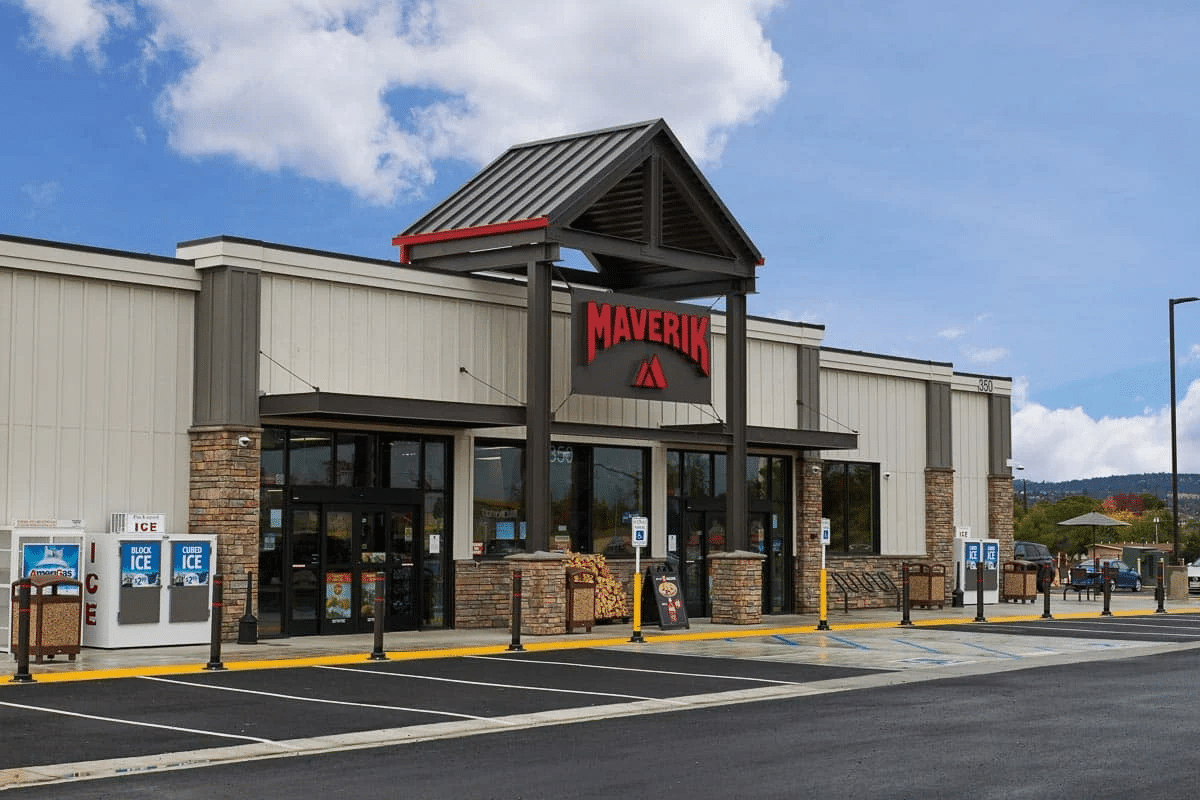
6 Gas Station Chains With Food So Good It’s Worth Driving Out Of Your Way For
We scoured the Internet to see what people had to say about gas station food. If you think the only things available are wrinkled hot dogs of indeterminate age and day-glow slushies, we’ve got great, tasty news for you. Whether it ends up being part of a regular routine or your only resource on a long car trip, we have the food info you need.
Let’s look at 6 gas stations that folks can’t get enough of and see what they have for you to eat.





