

As the world evolves, so does the survival kit required to live in it. Present-day college graduates are stepping into a very different world from that of their ancestors who went to college in the 1970s.
For example, in a 2020 Porch.com survey, 60% of millennials said they hired a professional for simple home repairs, indicating a huge knowledge gap in DIY skills. Although technology has transformed the manner in which we work, reside, and communicate, there are essential practical skills from the ’70s that are lacking in current graduates.
Here are 17 fundamental skills that made the ’70s era what they were and how today’s graduates can learn from the past.
Basic Home Fixing Skills

In the ’70s, it was nothing to have someone spackle a piece of drywall, install new tile, or fix leaky faucets. Home repair was a part of everyone’s everyday life; not only that, it was crucial for economic survival as well.
Individuals at that time took pride in being able to accomplish small tasks around the home without needing to call a professional. Flash forward to the present, and most college graduates are at a loss with even the simplest repair jobs, tending to rely on costly professional services.
The ability to repair a broken faucet or replace a broken light switch can save several hundred dollars annually and give one a feeling of accomplishment. With how-to tutorials and home improvement videos more prevalent than ever before, there is plenty of information available out there for young adults.
Gardening and Food Preservation

Before supermarket shelves were filled with convenience foods, families would harvest their own vegetables and store them for future use. The 1970s were a typical era when foods were canned, frozen, and fermented, sometimes by one generation and then passed on to the next.
When urbanization and mass food production became widespread, many of these skills eventually fell out of everyday life. Most young adults nowadays have no knowledge of how to grow their food or how to preserve it.
Learning to grow one’s own fruits and vegetables saves money and also strengthens one’s connection with the earth, providing a healthier way of living.
Typing Without Looking

Typewriters are now a thing of the past, but the skills of fast typing and accuracy remain valuable and useful. College students today may use smartphones and touchpads extensively, but fast typing with few mistakes remains a highly valuable skill in the workplace.
In the 1970s, it was routine in the curriculum of most high schools to become proficient in typing on a mechanical or electric typewriter, with an emphasis on speed and accuracy. Considering how much work today is electronic communication, this gap in typing ability directly translates to reduced efficiency.
By spending time learning how to touch type, current graduates can become more productive and recognized in the office.
Cooking from Scratch

Cooking a meal from scratch in the ’70s was not only essential, it was a cherished family tradition. Individuals prepared their bread, sauces, and even sweets from family recipes dating back generations.
Preparing food from scratch allowed individuals to take pride in what they ate and to prepare healthy, home-cooked meals. Presently, takeout and fast food have become so convenient that most individuals, particularly the younger generations, never learn to cook for themselves.
Personal Finance Management

Being able to balance a budget, interest rates, and create savings objectives were essential skills for ’70s graduates. These skills enabled individuals to prepare for their future, make informed decisions, and achieve economic self-sufficiency.
Grads need to learn first and foremost how to budget, save, and invest, ensuring a healthy financial future.
Car Maintenance

Basic car upkeep, such as tire pressure checks, oil changes, or even spark plug replacement, was second nature to young adults in the ’70s. Nobody back then had the luxury of automatic transmission or computer diagnostics to check and fix their cars; having an idea of what to do with some basic car trouble was standard procedure.
The newest graduates have little clue about these things since most of them rely on mechanics for every single minor problem. According to a 2020 AAA survey, 40% of millennials report that they are more likely to have their car serviced by a professional rather than performing maintenance fundamentals themselves.
Sewing and Repairing Clothing

In the ’70s, every household had a sewing machine, which people used to mend clothes or even create entirely new outfits. Then, people took pride in fixing torn-up clothing, hemming pants, or even resewing buttons.
Today, young adults often opt for inexpensive, fast fashion or budget alternatives rather than repairing their clothing, which is contributing to an environmental problem.
Critical Thinking and Problem-Solving

The ’70s heavily emphasized teaching children how to solve problems without the use of technology. Students were educated to think logically through problems and find new solutions in the past.
Today’s college graduates are, however, confronted with a variety of computer-based shortcuts and tools, which can at times make it difficult to think critically or solve problems independently.
Although technology is easy to use, it has also led people to rely on external information instead of exercising their own judgment. Critical thinking develops through practice and a willingness to perceive issues from multiple perspectives.
Engaging in debates, struggling with challenging questions that have no simple answer, and being open to new theories are some of the ways graduates can sharpen this important skill.
Reading Physical Maps

Before GPS software, now ubiquitous, people relied on paper maps and compasses to navigate. In the 1970s, motorists and travelers typically kept a road atlas in their car and consulted it when navigating unfamiliar terrain.
Today, however, most teenagers have never had to navigate without technology. A survey by the National Geographic Society found that approximately 11 percent of young U.S. citizens couldn’t locate the U.S. on a map.
This lack of knowledge of geographical and navigation tools leaves many individuals unprepared when technology fails them.
Physical Labor and Resilience

Physical work and building from the ground up were common experiences for ’70s graduates, be it through gardening, carpentry, or working on construction sites. Physical work was a common feature in most professions at the time, and people recognized the importance of hard work.
Today, fewer people engage in physical, manual labor due to the rise of computers and office-based work. This shift has been one of the factors contributing to a growing disconnect between individuals and the physical environment.
Physical labor and activity yield numerous positive effects, ranging from increased stamina to enhanced mental health. Embracing physical challenges can enhance resilience, problem-solving, and general well-being, in addition to cultivating a sense of appreciation for the work that goes into constructing and creating.
Networking and Interpersonal Skills

Save this article
While social networking web pages are full of potential for connection, face-to-face interaction was previously the key to forming business relationships. Networking in the ’70s was all about attending conferences, joining clubs, or simply meeting in person.
This year’s graduates, however, prefer sending a LinkedIn message or a direct tweet over handshaking and making eye contact. According to a 2019 LinkedIn survey, 85% of the hires are made through networking, yet some young professionals still struggle to build meaningful connections beyond online interactions.
Learning small talk, reading body language, and following up with good conversation helps to solidify professional relationships. With interpersonal skills mastered, graduates are not only able to network in person but can form online friendships that can transfer into long-term, real-life connections.
Telephone Courtesy

In the 1970s, making a phone call required clear communication and courteous conversation. Answering the phone was more than a simple task; it was a practiced ritual, whether for professional matters or personal connections.
Good phone etiquette includes attentive listening, concise self-identification, and an appropriate tone of voice, skills that are all too often overlooked in our hectic, informal communication culture.
An interview or an important business meeting is only one context where being able to communicate clearly on the phone can make a huge difference in how individuals are perceived.
Self-Sufficiency and Independence

In the ’70s, independence was not a personality; it was a necessity. People were conditioned to look out for themselves from an early age, whether doing household chores, cooking meals, or managing their finances.
Today, however, many college graduates are finding it harder to become independent, sometimes relying on their parents or gadgets. Becoming independent through basic, everyday tasks such as cooking, cleaning, managing personal finances, and even handling small crises gives graduates the skills to take on adulthood’s challenges.
Furthermore, independence fosters confidence, resilience, and an enhanced sense of self, which are essential attributes for achieving long-term personal success.
Handwriting and Calligraphy

With digital communication becoming the new standard in the modern world, handwriting has lost favor. In the 1970s, students were taught to write neatly in pen and even do calligraphy.
Handwriting was deemed a hallmark of refinement, and people took great pride in their ability to write with flair and accuracy. Today, with keyboards and touch screens everywhere, the art of handwriting is reminiscent of a bygone era.
For college graduates, returning to this skill can make them more effective communicators and also enhance mental acuity.
Public Speaking

In the 1970s, public speaking was a vital skill for most high school and college students. Be it delivering a speech, participating in debates, or presenting a project, students were encouraged to speak with confidence and conviction in front of an audience.
This training equipped graduates with the confidence and communication skills that they continue to enjoy today. According to the National Speech and Debate Association, students who participate in public speaking perform better in school and are more confident in themselves.
In the corporate world, having the skill to convey oneself effectively through public speaking might be the factor between receiving a job offer and not even being considered.
For graduates venturing into highly competitive job markets, good public speaking skills can be a significant differentiator among their peers.
Personal Accountability

There was a great deal of emphasis on personal accountability during the 1970s. People took responsibility for their actions and accepted the consequences. This attitude helped create a sense of responsibility in both personal and professional lives.
Today’s graduates, however, are often reluctant to take responsibility for their actions, and they typically blame circumstances or others for their mistakes. Personal accountability means being responsible for one’s errors, correcting them, and learning from the experience.
People who practice personal accountability also tend to advance in their careers, as they demonstrate leadership qualities and reliability. Encouraging accountability in both life and work fosters healthier relationships and a more successful and fulfilling future.
Reading for Fun

Reading for fun was the status quo in the ’70s when people spent their spare time reading books, magazines, and newspapers. The media and entertainment environment was a lot quieter; there was no Netflix, no Instagram, and fewer distractions.
Nowadays, however, younger adults struggle to find time to sit with a book, let alone with the temptation of digital technology that constantly stimulates them.
Key Takeaways

Though it may seem like these skills belong in a bygone era, their relevance today is undeniable. Learning to master these practical, real-world abilities equips today’s college grads with the tools they need to thrive in a fast-paced, ever-changing world.
These skills, which time doesn’t change, give graduates an edge over others, create a greater sense of connection to the world, and provide the independence needed to thrive despite life’s challenges.
By utilizing these valuable skills in their own lives, today’s graduates can create a more sustainable, meaningful, and successful future.
Disclaimer: This list is solely the author’s opinion based on research and publicly available information. It is not intended to be professional advice.
16 Grocery Staples to Stock Up On Before Prices Spike Again

16 Grocery Staples to Stock Up On Before Prices Spike Again
I was in the grocery store the other day, and it hit me—I’m buying the exact same things I always do, but my bill just keeps getting higher. Like, I swear I just blinked, and suddenly eggs are a luxury item. What’s going on?
Inflation, supply-chain delays, and erratic weather conditions have modestly (or, let’s face it, dramatically) pushed the prices of staples ever higher. The USDA reports that food prices climbed an additional 2.9% year over year in May 2025—and that’s after the inflation storm of 2022–2023.
So, if you’ve got room in a pantry, freezer, or even a couple of extra shelves, now might be a good moment to stock up on these staple groceries—before the prices rise later.
6 Gas Station Chains With Food So Good It’s Worth Driving Out Of Your Way For
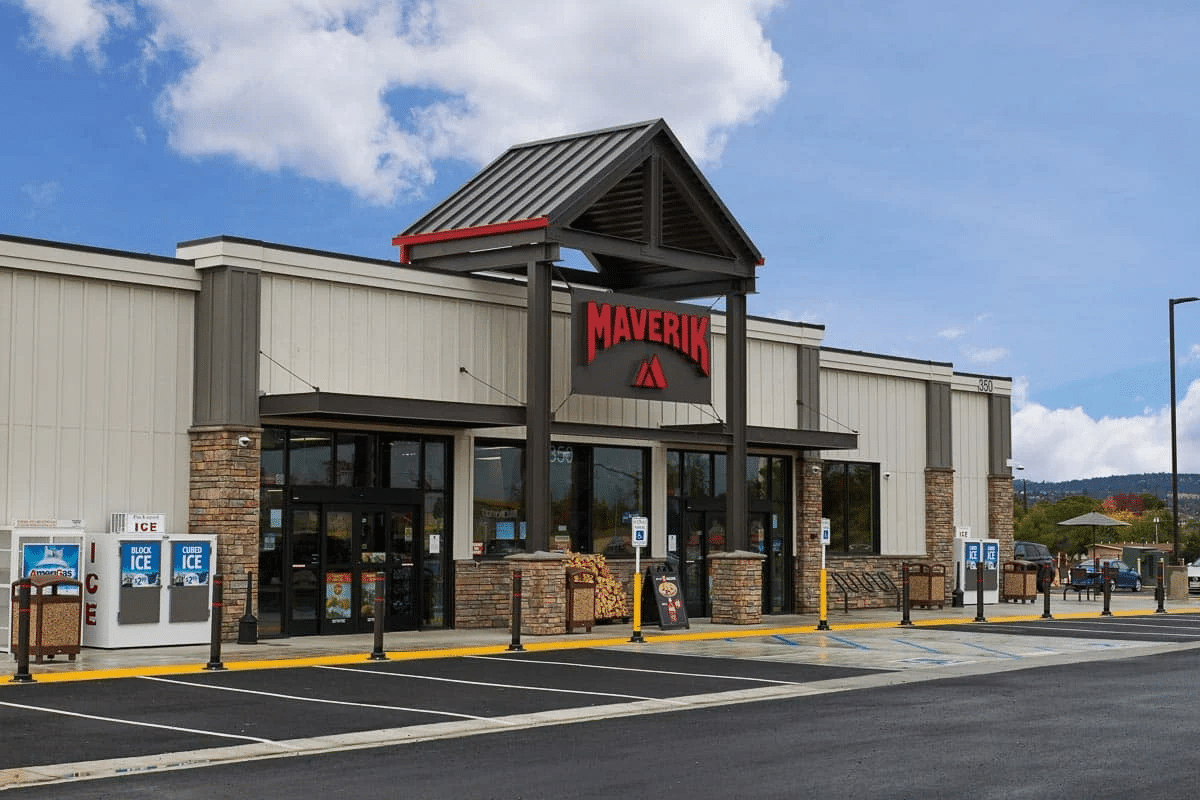
6 Gas Station Chains With Food So Good It’s Worth Driving Out Of Your Way For
We scoured the Internet to see what people had to say about gas station food. If you think the only things available are wrinkled hot dogs of indeterminate age and day-glow slushies, we’ve got great, tasty news for you. Whether it ends up being part of a regular routine or your only resource on a long car trip, we have the food info you need.
Let’s look at 6 gas stations that folks can’t get enough of and see what they have for you to eat.





