Research on the forgetting curve shows that the average person forgets about 50% of new information within an hour, and nearly 70% within 24 hours. This isn’t just about being scatterbrained – it’s actually how our brains are wired to function.
Forgetfulness is a common human experience, but certain things tend to slip from memory more often than others. Understanding what we often forget can help us create habits to stay organized, reduce stress, and improve productivity.
In this article, discover 17 things people commonly forget and learn simple tips to tackle each one. These reminders cover everyday moments and practical tasks that, when remembered, can make a big difference in daily life.
Backing up digital photos and documents

Backing up digital photos and documents is one of those tasks that often gets pushed aside, even though it’s important for protecting precious memories and important files. According to a study by the National Institute of Standards and Technology (NIST), nearly 30% of consumers have lost digital content due to hardware failure, accidental deletion, or malware attacks. These losses can be heartbreaking or costly, especially when photos and documents hold sentimental or professional value.
Creating a reliable backup system doesn’t have to be complicated. Experts recommend using a combination of cloud storage services and external hard drives to safeguard data. Automatic cloud backups add convenience and security, while physical backups provide extra protection against internet outages or cyber threats. Keeping regular backups updated minimizes the risk of losing irreplaceable files and saves time in recovery later.
Pro Tip: Turn on automatic cloud backup for your photos tonight. Most phones have built-in options (iCloud for iPhone, Google Photos for Android) that work while you sleep and cost just a few dollars monthly.
Changing air filters in your home
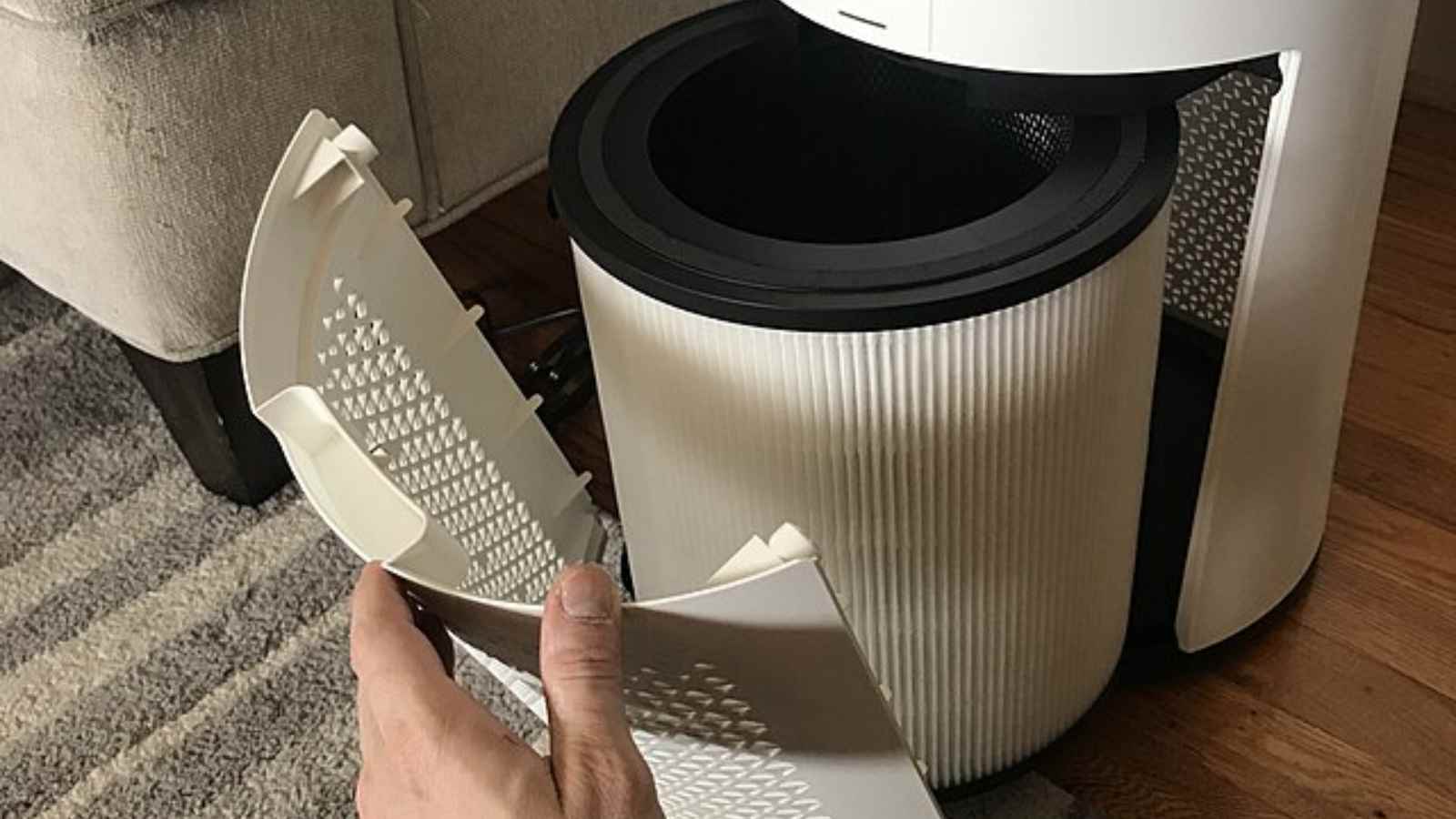
That rectangular filter in your HVAC system is probably clogged with months of dust, pet hair, and allergens, but it’s easy to forget since it’s hidden away. The Environmental Protection Agency(EPA) recommends changing standard filters every 60 to 90 days, but some homeowners forget and leave them in place for six months or longer. A dirty filter makes your system work harder and can increase energy bills significantly.
Clogged filters also affect your health – they can’t trap new pollutants effectively, so you’re breathing recycled dust, pollen, and other particles. The American Lung Association links poor indoor air quality to increased asthma symptoms, allergies, and respiratory infections, especially in children and elderly family members.
Pro Tip: Write the installation date on each new filter with a marker, and set a recurring calendar reminder for every 60 days to check it. Take a photo of the filter type and size so you’ll buy the right replacement.
Drinking enough water throughout the day

Your body’s constantly losing water through breathing, sweating, and other bodily functions, yet most of us forget to replace it consistently. The Mayo Clinic recommends about 15.5 cups of fluids daily for men and 11.5 cups for women, with dehydration being highly prevalent among older adults. Dehydration affects your brain function, energy levels, and even your mood.
The tricky part is that by the time you feel thirsty, you’re already mildly dehydrated. Research from the University of Connecticut found that even mild dehydration can impair concentration and increase feelings of anxiety. Your kidneys work overtime when you’re not getting enough fluids, and this can lead to headaches, fatigue, and difficulty focusing on tasks.
Pro Tip: Set hourly reminders on your phone to take three big sips of water. Keep a water bottle visible on your desk – you’ll drink 30% more water just by seeing it regularly.
Taking regular breaks during work

Your brain wasn’t designed to focus intensely for eight straight hours, yet we often push through without breaks, thinking we’ll get more done. The National Institute of Health found that taking short breaks can actually boost productivity. When you skip breaks, your cognitive performance drops significantly, and you’re more likely to make mistakes.
Pro Tip: Use the “20-20-20 rule” – every 20 minutes, look at something 20 feet away for 20 seconds. This gives both your brain and eyes a micro-break.
Checking expiration dates on food

That yogurt in your fridge might be weeks past its prime, and you probably haven’t checked. The USDA reports that Americans throw away about 80 billion pounds of food annually, but much of it’s still perfectly safe to eat. We forget to check dates before we buy groceries and before we consume them, leading to both food waste and potential stomach issues.
Different date labels mean different things, and most people don’t know the difference between “sell by,” “best by,” and “use by. “Best by” dates are about quality, not safety, while “use by” dates are the manufacturer’s recommendation for peak quality. Many foods remain safe well beyond these dates if stored properly.
Pro Tip: Do a weekly “fridge audit” every Sunday. Check dates on dairy products, leftovers, and condiments, and move items that expire soon to the front where you’ll see them first.
Washing hands after touching public surfaces

You touch door handles, elevator buttons, and shopping carts all day, but you probably forget to wash your hands until mealtime – if then. The CDC estimates that proper handwashing could prevent about 30% of diarrhea-related illnesses and 20% of respiratory infections. Your hands come into contact with millions of germs daily, and most of us touch our faces about 16 times per hour without realizing it.
Studies by the National Institutes of Health (NIH) show that women are more likely to wash their hands than men after using public restrooms. Even worse, most people who do wash their hands don’t do it correctly – you need at least 20 seconds with soap and warm water to effectively remove pathogens.
Pro Tip: Carry a small bottle of hand sanitizer (at least 60% alcohol) and use it immediately after touching public surfaces. Think of it as invisible gloves for your hands.
Stretching after long periods of sitting

Your muscles are quietly tightening and shortening every hour you sit, but you probably forget to counteract this until your back starts aching. Research from the American Physical Therapy Association shows that prolonged sitting can lead to shortened hip flexors, weakened glutes, and increased pressure on spinal discs – up to 40% more pressure than standing.
The Mayo Clinic reports that sitting for more than eight hours daily with no physical activity carries similar health risks to smoking and obesity. Your body adapts to whatever position you put it in most frequently, and if that’s sitting hunched over a desk, your posture will permanently change over time.
Pro Tip: Set a timer for every hour and do these three quick stretches: reach your arms overhead for 10 seconds, twist your torso left and right five times each, and do 10 shoulder blade squeezes.
Sunscreen on cloudy days

Clouds don’t block UV rays as much as you think – up to 80% still reach your skin on overcast days. The Skin Cancer Foundation reports that UV exposure is responsible for visible premature aging signs, yet most people only remember sunscreen on sunny beach days. Your skin accumulates damage every single day you’re outside without protection, even during brief walks to your car or lunch outings.
Research published in the Annals of Internal Medicine found that daily sunscreen use can slow skin aging by 24%. The study followed participants for four years and found measurable differences in skin texture, pigmentation, and elasticity between daily users and occasional users of sunscreen.
Pro Tip: Use a daily moisturizer with at least SPF 30 as your regular face cream. This removes the extra step and ensures you’re protected even when you forget to think about sun exposure.
Flossing daily

Flossing daily is a simple habit with big benefits for your oral health. While brushing cleans the surfaces of your teeth, flossing reaches those tight spaces in between where food particles and plaque can hide. The American Dental Association (ADA) highlights that flossing helps prevent gum disease, cavities, and bad breath by removing bacteria that brushing alone can’t reach.
Save this article
Regular flossing protects your gums from inflammation and bleeding, conditions known as gingivitis, which can lead to more serious periodontal disease if left untreated. National Institute of Health(NIH) research supports that daily flossing reduces the number of harmful bacteria in the mouth, lowering the risk of oral infections that can affect overall health. Plus, flossing contributes to a brighter smile by preventing plaque buildup that can cause staining.
Pro tip: If traditional floss feels tricky, try floss picks or interdental brushes. The key is consistency—making flossing part of your daily routine keeps your teeth and gums healthier over time.
Updating passwords regularly

Updating passwords regularly used to be a widely recommended practice, but recent guidelines from authorities like the National Institute of Standards and Technology (NIST) have shifted focus. Instead of frequent, scheduled password changes, experts now advise updating passwords mainly when there is evidence of a security breach or compromise. This change reflects research showing that forced routine resets often lead to weaker password choices and more user frustration.
What remains critical is creating strong, unique passwords for each account, using longer passphrases that are harder to crack, and enabling multi-factor authentication (MFA) wherever possible. Utilizing password managers can help maintain and update passwords securely without the burden of memorization. So, the key to good password hygiene is smart, event-driven updates combined with strong initial password creation and protective measures—not arbitrary regular changes.
Pro tip: Change a password immediately if you hear about a breach involving a platform you use or if you suspect your credentials have been exposed.
Cleaning out your car regularly

Cleaning out your car regularly is more than just keeping it looking good—it’s about health, comfort, and preserving your investment. A clean interior removes dust, allergens, bacteria, and unpleasant odors that build up over time. According to experts, decluttering and vacuuming often prevent allergens like pet dander and pollen from accumulating, which can reduce respiratory issues during your drives.
Professionally cleaning your car’s interior every few months helps protect upholstery and electronics from wear and tear, maintaining your vehicle’s value. Regular cleaning also creates a more pleasant environment, boosts your mood, and enhances safety by keeping windows and mirrors clear.
Pro tip: Tackle spills and trash right away, vacuum carpets and seats weekly, and schedule deep cleanings every 3 to 6 months, depending on your usage.
Rotating your mattress every few months

Your mattress is slowly developing permanent indentations where you sleep every night, but most people forget it needs regular rotation to wear evenly. The Better Sleep Council recommends rotating your mattress periodically unless your mattress care instructions indicate otherwise, yet some people never rotate theirs until they start feeling uncomfortable lumps or sagging.
Research by the National Institutes of Health found that an uneven mattress can reduce sleep quality and contribute to back pain, neck stiffness, and restless nights. When one area of your mattress gets compressed from months of use, it no longer provides proper spinal alignment. This can lead to chronic pain issues that many people don’t realize stem from their sleeping surface.
Pro Tip: Set a reminder for the first day of each season (March, June, September, December) to rotate your mattress 180 degrees. Mark the date on your calendar and pair it with changing your smoke detector batteries.
Checking your credit report annually

Your credit report might contain errors, fraudulent accounts, or outdated information that’s hurting your credit score, but most people forget to check until they’re applying for a loan. The Federal Trade Commission found that 26% of consumers identified at least one potentially material error on their credit reports. These mistakes can cost you thousands in higher interest rates or even prevent you from getting approved for credit.
Identity theft affects Americans annually, according to the Bureau of Justice Statistics, and many victims don’t discover it for months because they’re not monitoring their credit. Fraudulent accounts can appear on your report and damage your credit score before you even know they exist. Early detection is your best defense against long-term credit damage.
Pro Tip: Visit annualcreditreport.com (the only free site authorized by federal law) and check one report every four months from a different bureau. This gives you year-round monitoring without paying for credit monitoring services.
Defrosting your freezer when ice builds up

Defrosting your freezer regularly is essential to keep it working efficiently and to avoid ice buildup that takes up valuable space. Experts recommend defrosting your freezer at least once a year, or sooner if the ice layer becomes thicker than about ¼ inch (6mm). Ice buildup happens because moisture from warm air enters the freezer when the door is opened, freezing against the cold surfaces over time.
Excessive frost also affects food quality and safety. The USDA notes that fluctuating temperatures in an overworked freezer can lead to freezer burn and bacterial growth in frozen foods. When your freezer struggles to maintain consistent temperatures due to ice buildup, your food doesn’t stay properly frozen, which can impact both taste and safety.
Pro Tip: Defrost your freezer when ice reaches ¼ inch thick. Turn off the freezer, remove all food to coolers, and let it defrost naturally. Never use sharp objects to chip away ice – you could puncture the cooling coils.
Washing your pillows and comforters

You wash your sheets regularly, but your pillows and comforters are probably harboring months of dead skin cells, dust mites, and body oils. These microscopic creatures feed on dead skin and can trigger allergies and asthma symptoms, especially at night when your face is pressed against them for hours.
When washing, always check the care label to choose the right water temperature and cycle. For pillows, washing two at a time balances the load and protects your machine. Adding dryer balls or tennis balls during drying helps maintain fluffiness.
Comforters should ideally be washed in a large-capacity washer on a gentle cycle, then dried thoroughly on low heat or air-dried to prevent mildew. Regular washing not only improves hygiene but also prolongs the lifespan of your bedding.
Pro tip: Use pillow protectors and duvet covers to reduce the frequency of washing and keep your bedding cleaner longer.
Testing smoke detector batteries monthly

Testing smoke detector batteries monthly is a simple yet important safety habit that can save lives. Smoke detectors provide an early warning in the event of fire or dangerous smoke, but only if their batteries and components are working properly. The U.S. Fire Administration and National Fire Protection Association recommend pressing the test button on your smoke detector once a month to ensure the alarm sounds loudly and clearly.
If the alarm is weak or silent, it’s time to replace the batteries immediately. Many experts also suggest changing batteries at least once or twice a year, often coinciding with daylight saving time changes. Regular testing helps prevent false alarms caused by dusty sensors and confirms your smoke detectors are ready to alert your household in an emergency.
Pro tip: Clean your smoke detectors gently with a vacuum or soft brush to remove dust buildup every six months to maintain proper function.
Scheduling annual health checkups

You probably take better care of your car’s maintenance schedule than your body’s, skipping annual physical exams until something feels wrong. Common screenings include blood pressure, cholesterol, blood sugar tests, cancer screenings, and mental health evaluations.
The Centers for Disease Control and Prevention (CDC) emphasizes that preventive visits can reduce the risk of chronic diseases while promoting a healthy lifestyle tailored to individual needs. Making annual checkups a priority empowers individuals to take control over their health through timely medical advice and interventions.
Pro tip: Keep track of your checkup schedule and coordinate any specialist appointments or recommended tests with your primary care provider to build a comprehensive health plan.
Disclaimer – This list is solely the author’s opinion based on research and publicly available information. It is not intended to be professional advice.
Like our content? Be sure to follow us.