

My friend Sarah called me last week, panicked because her dishwasher broke and she had no idea how to fix it. “I’m 32 years old, and I can’t even figure out if it’s something simple,” she said.
After some basic troubleshooting over FaceTime, we discovered it was just a clogged filter, which took only five minutes to clean.
Sarah’s situation isn’t unique. Researches indicate that a significant number of key life skills are being lost, especially among younger generations. The National Institutes of Health reports that approximately 25% of adolescents now prefer to share personal matters online rather than in person.
We’re becoming incredibly sophisticated with technology while losing touch with fundamental abilities that previous generations took for granted. These are 17 of the most valuable life skills that people under 40 are losing, along with their importance.
Basic cooking skills

Picture this: You come home after a long day, and instead of ordering takeout for the third time this week, you whip up a simple pasta dish with whatever vegetables you have in your fridge. Sounds nice, right?
An entire generation has been raised on fast food, meal kits, and apps. Although this is convenient, the cost of this convenience results in the loss of health benefits, cost savings, and satisfaction of preparing your own meals.
Cooking at home allows you to control the ingredients, eliminate processed foods, and develop a connection with the food you consume. Home-cooked meals average $4-$6 per person, while restaurant meals can cost $15-$20 or more.
Sewing and mending clothes

Simple sewing used to be a universal skill; however, the advent of fast fashion means that it is often cheaper to purchase new items than to mend them.
Learning to sew on a button, hem pants, or patch a small hole can significantly extend the life of your wardrobe. It’s also surprisingly meditative; many people find the repetitive motions calming after a stressful day.
Some simple sewing techniques can help you alter your clothing to fit better or add details that reflect your style.
Map reading and navigation

GPS technology has revolutionized navigation, but it has also made us increasingly dependent on our devices. What would you do if your phone died in the middle of a road trip or in an area with poor cellular connection?
A 2024 article from Rand Publishing explains that active use of paper maps enhances memory retention and spatial orientation by engaging the hippocampus, the brain area responsible for spatial navigation and memory.
This skill becomes particularly valuable when traveling internationally, hiking in remote areas, or simply wanting to better understand your city’s layout.
Handwriting and letter writing

When was the last time you wrote something by hand for more than a few seconds? Digital communication has largely replaced handwriting, but research shows this shift has cognitive implications.
Writing by hand engages other parts of the brain than typing does, a process that can help you enhance your memory and understanding. Writing letters enables individuals to process and retain information more effectively.
Personal, handwritten letters carry emotional weight that digital messages can’t match. They show investment of time and thought that makes recipients feel genuinely valued.
Handyman skills

Self-sufficiency skills, particularly in repair and maintenance, are becoming increasingly scarce. Most young people will refer issues, even minor ones, to professionals.
Having knowledge on how to repair a leaking tap, a blocked drain, replace a light, or patch a wall can save hundreds of dollars in the long run. These skills also provide a sense of self-sufficiency and accomplishment that’s hard to replicate.
Home improvement spending peaks around $4,700 per quarter for DIY projects, with about 50% of homeowners tackling repairs independently.
You don’t need to become a master craftsperson, but understanding basic home systems helps you maintain your living space and catch minor problems before they become expensive disasters.
Gardening
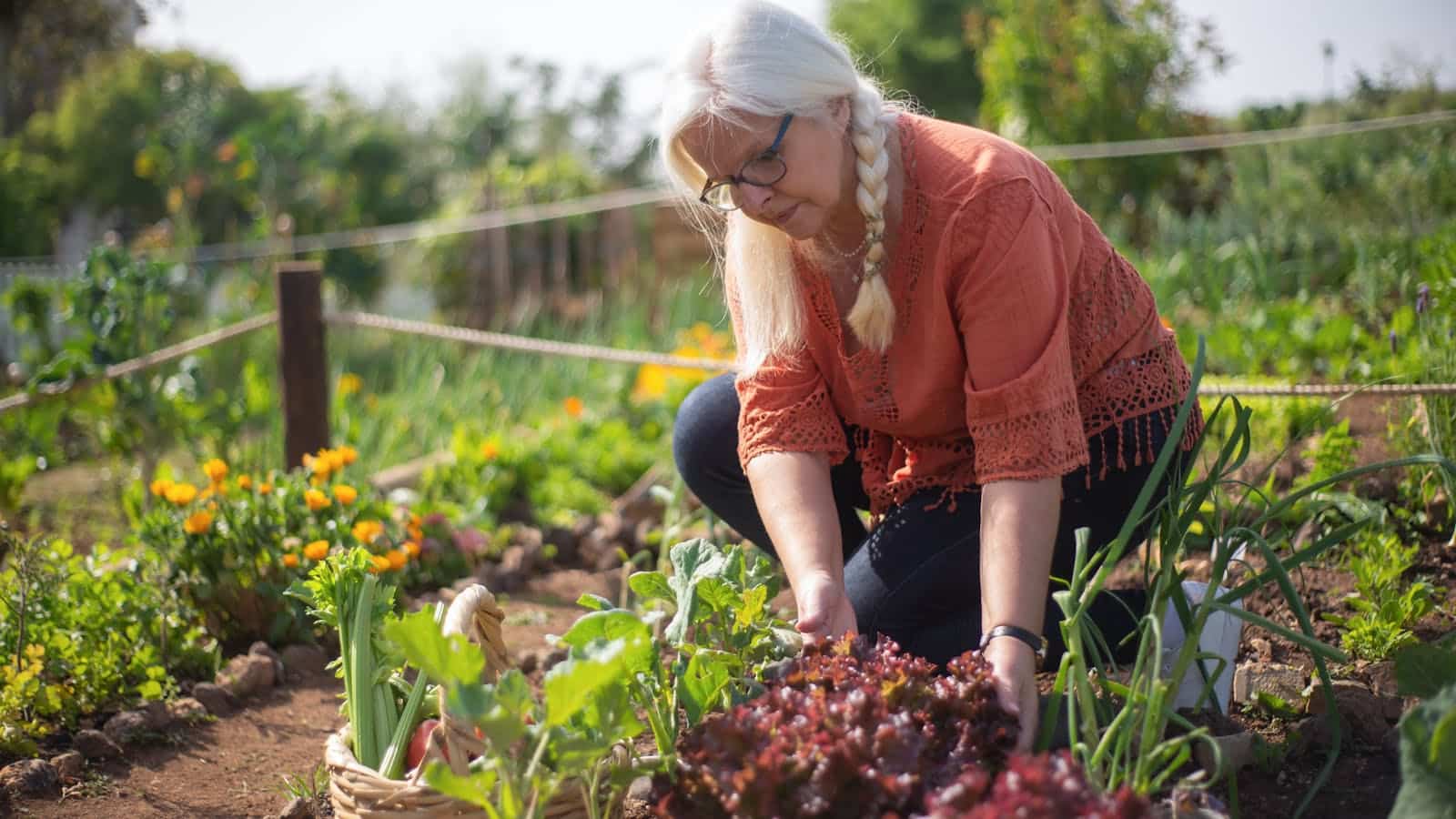
Growing your own food might seem old-fashioned, but it’s experiencing a revival for good reasons. Gardening ties you to your food source, provides fresh produce, and is an excellent form of physical activity.
Even those who live in apartments can grow herbs on a windowsill or vegetables in containers on a balcony. The practice teaches patience and responsibility, and it provides a tangible sense of accomplishment when you harvest something you’ve grown.
Gardening also helps you get in tune with the idea of seasonal eating and respect the amount of labor that goes into producing our food.
Balancing a cheque book

Balancing a cheque book means accurately tracking all transactions to know your true account balance, avoid overdrafts, and prevent fees.
Despite digital banking, manual balancing remains important because some transactions (like pending payments) don’t immediately appear online.
The U.S. Consumer Financial Protection Bureau notes that about 25% of households have overdrawn accounts, underscoring the importance of balancing to avoid costly overdraft fees.
Balancing your checkbook combines traditional habits with modern tech to maintain control over your finances and protect your money.
First aid skills

Basic knowledge of emergency response can make a significant difference and save lives. CPR, first aid for cuts and burns, recognizing the symptoms of severe medical conditions, and knowing when to seek help are essential skills everyone should possess.
Although many believe that emergency services are available at any time, there are numerous areas where simple first aid could prevent a minor accident from escalating into a tragedy.
You may enroll in a certified first aid course. The confidence that comes from knowing you can help in an emergency is invaluable.
Time management

Many people under 40 struggle with time management, despite having access to more productivity tools than ever.
A 2025 survey from Clockify shows that 82% of people don’t use a formal time management system, contributing to scattered attention.
Effective time management isn’t just about scheduling; it’s about understanding your energy patterns, setting realistic priorities, and establishing clear boundaries between work and personal time.
This skill becomes increasingly important as life gets more complex with career demands, relationships, and personal goals competing for attention.
Car maintenance

Modern cars are incredibly reliable, but basic maintenance knowledge can prevent breakdowns and extend your vehicle’s life. Knowing how to check the oil level, change a tire, jump-start a battery, or recognize signs of specific problems can save money and help avoid tricky situations on the road.
You don’t need to become a mechanic, but understanding your car’s basic needs, such as when to change the oil, rotate the tires, or check the fluid levels, helps you maintain a significant investment.
This experience will be beneficial when buying used cars, as it enables you to assess the condition and potential issues more effectively.
Save this article
Critical thinking and problem solving

Instant access to information has created a generation that’s great at finding answers but sometimes struggles with analyzing and evaluating those answers.
Critical thinking involves questioning assumptions, considering multiple perspectives, and making reasoned decisions. This is the skill we need in the world of information, where false facts go viral and everyone thinks they know everything.
The World Economic Forum identifies critical thinking and creativity as among the most important skills for the labor market, applicable across all professional fields.
Practice by asking questions like “Who benefits from this information?” and “What evidence supports this claim?”
Networking skills

Although they are more connected than ever before to their peers through social media, young people lack in-person networking and relationship development skills.
In many areas of career success, it is often more about what you know than who you know. Real networking isn’t about using people; it’s about building genuine relationships based on mutual interest and support.
This involves engaging with people you do not know, following up on business contacts, and nurturing relationships over time.
The skills do not just limit to career development, but also include the development of your community connections and friendships, which form part of enriching your life.
Public speaking

Many people rank public speaking among their greatest fears, but it’s an incredibly valuable skill for both personal and professional growth. Approximately 77% of the general population experiences some level of fear related to public speaking.
The skills to effectively talk in front of groups can be applied in the workplace, at a wedding, or advocating a cause you are passionate about, and everywhere in between.
Public speaking helps develop self-confidence, organize your thoughts, and have a positive influence on others. It’s also a skill that improves with practice. The more you do it, the more comfortable you become.
Building relationships

Social media gives us the illusion of connection, yet it also interferes with our ability to form healthy relationships. Solid relationship building should involve being vulnerable, adhering to rules, and being able to work through conflict.
This includes knowing how to have difficult conversations, showing genuine interest in others, and maintaining friendships through life’s changes. Strong bonds are among the most significant indicators of happiness and life satisfaction.
These skills apply to any type of relationship, including romantic, friendship, family, and professional relationships.
Managing finances

Despite having access to more financial information and tools than ever, many young people struggle with basic money management. Young adults aged 18 to 24 have the lowest financial literacy rate at 35.2%, highlighting a major gap in early financial education.
This involves budgeting, learning about credit, saving to reach a goal, and making informed decisions about large purchases.
Being able to grasp concepts such as compound interest, the actual cost of debt, and how to accumulate wealth over the long run prepares you to achieve long-term success.
Begin with straightforward steps, such as monitoring expendable incomes, creating a simple budget, and automating savings.
Living within your means

Although this is related to financial management, it is worth noting that it is becoming increasingly rare for people to live on less than their earnings.
Social media imposes continuous pressure on the display of a lifestyle that may not correspond with your financial position.
This competence entails the ability to identify wants and needs, derive satisfaction from experiences rather than possessions, and develop financial stability for the future.
It’s about making intentional choices with your money rather than reactive ones.
Finding stillness and managing stress

The constant connectedness of our world makes it more challenging to find time for ourselves and work through stress. It is becoming more valuable to be able to be still, reflect, and proactively manage mental health.
In 2024, 40% of adults reporting serious psychological distress used a digital mental health tool, reflecting the rise in mental health concerns linked partly to constant connectivity and social media use.
This isn’t about meditation or any specific practice; it’s about recognizing when you need breaks, knowing how to decompress, and developing healthy coping strategies for life’s inevitable challenges.
It is essential to find ways to manage stress and maintain mental health by taking nature walks, journaling, exercising, or just sitting down and thinking.
Disclaimer – This list is solely the author’s opinion based on research and publicly available information. It is not intended to be professional advice.
6 gas station chains with food so good it’s worth driving out of your way for
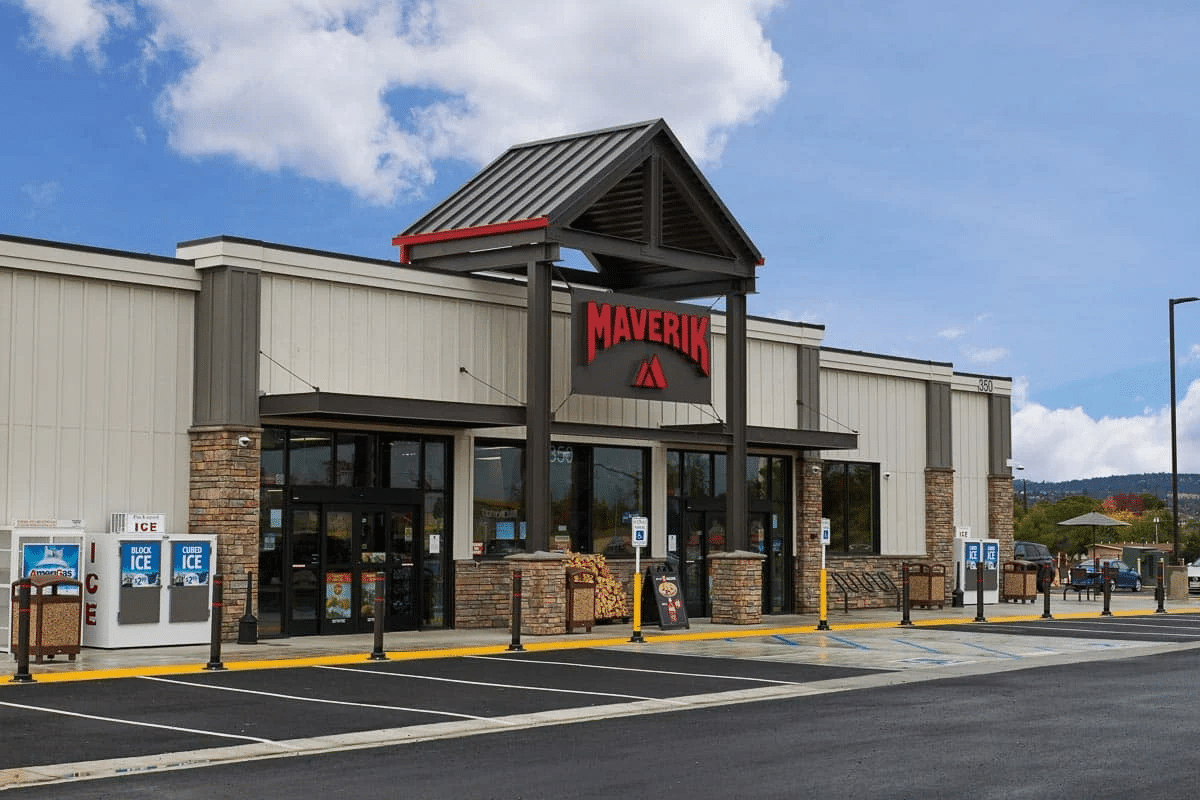
6 Gas Station Chains With Food So Good It’s Worth Driving Out Of Your Way For
We scoured the Internet to see what people had to say about gas station food. If you think the only things available are wrinkled hot dogs of indeterminate age and day-glow slushies, we’ve got great, tasty news for you. Whether it ends up being part of a regular routine or your only resource on a long car trip, we have the food info you need.
Let’s look at 6 gas stations that folks can’t get enough of and see what they have for you to eat.
16 grocery staples to stock up on before prices spike again
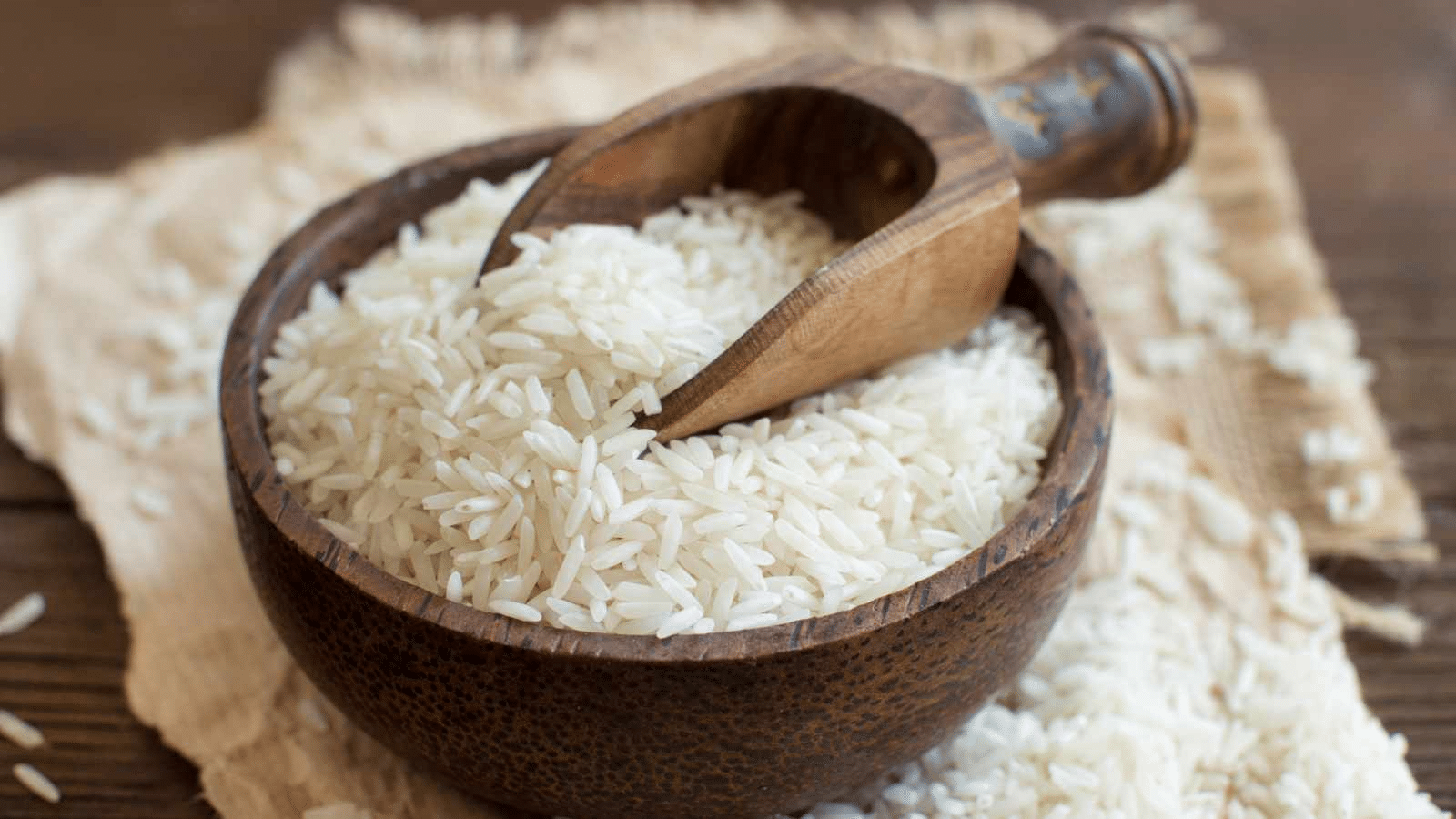
16 Grocery Staples to Stock Up On Before Prices Spike Again
I was in the grocery store the other day, and it hit me—I’m buying the exact same things I always do, but my bill just keeps getting higher. Like, I swear I just blinked, and suddenly eggs are a luxury item. What’s going on?
Inflation, supply-chain delays, and erratic weather conditions have modestly (or, let’s face it, dramatically) pushed the prices of staples ever higher. The USDA reports that food prices climbed an additional 2.9% year over year in May 2025—and that’s after the inflation storm of 2022–2023.
So, if you’ve got room in a pantry, freezer, or even a couple of extra shelves, now might be a good moment to stock up on these staple groceries—before the prices rise later.
Like our content? Be sure to follow us





