Navigating the aisles of your local grocery store can often feel like a direct battle against your monthly budget as the cost of living continues to rise.
Shoppers are constantly searching for creative ways to stretch their hard earned dollars without sacrificing the quality or flavor of the meals they prepare at home. However, supermarkets are expertly designed to tempt consumers into paying massive premiums for absolute basics.
The secret to lowering your weekly grocery bill is not necessarily clipping coupons, but rather identifying the specific convenience items that are quietly draining your wallet week after week. Walking through the store with a focused list and a critical eye can save you hundreds of dollars over a few short months.
By making a few simple adjustments and leaving these five incredibly overpriced everyday foods on the supermarket shelf, you can easily take control of your spending.
1. Precut Fruits and Vegetables
The sheer convenience of grabbing a plastic container of perfectly cubed melon or sliced onions is tempting, but the financial markup is absolutely staggering.
Grocery stores know perfectly well that busy professionals and tired parents will gladly pay extra to save ten minutes of prep work in the kitchen. Unfortunately, you are often paying double or even triple the actual price per pound for that minor convenience. This extreme price hike is completely hidden behind the illusion of saving time.
Furthermore, precut produce spoils significantly faster than whole fruits and vegetables because the protective outer skin has been completely removed. This means you are not only overpaying at the cash register, but you are also much more likely to throw the slimy, spoiled food right into the garbage just a few days later.
In fact, precut fruits and vegetables are marked up an average of 40% compared to their whole counterparts. Buying whole produce and spending five minutes chopping it yourself is one of the easiest ways to keep more cash in your bank account.
2. Single Serving Snack Packs
Purchasing individually wrapped bags of chips, crackers, or cookies is a terrible financial habit that significantly inflates your overall grocery bill.
These miniature bags are marketed heavily toward parents packing school lunches or adults needing a quick office snack. While they are undeniably easy to toss into a backpack, the cost per ounce is wildly inflated compared to buying the exact same product in a standard family size box. You are essentially paying a massive premium for excess plastic packaging and cardboard.
A much smarter financial strategy is to purchase the full size version of your favorite snacks alongside a durable set of reusable silicone storage bags. Taking ten minutes on a Sunday evening to portion out your snacks for the entire week will save you a surprising amount of money over the course of a year. It also dramatically reduces the amount of single use plastics your household consumes on a daily basis.
3. Brand Name Spices And Seasonings
Shoppers often default to buying expensive brand name spices simply because the colorful bottles look familiar, completely ignoring the cheaper alternatives sitting just a few feet away.
Spices are a critical component of good cooking, but the exact same ground cinnamon or dried oregano can vary wildly in price depending entirely on the logo printed on the label. The highly recognizable brands displayed right at eye level carry a premium price tag to cover their massive global marketing budgets.
Save this article
You are quite literally paying for their television commercials rather than the actual flavor inside the bottle. If you look at the bottom shelves or explore the international food aisle, you will frequently find the exact same spices packaged in small plastic bags for a fraction of the cost.
Related: 7 Alarming Ways Rising Costs Are Shrinking the American Grocery Cart
Better yet, many local grocery stores offer a bulk spice section where you can measure out exactly what you need. Refilling your existing glass spice jars with bulk ingredients will save you a small fortune over time.
4. Bottled Water
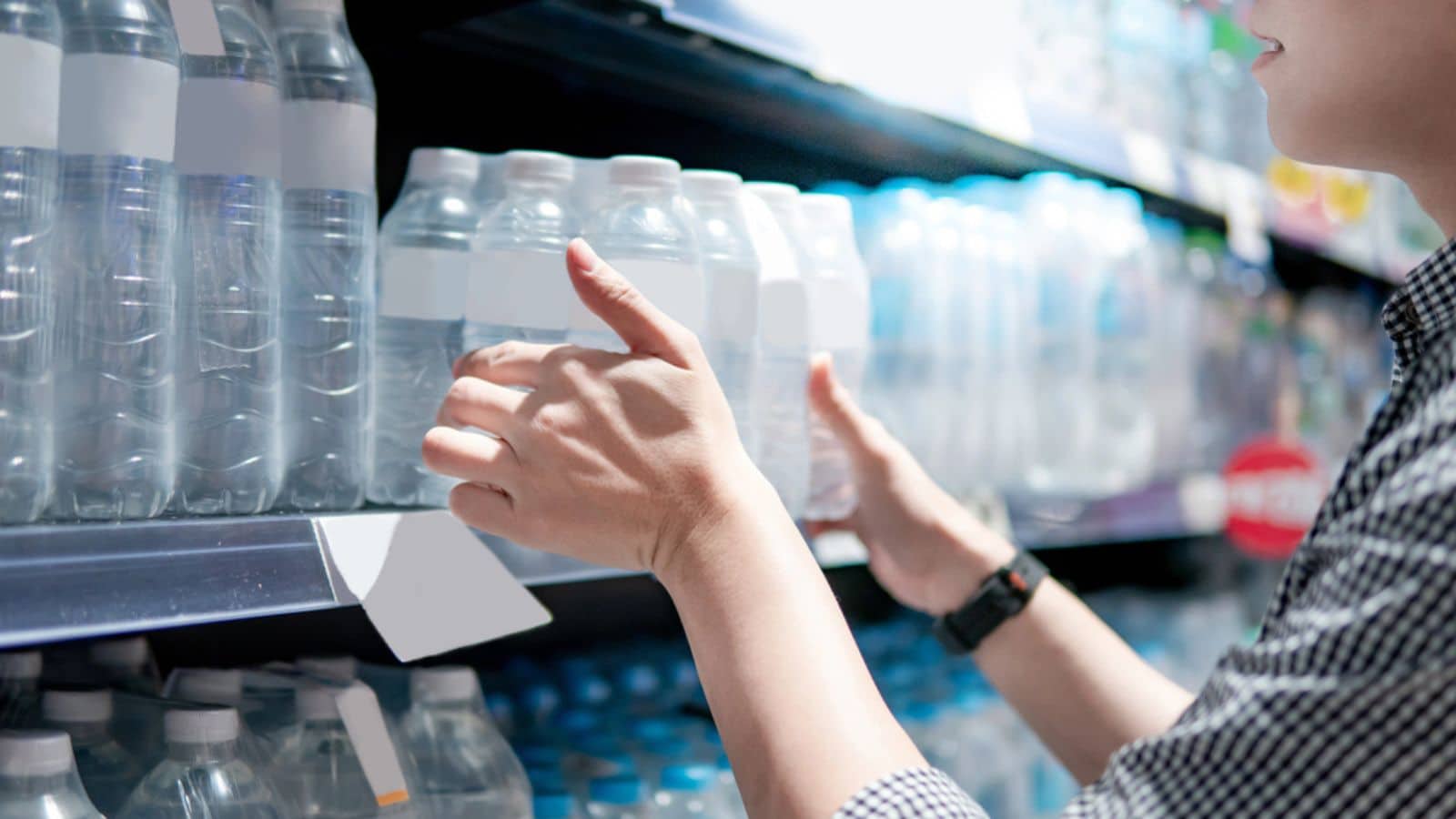
Unless you live in an area with unsafe tap water, buying cases of standard bottled water is essentially throwing your hard earned money directly into the recycling bin.
The bottled water industry has successfully convinced millions of consumers that their product is somehow vastly superior to what comes right out of the kitchen sink. In reality, many popular brands of bottled water are simply filtered municipal tap water poured into a single use plastic container. You are paying a huge markup for the packaging and the transportation, not for the actual hydration.
Investing in a high quality reusable water bottle and a simple water pitcher with a built in filter will completely eliminate this unnecessary weekly expense. This simple switch is incredibly beneficial for your personal budget and drastically reduces the amount of plastic waste your household produces every single month.
Bottled water production is 3,500 times worse for the environment than consuming standard tap water. Your wallet and the planet will both benefit from this incredibly easy transition.
5. Premium Store Bought Salad Dressings
Bottled salad dressings are incredibly overpriced given that they are mostly composed of cheap seed oils, added sugars, and artificial preservatives.
Consumers routinely pay five or six dollars for a small bottle of dressing because they believe making it at home is too complicated or time consuming. This is a complete myth that grocery stores rely on to artificially drive up their profit margins.
Creating a delicious and much healthier vinaigrette requires nothing more than olive oil, vinegar, a touch of mustard, and some basic seasonings shaken up in a glass jar. Making your own dressings at home takes less than two minutes and costs mere pennies per serving compared to the premium bottled versions.
By leaving these expensive condiments on the shelf, you instantly upgrade the nutritional value of your meals while simultaneously protecting your grocery budget. Identifying these hidden grocery store traps requires a slight shift in your weekly shopping routine, but the financial rewards are immediate.
Question for you: What is one expensive grocery item you absolutely refuse to buy anymore because you realized you could make it better or cheaper at home?