

Mail sitting in a curbside box belongs to the person it is addressed to, and federal law says so in plain terms. Three sections of the U.S. Code, 18 U.S.C. 1702, 1705 and 1708, spell out what nobody may do with another person’s mailbox or mail, and the flood of holiday cards and packages this season makes the rules especially timely.
Together, the statutes make 5 acts federal crimes: taking mail from a box to pry into someone’s affairs, destroying a letter box, stealing mail from a box or route, taking mail left beside a collection box and holding on to stolen mail. The penalties run up to 3 years in prison for damaging a box and up to 5 years for each of the other acts, with fines possible in every case. Sending paper holiday cards is one of the odd American traditions that confuse the rest of the world, and it is a big reason so much mail is in transit right now.
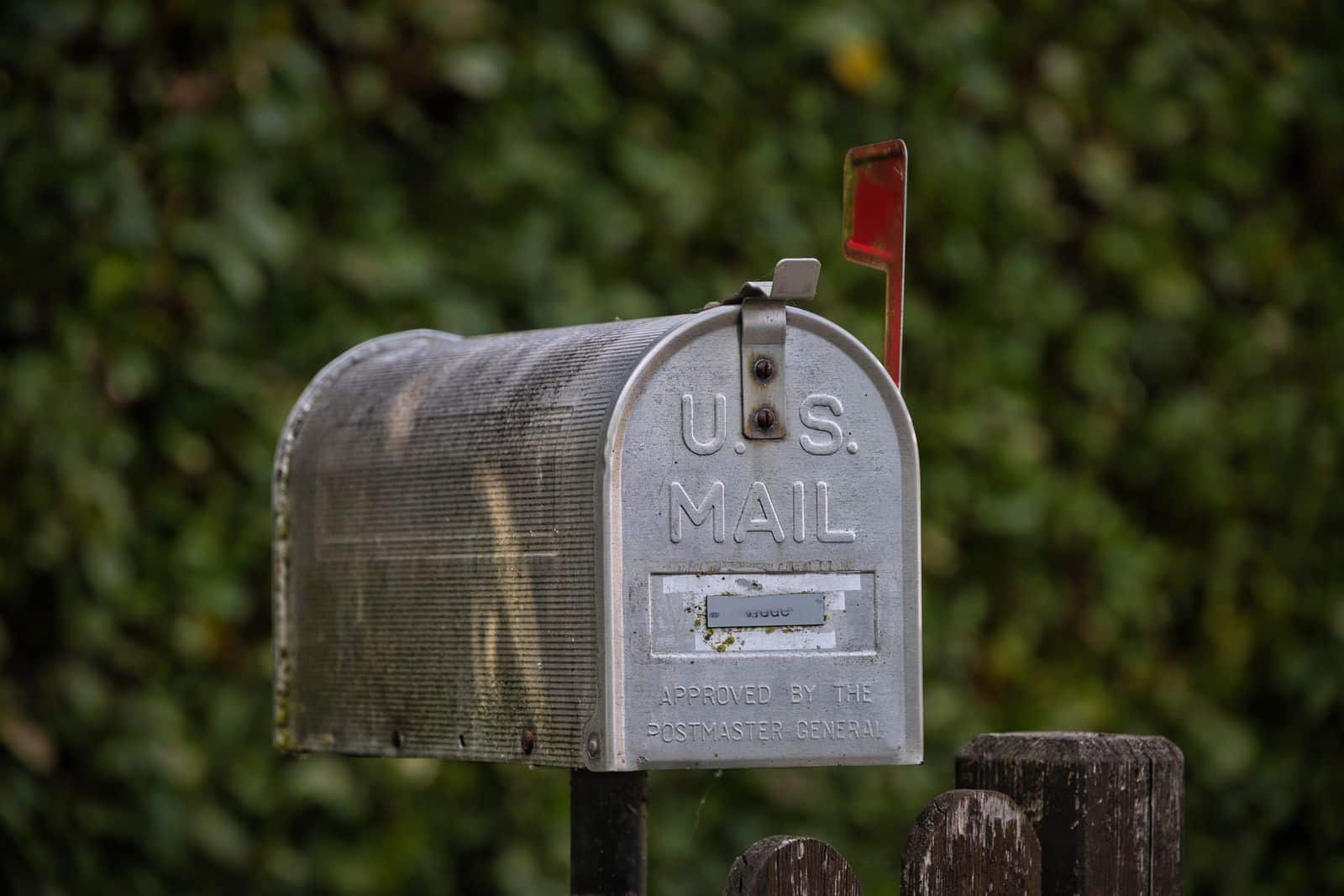
1. Taking Mail From a Box to Pry Into Someone’s Affairs
The first act comes from 18 U.S.C. 1702, which covers anyone who takes a letter, postal card or package out of a post office or other authorized mail depository before it has been delivered to the person it is addressed to. What matters is the purpose: the law applies when the taker acts “with design to obstruct the correspondence, or to pry into the business or secrets of another.”
The same section covers anyone who opens, hides, embezzles or destroys that mail. The punishment is a fine, up to 5 years in prison, or both. Handwritten letters, one of the Boomer habits that are making a comeback, are exactly the kind of personal mail the law protects.
2. Destroying or Damaging a Letter Box
The second act is covered by 18 U.S.C. 1705. The statute applies to anyone who “willfully or maliciously” injures, tears down or destroys a letter box or other receptacle used for mail on a mail route. Breaking one open is covered too, as is willfully or maliciously damaging mail that has been placed inside.
The wording matters, since the law names willful or malicious conduct, not accidents. The penalty is lower than for theft: a fine, up to 3 years in prison, or both. Late-night mailbox vandalism, the kind once treated as a teenage prank, is one of the many things that people did decades ago that would draw serious consequences today, much like the habits in this list of things people did in the 1950s that would be illegal today.
3. Stealing Mail From a Box, a Carrier or a Route
The broadest rule sits in the first paragraph of 18 U.S.C. 1708. It reaches anyone who steals, takes or abstracts mail from a post office, letter box, mail receptacle, mail route or letter carrier, or who obtains it “by fraud or deception,” including attempts to do so.
The language goes beyond carrying off an envelope. It also covers removing an item from inside a letter or package and hiding, embezzling or destroying the mail. A conviction can bring a fine, up to 5 years in prison, or both.
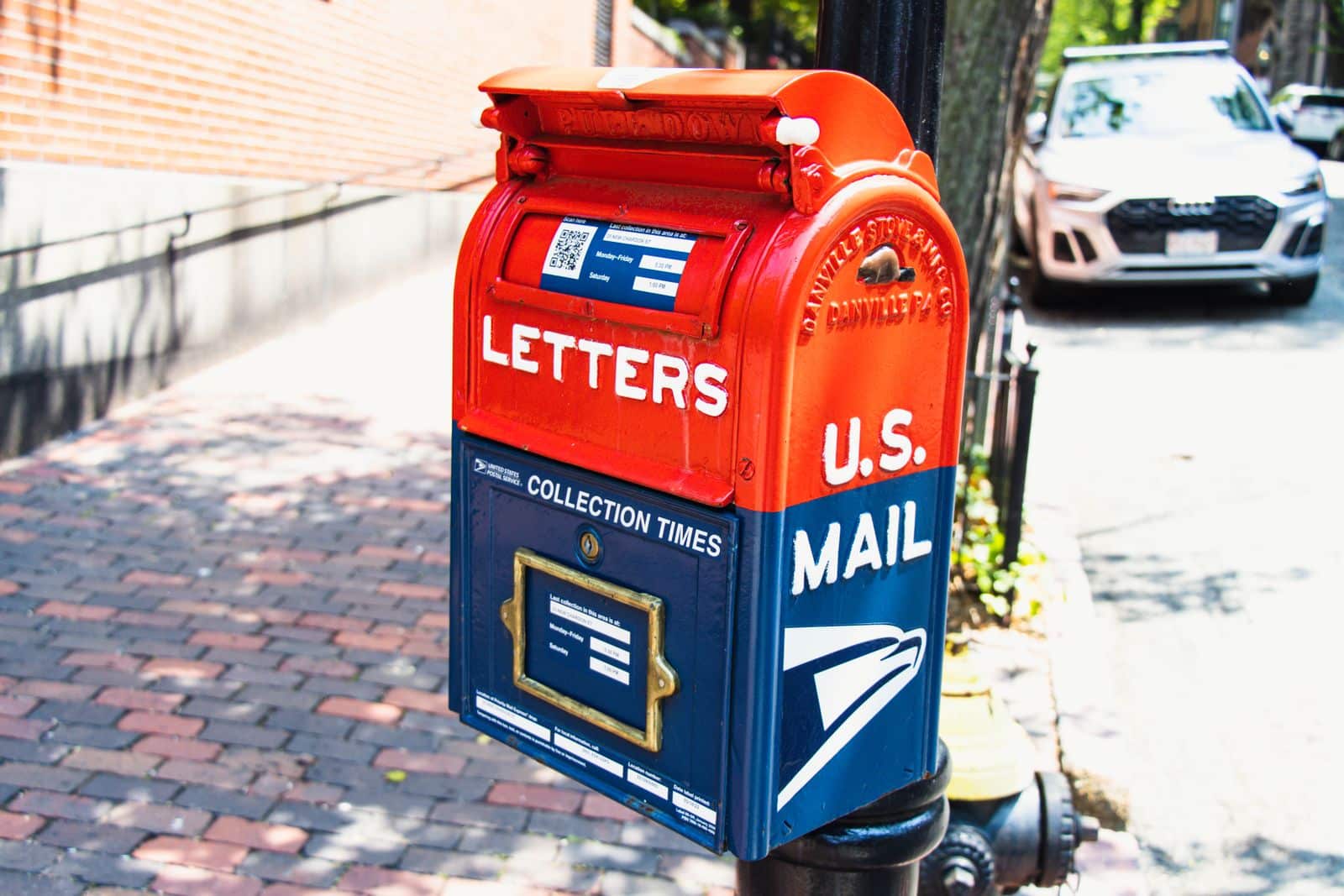
4. Taking Mail Left Beside a Collection Box
A second paragraph in section 1708 deals with outgoing mail. It makes it a crime to steal or take any letter, postal card, package, bag or mail “left for collection upon or adjacent to a collection box or other authorized depository of mail matter.”
In everyday terms, a package set on top of or beside a blue collection box is still protected mail, even though it is not inside the box. The maximum sentence matches theft from the box itself.
5. Possessing Stolen Mail
The third paragraph of section 1708 covers what happens after a theft. Anyone who buys, receives or conceals stolen mail, or unlawfully has it in their possession, “knowing the same to have been stolen, taken, embezzled, or abstracted,” faces the same 5-year maximum.
The knowledge requirement is built into the statute’s wording, so the law targets people who know the mail was stolen, not someone who simply receives a neighbor’s misdelivered envelope by mistake.
What to Do With Misdelivered Mail
Misdelivered mail is common during the holidays, and the lawful fix is simple: return it. The U.S. Postal Service says that when a letter is delivered to the wrong location, the recipient should not erase or mark over the address or write anything on it, and should instead place it back in the mailbox or hand it back to the carrier. Opening it, keeping it or tossing it is where trouble can start.
Mail laws are one example of how many everyday actions carry legal limits that most people never think about, a theme also covered in this list of household actions people do every day without realizing they’re illegal. Checking the mailbox each afternoon for cards and letters is one of the little rituals from the 80s and 90s that disappeared without much notice for many families, but the federal protections around that box have not changed.
This article was written with the help of AI tools and checked against the sources linked above.




