

Cats and dogs have a reputation as natural rivals, but plenty of households prove otherwise every day. Some cats seem almost built to share a home with a dog, thanks to confident, social, easygoing temperaments that keep them from bolting at the first bark.
Breed is never a guarantee, and every animal is an individual. Still, pet insurers, breed writers and veterinarians tend to name the same group again and again. These 7 cat breeds show up most often on lists of felines that get along well with canine housemates.
1. Ragdoll
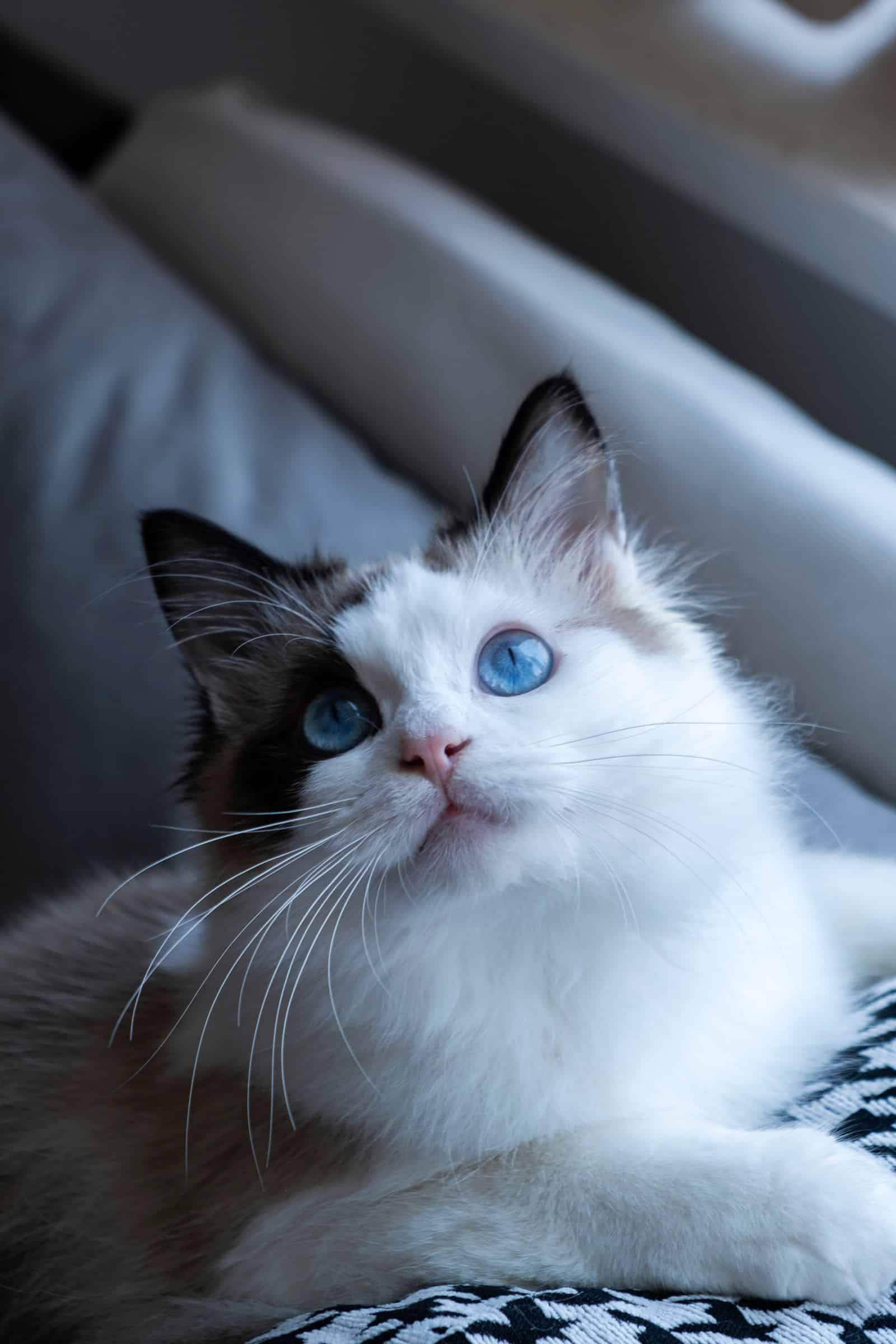
The Ragdoll is known for relaxing completely when held, and that mellow nature carries over to life with dogs. Embrace Pet Insurance describes the breed as one of the most docile cats around, with a dog-like personality, and notes that Ragdolls tend to stay down on the floor with the dogs rather than retreating to high perches. A veterinarian-reviewed Chewy guide to friendly cat breeds adds that Ragdolls can suit nearly any household and get along well with children and other pets.
One caution: Catster notes that Ragdolls do best with laid-back dogs, since a very high-energy breed can overwhelm them. Setting up a new pet household also goes more smoothly with the basics in place, like the items in this list of affordable pet essentials every pet parent needs.
2. Maine Coon
Big, fluffy and famously friendly, the Maine Coon is often called a gentle giant. Embrace says these cats are vocal, eager to socialize and confident enough to approach even very large dogs. Catster reports that Maine Coons raised with dogs are known to play ball and cuddle with them, and that the breed lacks a strong territorial streak. Hepper adds that the breed may play fetch and can even be trained to walk on a leash.
Size helps too. Catster lists males at roughly 18 to 22 pounds, which means a Maine Coon is less likely to be intimidated by a medium-sized dog. Of course, a cat this furry plus a dog can mean a lot of shedding, which is why so many mixed-pet homes compare options like these Shark and Bissell vacuums for pet hair.
3. Birman
The Birman is a sweet, people-focused breed that Embrace notes is related to the Siamese. The same Embrace guide calls it less territorial than many cats and “more curious than confrontational” when a dog enters its space. Hepper says Birmans enjoy chasing and fetching balls and play well with dogs, and Chewy notes that the breed adapts to most homes, including those with other pets.
Catster and Hepper both point out that some Birmans can show a little jealousy, especially when attention feels scarce. Knowing what bothers the dog side of the household matters as well, and this list of things humans do that dogs hate is a useful reminder that both pets have limits.
4. American Shorthair
The American Shorthair is a sturdy, adaptable cat with a calm streak. Hepper describes the breed as sweet, sociable and playful, and says it “gets along with everyone in the household, including dogs.” Embrace adds that American Shorthairs may watch a dog with interest from a little distance before deciding to join the fun, and that some grow more playful with age.
Catster notes that this breed does best with animals it has been raised around from a young age, a theme that comes up again and again with dog-friendly cats.
5. Abyssinian
Abyssinians are athletic, curious and almost always on the move. Hepper describes them as active and people-oriented and says they can keep up with even the most active dog. Catster calls the breed an engaging playmate for energetic dogs, and adds that Abyssinians tend to do well with other cats too. For a home with a young, bouncy dog that wants a playmate, this is one of the more natural pairings.
6. Japanese Bobtail
Named for its short, bobbed tail, the Japanese Bobtail is outgoing and highly social. Catster says this breed is happy to let a dog “run the show” at home and is trainable enough to join in a dog’s training sessions. Hepper notes that Japanese Bobtails tend to follow their people around, get along with both cats and dogs, and will retrieve toys right alongside a canine companion.
7. Bombay
The sleek, all-black Bombay is a true companion cat. Embrace calls the breed highly social and eager to bond with dogs, and says its love of play suits lively dogs. Catster adds that Bombays need company, and that either cats or dogs fit the bill. Hepper describes the breed as affectionate and lap-loving, and says it loves dogs and other cats, though it is not especially high-energy.
Breed Helps, but Introductions Matter More
Every source on this topic adds the same caveat: no breed guarantees a friendship. Catster stresses that compatibility depends on many factors, including the dog’s own breed and personality. Embrace suggests introducing pets while both are young when possible.
Embrace also recommends a slow introduction. The new cat starts in a closed room so the two animals can get used to each other’s scent through the door, then they see each other through a barrier, and only then share supervised time in the same room. Other tips include giving the cat a tall cat tree or shelf to retreat to, giving the dog a quiet bed of its own, keeping food bowls apart and teaching the dog cues like “leave it” and “stay.” Hepper adds that keeping the dog leashed during the first meetings can help.
Adding a second animal also means a second set of bills, so it helps to plan ahead with a guide to annual pet ownership costs for dogs and cats. And because a nervous new cat may try to slip out a door during the adjustment period, this missing pet guide on finding a lost dog or cat and preventing escapes is worth a look.
With the right match and a little patience, a cat and dog can go from wary strangers to nap buddies. Watching that friendship grow is one of the quiet rewards of running a mixed-pet home.
This article was written with the help of AI tools and checked against the sources linked above.




