

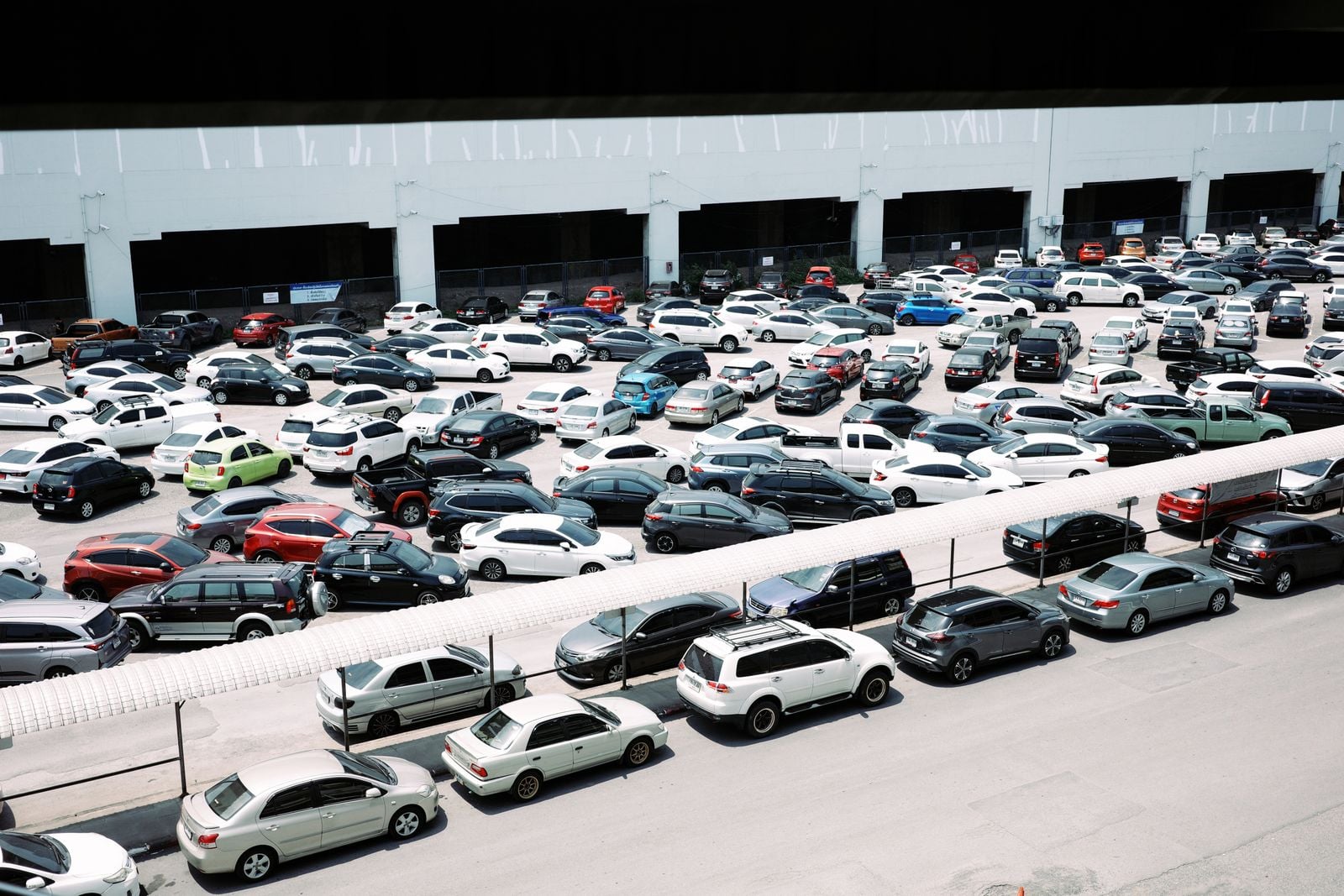
Parking lots feel like a gray zone. There are no speed limit signs every few hundred feet, the lanes are painted loosely and plenty of drivers assume that a store’s private lot sits outside the reach of traffic law. In many states, that assumption can be an expensive mistake.
Shopping center lots, restaurant lots and garages are often treated as places “open to the public,” which means a long list of laws can still apply. Here are 7 things that can lead to a fine, a citation or even criminal charges in a parking lot.
1. Driving under the influence
A short drive across a grocery store lot after a few drinks can still end in an arrest. Nolo’s guide to DUI on private property explains that some state laws ban impaired driving anywhere in the state, while others cover private property “open to the public” or premises to which the public has access. Under those wordings, the lots at restaurants, shopping malls, schools, hospitals, parks and apartment common areas are typically covered, and shopping center lots fall most clearly within the definition.
Private driveways and gated communities can be harder cases, since courts weigh whether the general public can actually use the property. For an ordinary store lot, though, the safest assumption is that DUI law applies in full. Crashes are common enough on regular streets, as this list of cities that have the most car accidents shows, and impairment only raises the odds in a crowded lot.
2. Doing doughnuts or other stunts
An empty lot late at night can tempt drivers who want to show off. California addressed that directly in 2024. As ABC7 reported, a law known as AB 2186 lets authorities act against people performing illegal stunts in off-street parking facilities, and a California Highway Patrol lieutenant said doing doughnuts in a parking lot can be handled the same way as on a public roadway. A companion law, AB 3085, allows spectators’ vehicles to be seized for up to 30 days.
The state’s Vehicle Code section 23109 already outlaws speed contests and exhibitions of speed, and the newer rules close the gap for lots and garages. Newer cars come loaded with tech that drivers have mixed feelings about, as this rundown of useless or annoying modern car features makes clear.
3. Parking in an accessible space without a placard
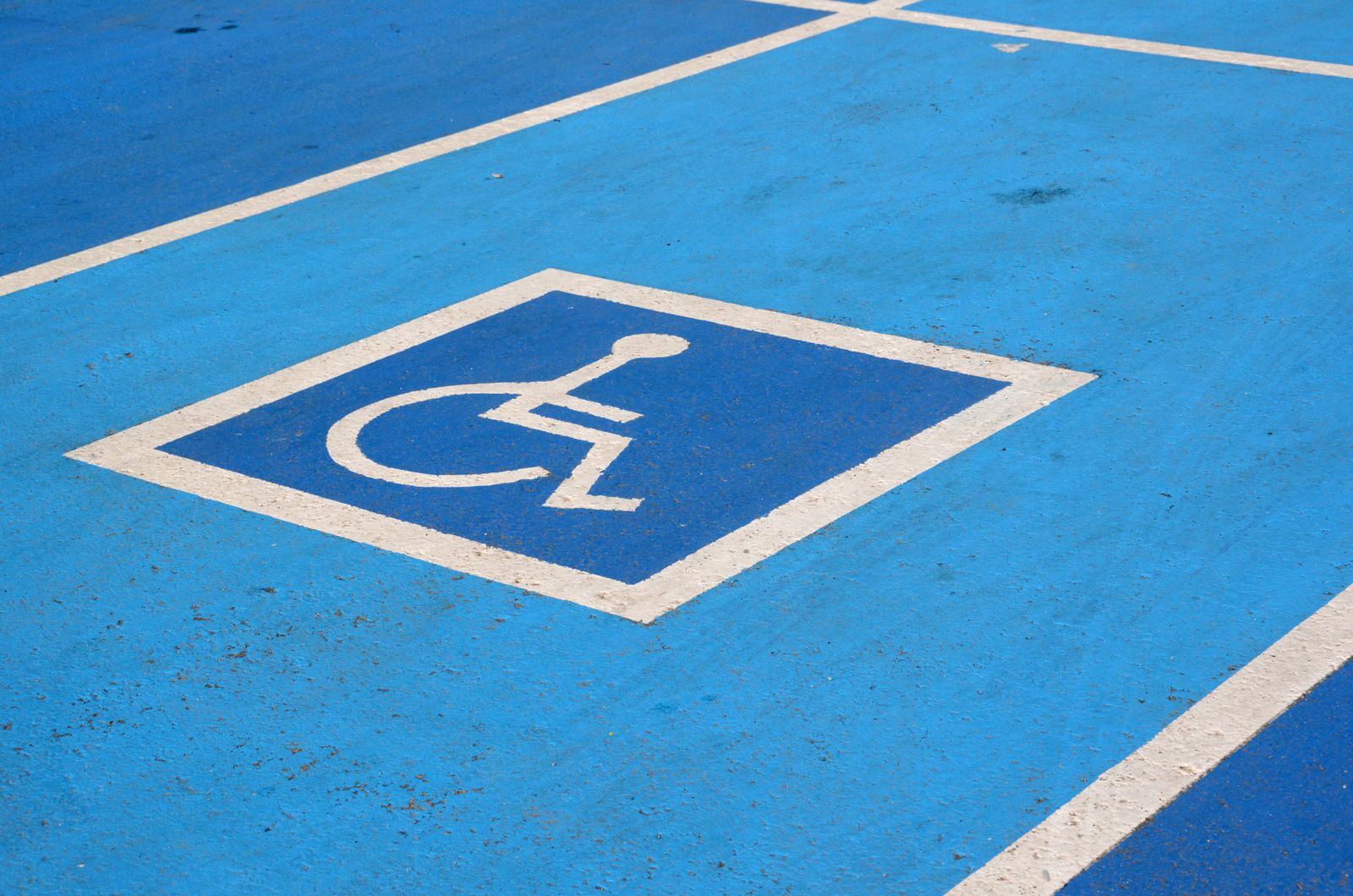
The blue spaces near the entrance are reserved for a reason, and enforcement is real. In Boston, the city’s parking ticket fine schedule lists a $120 fine for parking in a space reserved for people with disabilities, plus a late penalty. In California, the Department of Motor Vehicles says offenders can receive a misdemeanor citation carrying a fine of $250 to $1,000.
Penalties vary from state to state and city to city, and pulling in “just for a minute” to grab a coffee is still parking in the space. For shoppers trying to save on vehicle costs, these used family cars with minimal maintenance costs are a far better way to keep money in the bank than gambling on a ticket.
4. Borrowing someone else’s disabled parking placard
A placard hanging from the mirror is tied to a person, not a car. The California DMV says a placard can only be used by the person to whom it is assigned, and in one fiscal year its investigators issued 2,485 misdemeanor citations for placard misuse after contacting more than 26,000 drivers. Offenders face fines, have the placard confiscated and get the violation added to their driving record.
A guide from Shouse California Law Group explains that California Vehicle Code 4461 also bars the placard holder from lending it out. The main exception is when someone is driving the disabled person and parking nearby while transporting them. Using a parent’s or grandparent’s placard to grab a close spot while running solo errands is the classic violation.
5. Parking in a fire lane
Fire lanes along the front of stores and apartment buildings keep a path open for emergency vehicles. Boston’s fine schedule lists a $100 fine for parking within a fire lane, the same amount it charges for blocking a hydrant. Fire lane rules are usually set locally, so the exact amount varies from one city to the next.
Because the whole point is to keep the lane clear for emergency crews, even a quick wait there with the engine running while a passenger runs inside is a gamble. Small conveniences like this often show up on lists of things people still do in public that annoy others, and in a fire lane they can also draw a ticket.
6. Hitting a parked car and driving away without leaving a note
Dings and scrapes are common in tight lots, and drivers are expected to take responsibility for them. Virginia’s Code section 46.2-896 is a clear example. A driver who damages an unattended vehicle and cannot find the owner must leave a note or other sufficient information in a conspicuous place at the scene, including identification and contact details.
The same law requires the driver to report the crash in writing to the State Police or the local police within 24 hours, including the date, time and place and a description of the damage. Skipping those steps and simply driving away is what turns a parking lot scrape into a hit-and-run problem. Many older drivers learned habits that no longer hold up, a theme explored in these old-school driving tips banned today, but leaving a note has always been the right call.
7. Littering or dumping trash
Tossing a fast-food bag or an old tire out of the car may seem like a minor shortcut, but littering laws exist everywhere. The National Conference of State Legislatures notes on its page about states with littering penalties that all states have some type of litter law, with fines ranging from $25 in Massachusetts to as much as $30,000 in Maryland. Courts often add cleanup duty or community service in minor cases, and some states can suspend a driver’s license.
Larger dumping, such as leaving furniture or bags of household trash beside a store’s dumpster, can be treated more seriously than a single wrapper, depending on the weight or volume involved. Using the lot’s trash cans, or simply taking the garbage home, avoids the problem entirely.
The takeaway
A parking lot may belong to a store or a landlord, but that does not make it a law-free zone. DUI rules, accessible parking protections, fire lane restrictions, hit-and-run duties and litter laws often follow drivers right off the street and into the lot. Paying attention to signs, keeping blue spaces and fire lanes clear and owning up to a scrape are simple ways to avoid all 7 of these headaches.
This article was written with the help of AI tools and checked against the sources linked above.




