

Some dogs seem to understand a new cue after a handful of tries, while others treat every lesson as an opening bid in a long negotiation. Breed is not the whole story, but it does shape how readily a dog looks to a handler for direction, how much it enjoys repetition, and how quickly a behavior sticks.
The best-known attempt to measure that difference came from psychologist Stanley Coren, who surveyed obedience judges across North America and ranked breeds by what he called working and obedience intelligence. As he explained in a Psychology Today column on breed differences, 199 judges responded and 133 breeds received enough ratings to be placed. The 8 breeds below sit at the very top of that list, and trainers and breed clubs still describe them as unusually quick learners.
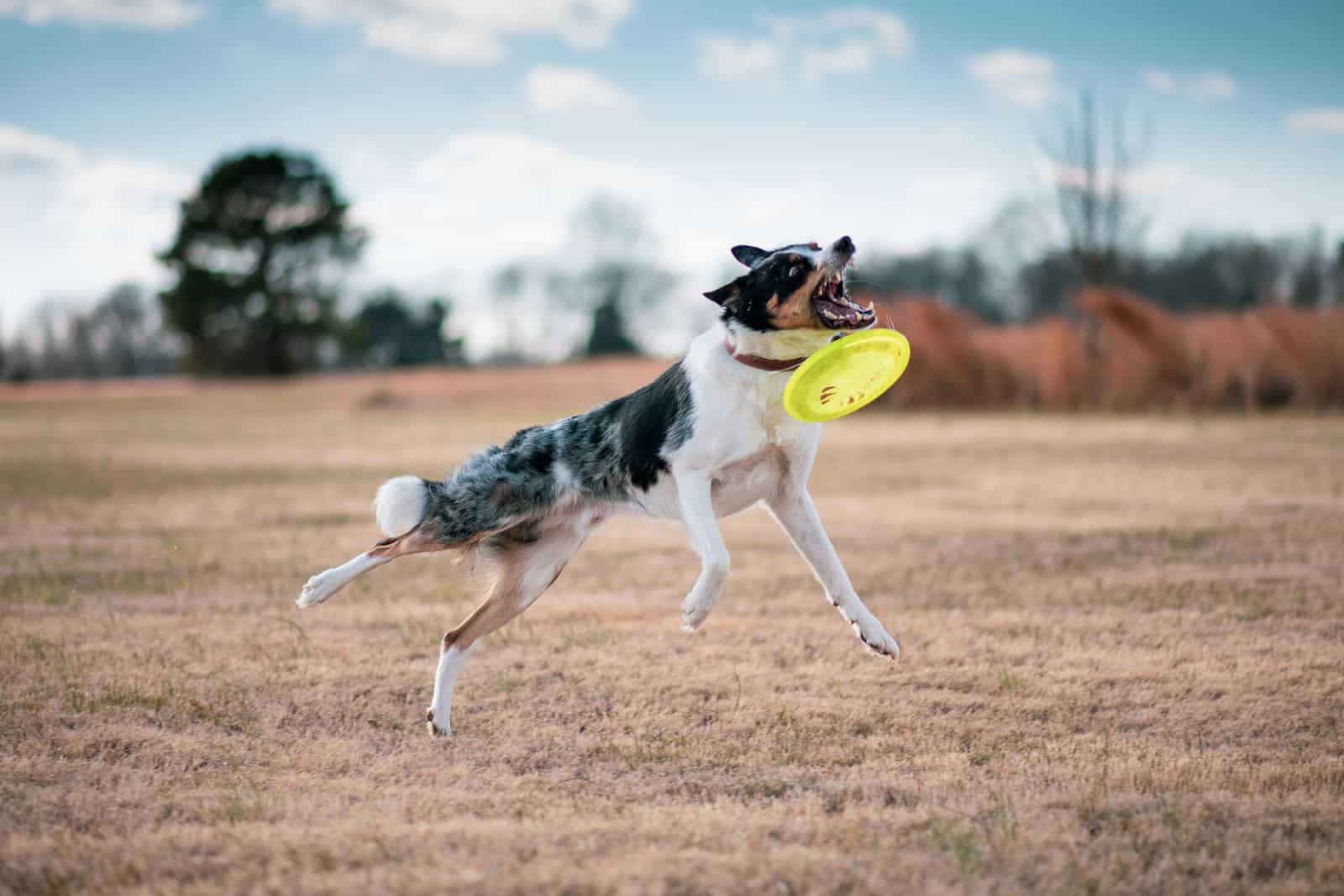
1. Border Collie
The Border Collie is the breed nearly everyone expects to see first, and the judges agreed. Coren reported that 190 of the 199 judges placed it in their top 10. The American Kennel Club, in its roundup of 13 of the most trainable breeds, calls it a “whip-smart workaholic” that learns remarkably fast.
That speed comes with a catch. Bred to move sheep across open hills for hours, this dog needs a real outlet for its energy and focus. Without structured work, games or dog sports, a bored Border Collie may invent its own projects, such as herding children, cars or other pets. Owners who enjoy daily training sessions tend to find the breed a joy, and the breed also turns up on lists like 10 Best Dog Breeds That Make Excellent Best Friends for good reason.
2. Poodle
Poodles rank second in Coren’s list, and the AKC notes that Poodles of any size, from Toy to Standard, will learn whatever they are taught. Its fancy show clip often distracts from that point, but the breed’s reputation among trainers has far more to do with focus than with grooming.
According to the pet care service Rover’s guide to the easiest dogs to train, Poodles are smart but sensitive, so they respond best to positive methods and short sessions. Harsh corrections can make a Poodle shut down, while praise, treats and play keep it eager for the next lesson.
3. German Shepherd Dog
The German Shepherd is a common sight in police, military and search work, and the AKC describes it as a tireless worker that wants to please its handlers. That combination of drive and attention to people is exactly what makes formal training click.
The pet adoption site Adopt a Pet, in its list of easy-to-train dogs, says the breed is quick to read signals and learn tasks but needs confident, competent owners. Because a German Shepherd can be wary of strangers, early socialization matters as much as obedience cues. Many common beliefs about how dogs think are also worth questioning, as 19 Common “Facts” About Dogs That Are Actually False points out.
4. Golden Retriever
Friendly and famously cheerful, the Golden Retriever ranked fourth with the judges. The AKC describes it as eager to please, silly and fun, and warns against underestimating its brainpower. That eagerness, paired with a gentle temperament, makes the breed a natural for families who want a dog that enjoys learning tricks.
Rover’s trainers add one practical warning: Goldens need both mental and physical activity, or they may chew things they should not. A daily mix of fetch, scent games and short obedience drills usually keeps this breed happy. Owners who want to avoid common frustrations may also want to read up on the 12 Things Human Do That Dogs Hate So Much, since a stressed dog rarely learns well.
5. Doberman Pinscher
Like the German Shepherd, the Doberman is a familiar breed in police and military roles. The AKC calls it fearless, loyal and an enthusiastic worker known for learning and keeping its training.
Rover’s experts note that Dobermans are athletic and bore easily, so short sessions and early socialization work better than long, repetitive drills. Training sessions that end while the dog is still keen tend to build a more reliable Doberman than marathon practice.
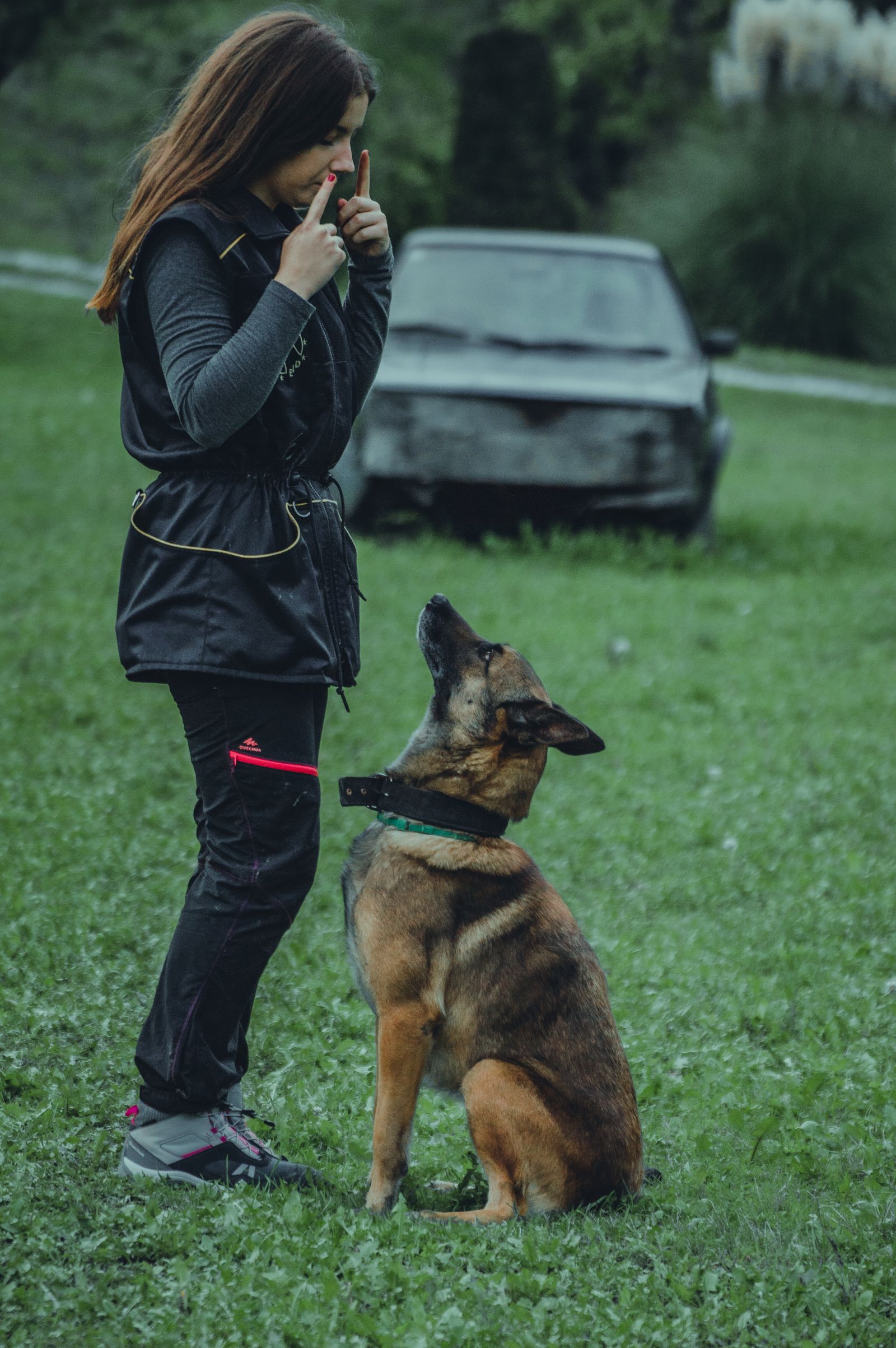
6. Shetland Sheepdog
The Shetland Sheepdog, often called the Sheltie, is a herding breed that the AKC’s guide to the smartest dog breeds calls “a brainiac in a 13 to 16-inch package.” The AKC’s trainability list says it loves learning new behaviors and excels in agility and obedience competitions.
Professional trainer Geralynn Cada told Rover that Shelties rank in the upper 10% of all breeds for learning and repeating tasks, and that they usually potty train quickly. The AKC also describes the breed as playful and affectionate with family, which helps make reward-based training feel like a game.
7. Labrador Retriever
The Labrador Retriever ranked seventh in Coren’s survey. The AKC describes it as a gentle, versatile hunting breed and a fast learner whose outgoing, eager-to-please nature makes it a preferred choice for service work.
Rover’s guide says Labs are easy to potty train but need lots of exercise. A young Lab with too much pent-up energy can be a handful, so long walks, swimming and retrieving games tend to make training sessions far more productive. Steady routines and plenty of praise help keep that energy pointed in the right direction.
8. Papillon
The only toy breed in this group, the Papillon is named for its large, fringed ears, which resemble a butterfly’s wings. The AKC calls it alert, eager to please, curious and quick to pick up new things, and it ranked eighth in Coren’s survey, ahead of many far larger working breeds. The AKC notes it is the only Toy Group breed in Coren’s top 20.
Adopt a Pet notes that, like many smaller dogs, the Papillon still needs a lot of consistent training, and Rover adds that the breed does not do well when left alone for long stretches. Papillons often shine in agility and trick training, making them a good fit for people who want a small dog with a big appetite for learning.
What Trainability Really Means
None of these rankings guarantee an easy puppy. Coren himself warned that clever dogs can be harder to manage at home because they quickly learn what they can get away with. The AKC makes a similar point, noting that highly trainable dogs can pick up bad habits as fast as good ones, and that personality, instinctive drive and distractibility all matter alongside raw intelligence.
Trainers also stress that the individual dog counts more than the label. Dog trainer Stacy Alldredge told Adopt a Pet that a dog’s confidence and openness to training matter more than breed, and Rover’s experts say most dogs respond to training within about 2 to 12 weeks when methods are consistent and positive. Many recommend starting at around 8 to 10 weeks of age, or as soon as a dog comes home.
Anyone weighing one of these 8 breeds should also plan for the ongoing costs of a working-minded dog, from classes to quality gear, a topic covered in Annual Pet Ownership Costs: Budgeting for Dogs and Cats in 2025. Reliable recall training is especially valuable for energetic herding and sporting breeds, and the Missing Pet Guide: How to Find a Lost Dog or Cat and Prevent Future Escapes offers more on preventing escapes.
A quick learner still needs a patient teacher. With steady practice, plenty of rewards and enough exercise, any of these breeds can become a polished, well-mannered companion.
This article was written with the help of AI tools and checked against the sources linked above.




