

A day at the beach feels like the ultimate escape from rules and schedules. Yet many coastal towns enforce surprisingly detailed ordinances, and a casual habit can end with a citation instead of a sunset.
The rules vary from one shoreline to the next, which is exactly why visitors get caught off guard. A family that spends one summer in South Carolina and the next in California may face completely different limits on digging, coolers and pets. Anyone planning a trip to one of the 15 most beautiful beaches in the world featured on FrenzHub would be wise to check local rules before unpacking.
Here are 8 common beach activities that can lead to a fine in many places.
1. Digging a Hole That Is Too Deep
Building a giant pit in the sand looks harmless, but several towns now cap how deep a hole can go. Del Mar, California, adopted an ordinance in 2026 banning holes deeper than 2 feet, with fines starting at up to $100 and climbing to up to $1,000 for repeat offenses, according to Islands. The same report notes similar limits in Laguna Beach and Huntington Beach. On the East Coast, Hilton Head Island’s beach regulations limit holes to 12 inches and require them to be filled before leaving. Some shorelines carry real hazards, as a FrenzHub roundup of the 12 most dangerous beaches in America points out, so safety-minded rules like these are spreading.
2. Leaving Chairs and Umbrellas Overnight
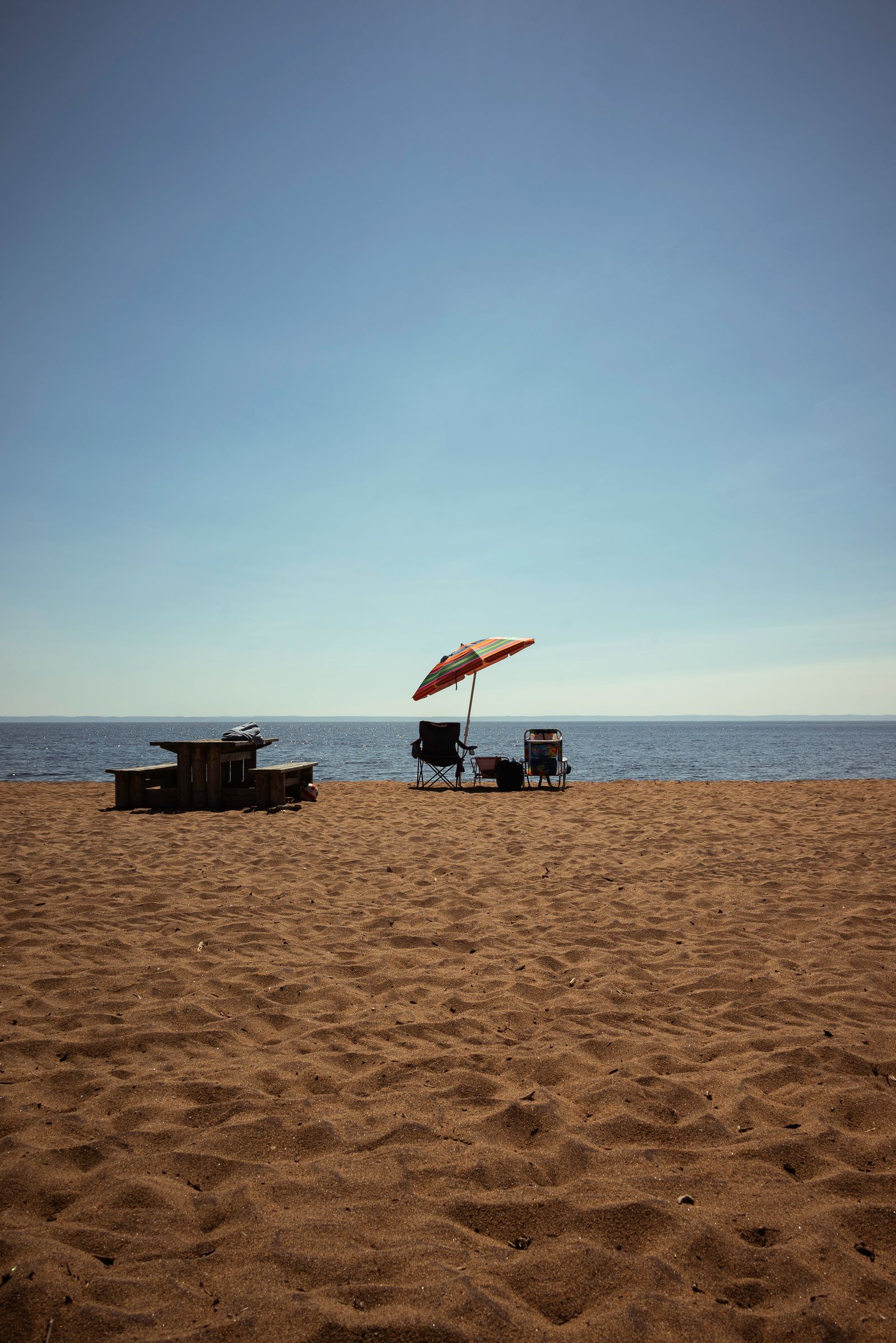
Staking out a prime spot by leaving gear on the sand can backfire. Oak Island, North Carolina, requires chairs, umbrellas, towels, toys and other personal items to be removed by the end of each day, with citations starting at $100. North Myrtle Beach bans leaving anything on the beach from 7 p.m. to 8 a.m., and Hilton Head warns that belongings left overnight may be confiscated and thrown away. Clearing gear each evening keeps the sand open and tidy for the next morning’s crowd.
3. Bringing Glass Bottles or Jars
A chilled glass bottle may look great in vacation photos, but glass is banned on many public beaches. Hilton Head prohibits glassware, including bottles and containers, and Oak Island does not allow glass on the beach or in beach access areas. North Myrtle Beach lists glass containers among its prohibited items as well. Broken shards hide easily in sand and are hard to clean up completely. Packing drinks in cans or reusable plastic bottles is the simplest way to avoid trouble, along with other ideas from a FrenzHub list of tips and tricks for traveling cheaply.
4. Walking on Dunes or Picking Sea Oats
Sand dunes are not shortcuts. Oak Island prohibits walking, climbing or other traffic on dunes and berms and directs visitors to designated beach access points. Hilton Head bans damaging dunes, sea oats and other dune vegetation. Those grasses help hold the sand in place, which is why towns take them seriously. A quick detour through a marked boardwalk is far cheaper than a citation, and the dunes stay healthy for the next visitor.
5. Feeding the Seagulls
Tossing a french fry to a gull might seem like a harmless bit of fun. Some towns disagree strongly. Ocean City, New Jersey, announced strict enforcement of its ban on feeding seagulls, with penalties of up to $500 and up to 90 days in jail, as PhillyVoice reported. The mayor said the feeding had fueled a rise in aggressive birds swooping at visitors on the beach and boardwalk. Keeping snacks covered and packed away helps, too.

6. Disturbing Turtles, Sand Dollars and Other Wildlife
Collecting a live sand dollar or starfish can break the law in some places. Hilton Head’s regulations prohibit harming, harassing or removing any live beach animal, including sea turtles, birds, eggs, sand dollars, conchs and starfish, and violators can face fines and court costs of up to $1,092.50 per offense. Oak Island requires beach equipment to stay at least 10 feet from marked sea turtle nests. Empty shells are often fine to keep, but anything still alive should stay right where it was found.
7. Drinking Alcohol on the Sand
Rules on alcohol differ widely, and assumptions lead to tickets. Hilton Head prohibits possessing or drinking beer, wine or other alcohol on the beach, dunes and adjacent waters. North Myrtle Beach bans alcohol on the beach as well. In Del Mar, Islands notes that alcohol is among the activities restricted during the busy season, which runs from March 1 to the day after Labor Day. Checking a town’s website before packing the cooler takes only a minute and can prevent an expensive surprise.
8. Bringing a Dog at the Wrong Time
Dog-friendly beaches are wonderful, but many come with strict conditions. North Myrtle Beach requires leashes at all times and bars dogs from the beach between 10 a.m. and 4 p.m. from May 15 through Labor Day. Oak Island requires a physical leash from March 16 to October 15, and voice commands or electronic collars do not count. Both towns expect owners to clean up waste promptly. Ignoring posted hours or leash rules is an easy way for a pet owner to end up with a citation.
Check Before Spreading the Towel
Most beach rules exist to protect wildlife, keep the sand safe and make the shoreline pleasant for everyone. North Myrtle Beach, for example, lists littering fines of up to $1,000. Because ordinances change from town to town and even season to season, a quick look at the local government website is the smartest first step of any beach day.
For more travel perspective, a FODMAP Everyday feature explores why travelers are revisiting their childhood vacation spots, and another looks at U.S. destinations travelers regret visiting.
This article was written with the help of AI tools and checked against the sources linked above.




