

The 1970s candy aisle was a crowded, colorful place. Big companies like Mars, Nestlé and Peter Paul kept rolling out new bars, many with clever gimmicks, celebrity names or TV jingles that kids could sing by heart. Some of those bars became household staples that are still sold today. Plenty of others vanished within a few years.
Food writers at MeTV, Cheapism and Mashed have all looked back at the bars that disappeared. Like the household items in a FrenzHub list of things that decorated every 70s home but are now extinct, these treats are now mostly memories, old commercials and faded wrappers sold by collectors.
Here are 9 candy bars from the 1970s that can no longer be found on store shelves.
1. Marathon Bar
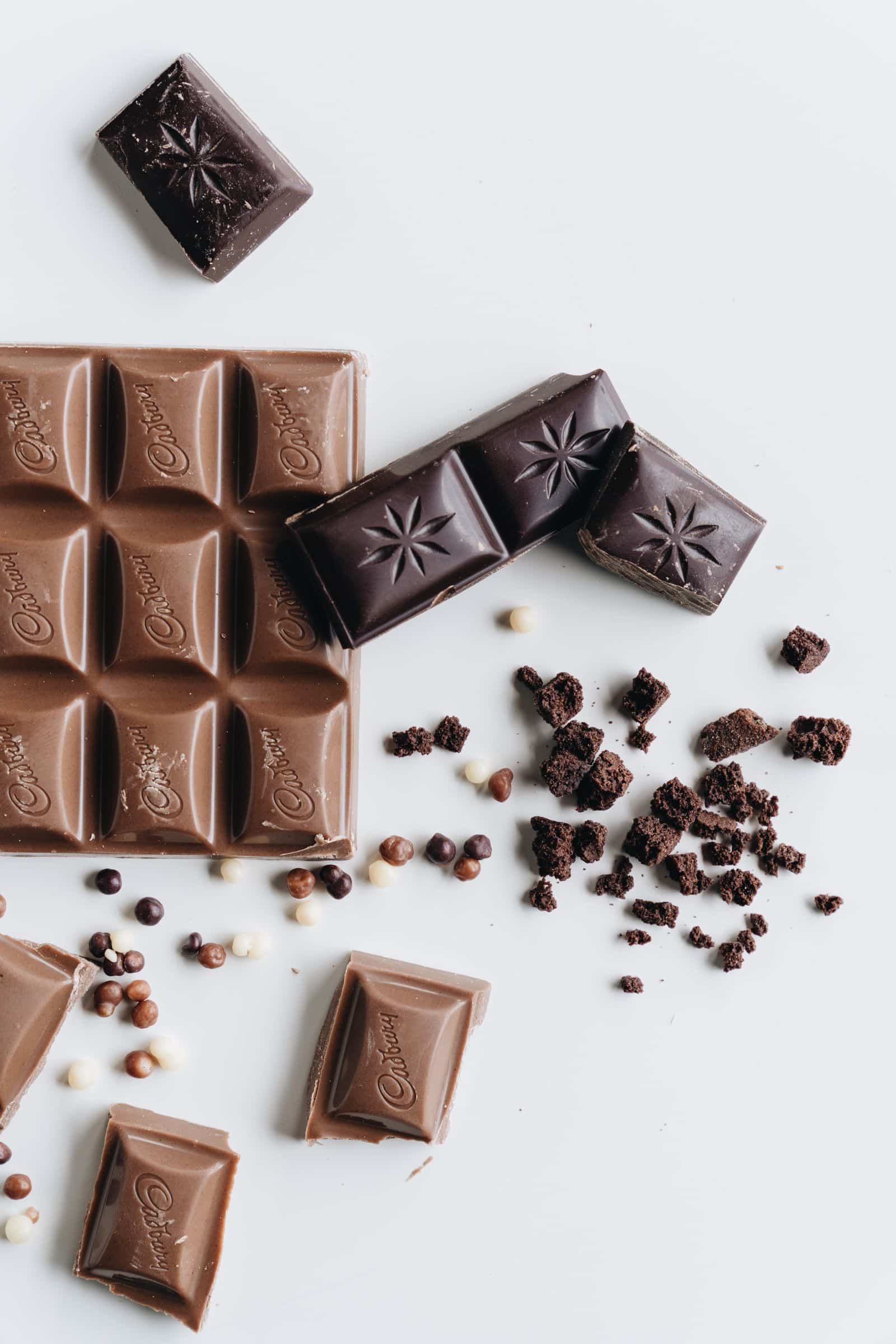
Mars launched the Marathon Bar in 1973, and it was hard to miss. The bar was an 8-inch braid of chewy caramel coated in chocolate, with no nuts, nougat or wafers. Cheapism notes that the wrapper even included a ruler, and Mashed recalls ads showing a bar that seemed to keep coming out of its package forever. It lasted until 1981. Fans who still crave it often point to the Cadbury Curly Wurly from the U.K., which Tasting Table also names as the closest substitute.
2. Summit
Summit arrived from Mars in 1977. It came as a two-stick bar made of wafer cookies, crushed peanuts and a fluffy cream filling, all covered in chocolate. Cheapism compares it to a Twix with peanuts. Mashed says its TV commercials had a catchy jingle that stuck with viewers. The trouble, according to Cheapism, was that Summit melted easily, and recipe changes never solved the problem. By the early to mid-1980s the bar was gone, the kind of loss that might appeal to fans of a FrenzHub roundup of humble foods that even the wealthy eat.
3. Reggie! Bar
Few candy bars have been named after an active ballplayer, but the Reggie! Bar was a tribute to Yankees slugger Reggie Jackson. It launched in 1978 as a round patty of chewy caramel and plenty of peanuts coated in chocolate. Cheapism credits the Clark Bar company and says it disappeared by the mid-1980s, while Mashed dates its run as 1978 to 1981. Both outlets mention brief comebacks over the years, but the bar never settled back onto regular store shelves, which makes it a prized piece of sports memorabilia instead. Like many dishes in a FrenzHub list of quintessentially American foods that make foreigners cringe, it was a very American mix of baseball and sweets.
4. Choco’Lite
Nestlé introduced Choco’Lite in the early 1970s. Tasting Table describes it as the first aerated, puffed milk chocolate bar with crispy chips sold in America. The air pockets gave it a lighter, softer bite, and commercials compared it to chocolate foam. MeTV notes that the bar even had Star Wars tie-ins around the release of the film. Nestlé pulled Choco’Lite in the early 1980s. Shoppers looking for something similar today usually turn to airy imported bars such as Aero, which Mashed and Tasting Table both mention as close matches.
5. Snik Snak Stiks
Mars released Snik Snak Stiks around 1973 as a direct rival to the Kit Kat. The package held 6 chocolate-covered wafer sticks, and the tagline told shoppers to “take a break, take a Snik Snak.” According to Tasting Table, fans remember it as a little crispier and lighter than its competitor. MeTV puts it bluntly and says the Kit Kat won the war. Cheapism says Snik Snak lasted less than six years before disappearing, leaving its slogan as the main thing most people remember about it today.
6. PowerHouse
The PowerHouse bar from Peter Paul first appeared in the 1960s and stayed popular through the 1970s. It was a hefty block of fudge, caramel and peanuts coated in chocolate, and Cheapism says some fans actually preferred it to Snickers. The bar was built for big appetites, which suited its name. PowerHouse was gone by the mid-1980s. Fans of hearty, peanut-packed bars still bring it up whenever lists of lost candy make the rounds.
7. Seven Up Bar
The Seven Up Bar had one of the most unusual designs in candy history. Mashed explains that it was divided into separate compartments with 7 different fillings: mint, butterscotch, nougat, fudge, buttercream, coconut and caramel. Each bite was a small surprise. The bar had been around since the 1930s, so 1970s kids grew up with it as an old favorite. It was discontinued in 1979, and Mashed says confusion with the 7UP soft drink brand played a role in its end.
8. Cristy Bar
The Cristy Bar hit shelves at the very end of the 1960s and was sold for a few years in the 1970s. Tasting Table says Concorde Confections launched it in 1969 with a French nougat filling, and a 1970 poll named it one of the top new bars of the previous year. Cheapism describes a nougat bar with nuts in a creamy coating, sold in packaging featuring a smiling blonde girl. Despite the early buzz, it did not last. Hershey’s Zero is often suggested as the nearest modern match.
9. Caravelle
Peter Paul’s Caravelle combined milk chocolate, caramel, crispy rice and Brazil nuts, a mix that sounds a lot like a 100 Grand bar. MeTV compares it to the old $100,000 Bar, and Tasting Table suggests the current 100 Grand as the closest option. Caravelle disappeared in the late 1970s. Many fans link its end to the 1978 merger between Peter Paul and Cadbury. For anyone who grew up with it, the gooey texture is still the detail that comes up most often in fond memories.
A sweet piece of history
Candy bars come and go for many reasons, from melting problems to brand confusion to mergers. The ones that survive often owe their long lives to simple recipes and steady advertising. For a look at the bars and treats that are still on top, see America’s top ten candies revealed. Anyone feeling nostalgic about the decade can also enjoy 12 things only kids who grew up in the ’70s will understand.
This article was written with the help of AI tools and checked against the sources linked above.




