

Data from the American Heart Association shows that poor diet now accounts for roughly half of global cardiovascular deaths, yet eating more leafy greens, beans, nuts, and olive oil can significantly improve arterial health over time.
Maintaining healthy arteries is essential for overall cardiovascular health. As we age, our arteries can become clogged or damaged by a buildup of plaque, which can lead to heart disease, stroke, and other cardiovascular conditions. The good news is that certain foods can help support artery health by reducing inflammation, lowering cholesterol, and improving blood flow.
Incorporating these artery-friendly foods into your diet can help keep your heart and vascular system in top shape. Here are 10 foods that can support healthy arteries and contribute to long-term cardiovascular health.
Fatty Fish
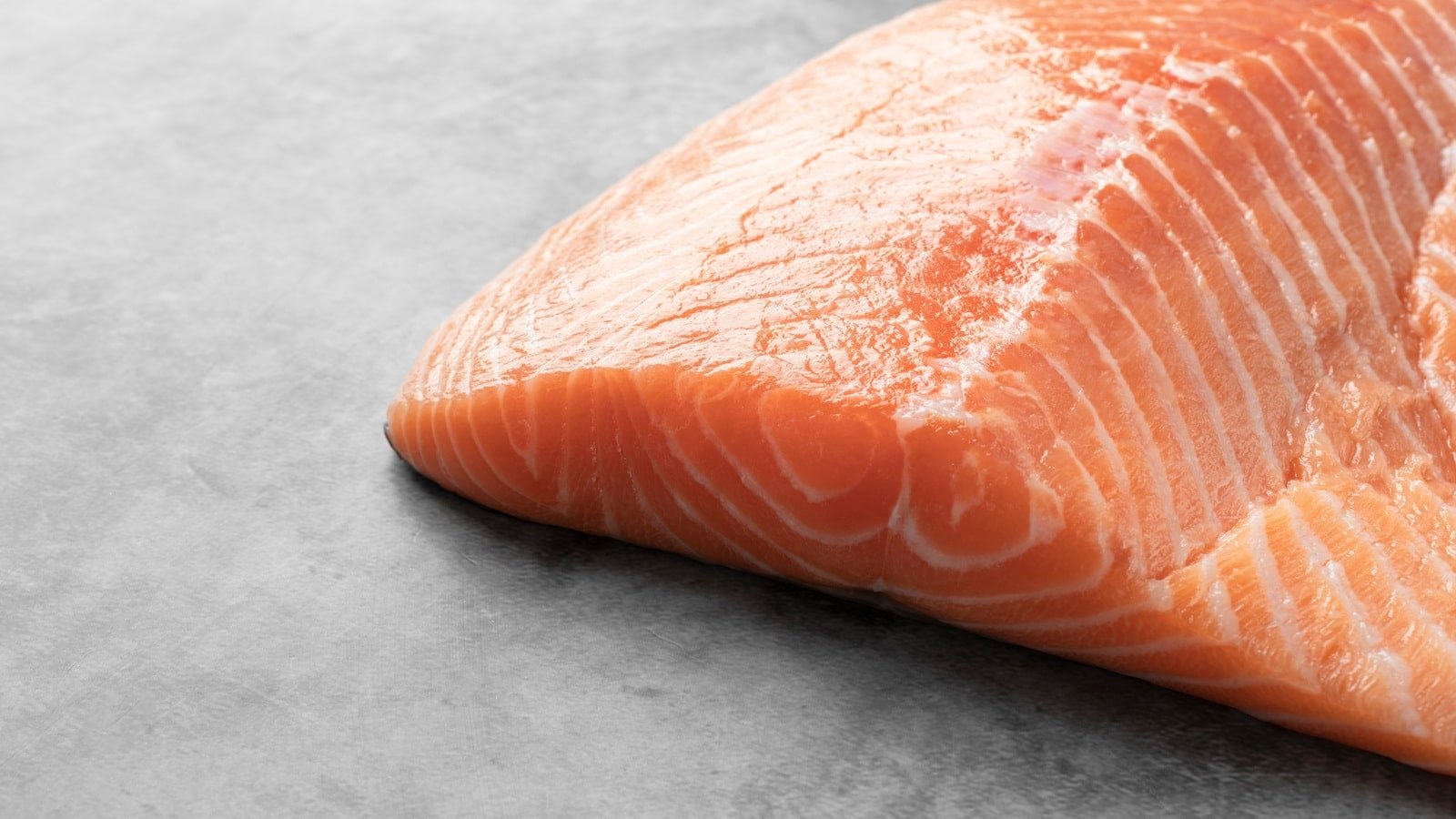
Data from the American Heart Association’s scientific advisory on omega‑3 fatty acids shows that regularly eating fatty fish rich in EPA and DHA can lower triglycerides, reduce blood pressure, and slow plaque development in arteries, improving overall heart health.
Eating fatty fish two to three times a week is an effective way to boost omega-3 intake and support heart and artery health. For those who don’t consume fish, plant-based sources like chia seeds, flaxseeds, and walnuts also provide omega-3s.
Avocados
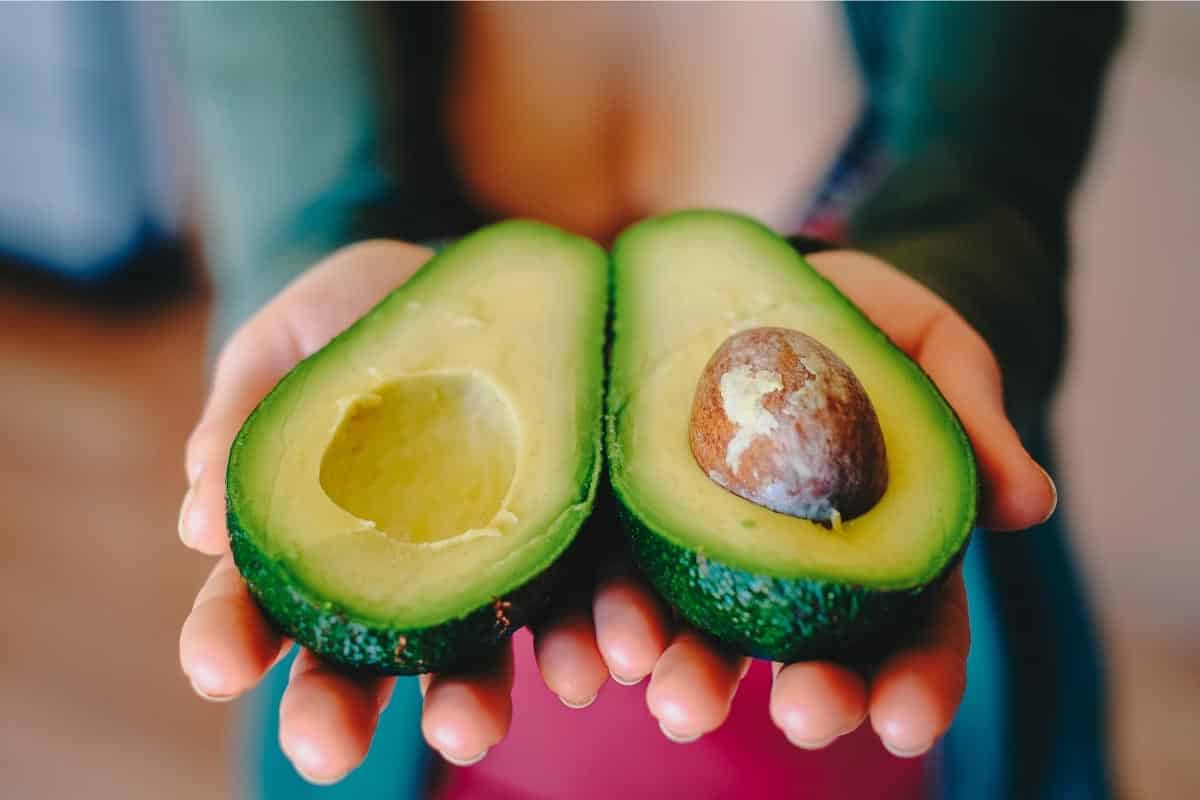
Avocados are a powerhouse of heart-healthy nutrients, including monounsaturated fats, potassium, and fiber. The monounsaturated fats in avocados help lower bad cholesterol levels (LDL) while raising good cholesterol (HDL). They also provide anti-inflammatory benefits, which can reduce the risk of plaque buildup in the arteries.
In addition to healthy fats, avocados are high in potassium, which helps maintain healthy blood pressure, a key factor in reducing strain on the arteries. Adding avocados to your meals, whether in salads, on toast, or in smoothies, is an easy way to support artery health.
Berries
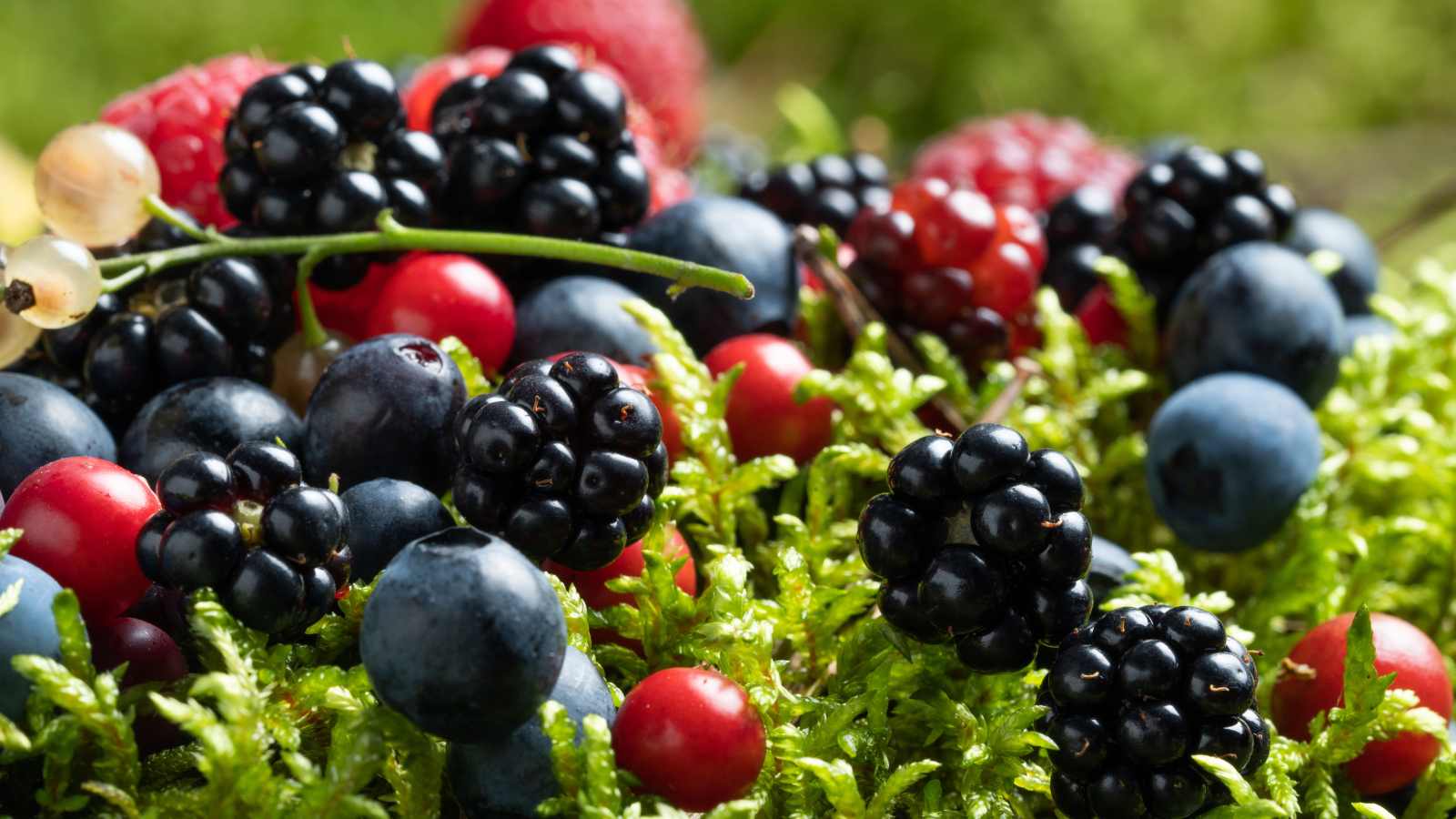
Berries, including blueberries, strawberries, raspberries, and blackberries, are packed with antioxidants known as flavonoids. These compounds help protect the arteries by reducing oxidative stress and inflammation, which are key contributors to artery damage and plaque formation. Berries also contain vitamin C, which supports the health of blood vessels and collagen production.
Eating a variety of berries regularly can improve overall cardiovascular health. You can enjoy them fresh, frozen, or blended into smoothies to reap their artery-protective benefits.
Leafy Greens

Leafy greens, such as spinach, kale, and Swiss chard, are rich in vitamins, minerals, and antioxidants that support healthy arteries. These vegetables are particularly high in vitamin K, which helps prevent arterial calcification. Leafy greens also contain fiber, which helps lower cholesterol levels and supports healthy blood flow.
Including a variety of leafy greens in your diet can help reduce the risk of artery damage and promote better circulation. They’re easy to incorporate into salads, soups, smoothies, or as a side dish to any meal.
Olive Oil

Olive oil, particularly extra virgin olive oil, is a key component of the Mediterranean diet, which is associated with a reduced risk of heart disease and improved vascular health. Rich in monounsaturated fats and antioxidants, olive oil helps reduce inflammation and lower LDL cholesterol levels, which can prevent the buildup of plaque in the arteries.
Using olive oil as your primary cooking oil or drizzling it over salads and vegetables can contribute to a heart-healthy diet. It’s a simple yet effective way to improve arterial function and reduce cardiovascular risk.
Nuts and Seeds

Nuts and seeds, such as almonds, walnuts, chia seeds, and flaxseeds, are excellent sources of healthy fats, fiber, and protein, all of which contribute to healthier arteries. Walnuts, in particular, are rich in omega-3 fatty acids, which help lower cholesterol levels and reduce inflammation. Meanwhile, flaxseeds and chia seeds provide plant-based omega-3s and fiber, both of which help support artery health.
A small handful of nuts or seeds as a daily snack can provide numerous benefits for your cardiovascular system. They also make great additions to salads, yogurt, or smoothies.
Also on MSN: 10 Health Benefits of Boiled Eggs, According to Experts
Tomatoes

Tomatoes are an excellent source of lycopene, an antioxidant that has been shown to reduce inflammation and prevent arterial plaque buildup. Lycopene also helps lower LDL cholesterol and has been linked to better heart health. Additionally, tomatoes are high in vitamin C, potassium, and folate, which support overall cardiovascular health.
Incorporating tomatoes into your diet is easy. Enjoy them fresh in salads, blended into soups, or roasted as a side dish. Cooking tomatoes can also increase lycopene’s bioavailability, making them great for sauces and stews.
Garlic

Garlic is not only a flavorful addition to many dishes, but it also offers significant cardiovascular benefits. Allicin, a compound found in garlic, has been shown to lower cholesterol levels, reduce blood pressure, and improve overall artery health. Garlic can also reduce the formation of blood clots and prevent the buildup of plaque in the arteries.
To enjoy the full benefits, it’s best to crush or chop garlic and let it sit for a few minutes before cooking. Adding fresh garlic to your meals, whether in soups, stir-fries, or dressings, can provide both flavor and heart-healthy benefits.
Dark Chocolate

Dark chocolate, particularly varieties with a high cocoa content (72% or more), is packed with antioxidants called flavonoids. These compounds help improve blood flow, reduce blood pressure, and lower the risk of artery damage by increasing nitric oxide levels, which relax and dilate blood vessels. Dark chocolate also has anti-inflammatory properties, which can benefit overall cardiovascular health.
While dark chocolate can be a healthy treat in moderation, it’s important to choose varieties with minimal added sugar to maximize its health benefits. A small square of dark chocolate a few times a week can help improve arterial health.
Key Takeaways

Supporting healthy arteries is essential for maintaining long-term cardiovascular health, and a nutrient-dense diet can help reduce the risk of heart disease and other related conditions. Foods like fatty fish, avocados, berries, leafy greens, olive oil, nuts, tomatoes, garlic, and dark chocolate are all excellent choices that promote better blood flow, reduce inflammation, and prevent plaque buildup in the arteries. By incorporating these foods into your daily routine, you can support heart health and help ensure your arteries stay healthy as you age.
Disclaimer – This list is solely the author’s opinion based on research and publicly available information. It is not intended to be professional advice.
Like our content? Be sure to follow us.