

The weeks after the holidays produce some of the fullest trash cans of the year. Gift boxes pile up, old gadgets get replaced, closets get cleared for new clothes, and the tree eventually has to go somewhere. For a long time, almost all of it could be stuffed into a garbage bag and left at the curb without a second thought.
That is no longer true in a growing number of places. States and cities have added disposal bans that keep certain materials out of household trash, sometimes backed by warning tags or fines. The rules vary a lot by location, so the details below are examples, not a nationwide standard. Still, the same 9 categories show up again and again, and knowing them ahead of time can make the post-holiday cleanup go more smoothly.
Clearing out also tends to go hand in hand with reorganizing. Households tackling closets and garages often borrow ideas from guides on best practices for seasonal storage and clever storage hacks to maximize every inch of space. Items that still work but are no longer needed may be better off sold, and lists of garage sale items that sell like crazy show how much secondhand demand exists for household goods.
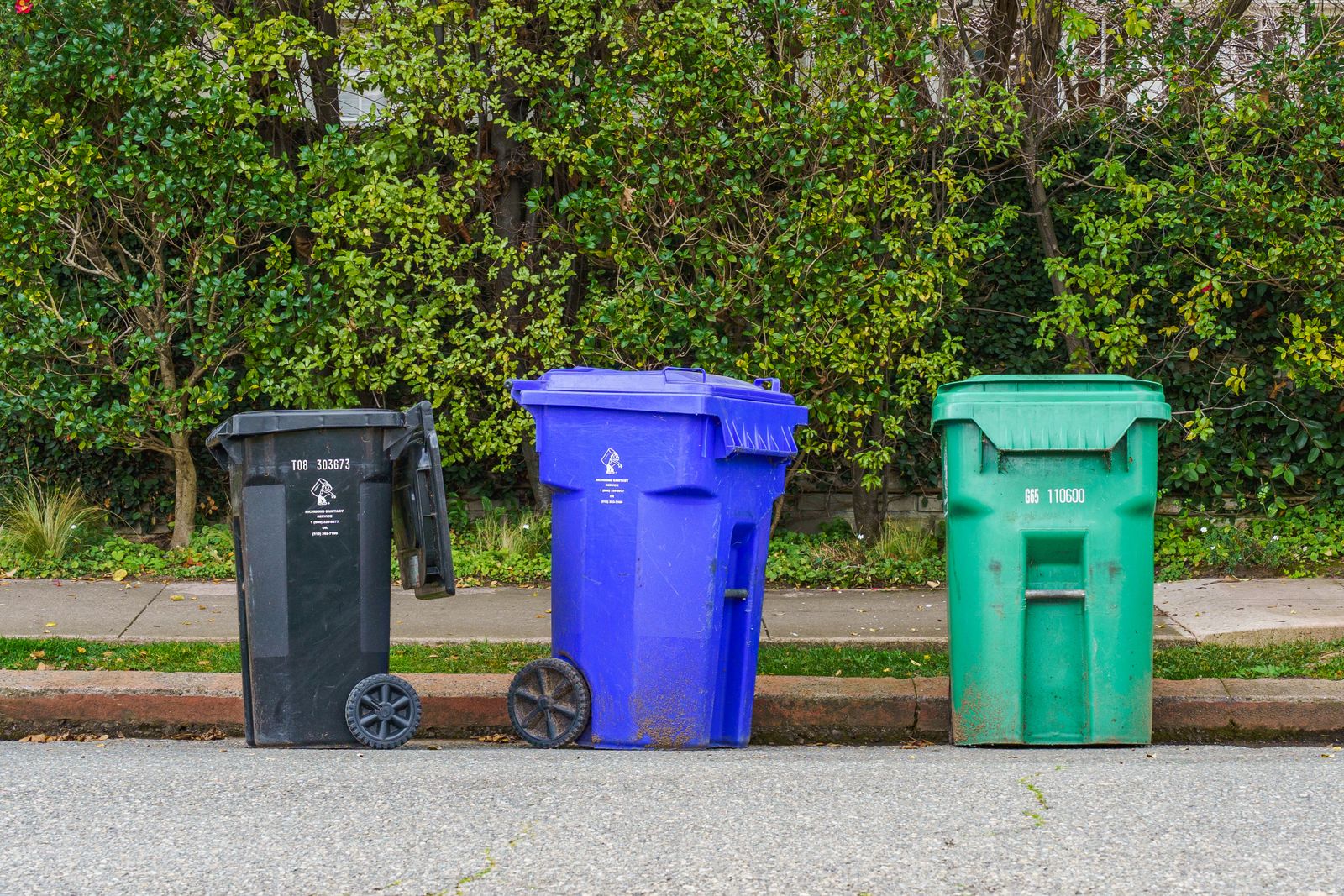
1. Lithium-Ion Batteries and the Devices That Hold Them
New phones, tablets, headphones and power tools are popular gifts, which means older ones often end up in a drawer or a garbage bag soon after. The U.S. Environmental Protection Agency says plainly that used lithium-ion batteries and devices that contain them should not go in household garbage or recycling bins. The concern is fire: a battery that gets crushed or damaged inside a truck or sorting facility can ignite. The EPA suggests taping the terminals, bagging each battery separately and taking them to an electronics recycler, a retail take-back program or a local household hazardous waste site.
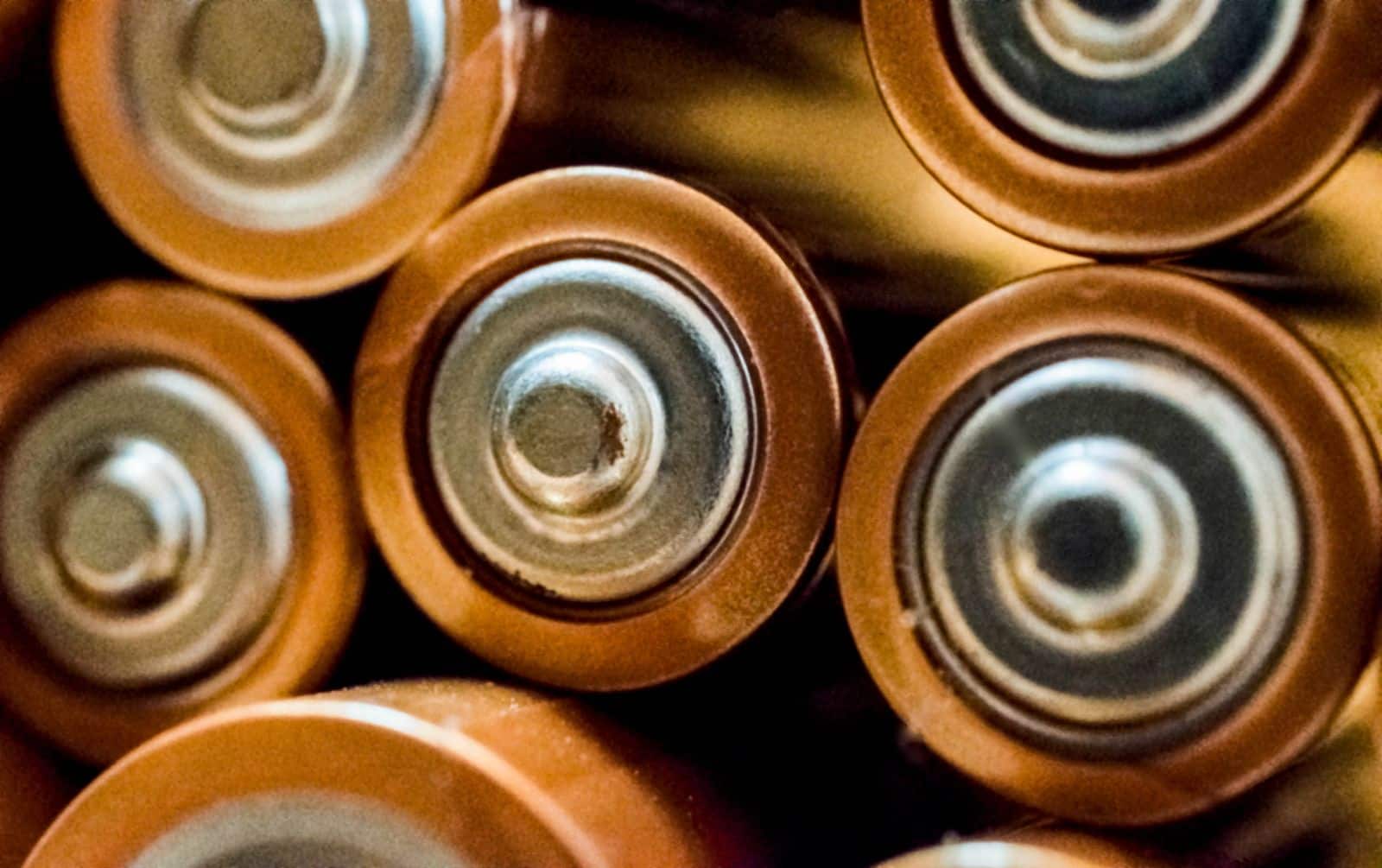
2. Everyday Household Batteries in California
Lithium-ion is not the only battery type under tighter rules. In California, the state Department of Toxic Substances Control classifies most batteries as universal waste, including alkaline, carbon-zinc, button and rechargeable nickel-cadmium cells. Its universal waste fact sheet notes that households, while exempt from many business rules, still must recycle these items and are prohibited from putting them in the trash. That covers the stack of dead AA batteries pulled out of holiday toys and remotes.
3. Old TVs, Computers and Printers
A new television on the wall usually means an old one heading for the exit. In New York State, consumers are expected to comply with a disposal ban on electronic waste, according to the New York State Department of Environmental Conservation. Covered items include computers, computer peripherals, televisions, small-scale servers and other small electronics. The final stage of the ban took effect at the start of 2015, and residents must use certified collection sites rather than curbside trash. California also treats electronics that carry hazardous characteristics, such as older tube televisions and monitors, as universal waste.
4. Fluorescent Tubes and Compact Fluorescent Bulbs
Swapping out bulbs before or after holiday decorating is common, and older fluorescent tubes and spiral bulbs contain mercury. California lists fluorescent tubes and bulbs, high intensity discharge lamps and other mercury-added lamps as universal waste, which means residents are barred from tossing them in the garbage. Many hardware stores and county hazardous waste programs accept them for recycling.
5. Cardboard Boxes and Recyclable Paper
Online shopping season leaves behind mountains of shipping boxes. Massachusetts includes recyclable paper, cardboard and paperboard on its list of waste disposal bans, along with glass, metal and plastic containers. In Seattle, the city’s ban of recyclables in garbage covers cans, glass bottles and jars, plastic bottles and cups, food scraps and compostable paper. Seattle Public Utilities tags carts that contain these materials and mails a notice, and after 2 warnings a property can see a $50 fee on its waste bill. Breaking boxes down flat and placing them in the recycling cart is the safe move almost everywhere.
6. Christmas Trees
A real tree is technically yard waste, and yard waste is increasingly kept out of the garbage. New York City’s curbside composting rules say composting is now mandatory and specifically list Christmas trees among the leaf and yard waste that must be separated from trash. Massachusetts also bans leaves and yard waste from disposal. Many cities run special tree pickups or drop-off spots in January, often turning the trees into mulch, so it pays to check local collection calendars before dragging a tree to the curb. Lights, stands, tinsel and ornaments generally need to come off first.
7. Food Scraps and Leftovers
Holiday meals produce a surprising amount of food waste, from vegetable peels to plates of uneaten sides. Vermont became a national example when its universal recycling law extended a food scrap ban to residents in 2020, as described on the Vermont Department of Environmental Conservation’s universal recycling page. New York City now requires residents to separate food scraps and food-soiled paper, and as of April 1, 2025, property owners can be fined if compostable material is mixed in with trash. Seattle bans food scraps from garbage as well. Planning portions carefully helps, and the timing matters: food waste tends to spike late in the year, a pattern explored in this look at why December is America’s peak food waste month. Turning extras into new meals also cuts down what goes in the bin, with plenty of ideas in What To Do With Thanksgiving Leftovers?
8. Clothing, Shoes and Other Textiles
New sweaters and boots often push older ones out of the closet. Since November 1, 2022, Massachusetts has banned textiles from the trash. The state’s definition, reported by CBS Boston, includes clothing, footwear, bedding, towels, curtains and fabric, while items contaminated with mold, insects, oil or hazardous substances are excluded. The state estimates that 85% of discarded textiles could be donated, reused or recycled. Donation bins, thrift stores and textile recycling drop-offs are the usual destinations, and even worn-out pieces can often be recycled.
9. Mattresses
Hosting overnight guests sometimes prompts a mattress upgrade, and the old one can be one of the hardest items to get rid of. Massachusetts added mattresses to its disposal ban on the same date as textiles, November 1, 2022. The state says more than 75% of a mattress is recyclable and that over 600,000 mattresses were being thrown away there each year. Residents can look for municipal mattress programs or private recyclers, which typically charge a fee. State officials have said enforcement generally targets businesses, haulers and municipalities rather than individual households, but a hauler may still refuse a mattress left out with regular trash.
Checking Local Rules Before the Big Cleanout
None of these 9 items is banned from household trash everywhere, and the strictness of enforcement ranges from friendly reminder tags to fees. The safest approach is to look up the local public works or sanitation department before the post-holiday purge begins. Most publish searchable “where does it go” guides, special collection dates for trees and electronics, and lists of drop-off sites for batteries, bulbs and textiles. A few minutes of checking can save a rejected trash cart, a warning notice or a pile of boxes sitting in the garage until spring.
This article was written with the help of AI tools and checked against the sources linked above.




