

Have you ever bitten into a supermarket tomato, peach, or strawberry and wondered why it seemed disappointingly bland compared to the ones you remember from childhood?
While nostalgia may play a role, food scientists say there are real reasons many modern fruits and vegetables taste different than they once did. Over the past century, the food system has been optimized for traits such as durability, shelf life, disease resistance, visual appeal, and long-distance transportation. Flavor often became a secondary consideration.
Researchers have found that many commercial produce varieties contain lower levels of the sugars, acids, and aromatic compounds responsible for their characteristic taste. Add in early harvesting, cold storage, anti-ripening technologies, and lengthy supply chains, and the result can be fruits and vegetables that look beautiful on store shelves while delivering a far less memorable eating experience.
The good news is that consumers are increasingly demanding better flavor, and growers, breeders, and researchers are responding. To understand why some foods seem less satisfying today, it helps to look at the hidden forces shaping what reaches our grocery carts.
Bred for shelf life, not flavor
For much of the twentieth century, plant breeding quietly changed its priorities. Fruits and vegetables were selected for firmness, uniform color, disease resistance, and high yields rather than aroma or sweetness. Flavor was not ignored so much as deprioritized, edged out by traits that make produce easier to ship, stack, and sell.
One of the clearest examples comes from tomatoes. A landmark paper published in Science by researchers at the Boyce Thompson Institute and Cornell University mapped the tomato genome and showed that modern commercial varieties lost dozens of genes associated with sugar production and volatile aroma compounds. Sensory work referenced in that paper found that supermarket tomatoes consistently ranked lower than heirloom varieties on flavor intensity and overall liking, with reduced levels of at least 13 key volatiles linked to the smell and taste people associate with a good tomato
Picked too early to survive the journey
Flavor is often the final act of ripening. In fruits like tomatoes, peaches, strawberries, and melons, sugars rise, and aroma compounds accumulate late in the process, often in the last days on the plant. Harvesting early interrupts this biochemical crescendo before it finishes.
Commercial growers, responding to long-distance shipping demands, typically pick produce under-ripe so it can survive trucks, warehouses, and distribution centers. Postharvest scientists writing in Postharvest Biology and Technology explain that these fruits can soften and change color off the plant, but they rarely reach the same sugar levels or aromatic complexity as vine- or tree-ripened fruit. The tomato in your cart was chosen for freight schedules, not peak sweetness.
Cold storage flattens aroma and texture
Cold keeps produce alive longer, but it also dulls its voice. Chilling-sensitive fruits such as tomatoes, peaches, and many stone fruits suffer what scientists call chilling injury when stored at low temperatures, developing mealy textures and muted flavors.
Research published in Proceedings of the National Academy of Sciences demonstrated that refrigerating tomatoes suppresses genes responsible for producing aroma volatiles, effectively silencing the compounds that make a tomato smell like itself. Postharvest reviews note that while cold storage slows decay and extends shelf life, it does so at the cost of juiciness, sweetness perception, and fragrance. Freshness survives on paper while flavor quietly fades.
Anti-ripening technologies can dilute taste
To further slow spoilage, modern supply chains increasingly rely on 1-methylcyclopropene, or 1-MCP, a compound that blocks ethylene receptors and delays ripening. The technology is widely used because it keeps fruit firm and visually appealing during storage.
Experimental work published in Food Chemistry and Scientia Horticulturae shows that 1-MCP significantly reduces ethylene production and softening in fruits such as nectarines, pomegranates, and tomatoes. The same papers also warn that this intervention can suppress enzymes involved in ester biosynthesis, the pathway responsible for fruity aromas. The result is fruit that looks ripe but smells and tastes strangely quiet.
Long supply chains drain natural sugars
Once a fruit or vegetable is picked, its sugar supply is cut off. Over time, stored carbohydrates can convert back into starches, and volatile compounds slowly degrade. The longer the journey, the more flavor slips away.
This effect is dramatic in crops like sweet corn and peas. Postharvest physiology reports from land-grant universities such as the University of Illinois show that sweet corn can lose up to half its sugar within a day of harvest at room temperature. Industry white papers on shelf life emphasize that every delay, temperature fluctuation, or humidity error shaves away sweetness and texture, even if the produce still looks intact.
We shop with our eyes, and retailers respond
At the store, appearance rules. Consumer behavior research published in the Journal of Food Quality and Preference shows that color uniformity, size, and lack of blemishes dominate first-purchase decisions for fresh produce. Flavor matters most only after the first bite, when it determines whether someone buys again.
Retail economics follow this logic. Growers are paid largely by weight and visual quality, a point emphasized in tomato flavor analyses published by the University of Florida Institute of Food and Agricultural Sciences. There is no financial penalty for blandness. The system rewards produce that photographs well and ships reliably, reinforcing a cycle where looks outcompete taste.
Year-round availability means out-of-season taste
Modern supermarkets promise strawberries in January and tomatoes all year long. To make that possible, they source from distant regions or climate-controlled greenhouses designed for consistency, not peak flavor.
Agricultural scientists writing in HortScience note that outdoor, in-season crops often develop higher sugar content and stronger flavors due to natural light intensity, soil variation, and temperature swings. Produce grown off-season or far from where it is eaten may never experience these stresses that deepen flavor. That winter strawberry traveled far, and its taste reflects the trip.
Save this article
Processing technologies favor freshness theater
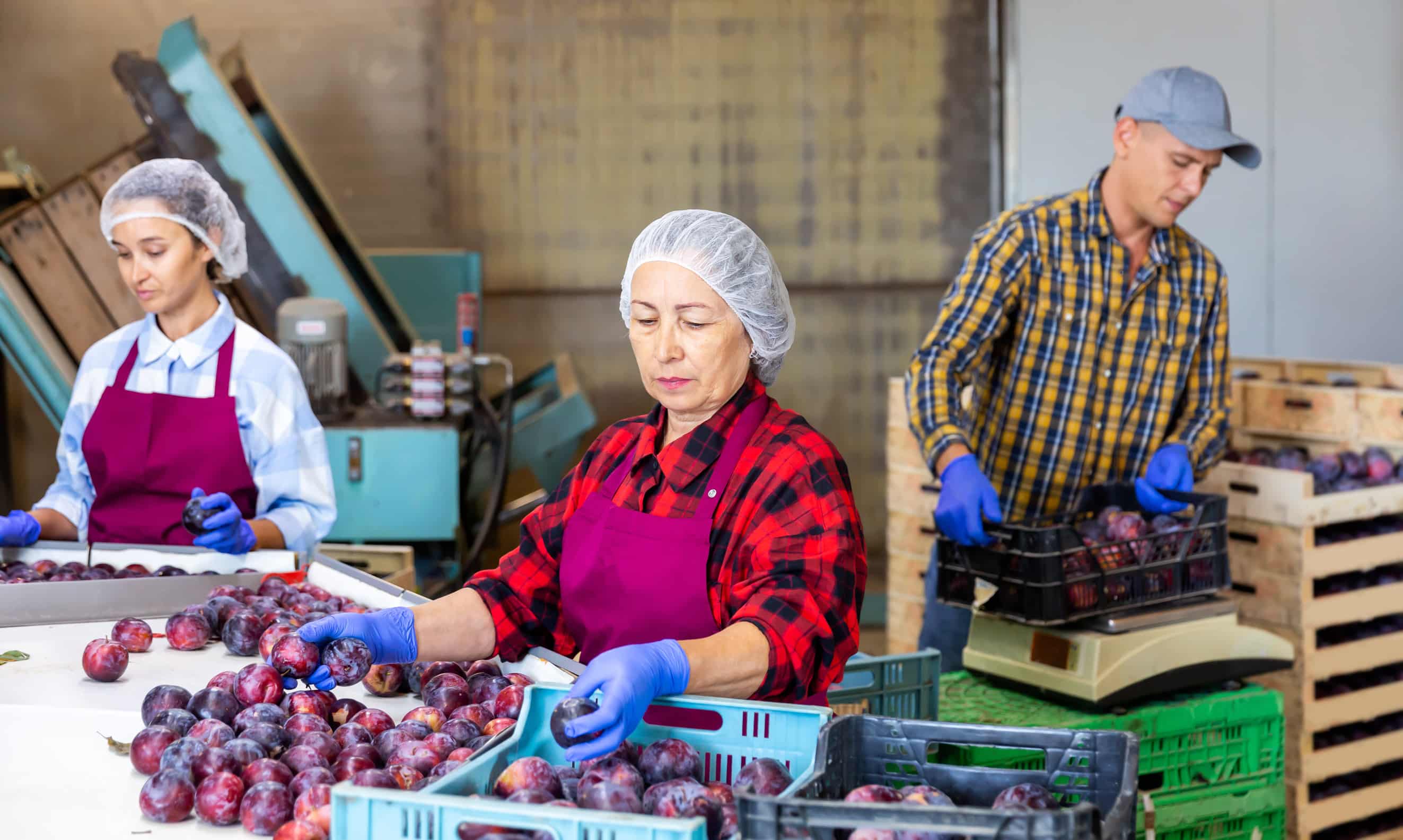
Controlled atmospheres, chemical dips, edible coatings, and modified-atmosphere packaging now define the postharvest landscape. These tools are remarkably effective at slowing visible spoilage and reducing food waste.
Reviews in Trends in Food Science and Technology caution that these same technologies, when overused or poorly calibrated, can introduce off-flavors, suppress aroma release, or create papery textures. The produce looks alive under bright lights, but the sensory experience becomes flatter across categories. The display wins, the palate loses.
Flavorful varieties get pushed aside
High-flavor varieties do exist, and consumers consistently prefer them in blind tastings. Preference mapping studies published in Food Quality and Preference show strong enthusiasm for tomatoes and fruits bred for aroma and sweetness.
These varieties often bruise more easily, yield less, or spoil faster. Breeding reviews from institutions like Wageningen University note that such traits make them poor fits for national supermarket chains. They survive instead at farmers’ markets, specialty grocers, and small supply chains. Efforts to reintroduce flavor genes into commercial lines are underway, but progress is slow and uneven.
Key Takeaway
Grocery store produce often tastes flat because the modern food system has prioritized durability, appearance, and logistics over aroma, sweetness, and ripeness. The result is fruit bred to survive travel, picked too early, chilled too long, and engineered to look fresh long after its flavor peak.
Taste has not disappeared by accident. It has been systematically traded away, and only now are consumers beginning to notice and push back.
More articles:
- 12 fruits that contain more vitamin C than oranges
- 12 reasons dragon fruit may be one of the healthiest fruits you’re not eating enough of
- Starting Your First Garden? Here Are the 10 Easiest Vegetables to Grow
Disclosure: This article was developed with the assistance of AI and was subsequently reviewed, revised, and approved by our editorial team.
Like our content? Be sure to follow us on Newsbreak.
The Best Root Vegetables for Better Vision
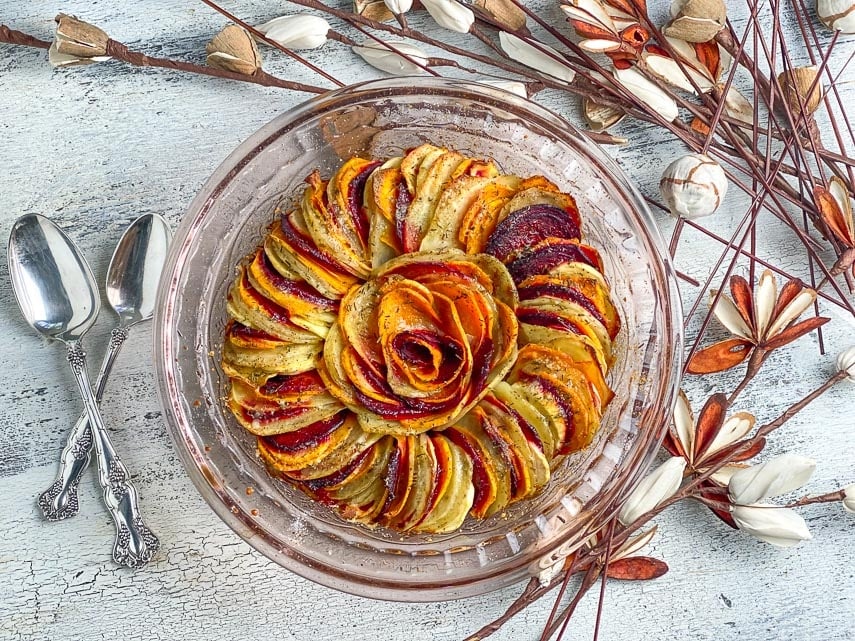
Around the world, most conversations about eye health focus on things like glasses, screen time, or supplements. But in public-health circles, the story actually starts much deeper—literally underground. Root vegetables, especially the ones loaded with carotenoids, play a major role in keeping our eyes healthy.
Vitamin A deficiency is still the leading cause of preventable childhood blindness around the globe, according to the World Health Organization. It contributes to an estimated 250,000 to 500,000 cases every year, especially in places where people don’t have access to foods rich in provitamin A. Learn more. And try our recipe shown above.
Common spices linked to colon cancer prevention

In the quiet routine of seasoning a meal, you may be adding small, powerful defenses against one of the most common cancers.
Your spice rack might actually be hiding some powerful health benefits. It turns out that a handful of common pantry staples pack a serious punch against serious illnesses. Medical researchers are looking closely at how everyday seasonings can fight back against cellular damage in the digestive tract. Learn more.
Which protein is actually better for arthritis, plant or animal?
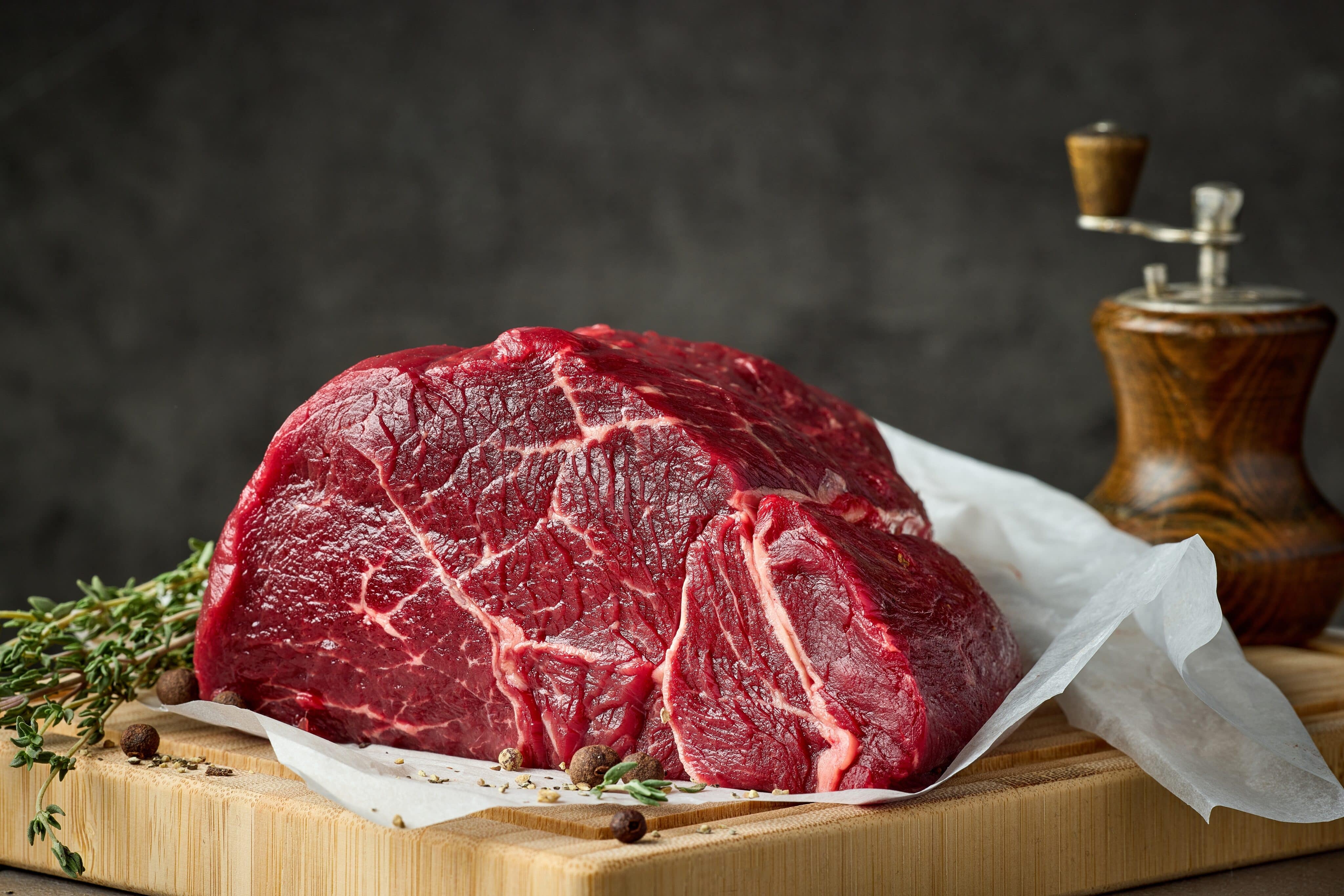
With more than 53 million Americans living with arthritis, emerging research points to nutrient balance—not protein source alone—as the real driver of bone and joint health.
CDC estimates from 2019–2021 show about 21.2% of US adults (around 53.2 million people) report a doctor’s diagnosis of some form of arthritis (including osteoarthritis, rheumatoid arthritis, gout, lupus, etc.). Osteoarthritis (OA) is the most common joint disorder in the US (over 32.5 million US adults live with it), mainly affecting knees, hips, hands, and spine. Learn more.





