
Thanksgiving on Thursday, Nov. 26, puts a lot of rich food within reach of pets that are happy to help clear a plate. The American Animal Hospital Association lists 9 holiday foods to keep away from dogs and cats: bones, high-fat foods, onions and garlic, grapes and raisins, bread dough, alcohol, chocolate, xylitol and macadamia nuts.
The American Veterinary Medical Association and the ASPCA flag many of the same hazards. Households getting ready for guests are also busy cleaning, and this comparison of Shark and Bissell vacuums for pet hair covers that side of the prep. Cat owners shopping early can browse this holiday gift guide for cat people, and feeding the dog from the table is one of those American holiday habits veterinary groups would rather see retired.
1. Cooked Turkey Bones
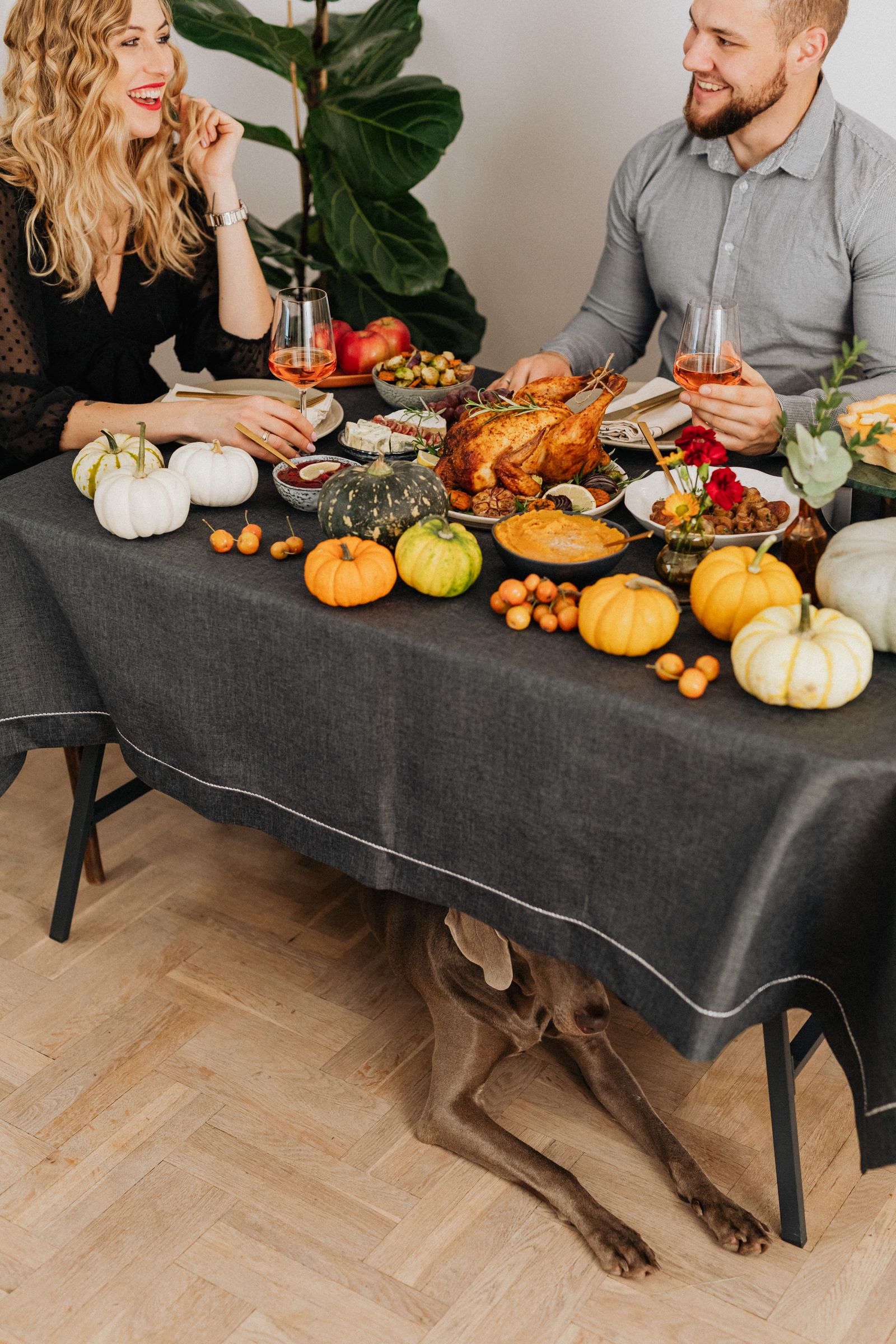
Bones come first on the AAHA list. Cooked turkey bones become brittle and can splinter, the group says, creating a risk of choking or internal injury such as a blockage or a punctured intestine. The AVMA also warns that poultry bones can damage a pet’s digestive tract. Carcasses left on the counter or in an open trash bag are a common source of trouble.
2. High-Fat Foods
Rich sauces, turkey skin and buttery mashed potatoes can upset a pet’s stomach and may trigger pancreatitis, which AAHA describes as a life-threatening condition. The AVMA adds that pets have trouble digesting fatty foods and gravy, and that even a small amount can cause pancreatitis in some animals. The ASPCA’s rule for sharing is simple: stick to the pet’s normal diet, and if sharing meat at all, offer only a small amount that is boneless and fully cooked.
3. Onions and Garlic
Onions and garlic are staples of stuffing and gravy. AAHA says foods in the allium family can damage a pet’s red blood cells and lead to anemia. The ASPCA also lists onions and garlic among common holiday ingredients that are toxic to pets. Because they are often cooked into dishes, they are easy to miss.
4. Grapes and Raisins
Grapes and raisins turn up in some stuffing and dessert recipes. AAHA says they can lead to kidney failure in dogs, and the AVMA names them among toxic people foods. Since these ingredients hide inside finished dishes, keeping the plates out of reach works better than trying to pick items out.
5. Raw Bread Dough
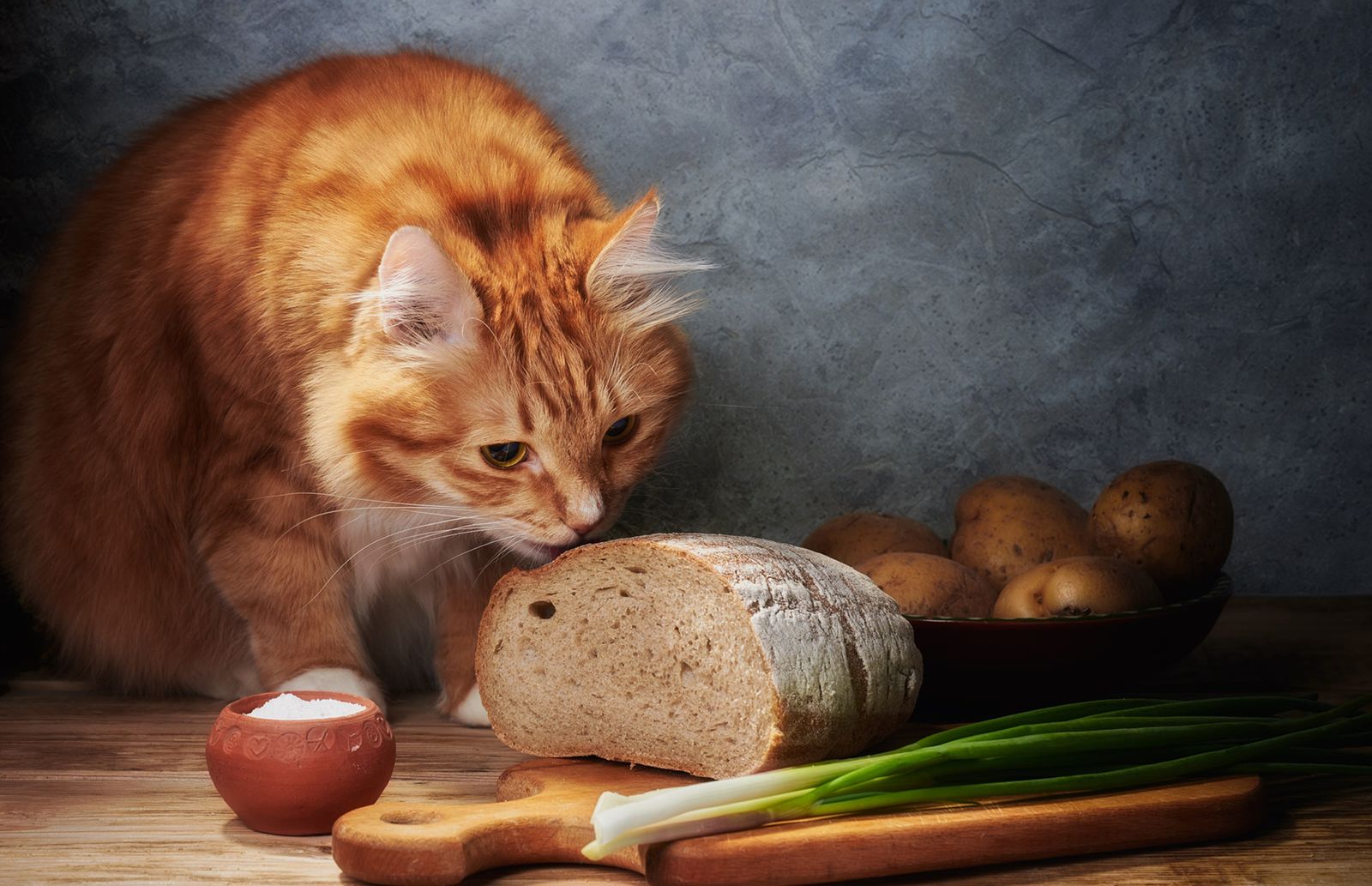
Yeast dough that is still rising can expand in a pet’s stomach, AAHA says, causing bloating and discomfort. As it rises, the dough also produces alcohol, which can cause poisoning with signs that include vomiting, disorientation and potentially respiratory failure. The ASPCA and the AVMA also warn about raw yeast dough, which makes the counter where rolls are proofing a spot worth guarding.
6. Alcohol
Even a small amount of alcohol can be dangerous for pets, AAHA says, and it affects them much more severely than people, causing vomiting, trouble breathing, tremors and seizures. Wine glasses and cocktails left on low tables count as hazards during a long afternoon of visiting.
7. Chocolate
Chocolate contains theobromine, which AAHA says is toxic to dogs and cats, and darker chocolate is more dangerous. The ASPCA lists chocolate among holiday foods that can lead to vomiting, diarrhea, tremors and seizures. Chocolate pies, brownies and candy dishes on a coffee table are all within easy reach of a curious dog.
8. Xylitol
Xylitol, a sweetener found in sugar-free desserts, gum and some peanut butters, is highly toxic to pets, according to AAHA. It can cause a rapid drop in blood sugar, seizures, liver failure and possibly death. The AVMA also names xylitol, found in gum and sugar-free baked goods, as potentially deadly to dogs and cats.
9. Macadamia Nuts
Macadamia nuts are highly toxic to dogs, AAHA says, and can cause weakness, vomiting, tremors and hyperthermia. A cookie tray or a nut bowl may seem harmless, but both are tempting to a dog at nose height.
AAHA’s 6 Tips for a Safer Table
AAHA’s guide closes with 6 steps. The first is a pet-free kitchen zone, using baby gates during cooking and confining a pet to a bedroom or crate if it gets past them. The second is telling guests, especially children, which foods are dangerous and asking them not to share. The third is patrolling for unattended plates and cups, and the fourth is keeping food off low tables and storing leftovers safely.
The fifth is securing the trash with a locking lid and taking bags out often during meal prep and dinner. The AVMA suggests sealing turkey carcasses and bones in a tightly closed bag outside or behind a closed door. The sixth is offering pet-safe treats instead, such as plain cooked turkey without bones, skin or seasoning, plain green beans, carrots and pumpkin, a small amount of plain sweet potato, and frozen blueberries.
If a pet swallows something harmful, AAHA advises contacting a veterinarian as soon as possible. The ASPCA lists its Animal Poison Control line at 888-426-4435, and the AVMA names the Pet Poison Helpline at 855-764-7661, which may charge a fee.
For the people at the table, there is plenty to enjoy, from these holiday main dishes that aren’t turkey to ideas for what to do with Thanksgiving leftovers once the plates are safely put away.
This article was written with the help of AI tools and checked against the sources linked above.




