

Walking into a grandmother’s house in the 1960s meant stepping into a very particular world. The kitchen had its own color scheme, the refrigerator held a stack of plastic containers, and a gelatin mold was never far from the dinner table.
Many of those objects were brand-new ideas at the time, born from postwar manufacturing and a booming interest in modern homemaking. Plenty of them now turn up at estate sales and antique malls, right alongside the pieces in a FrenzHub collection of forgotten household items from the past.
Here are 9 things that seemed to show up in almost every grandma’s house during that decade, and the stories behind them.
1. A stack of colorful Pyrex mixing bowls
Few kitchen items say “grandma” quite like a nesting set of bright Pyrex bowls. According to The Henry Ford museum, Corning first adapted its heat-resistant glass into cookware in 1915. In 1947, the company launched its “Primary Colors” line, turning once-clear glassware into cheerful red, yellow, green and blue bowls sold through the late 1940s and 1950s. By the 1960s, those sets had been in kitchens for years, mixing cake batter and holding potato salad. Today, collectors hunt for them, and a full set in good shape is a prized thrift store find.
2. Corning Ware with little blue flowers
Right next to the Pyrex sat another Corning favorite. The Henry Ford notes that Corning Ware arrived in 1958, built on a glass-ceramic material discovered in 1952 that could go from freezer to oven to table without cracking. Its signature Cornflower Blue pattern, introduced that same year, became one of the most recognizable designs in American kitchens. A 1960s grandmother might use the same dish to bake a casserole, serve it at the table and store the leftovers. Many families still have at least one piece tucked in a cupboard, often passed down to a new generation of home cooks who value its durability.
3. Tupperware with a lid that had to be burped
The refrigerator in a 1960s grandma’s house was often packed with Tupperware. Smithsonian Magazine explains that Earl Tupper released his first product, the Wonder Bowl, in 1946, and patented the airtight seal in 1947. The seal had to be “burped” by pressing the lid down and lifting a corner to release the air. Sales took off once Brownie Wise built the home party model, and by 1954 Tupperware sales hit $25 million. Those parties made the containers a fixture of suburban kitchens. For a look at what people of that era liked to eat, FrenzHub has a list of foods from the ’60s most boomers loved.
4. A Princess phone in the bedroom
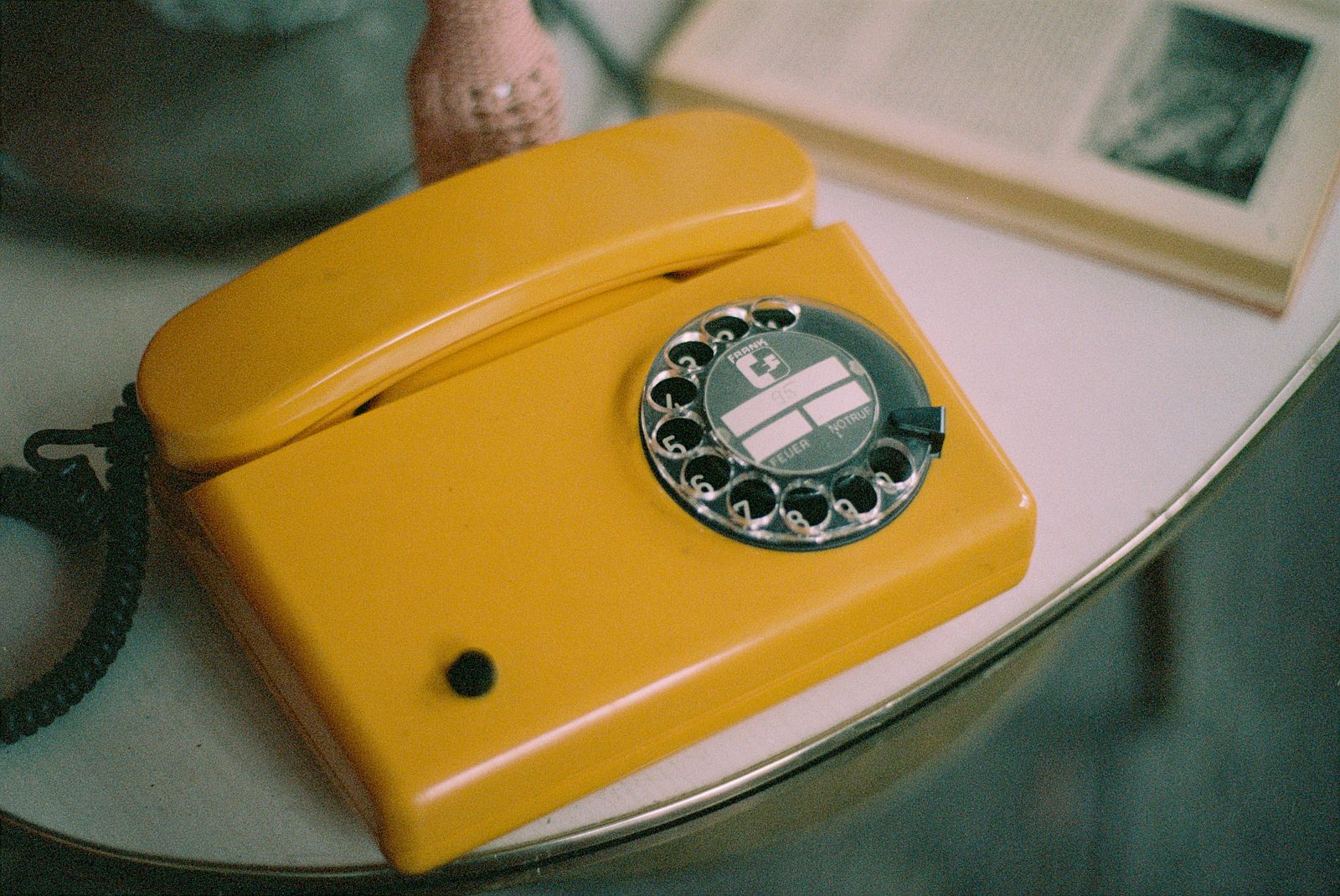
A heavy rotary phone often hung on the kitchen wall, but many homes also had a sleek Princess phone by the bed. According to The Henry Ford’s collection, industrial designer Henry Dreyfuss created the Princess in 1959 for the Bell System. It was marketed to women as a bedroom phone, came in colors like pink and featured a dial that lit up at night. The model stayed in production until 1994, which is why so many families remember one on a nightstand. Kids who grew up watching shows from a FrenzHub roundup of Saturday morning cartoon classics from the ’60s and ’70s likely remember those phones too.
5. Gelatin molds and a jiggly salad on the table
A molded gelatin salad was practically mandatory at family dinners. History.com describes the 1950s as the golden age of Jell-O salad, when quick, showy gelatin dishes fit perfectly into postwar entertaining. The dishes stayed on tables through the 1960s, even as their popularity began to fade, before savory versions largely fell out of favor in the 1970s. Grandmothers often owned several metal or plastic molds shaped like rings, stars or fluted towers. Fruit, nuts, vegetables and sometimes even meat got suspended in lemon, raspberry or strawberry gelatin, turning a simple side dish into a centerpiece.
6. Appliances in a bold new color
White appliances started to look old-fashioned during the 1960s. Retro Renovation, citing a General Electric infographic, lists Coppertone appliances arriving in 1964, Avocado in 1966 and Harvest Gold in 1968. A grandmother who remodeled late in the decade might have proudly installed a brown, green or golden range and refrigerator. Those shades went on to define the 1970s, but they got their start in 1960s showrooms. Today, a matching set of avocado appliances is a rare sight, though the colors still pop up in retro-inspired kitchen design and vintage photos.
7. Turquoise and teal touches
Before earth tones took over, many kitchens leaned bright and cheerful. A Taste of Home look at vintage kitchen colors notes that teal reached its peak popularity in the 1960s. Grandma’s house might have had a teal canister set, a turquoise breadbox or a bright blue-green tablecloth on the dinette. Pink was also a holdover from the 1950s, a candy-colored shade linked to First Lady Mamie Eisenhower. Mixing those colors with white cabinets and chrome trim created the upbeat look that many people still picture when they think of a mid-century kitchen today.
8. A chrome dinette set
The kitchen table itself was often a gleaming chrome-legged dinette. Taste of Home explains that chrome showed up on coffee pots, blenders, counter trim and table-and-chair sets in the 1950s, when even refrigerators and stoves debuted with chrome accents. A grandmother in the 1960s likely still had the same sturdy dinette, with a laminate top and vinyl-padded chairs. It was where coffee was poured, homework got done and card games stretched late into the evening. Those sets are now popular finds for collectors who want an authentic diner-style corner in a modern home, and they still hold up remarkably well.
9. A color-matched bathroom
The color craze did not stop at the kitchen door. Retro Renovation notes that Kohler sold avocado sinks, tubs and toilets from 1967 to 1979, so a grandmother who updated her bathroom at the end of the decade might have gone all in on green. Earlier homes often had pink or turquoise tile and fixtures from the 1950s, and a pastel tub with a matching sink was a point of pride. These bathrooms have become a beloved part of mid-century nostalgia. Some homeowners now choose to preserve the original tile rather than rip it out, treating it as a piece of history worth keeping.
A house full of memories
These 9 fixtures of the 1960s home say a lot about the decade’s optimism, with new materials, new colors and new ways of entertaining. Many of the same pieces are still around, so it is no surprise to see a separate list of 11 things boomers will never throw away.
The skills from that era stuck around too. A related piece looks at 11 skills boomers learned before age 15 that are uncommon today, many of them picked up in kitchens just like these.
This article was written with the help of AI tools and checked against the sources linked above.




