

A backyard can feel like private territory, a place where an owner gets to decide what stays and what goes. When it comes to digging a hole and covering something up, though, state environmental agencies and local governments have a lot to say. Many of the rules exist because buried waste does not stay put. Rain moves chemicals through soil, metals leach into groundwater, and a forgotten pit can become a costly cleanup bill for the next owner.
The rules differ from state to state, and some counties add their own layer on top. Still, a handful of materials show up again and again on prohibited lists across the country. Anyone planning yard projects this season, whether that means building elevated garden beds for fall greens and herbs or swapping turf for a clover lawn, may want to know which leftovers belong at a landfill or collection site instead of under the grass.
Below are 9 things that state and local rules commonly bar people from burying on their own land, along with the agencies that spell out the limits. Yard care already comes with plenty of challenges, from the worst garden pests and how to get rid of them to drainage and weeds, so it helps to avoid adding a legal headache to the list.
1. Old Tires
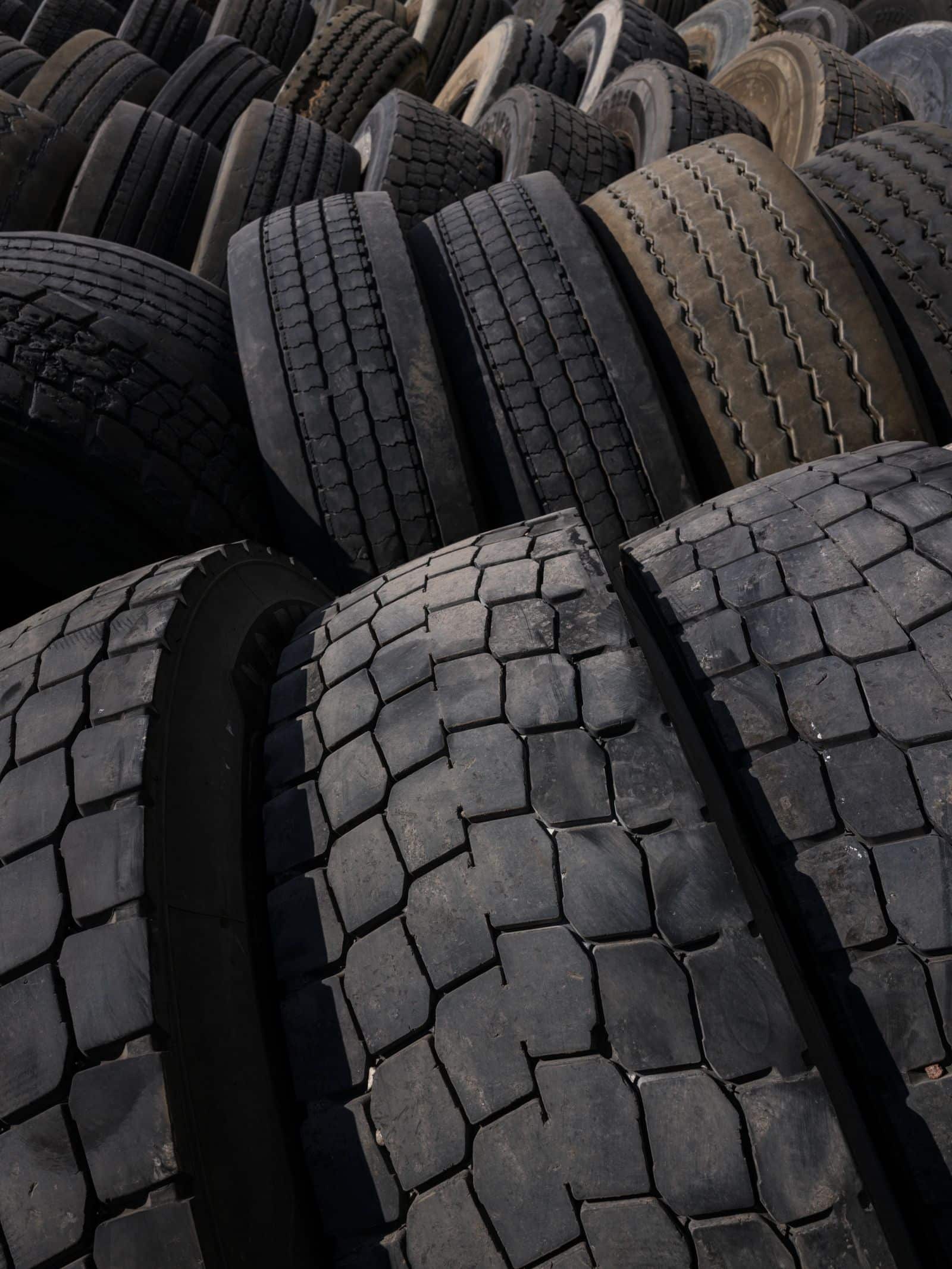
Tires are one of the clearest examples. The Iowa Department of Natural Resources says land disposal of waste tires has been banned in the state since July 1, 1991, and that the burial or open burning of waste tires is strictly prohibited. The ban covers whole, cut and shredded tires. The agency points out that dumped tires can catch fire, contaminate soil and groundwater, and collect standing water that breeds mosquitoes.
Nebraska takes a similar line. A state guidance document on solid waste on agricultural properties states plainly that the land disposal of waste tires is prohibited, with only narrow farm exceptions such as equipment bumpers and small erosion-control projects.
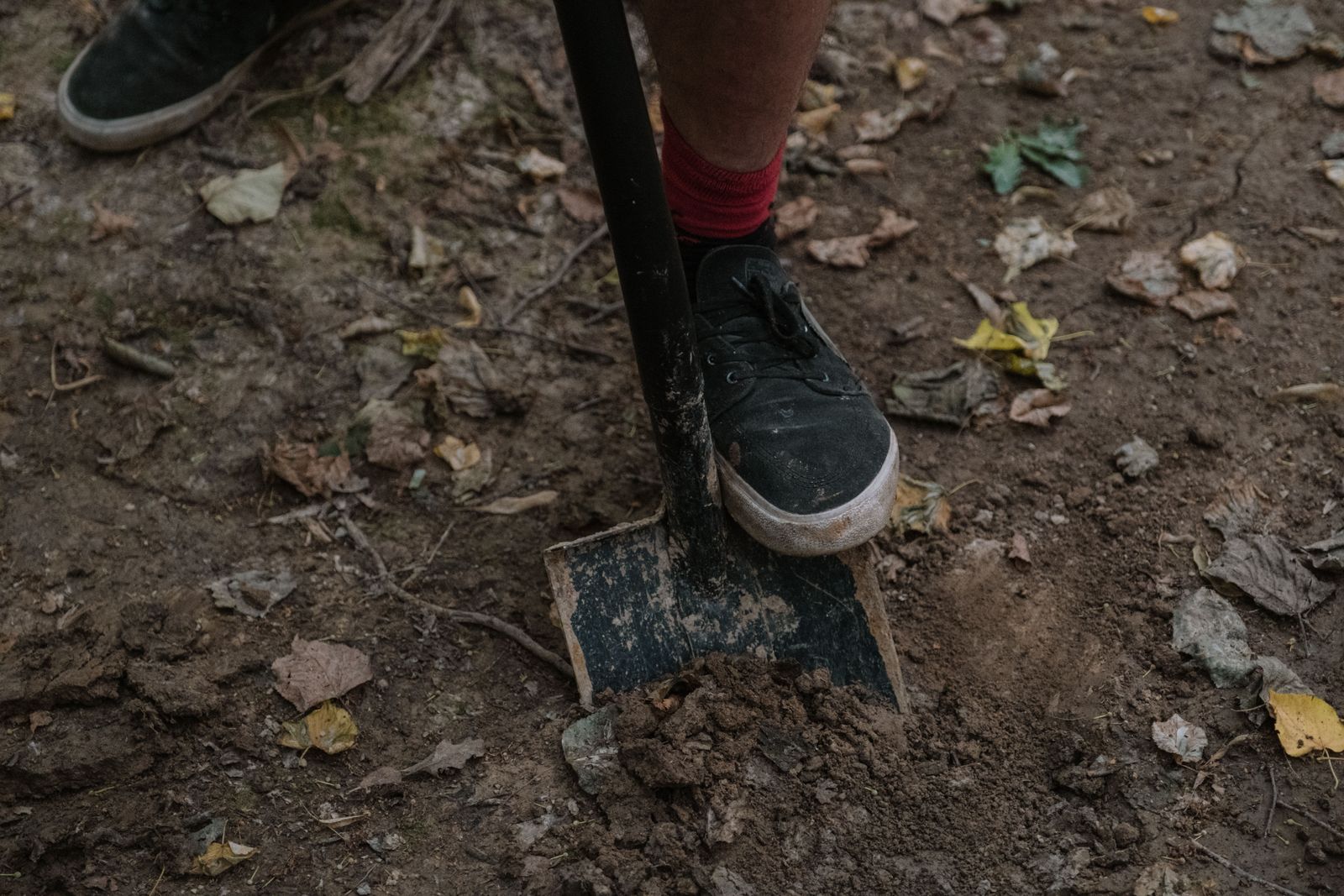
2. Demolition Debris From a Remodel
Tearing down an old shed or gutting a garage creates a mountain of material, and a backyard pit can look tempting. The Wisconsin Department of Natural Resources says it is illegal to bury waste on private property and directs demolition waste to licensed facilities. Only clean fill, such as clean soil, brick, building stone, unpainted concrete and untreated wood, can generally stay on site. The agency also warns that buried debris can lead to fines, cleanup liability, lower property value and disclosure duties when the home is sold.
3. Asbestos-Containing Materials
Older homes sometimes contain asbestos in flooring, siding or pipe insulation. Asbestos is not on Wisconsin’s clean fill list, and the same state guidance directs asbestos waste to licensed landfills. Owners must also notify regulators before demolition or renovation work that involves asbestos-containing material. Burying broken siding or tiles in a corner of the lot does not satisfy any of those requirements and can create a long-term hazard for whoever digs there next.
4. Leftover Household Hazardous Waste
Many everyday products, from certain cleaners to some paints and garden chemicals, count as household hazardous waste once they are no longer wanted. CalRecycle, the California agency that oversees waste and recycling, states that it is illegal to dispose of hazardous waste in the garbage, down storm drains or onto the ground. Its guidance notes that chemicals from improperly discarded products can spread into air, water and possibly food. Pouring a half-empty jug into a hole and covering it with dirt still counts as putting it onto the ground.
5. Used Motor Oil and Oil Filters
Home oil changes leave behind dirty oil and a used filter. The Los Angeles County used oil program describes illegal dumping as disposing of oil and filters in places not designated for them, including trash bins, streets and other outdoor areas. The county lists fines of up to $10,000 under the California Penal Code and up to six months in jail under the state Health and Safety Code. Most auto parts stores and certified collection centers accept used oil for recycling, which makes a shovel unnecessary.
6. Worn-Out Household Appliances
A dead refrigerator or washing machine is bulky, heavy and hard to haul. Nebraska’s statewide landfill bans cover household appliances, and the state’s agricultural waste guidance lists appliances among the items banned from land disposal. Old refrigerators and freezers can also contain refrigerants and other parts that need special handling, which is why many cities run bulky-item pickups or appliance recycling days.
7. Ash From a Burn Barrel
In rural areas where burn barrels are still used, the leftover ash is its own problem. The same Nebraska guidance says ash from burning household waste must go to a permitted municipal solid waste landfill and states that burying ash waste is prohibited. Burned trash can concentrate metals and other residues, so the ash is treated as waste rather than as harmless garden material.
8. Bags of Household Garbage
Burying regular trash might sound like an old farm habit, but many states now restrict it. A Missouri Department of Natural Resources fact sheet says general solid waste, including garbage and construction and demolition debris, may not be dumped, burned or reburied except at a permitted landfill. Nebraska’s guidance adds that dumping waste on private property has been prohibited in that state since October 1, 1993. In Iowa, the state DNR notes that open dumping can bring enforcement and a civil penalty under the Iowa Code.
9. Human Remains Without the Right Approvals
Home burial of a family member is the most sensitive item on this list, and the rules vary widely. A report on California law notes that human burial in a backyard is not legal in that state. Florida is different: according to a report on Florida law, no state law bars a family burial on private land, but small family cemeteries fall under state statute, a burial-transit permit may be required, a licensed funeral director may need to be involved and local zoning still applies. Skipping those steps is where the legal trouble starts.
A Note on Pets and Digging Safely
Pets are the item people ask about most, and the answer depends heavily on location. Florida statute requires that a domestic animal that died of disease be burned or buried at least 2 feet below the surface, according to the same Florida report. In California, there is no statewide rule, and counties such as Sacramento allow backyard pet burial but do not recommend it. Checking with a city or county office first is the safest route.
Any digging project also carries a hidden risk: buried utility lines. The national 811 before-digging service asks homeowners to contact 811 a few business days before planting trees, installing fences or starting other projects that break ground. For more on rules that surprise people, see this look at things no longer allowed in an RV that people still do, along with a list of home repairs men should stop attempting.
This article was written with the help of AI tools and checked against the sources linked above.




