

In Hollywood, a movie’s fate isn’t sealed by its flashy premiere but by the brutal freefall of its second weekend.
We all love a success story. But to get why these flops are so epic, you need a quick peek behind the Hollywood curtain. A movie’s budget—that giant number you see in headlines—is just the price to make the film. Studios then spend a fortune, sometimes another $100 million or more, just on marketing and distribution.
3X The Production Budget or Bust

As a general rule, a movie has to make two to three times its production budget at the box office just to break even, because studios only get about half of the money from ticket sales. So, how can you tell when a movie is truly toxic? Look at the “second-weekend drop.” It’s the ultimate audience rejection slip.
As per Yahoo, if a film’s ticket sales plummet by more than 60% in its second week, it’s a catastrophe. It means everyone who was even a little curious saw its opening weekend, hated it, and told all their friends to stay away. That’s when theaters start counting the minutes until they can replace it with anything else. Here are ten infamous movie flops.
The Lone Ranger (2013)
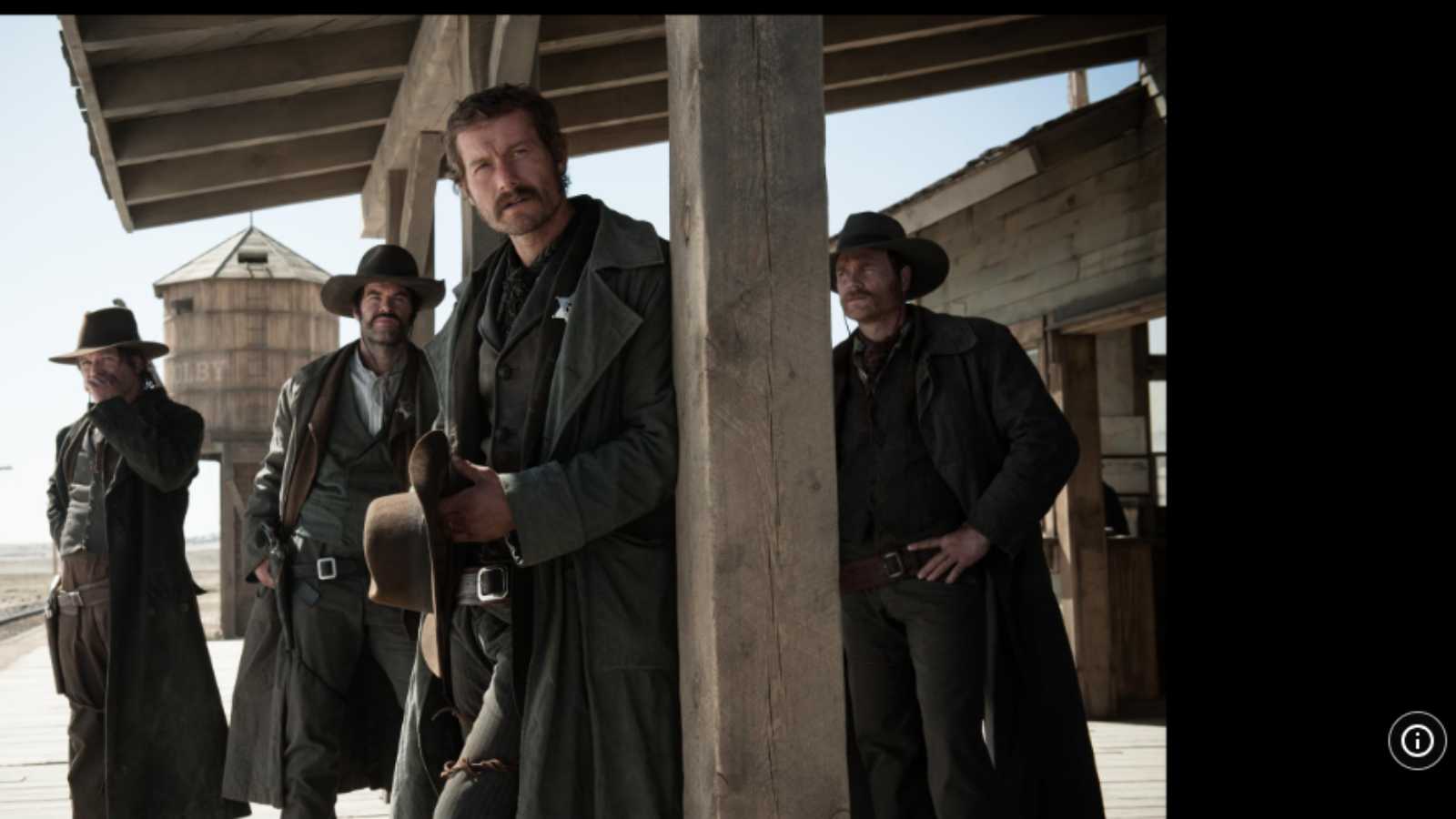
Remember the Pirates of the Caribbean movies? Disney sure did. They figured they could catch lightning in a bottle twice by reuniting director Gore Verbinski and star Johnny Depp for a quirky blockbuster set in the Old West. It seemed like a can’t-miss formula. Except it missed by a mile. The budget was a monstrous $225–$250 million, and that was after Disney pumped the brakes on an even higher number. Add another $150 million for marketing, and Disney was in for about $400 million. The film only scraped together $260.5 million worldwide, forcing Disney to admit a painful loss of up to $190 million.
So, what went wrong? For starters, the budget was out of control, partly because they insisted on using real, full-size trains instead of CGI. But the bigger problem was that the creative team tried to copy-paste the Pirates formula onto a genre that audiences had already soured on. Big-budget Westerns like Cowboys & Aliens had already flopped, but Hollywood wasn’t listening.
The film faced controversy for casting Johnny Depp as the Native American character Tonto, and audiences were showing signs of “wacky Depp costume” fatigue. Critics savaged the movie for its bloated two-and-a-half-hour runtime and messy story, landing it a “Rotten” 31% on Rotten Tomatoes.
Catwoman (2004)
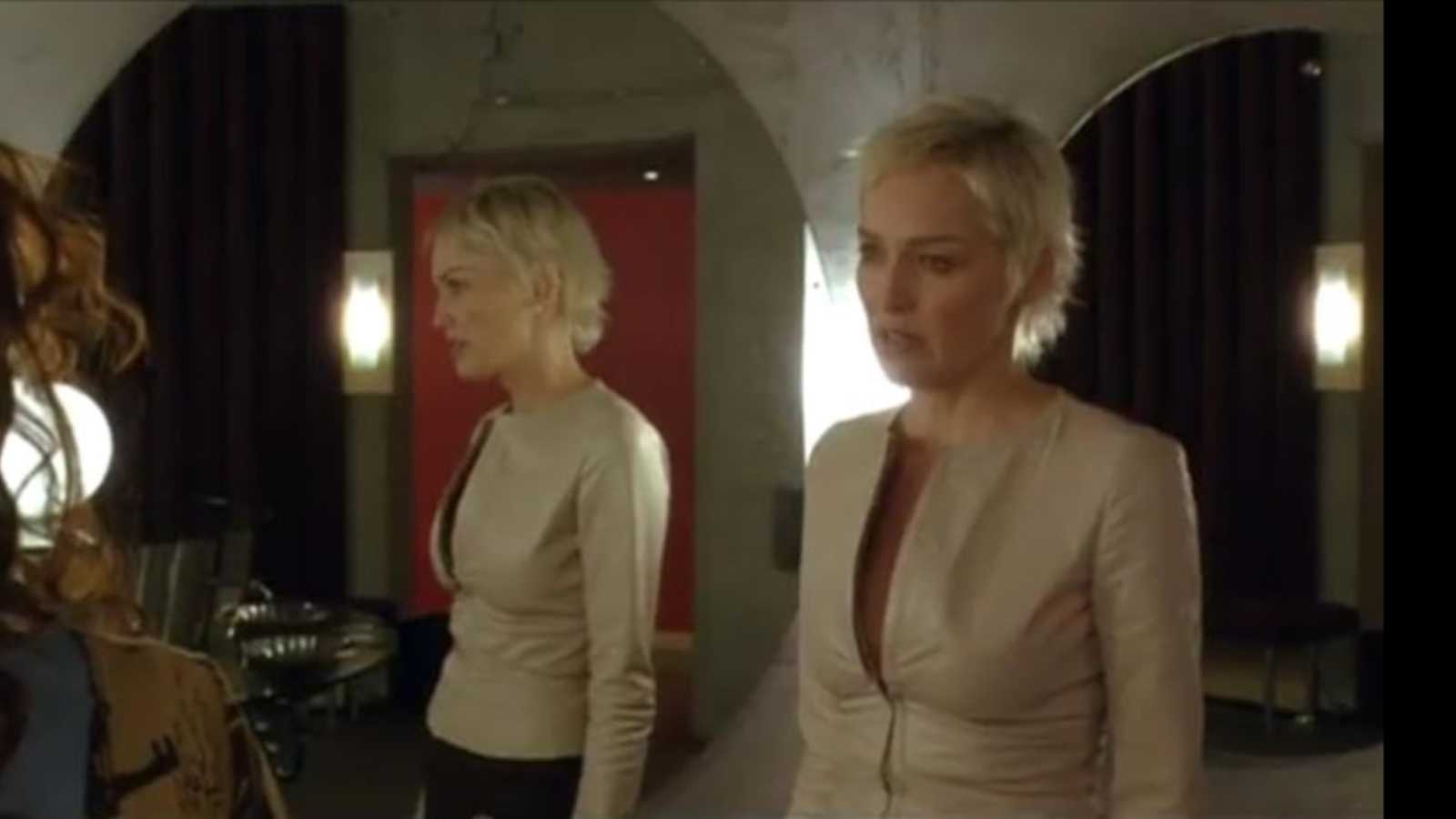
Halle Berry had just won an Oscar. She was one of the biggest stars in the world. A solo movie for Catwoman, one of DC’s most beloved characters, should have been a slam dunk. Instead, we got this. A movie so disconnected from the source material that its screenwriter later called it a “movie dumped by the studio at the end of a style cycle” with “zero cultural relevance.” The film cost $100 million to make but only clawed back $82.4 million worldwide—not even enough to cover its production budget, let alone marketing. It was a disaster.
The production was a mess from the start. The script reportedly had 28 different writers work on it at some point. The studio couldn’t even find enough decent dialogue to fill a trailer and had to release a version with no talking at all. Then there was the infamous costume: a leather bra and shredded pants that looked more suited for a rock concert than a superhero movie. It was ridiculed online the second it was revealed, killing any buzz the film had.
Critics universally panned it, giving it a pathetic 8% on Rotten Tomatoes. The legendary Roger Ebert placed it on his “most hated” list, quipping that the movie was only about “Halle Berry’s beauty, s@x appeal, figure, eyes, lips, and costume design. It gets those right. Everything else is secondary.” Audiences agreed. The failure was so notorious that Halle Berry showed up in person to accept her Razzie award for Worst Actress, thanking the studio for putting her in a “piece of xxxx, god-awful movie.” For years, Hollywood pointed to Catwoman as “proof” that female-led superhero films didn’t work. It was easier to blame the concept than to admit the real problem: they had made a terrible movie.
Battlefield Earth (2000)
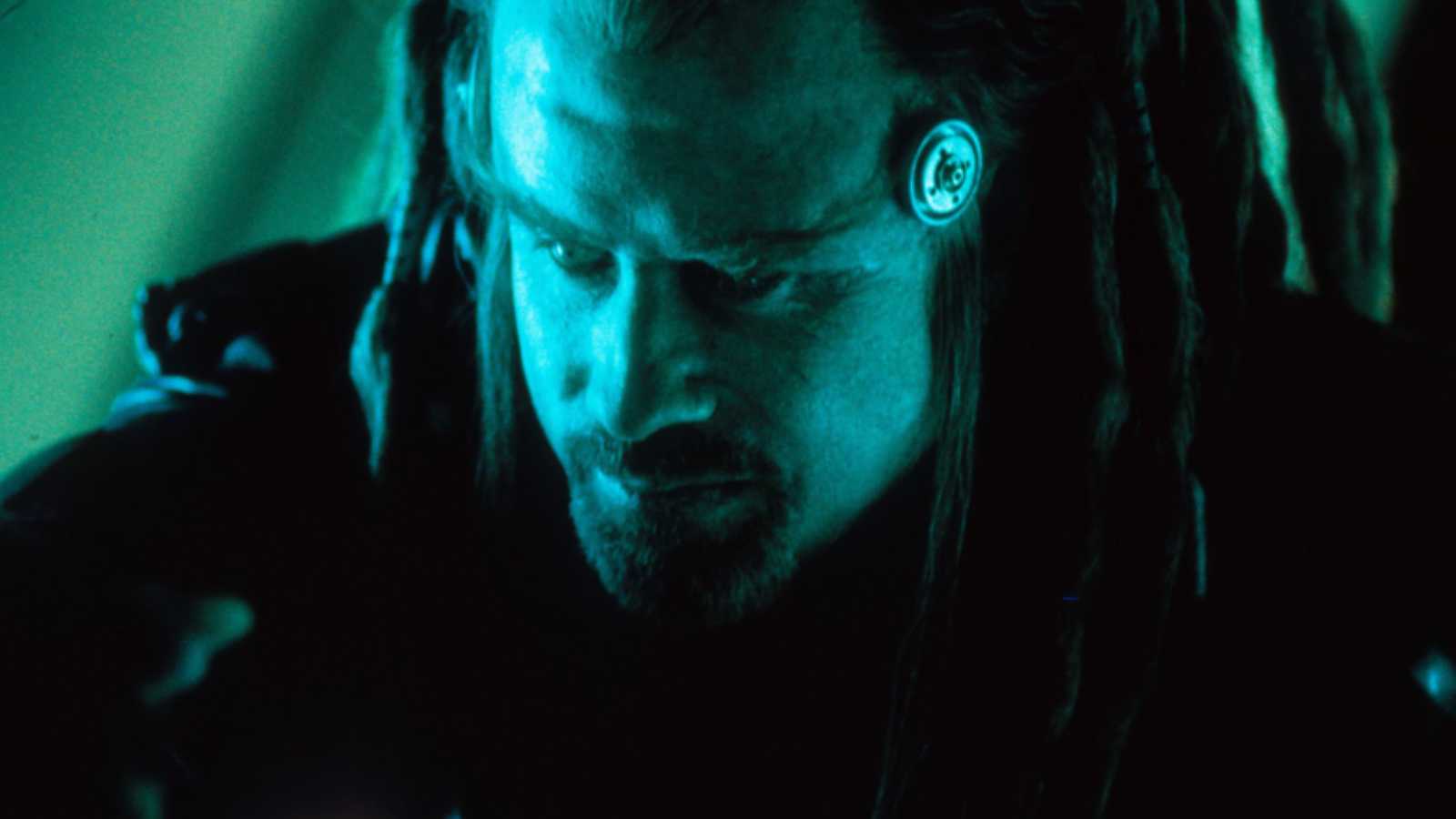
This was John Travolta’s ultimate passion project. Based on a sci-fi novel by Scientology founder L. Ron Hubbard, Travolta used his post-Pulp Fiction career revival to finally get it made after years of studios saying “no thanks.” The film’s budget was a mess of Hollywood accounting. The production company, Franchise Pictures, was later caught fraudulently inflating budgets to scam investors. They had fraudulently overstated the film’s budget by $31 million. Not that it mattered. The movie only made $29.7 million worldwide, a loss so huge it helped bankrupt the studio.
It’s a masterclass in bad filmmaking. The director, Roger Christian, filled the movie with bizarre tilted camera shots, known as “Dutch angles,” which critics noted he used “without ever understanding how, when, and why.” Travolta’s over-the-top performance as a nine-foot-tall alien was widely mocked, and the movie is considered one of the worst ever made, holding a 3% on Rotten Tomatoes, signifying “overwhelming dislike.” Audiences who saw it were appalled, giving it a terrible D+ CinemaScore.
After opening in second place behind Gladiator, it collapsed. Ticket sales cratered by 66% in its second weekend and another 72.7% in its third. Theaters couldn’t dump it fast enough. The fallout was total. It was named “Worst Picture of the Decade” at the Razzies, and the toy company that made the action figures went bankrupt. The film is a perfect example of the “passion project paradox.” Travolta’s passion blinded him to the fact that the material was deeply flawed, and his star power allowed him to override the valid concerns that had kept the movie from being made for years.
The Adventures of Pluto Nash (2002)

Imagine this: Eddie Murphy, one of the biggest stars on the planet, in a sci-fi action-comedy set on the moon. With a $100 million budget, what could go wrong? Everything. The film grossed a jaw-droppingly awful $7.1 million worldwide. That’s not a typo. It made back less than 10% of its production budget, a loss of over $150 million when adjusted for inflation, making it one of the biggest financial bombs in history.
The movie was so bad that the studio, Warner Bros., let it sit on a shelf for nearly two years before quietly dumping it into theaters in the dead of August—a classic sign that they knew they had a dud. Critics and audiences agreed it was “neither adventurous nor funny.” The New York Post called it “so unremittingly awful that labeling it a dog probably constitutes cruelty to canines.”
Even Eddie Murphy knew it was a disaster. He later joked, “I know the two or three people that liked this movie.” It holds a 6% on Rotten Tomatoes. After a pathetic $2.1 million opening, it suffered a massive 70.8% second-weekend drop and was yanked from theaters almost immediately. It was a true dead-on-arrival flop, a film that was doomed internally long before the public ever got to see it.
Town & Country (2001)
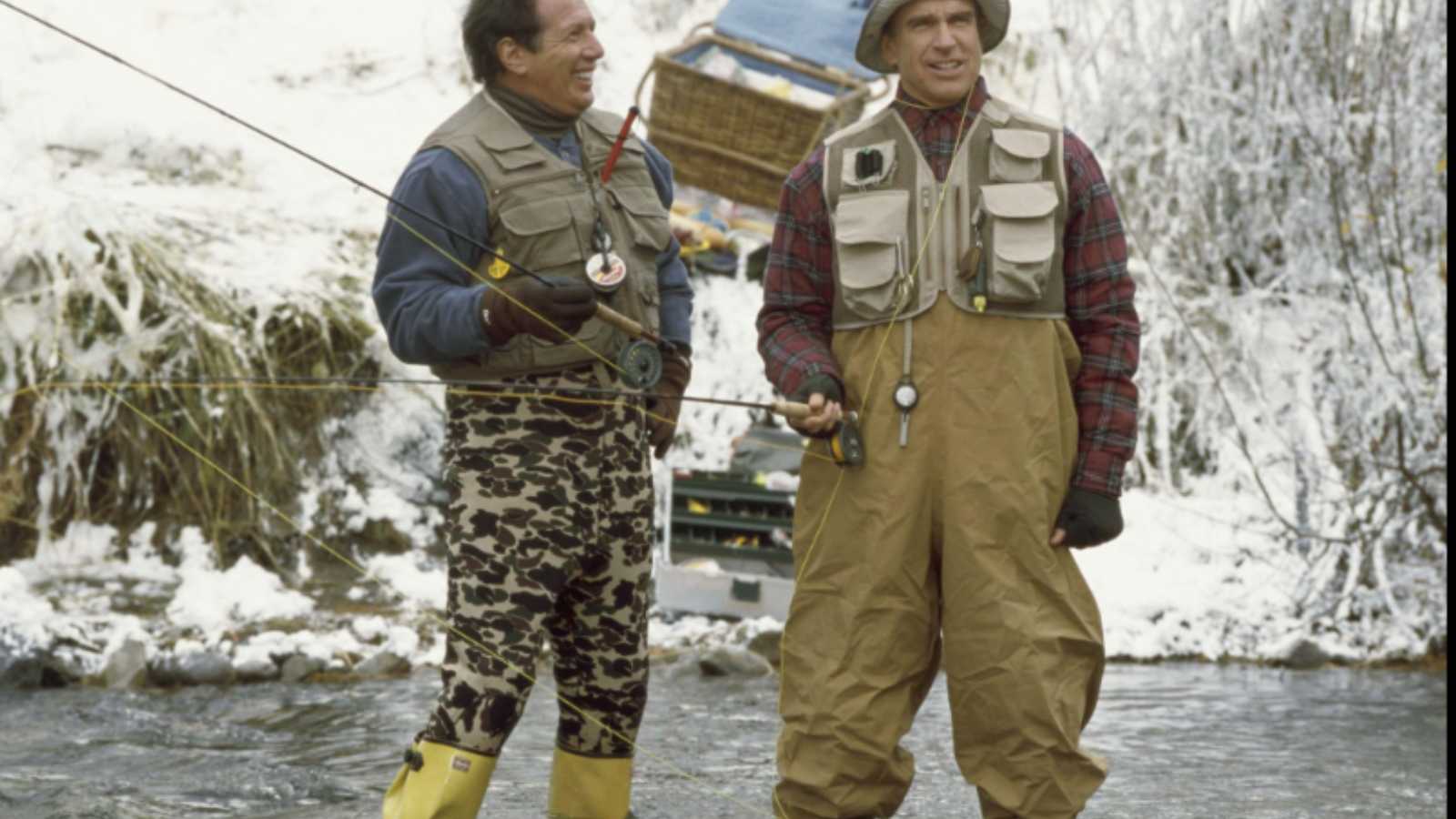
On paper, this movie looked like a sophisticated treat. A romantic comedy starring a dream cast of legends: Warren Beatty, Diane Keaton, Goldie Hawn, and Garry Shandling. In reality, it was one of Hollywood’s most infamous train wrecks. What started as a $40 million comedy spiraled into a $90 million catastrophe, and that’s for a movie with no special effects. It ended up grossing a pitiful $10.4 million worldwide, losing over $100 million, and becoming the biggest rom-com bomb of all time.
The production was pure chaos, blamed mainly on star and producer Warren Beatty’s controlling perfectionism. The shoot dragged on for nearly two years with endless rewrites. After 12 different release date changes, the studio finally gave up and dumped the film in theaters with barely any advertising. Critics called it a “muddled, unfocused comedy,” and the actors seemed to be “sleepwalking lazily through the scenes.“
Audiences gave it a poor C- CinemaScore. The fiasco was so total that Warren Beatty didn’t appear in another movie for 15 years. It stands as a stark warning of what happens when a star’s power goes completely unchecked, turning a simple comedy into a monumentally expensive disaster.
Mars Needs Moms (2011)

Save this article
Disney and producer Robert Zemeckis (Back to the Future) poured a massive $90 million into this animated adventure, hoping its cutting-edge motion-capture technology would wow audiences. Instead, it just creeped them out. The film was a box office apocalypse. The problem was the animation style. The technology, which was also used in The Polar Express, fell deep into the “uncanny valley“—a term for when animated humans look almost real, but not quite, making them deeply unsettling. The marketing was another nightmare. How do you sell a movie called Mars Needs Moms? The studio worried that “boys wouldn’t see a movie with ‘moms’ in the title” and “girls wouldn’t see a movie about Mars.” They were right.
The buzz was so bad internally that after seeing a rough cut, Disney executives decided to shut down the entire animation studio behind it, ImageMovers Digital, before the film was even released. They knew they had a bomb on their hands.
The film was dead on arrival, opening to a miserable $6.9 million. To cut its losses, Disney sent it straight to video in some countries. The failure was a brutal lesson: technology is worthless if it doesn’t connect with the audience emotionally. The creepy visuals became a barrier to the story, killing the movie and the studio that made it.
Gigli (2003)
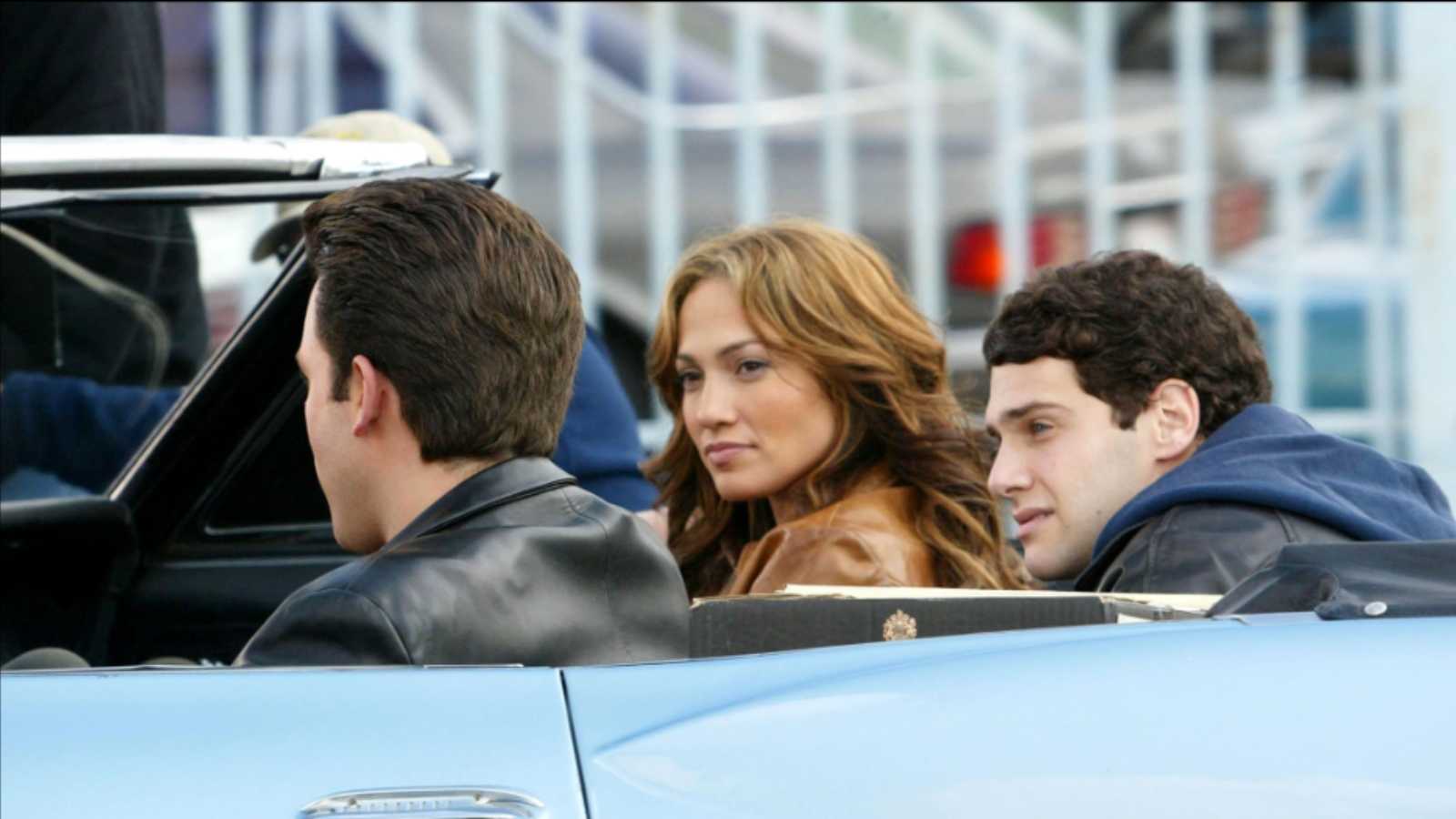
In the early 2000s, you couldn’t escape “Bennifer.” The tabloid romance between Ben Affleck and Jennifer Lopez was everywhere. So, a crime rom-com starring the world’s most famous couple seemed like a sure thing. It turned out to be one of the most famously awful movies ever made. With a budget of around $75 million, Gigli grossed a worldwide total of just $7.2 million. But the financial loss was nothing compared to the cultural damage.
The film became a magnet for all the public backlash against the couple’s over-the-top media presence. But the movie itself was also uniquely terrible. The dialogue was bizarre, including the now-legendary line, “It’s turkey time. Gobble gobble.” The director, Martin Brest (Beverly Hills Cop), later disowned the film, calling it a “ghastly cadaver of a movie” that was mangled by studio interference and reshoots.
Critics were vicious, and it holds a 6% on Rotten Tomatoes. But the audience reaction was even more historic. It received a nuclear D- CinemaScore, one of the worst grades ever recorded. Then came the second weekend. Ticket sales plummeted an astounding 81.9%, one of the most significant drops in box office history. By its third week, 97% of theaters had dropped it. The failure was so complete that it ended Martin Brest’s career—he never directed again. Gigli wasn’t just a flop; it was a perfect storm where a troubled production, a critically reviled film, and a toxic media narrative all collided at once, turning the movie’s title into a permanent punchline.
Cutthroat Island (1995)
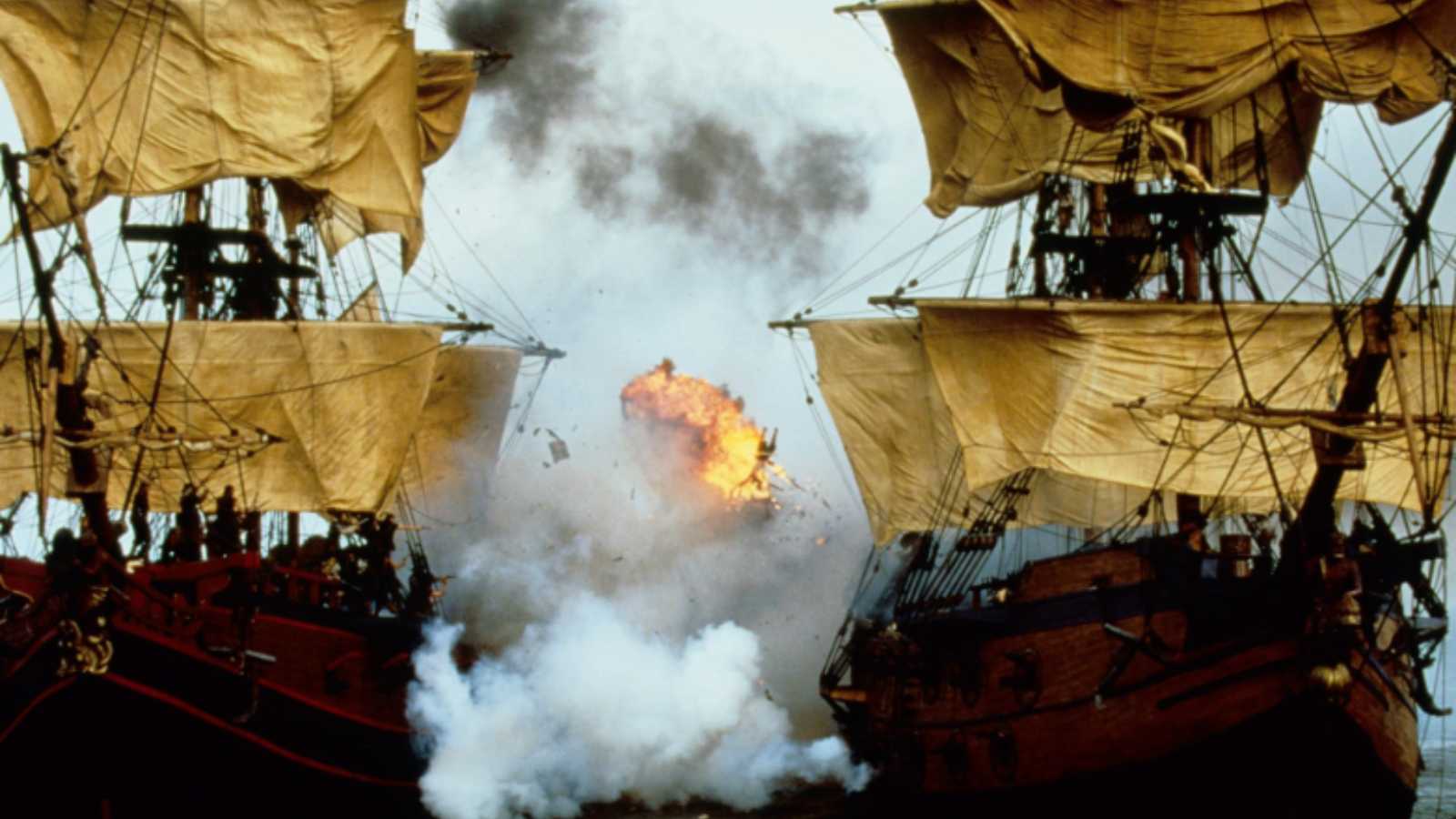
This swashbuckling adventure was supposed to make Geena Davis a massive action star. Instead, it sank a studio and killed an entire genre. With a budget that exploded from $65 million to $98 million, Cutthroat Island was a costly gamble. The production company, Carolco Pictures, was already in deep financial trouble and bet its entire future on this one film. They lost. Big time. The movie grossed a pathetic $10 million worldwide. The loss was so massive—over $200 million when adjusted for inflation—that it earned a spot in the Guinness World Records as the biggest box office bomb of all time.
The production was a legendary disaster. The original male lead quit, a key crew member was fired and took dozens of people with him, and a raw sewage pipe burst into the main water tank set. By the time the film was done, Carolco was so broke that the film’s distributor, MGM, was in the middle of being sold and couldn’t afford to market it. Critics called it a “bloated, jokey production” with a “seriously mismatched romantic duo.” It opened in 13th place and was gone in a flash.
The fallout was immediate and devastating. Carolco Pictures filed for bankruptcy. And the failure was so spectacular that it “utterly soured Hollywood’s opinion on pirate films for years,” effectively killing the genre until Pirates of the Caribbean resurrected it nearly a decade later. It was a “studio killer” and a “genre killer,” a flop whose ripple effects were felt across the entire industry.
Heaven’s Gate (1980)
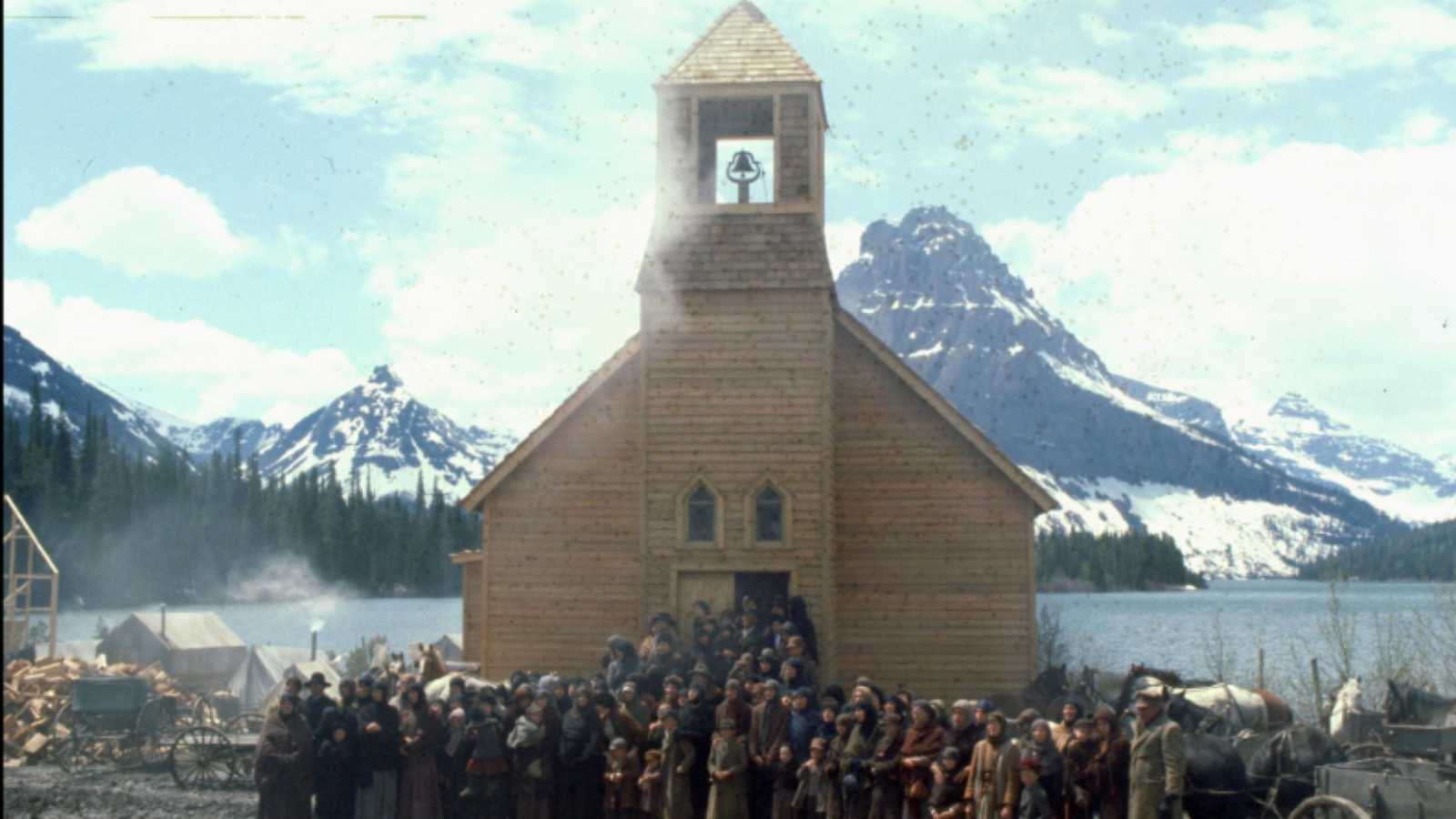
No film represents the idea of a catastrophic flop better than Heaven’s Gate. This wasn’t just a movie that lost money; it was a movie that ended an entire era of filmmaking. Fresh off his Best Picture win for The Deer Hunter, director Michael Cimino was given total creative control and a blank check by United Artists to make his dream project: a sweeping Western epic.
The initial budget of $11.6 million swelled to an unbelievable $44 million in 1980—the equivalent of over $160 million today. The film only made back $3.5 million. Cimino’s perfectionism became the stuff of Hollywood legend. He shot over 220 hours of footage, would wait for hours for a specific cloud to appear in the sky, and demanded more than 50 takes for simple shots. Stories of the out-of-control production and budget leaked to the press, and critics had their “knives sharpened” before the premiere. The first screening was a disaster. Critics savaged the nearly five-and-a-half-hour film as pretentious and boring. The film’s name instantly became a synonym for failure.
The financial loss was so significant that it contributed to the bankruptcy of the studio, United Artists, a legendary company founded by Charlie Chaplin. But the actual impact was even bigger. The failure of Heaven’s Gate is widely seen as the event that killed the “New Hollywood” era of the 1970s, when visionary directors had creative control. After this debacle, the studios seized power back, and the industry shifted to the producer-driven, committee-made blockbusters we know today. It is perhaps the most consequential flop in cinema history.
John Carter (2012)
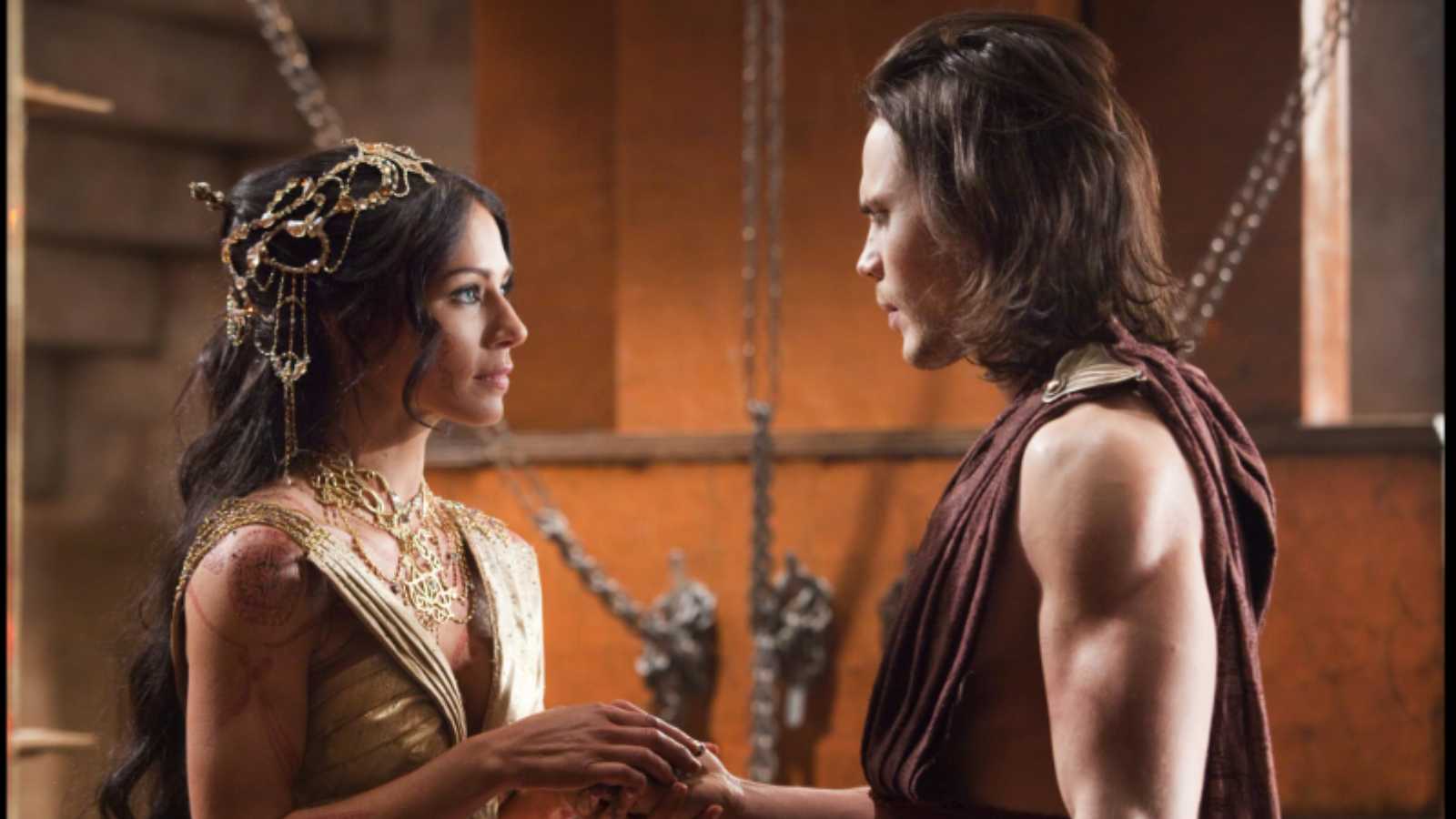
This is it. The undisputed king of box office bombs. Disney’s John Carter was a sci-fi epic based on a century-old series of novels that inspired both Star Wars and Avatar. It was directed by Andrew Stanton, the beloved genius behind Pixar’s Finding Nemo and WALL-E. It had one of the biggest budgets in history. The production cost a mind-blowing $263.7 million, and that was after tax credits. With marketing, Disney’s total investment was well over $350 million. It needed to make more than $600 million just to break even. It didn’t even come close, grossing just $284 million worldwide. Disney publicly announced a $200 million write-down on the film, the most significant single loss on a movie in history.
The failure was a masterclass in marketing malpractice. The source material was old and not well-known, so the marketing needed to explain what it was. Instead, it did the opposite. Worried about the failure of Mars Needs Moms the year before, the studio panicked and dropped “of Mars” from the title, leaving it with the painfully generic name John Carter. The trailers were bland and confusing, making the film look like a cheap knockoff of the very movies it had inspired. They were selling a product without a label. Reviews were mixed, with a 52% on Rotten Tomatoes, but the damage was done. The movie opened to a disastrous $30.6 million domestically and then plummeted 55% in its second weekend, sealing its fate.
The fallout was brutal. The head of Walt Disney Studios was fired, and director Andrew Stanton retreated to Pixar, not directing another live-action film for over a decade. All plans for a new mega-franchise vanished overnight. It stands as the ultimate cautionary tale: you can spend a fortune on a movie, but if you can’t tell people why they should care, you’ve created the biggest flop of all time.
Key Takeaway

A movie doesn’t become an infamous, all-time flop just by being bad. It takes a perfect storm: a budget that defies gravity, creative hubris that ignores all the warning signs, and a marketing campaign that completely misses the point. But the final, fatal blow is always delivered by the audience. That brutal second-weekend drop is the ultimate verdict—a collective “no, thanks” that echoes through Hollywood history, turning these films from mere movies into legendary cautionary tales.
Disclaimer – This list is solely the author’s opinion based on research and publicly available information. It is not intended to be professional advice.
16 Grocery Staples to Stock Up On Before Prices Spike Again

16 Grocery Staples to Stock Up On Before Prices Spike Again
I was in the grocery store the other day, and it hit me—I’m buying the same things I always do, but my bill keeps getting higher. Like, I swear I just blinked, and suddenly, eggs are a luxury item. What’s going on?
Inflation, supply-chain delays, and erratic weather conditions have modestly (or, let’s face it, dramatically) pushed the prices of staples ever higher. The USDA reports that food prices climbed an additional 2.9% year over year in May 2025—and that’s after the inflation storm of 2022–2023.
So, if you’ve got room in a pantry, freezer, or even a couple of extra shelves, now might be a good moment to stock up on these staple groceries—before the prices rise later.





