

Many hobbies that once defined everyday American leisure are quietly fading as digital entertainment reshapes how people spend free time.
For decades, activities like bowling leagues, woodworking, stamp collecting, gardening clubs, and jigsaw puzzles gave people a sense of routine, creativity, and community. Leisure was often more hands-on, social, and tied to physical spaces rather than screens.
Today, smartphones, streaming platforms, gaming, and social media compete for nearly every spare moment of attention. As younger generations adopt different habits and forms of entertainment, many traditional Boomer-era hobbies are seeing declining participation, aging membership bases, and fewer places dedicated to keeping them alive.
What once felt like a normal part of American life is increasingly becoming nostalgic, with some long-standing hobbies now struggling to survive in a culture built around constant digital stimulation.
Bowling leagues
For decades, league bowling was the lifeblood of suburban social life, millions of Americans rolling strikes at the local alley each week. Both USBC membership and league participation are down from the late 1970s, according to bowlingball.com. Many bowling alleys that once hosted multiple leagues nightly are struggling to find just one or two teams to fill their leagues each week.
The Thursday night bowling games established lifelong friendships, but the younger generation wants more flexible socializing. These days, centers rely more on birthday parties, corporate events, and cosmic bowling, where the alley is dim and the beer flows freely, than on regular league income to sustain their financial well-being.
Bird watching
Bird watching continues to have its loyal followers, but the demographics have changed since those glory days of the boomer generation. Some started birding as members of organizations like the Audubon Society or as part of groups from retirement communities.
The hobby demanded early mornings, time, and tools like binoculars and field guides. Younger nature lovers now tend to favor more active activities like hiking or mountain biking, as opposed to the stillness birding requires.
Stamp collecting
Philately was once the king of hobbies, with the nation’s post offices selling special commemorative stamps to enthusiasts across the country. According to Stamps.org, the American Philatelic Society, an organization, boasted a membership high of 57,815 in 1988 and had declined to approximately 24,400 as of 2023.
Fewer and fewer people are dealing with paper mail these days, which translates to fewer chances to discover fabulous stamps from countries around the world. The hobby required patience, discipline, and an appreciation for history and geography, qualities that do not come naturally to the digital generation.
Rare stamps continue to fetch high prices at auctions, but the casual collectors who made up the backbone of the hobby have long since moved on to other pursuits.
Collecting china sets
Fine china symbolized elegance and family tradition; many baby boomers received complete sets as wedding presents that they only took out for special occasions. Crossing hands and chaining hands. The complexity of table settings–multiple dinner plates, course-specific utensils, fragile teacups–required particular ways of holding and storing.
Contemporary families eat more meals on the run, but prefer dishes that can be washed in the dishwasher, used in the microwave, and still resist breaking. Ever wonder what happens to all those china sets your grandparents once gave as wedding gifts, with matching teapots and all?
Formal dining room entertaining
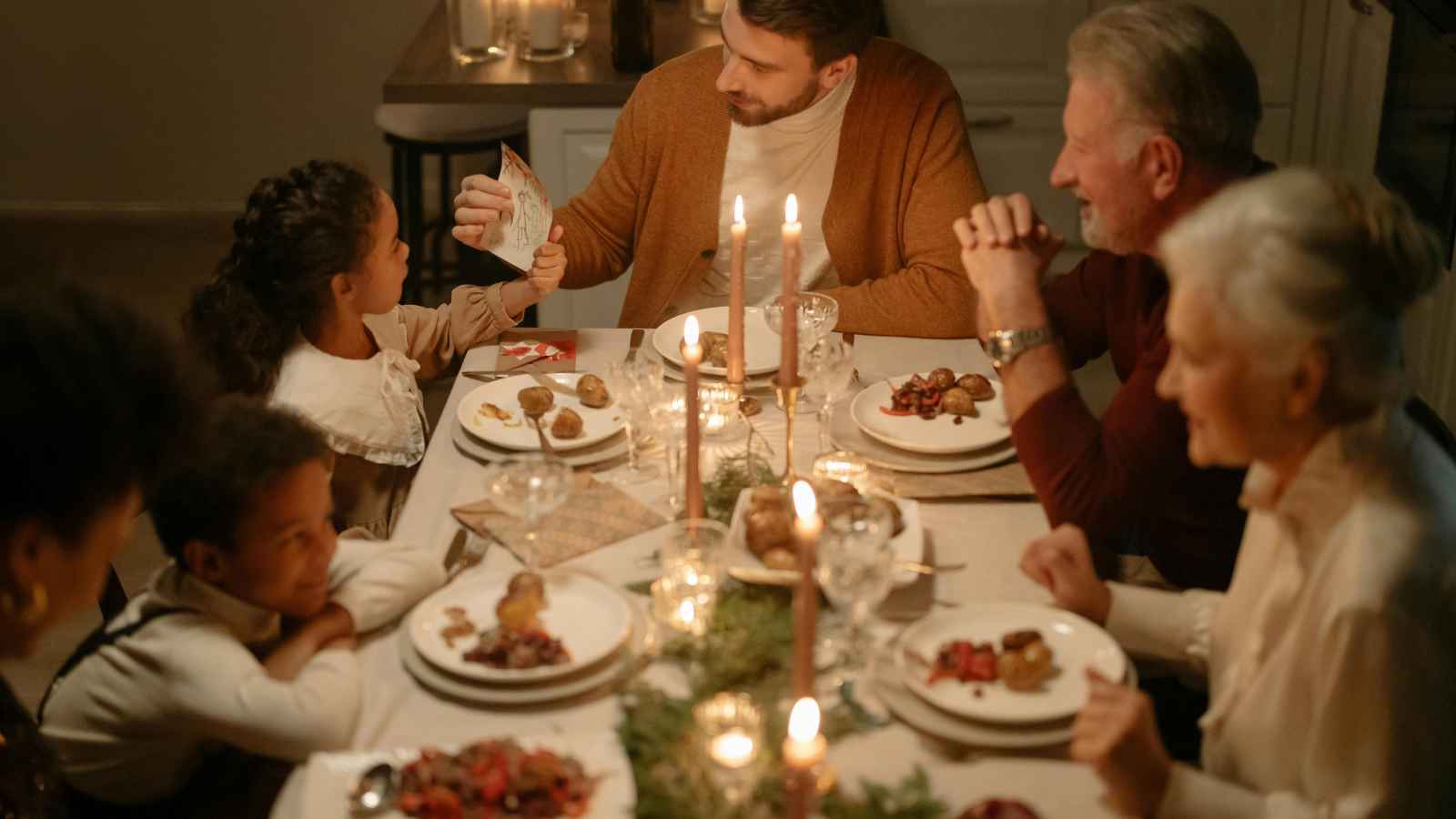
Formal dining rooms used to be the crown jewel of middle-class homes, resplendent with china cabinets and important serving dishes. The vast majority of both recent and prospective buyers prefer an open concept, particularly a combined kitchen and dining area or a completely open kitchen and dining space, according to the National Association of Home Builders. This desire reflects the trend of eating together in a formal dining room.
Today’s families also favor more open-concept living spaces, with kitchen islands being the new casual-eating and hangout spot. To younger homeowners who prefer convenience, the extravagant dinner parties that demanded multiple courses, cloth napkins, and a carefully set table look like a lot of trouble.
Woodworking
Homes with hand tools, sawhorses, and unfinished projects in the garage workshop typified the boomer household. These objects took time, specialized tools, and the room to store them, a luxury that many contemporary homeowners can’t afford.
The simple pleasure of making furniture, birdhouses, or decor from raw lumber resonated with anyone who was brought up to fix rather than throw away. Younger generations, however, favor instant gratification from digital hobbies or purchasing ready-made products online.
Letter writing
Personal letters on pretty stationery used to be an art that (literally) linked friends and loved ones across the miles. First-class mail peaked in 2001 at 103.7 billion pieces but dropped to 52.6 billion in 2020, according to the USPS data. Boomers came of age, writing thank-you notes, savored pen pal relationships, and saved meaningful letters.
The ritual included picking out paper, selecting a pen, and composing missives that were not only treasured by receivers but also that spiced up the mailbox. The age of email, texts, and social media has made written communication an instant proposition, but it lacks the personal thrill or excitement of discovering a handwritten note in the mailbox.
Model train collecting
To many boomer enthusiasts, elaborate model train layouts in damp, musty basement rec rooms had been hours of detailed planning and careful construction. They were expensive, space-heavy, and required mechanical capability to care for the engines and track systems.
The hobby built communities of collectors who would travel to one another’s layouts and go to train shows looking for rare pieces. Given the variety of entertainment available and the smaller homes, it becomes more challenging to justify allocating time and space for such extravagant practices.
Quilting circles
Community quilting was a way to connect with neighbors, to socialize while making functional art that could be handed down through generations. While quilting is as popular as ever, the average age of quilters is increasing, and some guilds are losing members to attrition as their older participants age out, according to the Perth Modern Quilt Guild.
The gatherings were part skill-sharing, part social gathering, and they met weekly in churches or community centers. The elaborate designs called for precision, color coordination, and a mastery of sewing that took years to develop.
A generation of younger crafters, meanwhile, favors the instant gratification of faster projects or digital tools over the months-long investment of traditional quilting.
Save this article
Antique collecting
The delight many boomers took in discovering treasures at estate sales, antique shops, and flea markets appealed to the many who cherished craftsmanship from earlier generations.
The pleasure was in investigating pieces, discovering their history, and putting on display a collection that celebrated American craftsmanship.” By contrast, many people in their 20s and 30s can appreciate minimalist décor and don’t want to maintain collections, say, of things that need to be dusted or insured.
Coin collecting
Millions of Americans were captivated by numismatics, scouring pocket change for distinctive dates and mint marks and accumulating collections. According to the NGC, the American Numismatic Association has approximately 30,000 members, which is in line with figures from the early 2000s. The hobby was part history, part treasure hunt, as collectors traveled across different eras searching for rare coins.
Many boomers started with boards or dollars from their grandparents, possibly transitioning to items like Morgans or Merc dimes later. But young digital and credit card–wielding coin searchers are less likely to notice when a coin is rare. Fewer banks are even willing to count coins, another modern convenience, so roll searching has not become a feasible option.
Ham radio operating
And radio hams, or amateur radio operators, built global networks of communication from their basements and garages, stepping in to aid emergency communications during power outages and other disasters. However, the American Radio Relay League reports the hobby is aging, with an average age of 63 and only 8% under 40.
It has become less inclusive to the general public due to the technical nature of electronics, radio waves, and FCC regulations. At the same time, the explosion of the internet, cell phones, and social media makes global connectivity cheaper and void of many technical difficulties or major equipment.
Photography darkrooms
Home darkrooms made it possible for hobby photographers to develop their own film and produce prints based on their own artistic vision. The step involved a chemical reaction, careful timing, and a room that had to be completely dark —a condition not typically met in most contemporary homes.
Some photographers still have darkrooms, and indeed, those that are still used are often areas of concentrated creative energy. Those with darkrooms maintain a devotion to this particular form of printing that remains fierce and profound.
Fishing

Fishing trips on the weekend could be a welcome escape for many boomers, providing a connection to the outdoors and offering the hope of not going hungry the next day. The U.S. Fish and Wildlife Service has reported declining fishing license sales among older adults, while younger demographics show increased participation.
Rising environmental considerations, regulations, and urbanization have diminished access to traditional fishing grounds. The waiting time involved in fishing is also difficult to compete with more adventure-filled pastimes favored by younger demographics. But busy schedules and varying leisure interests have intervened, and many of the fishing traditions fathers taught sons have been broken.
Garden clubs
They brought together social events with lectures on gardening, planting, and environmentalism. Members would put on flower shows, plant sales, and community garden projects that brought neighbors together over shared pursuits.
Today’s gardeners are more likely to turn to online forums and YouTube tutorials than host meetings with monthly agendas and dues.
Key takeaway
These disappearing pastimes are more than changing entertainment tastes; they are indicative of a broad reordering of how Americans spend their free time. The hands-on, community-oriented activities that characterized boomer recreation required patience, skill development, and a long-term commitment, qualities that modern life often makes difficult to maintain.
Memories of them are being kept alive by a new generation of followers who respect the authenticity of the pastimes. Still, the sort of made-for-television spectacles that made them mainstream are unlikely to return. That loss of shared experiences also means fewer openings for intergenerational knowledge transfer and the kind of deep, sustained friendships formed around common interests and regular gatherings.
More articles:
- 10 hobbies common among highly intelligent thinkers
- 8 once popular hobbies that practically no one does
- 12 Beloved Hobbies That Have Become Too Expensive
Disclosure: This article was developed with the assistance of AI and was subsequently reviewed, revised, and approved by our editorial team.
Like our content? Be sure to follow us on Newsbreak.
12 meaningful hobbies that give retirees purpose and joy

Freedom alone doesn’t create fulfillment—it’s what you choose to do with it that gives retirement meaning.
Retirement often feels like a long-awaited breath of fresh air. After years of schedules, deadlines, and work obligations, you finally get the chance to decide how you’ll spend your days. But freedom without direction can sometimes feel empty, and that’s where hobbies step in. They fill your calendar with things you want to do, not things you have to do. Learn more.
10 thought-provoking hobbies that attract highly intelligent minds

Knowledgeable people don’t always look like geniuses. Many aren’t chasing accolades, degrees, or public recognition. Instead, they’re quietly drawn to activities that stretch their thinking, challenge assumptions, and reward patience over instant gratification.
Research shows that individuals with higher cognitive Curiosity consistently gravitate toward mentally demanding leisure activities, not because they’re productive, but because they’re stimulating. Learn more.





