

That moment you toss your cap in the air feels like the grand finale, right? Plot twist: it’s the opening scene of a completely different movie. According to a 2023 study by the Mary Christie Institute in partnership with the National Association of Colleges and Employers, 39% of recent U.S. graduates said their colleges did not adequately prepare them for the mental health challenges of transitioning into the workforce.
This emotional gap—often described as “transition shock” in psychological literature—reflects the growing need for stronger support systems during the shift from campus to career. You discover that real life operates on a completely different rulebook—one that nobody bothered to give you during orientation.
Here are the 15 eye-opening lessons that hit every graduate, usually when they least expect them.
The world doesn’t hand out roadmaps

Remember those detailed syllabi that spelled out precisely what you needed to do to earn an A? Yeah, those don’t exist in the real world. According to YouScience’s 2025 Post-Graduation Readiness Report, 72% of recent graduates feel unprepared for life after high school—underscoring a growing crisis of direction, confidence, and career clarity among young adults.
Your daily decisions suddenly carry weight that extends far beyond a single semester. Career choices, living situations, and major life moves become your responsibility alone. The safety net of academic advisors and predetermined paths disappears, leaving you to navigate based on instinct and research.
Learning never actually stops

Graduation doesn’t mean you’re done learning—it means you’re finally ready to learn what really matters. “According to LinkedIn’s 2024 Workplace Learning Report, employees who engage in continuous learning report a stronger emotional connection, greater purpose, and significantly higher engagement. Your first job will throw concepts at you that never appeared in any textbook.
Industries evolve faster than academic curricula can keep up, making your ability to learn new skills your most valuable asset. The graduates who thrive are those who treat every day as an opportunity to expand their knowledge base. You’ll find yourself watching YouTube tutorials, taking online courses, and learning through trial and error more than you ever did in formal education.
Experience trumps degrees every single time

Your diploma opens doors, but experience is what gets you invited to stay for dinner. According to the National Association of Colleges and Employers, 91% of employers prefer candidates with work experience over those with higher GPAs but no practical background. That internship you almost skipped? It becomes more valuable than your thesis project.
Employers care about your ability to solve real problems, work with difficult people, and deliver results under pressure. Academic achievements feel abstract compared to the concrete value of having actually done the work. You realize that the students who worked part-time jobs, volunteered, or completed multiple internships understood something you missed.
Building relationships is your secret weapon

Networking sounds like a stuffy corporate buzzword until you realize it’s just “being a decent human being with professional benefits.” A LinkedIn study cited by Thomasnet notes that 85% of jobs are filled through networking.
The classmate who seemed unremarkable might become your gateway to an amazing opportunity five years later. Your relationships with professors, supervisors, and even that friendly coffee shop employee near campus can lead to unexpected doors opening.
The key isn’t schmoozing or collecting business cards—it’s genuinely caring about people and maintaining authentic connections. You discover that helping others often comes back to benefit you in ways you never anticipated. The most successful graduates are those who invest time in relationships long before they need favors.
Career paths look more like abstract art than straight lines

Forget everything you learned about “five-year plans” and “career ladders”—real professional growth looks more like a Jackson Pollock painting. According to the U.S. Bureau of Labor Statistics (BLS), the average American holds about 12 jobs over their lifetime, based on longitudinal data from the National Longitudinal Survey of Youth 1979 (NLSY79) cohort.
Your first job probably won’t be your dream job, and your dream job might not even exist yet when you graduate. The most fulfilling careers often emerge through unexpected pivots, chance encounters, and saying “yes” to opportunities that seem unrelated to your major. You learn that adaptability matters more than having everything figured out from day one.
Clarity comes through action, not overthinking

You can’t think your way into clarity—you have to act your way there. A 2024 survey by Novorésumé found that more than 50% of young professionals reconsider their career path within the first few years of entering the workforce. And most report that hands-on experience provided the insights they needed. That entry-level job you’re overqualified for might teach you exactly what you love (or hate) about an industry.
Taking on projects outside your comfort zone reveals strengths you didn’t know you possessed. The perfect job doesn’t exist until you create it by understanding what energizes and challenges you. Every role, even the less-than-ideal ones, provides data about your preferences and abilities.
Financial literacy becomes your most practical skill

Nobody warns you that adult life is just a series of money decisions wrapped in life experiences. The National Financial Educators Council found that the average American lost $1,015 in 2024 due to financial illiteracy, with recent graduates losing even more due to student loan confusion and inexperience with budgeting. Your student loan payments become very real very quickly, and suddenly you understand why your parents always talked about money.
Credit scores, retirement contributions, and tax implications become daily considerations rather than abstract concepts. The graduates who master basic financial principles early gain incredible freedom to take risks and pursue opportunities. You discover that financial stability isn’t about earning tons of money—it’s about understanding how money works and making it work for you.
Resilience becomes your most valuable currency
College rejection felt tough? Wait until you experience professional rejection on repeat. A 2020 study by BetterUp found that employees with high resilience were more likely to be promoted, had better performance ratings, and reported greater well-being. You’ll face more “no” responses than you ever imagined, and each one teaches you something valuable about persistence and adaptation.
The job market doesn’t care about your feelings, but it rewards people who keep showing up despite setbacks. Failed interviews, project disasters, and career pivots stop feeling like personal failures and start feeling like valuable education. You develop thick skin and learn to separate your worth as a person from your professional outcomes.
Rest isn’t lazy—it’s strategic

Save this article
The hustle culture mentality that got you through finals week will burn you out faster than a cheap candle in adult life. According to a 2023 synthesis published in Harvard Business Review, strategic recovery practices such as short breaks, movement, and time in nature significantly improve cognitive function and emotional regulation. Your brain needs downtime to process experiences and generate creative solutions.
The most successful professionals treat rest like a performance enhancement tool, not a luxury. You learn that saying “no” to some opportunities creates space for better ones to emerge. Burnout isn’t a badge of honor—it’s a warning sign that you’re not managing your energy effectively.
Comparison becomes your biggest energy drain

Social media makes everyone else’s life look like a highlight reel compared to your behind-the-scenes footage. A study by the University of Pennsylvania found that limiting social media use to 30 minutes per day significantly reduces feelings of loneliness and depression among young adults. Your former classmate’s promotion announcement doesn’t include the 60-hour workweeks, demanding boss, or personal sacrifices behind that success.
Everyone moves at their own pace, and rushing to match someone else’s timeline often leads to poor decisions. The most satisfied graduates focus on their progress and celebrate small wins along the way. You realize that the people who seem to “have it all figured out” are usually just better at hiding their uncertainty. Authentic success feels different for everyone, and comparing your chapter 1 to someone else’s chapter 10 serves no productive purpose.
Mental health requires active management

The transition period after graduation triggers anxiety and depression in ways that catch many people off guard. According to the 2024 UnitedHealthcare College Student and Graduate Behavioral Health Report, nearly 4 in 10 recent graduates experience significant mental health challenges during their first year out of college. This period is marked by heightened stress, reduced access to care, and the abrupt loss of campus-based support systems.
The support systems you relied on in school—friends, counselors, structured routines—suddenly disappear right when you need them most. You discover that maintaining mental wellness requires the same intentional effort as maintaining physical fitness. Therapy, meditation, regular exercise, and strong social connections become essential tools rather than nice-to-have extras.
Opportunities hide inside your biggest challenges

The setbacks that feel devastating in the moment often become the catalysts for your most significant breakthroughs. MIT research shows that entrepreneurs who experienced early career failures are 20% more likely to succeed in subsequent ventures compared to those who experienced early success. That job rejection forces you to improve your interview skills, which in turn leads to a better position.
Getting laid off can push you to start the side business you’ve been putting off. The skills you develop navigating difficult situations become your most marketable assets. You learn that problems are just opportunities in disguise, waiting for creative solutions. The graduates who embrace challenges rather than avoiding them develop the most interesting and resilient careers.
Timelines are suggestions, not requirements

Most graduates discover that life after college rarely unfolds in a straight line, and deviations from expected milestones often lead to greater personal and professional fulfillment. The pressure to marry, buy a home, or land a “dream job” by a certain age drives poor decisions and chronic stress, especially among young adults navigating unstable job markets.
Research from Gallup shows that graduates who prioritize personal development over external benchmarks report higher long-term satisfaction. After graduation, you learn that success isn’t about keeping pace—it’s about choosing a path that aligns with your values, not someone else’s timeline.
Work-life balance is a skill you must practice

Balance isn’t something that happens automatically—it’s a skill that requires constant attention and adjustment. According to the American Psychological Association’s 2023 Work and Well-Being Survey, 77% of U.S. workers with a good work-life balance report high job satisfaction. Among those with strong boundaries between work and personal life, 63% say they’re more likely to remain with their employer long-term.
Your first job will try to consume every waking hour unless you establish clear boundaries early. Learning to say no to after-hours requests and weekend work emails preserves your energy for the things that matter most. The graduates who master this balance early enjoy more sustainable and fulfilling careers.
You get to define what success means

The definition of success you inherited during school—grades, recognition, external validation—stops making sense in the real world. Gallup research indicates that only 15% of people worldwide feel engaged at work, suggesting that many chase traditional markers of success rather than personal fulfillment. Your version of success might look completely different than your parents’ expectations or your peers’ choices.
Some graduates find fulfillment in high-pressure corporate environments, others in creative pursuits, and still others in service-oriented careers. The key is to align your choices with your values, rather than trying to impress others. You realize that a successful life is one lived authentically, according to your priorities and interests.
Disclaimer – This list is solely the author’s opinion based on research and publicly available information. It is not intended to be professional advice.
16 Grocery Staples to Stock Up On Before Prices Spike Again
16 Grocery Staples to Stock Up On Before Prices Spike Again
I was in the grocery store the other day, and it hit me—I’m buying the exact same things I always do, but my bill just keeps getting higher. Like, I swear I just blinked, and suddenly eggs are a luxury item. What’s going on?
Inflation, supply-chain delays, and erratic weather conditions have modestly (or, let’s face it, dramatically) pushed the prices of staples ever higher. The USDA reports that food prices climbed an additional 2.9% year over year in May 2025—and that’s after the inflation storm of 2022–2023.
So, if you’ve got room in a pantry, freezer, or even a couple of extra shelves, now might be a good moment to stock up on these staple groceries—before the prices rise later.
6 Gas Station Chains With Food So Good It’s Worth Driving Out Of Your Way For
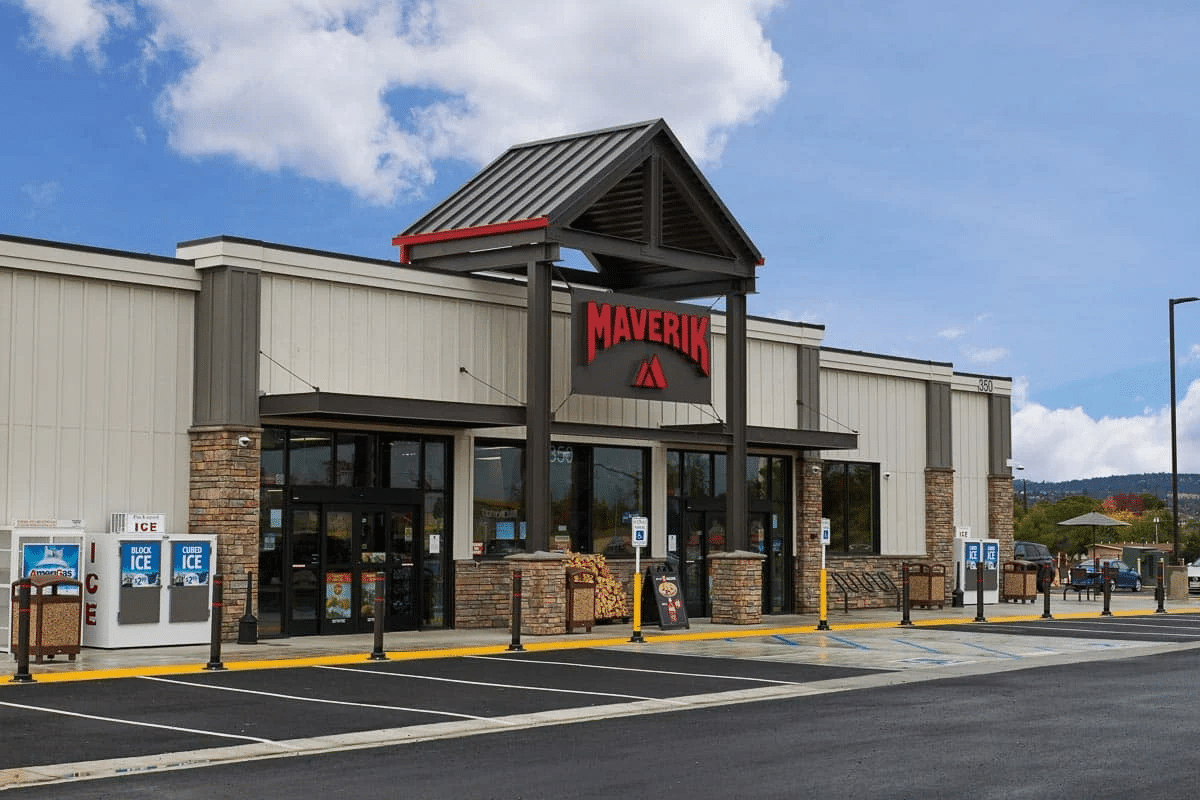
6 Gas Station Chains With Food So Good It’s Worth Driving Out Of Your Way For
We scoured the Internet to see what people had to say about gas station food. If you think the only things available are wrinkled hot dogs of indeterminate age and day-glow slushies, we’ve got great, tasty news for you. Whether it ends up being part of a regular routine or your only resource on a long car trip, we have the food info you need.
Let’s look at 6 gas stations that folks can’t get enough of and see what they have for you to eat.





