

If you’re tired of strawberries turning fuzzy or peaches going mushy overnight, you’re not alone.
Or maybe you’ve bitten into a mealy, tasteless peach that was perfectly fine yesterday. It’s frustrating, expensive, and honestly, a total waste of delicious fruit.
Americans waste 30–40% of their food yearly, mostly fruit. This has led to tech solutions and better storage habits. CDC data shows families could save up to $1,500 annually by improving fruit preservation.
I’ve been there more times than I can count. After one too many tragic fruit fails, I decided to figure out what I was doing wrong. It turns out storing fruit isn’t as simple as just tossing everything into the fridge. Who knew?
So, if you’re tired of your fruit going bad before you can even enjoy it, you’re in the right place. I’ve put together a list of 11 no-nonsense, actually useful practices for storing fruit that will keep it fresh, flavorful, and packed with nutrients. Let’s get to it.
Know Your Fruit’s Ideal Conditions

Some fruits love the cold, while others prefer to chill on your counter. Getting this wrong is probably the number one reason fruit spoils too quickly.
Think about it, would you store ice cream in the pantry? Of course not. So why are we treating all our fruits the same?
- Room Temperature Friends: Fruits like bananas, avocados, and stone fruits (nectarines, peaches, plums) need to ripen at room temperature. The cold can stop the ripening process cold, leaving you with hard, flavorless fruit.
- Fridge Dwellers: Berries, grapes, and cherries are the opposite. They are highly perishable and need the chill of the refrigerator to slow down spoilage. Tossing them on the counter is a one-way ticket to mold city.
- Onions, garlic, potatoes, and sweet potatoes are best kept in well-ventilated pantries or drawers—not refrigerated, to prevent sprouting and texture loss.
The National Center for Home Food Preservation has a ton of info on this, but the general rule is simple: match the fruit to its preferred climate.
Use the Right Storage Containers
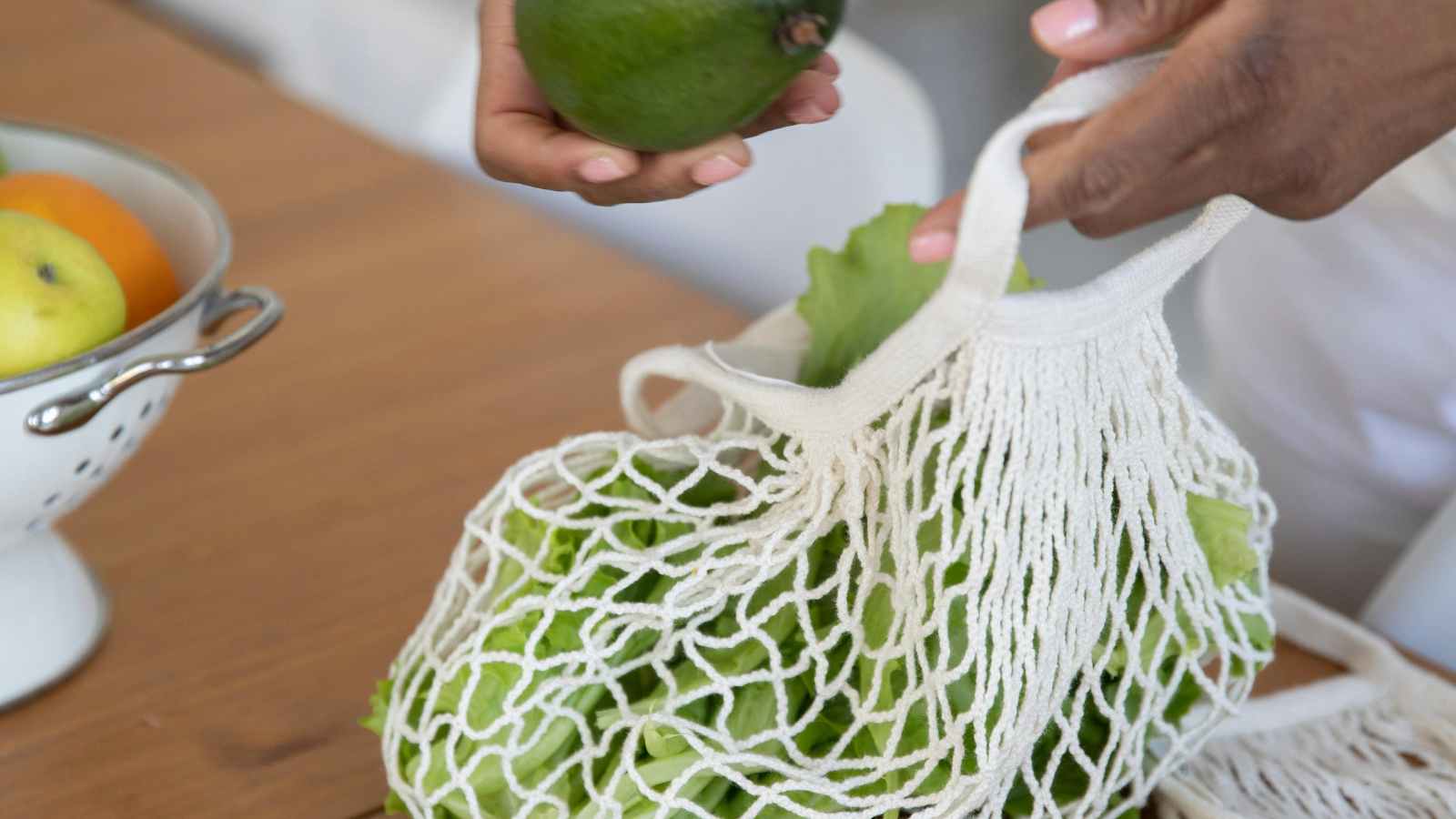
Okay, so you’ve separated your fruits. Now what? You can’t just throw them in the fridge or on the counter naked and expect them to thrive. The right container makes a huge difference.
I used to just keep everything in the plastic bags from the grocery store. Big mistake. Those bags trap moisture and can speed up decay.
- Breathable Bags: For fruits that need air circulation, like apples or pears, a breathable mesh or cotton bag is your best friend. It helps prevent moisture buildup, which is a major cause of spoilage.
- Airtight Containers: Once you’ve cut up fruit, it’s a different story. Sliced melons, pineapple, or berries need an airtight container. This keeps them from drying out and absorbing weird fridge smells. Nobody wants their pineapple tasting like last night’s leftovers.
For maximum safety, refrigerate all cut, peeled, or cooked fruits within 2 hours, as recommended by the Produce for Better Health Foundation.
Separate the Ethylene Producers
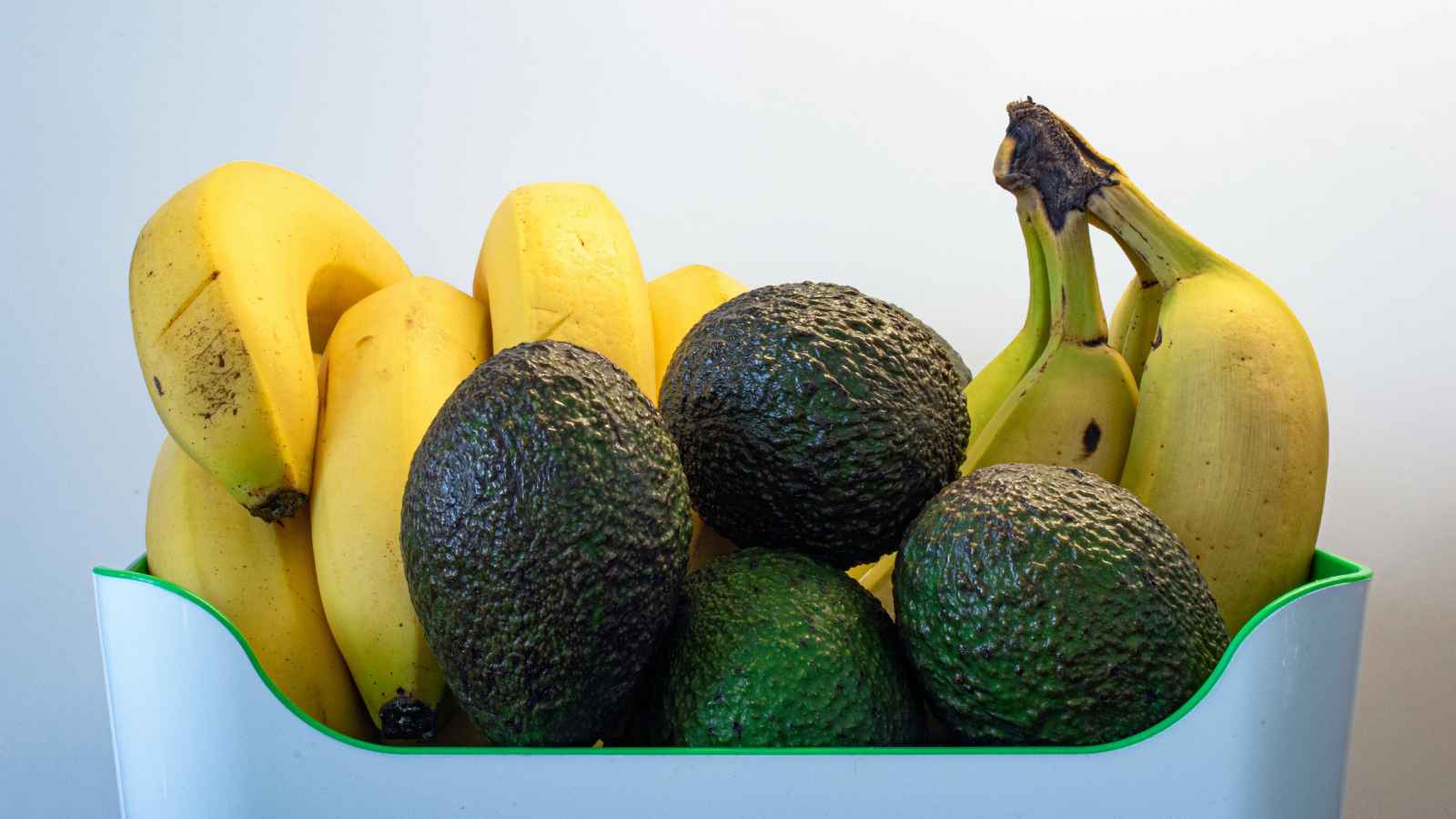
One bad apple spoils the bunch.” Well, it’s not just a saying. It’s science. Some fruits, such as apples, bananas, and avocados, produce a gas called ethylene as they ripen, and this gas can cause other nearby produce, like berries, leafy greens, and root vegetables, to ripen and spoil much faster.
The main ethylene-producing fruits you need to watch out for are:
- Apples
- Bananas
- Avocados
- Peaches
- Pears
Keep these guys separate from ethylene-sensitive produce like berries, broccoli, and leafy greens unless you want to speed up ripening. For example, if you have a rock-hard avocado, putting it in a paper bag with a banana will soften it up in no time. But if you store your apples next to your grapes, you’ll have wrinkly grapes sooner than you’d like.
Inspect and Wash Before Storing (Carefully)
Before you even think about putting your fruit away, give it a quick once-over. One moldy berry can quickly contaminate the entire container. Check for any bruises, soft spots, or signs of mold. If you find any damaged items, remove them immediately. This simple step can save the rest of your haul.
Now, for the washing debate. K-State food scientist Karen Blakeslee suggests that rinsing produce before preserving it helps remove dirt and bacteria. The National Center for Home Food Preservation and food safety experts consistently recommend washing fruits with water or a diluted vinegar solution before storage to safely remove bacteria, dirt, and other contaminants.
But here’s the catch, and it’s a big one…
Delay Washing Berries and Grapes

This one feels counterintuitive, but trust me, it’s a game-changer. For highly perishable fruits like berries and grapes, do not wash them until you’re ready to eat them.
Why? Moisture is the enemy of freshness for these delicate fruits. Even a little bit of water trapped in the container can create a perfect environment for mold to grow. I learned this the hard way after repeatedly finding my beautiful raspberries turned to mush overnight.
So, keep them dry in the fridge. When you’re ready for a snack, give them a gentle rinse and enjoy.
Refrigerate Only After Ripening
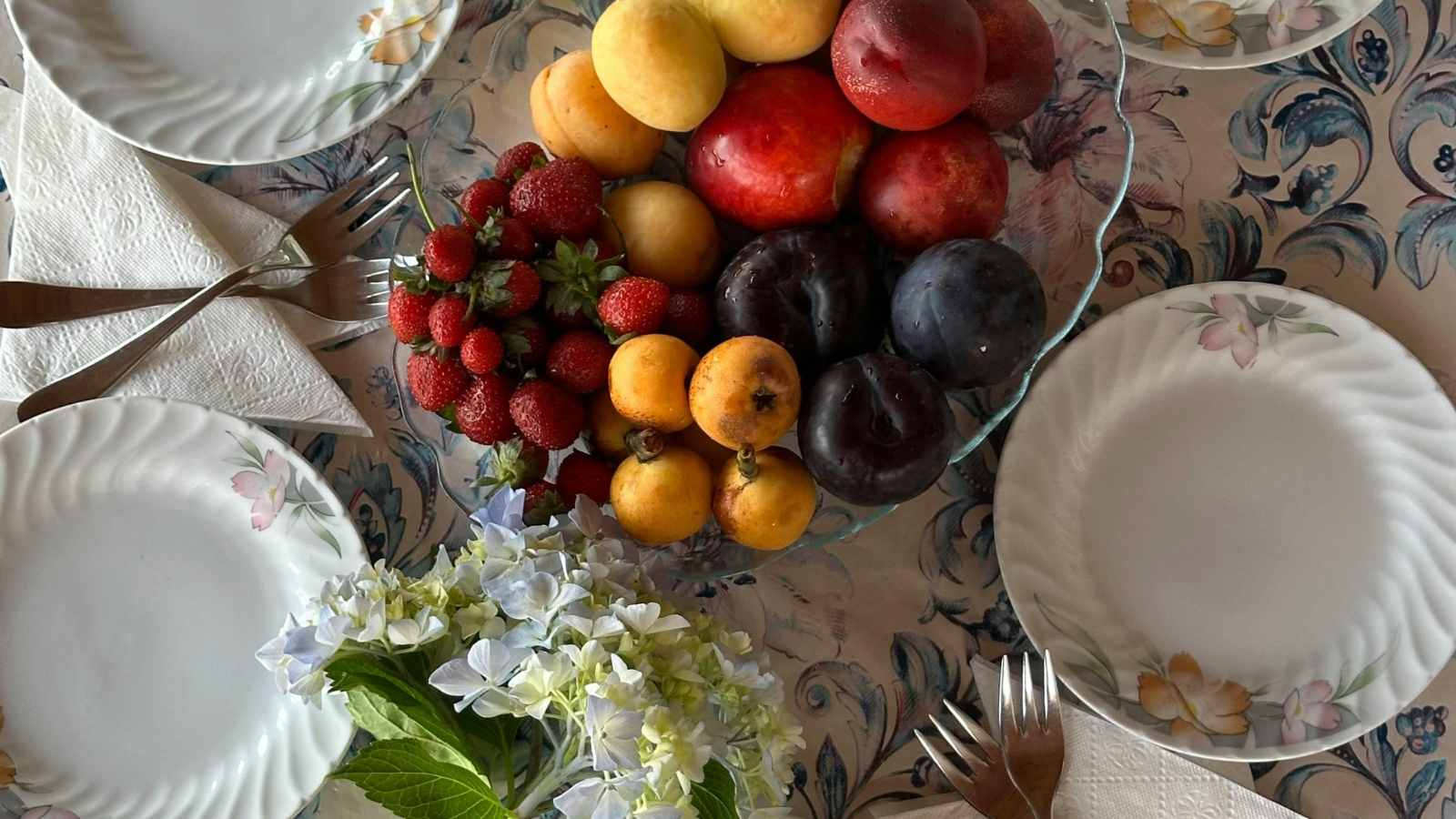
Allow nectarines, peaches, pears, and plums to ripen fully at room temperature before transferring them to the refrigerator. These fruits need time on the counter to reach their peak deliciousness.
Putting them in the fridge too early is a crime against flavor. The cold halts the ripening process, resulting in a texture that’s often mealy and a taste that’s disappointingly bland.
Let them ripen on the counter first. You can tell they’re ready when they give slightly to gentle pressure and have a fragrant aroma. Once they’ve reached that perfect point, you can move them to the refrigerator to slow down further ripening and preserve them for a few more days.
Avoid Direct Sunlight

Save this article
This might seem obvious, but it’s an easy mistake to make. Storing fruit on a sunny windowsill might look pretty, but it’s basically a fast-forward button for spoilage.
Direct sunlight can heat the fruit, causing it to degrade faster and lose valuable vitamins. Sunlight also accelerates ripening, increases moisture loss, and can cause “sun scald,” which damages fruit skin and leads to nutrient breakdown.
A cool, dark location is always the best bet for counter-stored fruits. Melons are a great example. They can ripen on the counter, but once you cut them, they need to go straight into the fridge.
Keep Certain Fruits Out of the Fridge

Some fruits and veggies just really, really hate the cold. Refrigerating them can ruin their flavor and texture. It’s not their fault, it’s just how they’re built.
The main offenders here are:
- Tomatoes: The cold makes them mealy and kills their flavor. Keep them on the counter.
- Potatoes, Onions, and Garlic: These should be stored in a cool, dark pantry. The fridge’s moisture can make them soft and moldy. Plus, potatoes can develop an unpleasantly sweet taste when chilled. FYI, don’t store onions and potatoes together, as they release gases that cause each other to spoil faster.
Place these items in wire, wicker, or cotton vegetable baskets, bins, or pantry drawers for air flow and cool dryness. And of course, avoid direct sunlight.
Freeze to Lock In Nutrition

Freezing is one of the best ways to preserve fruit long-term without losing a ton of nutrients. It’s perfect for when you buy too many berries on sale or have bananas that are about to turn to mush. Plus, the best part? No prep needed. Just rinse, pat dry, and stick them in a freezer-safe bag or container.
But freezing fruits and veggies can come with its own challenges. For instance, some types of fruit, like apples, turn brown when frozen. Don’t panic – simply dip them into a bowl of lemon juice diluted with water (1 tablespoon per cup) before freezing to prevent this from happening.
Also, be sure to label your containers with the date and contents so that you know how long they have been in the freezer. Fruits can typically last up to 12 months in the freezer, while vegetables can last anywhere from 8 to 10 months.
When you are ready to use your frozen produce, it is best to thaw it in the refrigerator overnight. This will help maintain their texture and prevent any potential bacterial growth.
Dehydrating
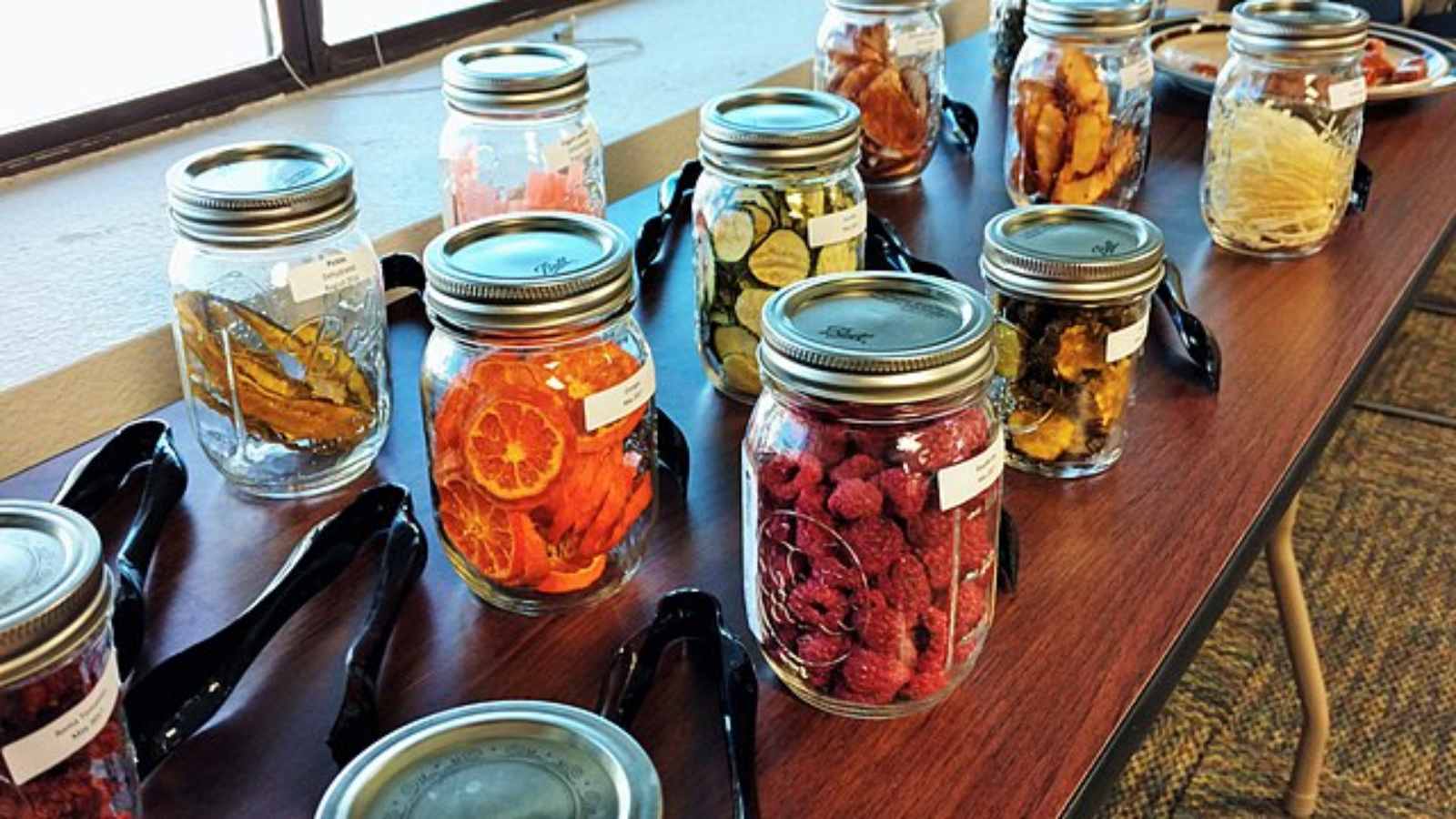
FYI, freezing isn’t your only option for long-term storage. Dehydrating removes moisture and concentrates flavors. Fruits such as figs, raisins, and apricots can last for many months if stored in airtight containers kept away from sunlight.
However, dehydration can reduce some heat- and oxygen-sensitive vitamins, with losses reported around 56% for vitamin C in apples, apricots, peaches, and plums, and up to 55% for thiamin.
To retain maximum nutrition, pre-treatments like blanching (for vegetables) or sulfur dips (for fruit) before dehydration slow oxidation and nutrient degradation. Properly conditioned and stored dried fruit can maintain quality for up to a year.
Canning
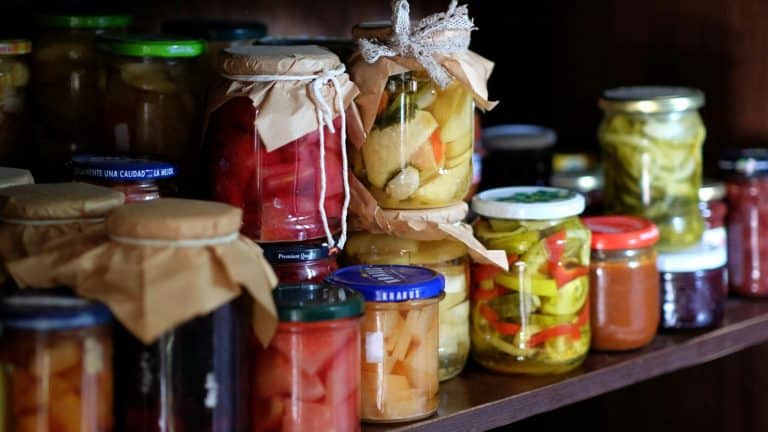
Canning lets you enjoy summer fruit all winter long. It takes some practice, but the results are worth it. Acidic fruits (such as berries, apples, peaches, and citrus) contain enough natural acidity to prevent growth of botulism-causing Clostridium botulinum spores. These can be safely preserved using the boiling water bath method.
Low-acid fruits and vegetables (like figs, melons, or pears) require pressure canning to reach temperatures high enough to ensure complete microbial safety. Properly canned fruits retain most of their original vitamins and antioxidants, with only minor losses during heating, especially in vitamins sensitive to heat like B1 and C.
Airtight sealing and vacuum creation prevent recontamination, so canned fruit stored in a cool, dry place remains good for a year or more without significant nutrient degradation
Fermenting

Fermenting might sound weird, but fermented fruits like berries can be delicious and super healthy. Microbial fermentation increases the bioavailability of nutrients, provides antioxidants, and boosts levels of group B vitamins and vitamin K in fruit. Fruits like sauerkraut-style apples or pineapple tepache gain unique flavors and extended shelf life, lasting for weeks or months in the refrigerator.
Research demonstrates effective use of lactic acid bacteria in extending the safety and shelf life of fruit products; for example, fermented juices can last over three months refrigerated, and fermented cantaloupe juice has demonstrated safety for up to six months.
Make Every Piece Count

Following these storage practices does more than just save money (though with fresh fruit prices up 2% this year, every bit helps!). You’re also reducing food waste and getting maximum nutrition from your produce.
Remember, about one-third of all food gets wasted globally. By storing your fruit properly, you’re doing your part to fix this problem.
Start with just a few of these practices and build from there.
Disclaimer – This list is solely the author’s opinion based on research and publicly available information. It is not intended to be professional advice.
Like our content? Be sure to follow us.





