

Psst! Hey, it’s me, the banana you bought last week. I’m currently lounging on your kitchen counter, turning a lovely shade of brown. You keep eyeing me with suspicion. Are you going to eat me, or am I destined for the trash? Let’s settle this once and for all.
YouGov notes that bananas are America’s most popular fruit—with the average person devouring nearly 28 pounds a year—but few foods spark more uncertainty when spots and streaks take over.
The short answer is yes, I’m still good. In fact, I might be even better now. But like all things in life, there’s a catch. So, before you decide my fate, let’s peel back the layers on what it means when a banana goes brown.
So, what’s the deal with brown bananas?
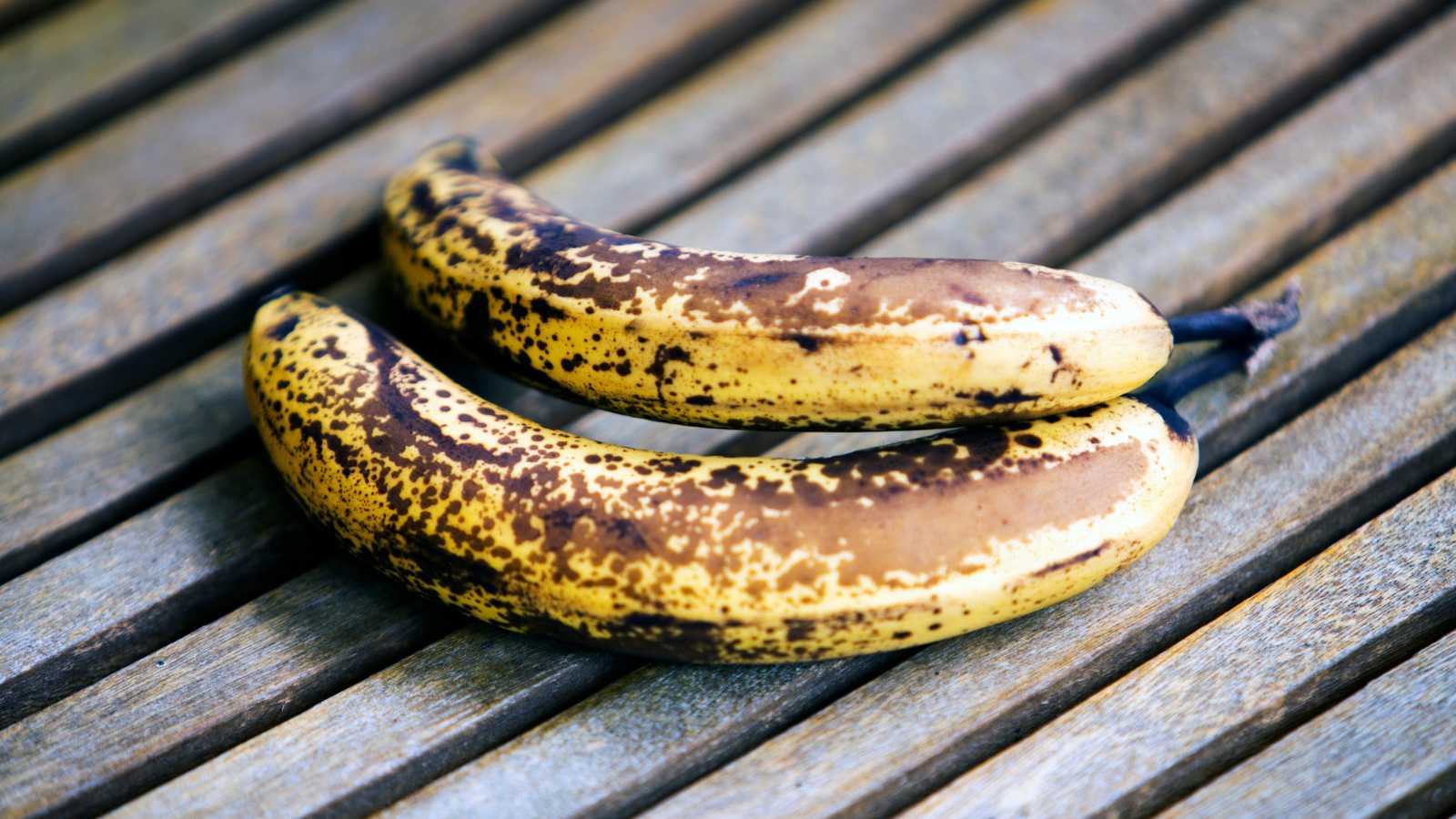
First things first, a brown banana is not a rotten banana. Bananas release a natural plant hormone called ethylene gas as they ripen. This gas breaks down the starches into sugars, making the banana sweeter, softer, and, well, brown. Those little brown spots are just signs that I’m getting sweeter and more flavorful.
According to Eshanka Wahi, founder of Eat Clean With Eshanka, as reported by Onlymyhealth, fully brown bananas are not only safe but also easier to digest.
So, when am I actually a lost cause? You should probably toss me if you see:
- Mold: If I have fuzzy white or green patches, especially near the stem, it’s time to say goodbye.
- A Foul Smell: If I smell fermented or just plain bad, don’t even think about it.
- Leaking Liquid: Oozing fluid is a definite red flag. My peel is my protector; if it’s compromised, I’m vulnerable to bacteria.
- Slimy Texture: If I feel mushy and slimy, I’ve officially crossed over to the dark side.
The good, the bad, and the sugary
As I ripen, my nutritional profile changes quite a bit. It’s not just about getting sweeter. Here’s a quick rundown of what’s happening inside my browning peel.
The sweet perks
As my starches break down, my sugar content goes way up. My glycemic index (GI) jumps from around 30–42 when I’m unripe and green to about 57–62 when I’m fully brown. This makes me incredibly sweet, which is great for baking since you won’t need to add as much sugar. Think banana bread, muffins, and pancakes.
My antioxidant levels also peak when I’m overripe. These antioxidants—including dopamine, polyphenols, and vitamin C—are great for supporting your immune system and protecting your cells from damage. So, in a way, I’m like a fine wine, getting better with age.
You might want to read: 13 little-known stories about bananas
The not-so-sweet downsides
But it’s not all sunshine and sweetness. My fiber content decreases as I ripen, so if you’re eating me for digestive benefits, a less ripe, yellow banana is a better choice. Unripe bananas can contain up to 18 g/100g of dietary fiber (mainly resistant starch), dropping to about 4–5 g/100g in ripe bananas and as low as 2 g/100g in overripe, brown bananas.
The higher sugar content can also be a problem for some people.
And let’s talk about tyramine. It’s a compound that increases as I ripen, and for some people, it can trigger migraines. If you’re prone to headaches, you might want to eat me when I’m still yellow.
Let’s talk health: Who should be wary?

While I’m generally a healthy snack for most, a few groups of people should think twice before grabbing a brown banana.
Save this article
People with diabetes
The sugar spike is real. Because my starches have turned into simple sugars, I can cause a rapid increase in blood sugar levels. Nutritionist Eshanka Wahi advises that people managing diabetes should opt for less ripe, yellow bananas to avoid these fluctuations.
Those with sensitive stomachs
For most people, I’m easier to digest when I’m brown. My soft texture is gentle on the stomach. However, if you have Irritable Bowel Syndrome (IBS) or are sensitive to FODMAPs, the increased sugar can cause bloating and discomfort. It really depends on your individual tolerance.
Migraine sufferers
As I mentioned, the tyramine content in overripe bananas can be a headache trigger. According to MedicineNet, the riper the banana, the higher the tyramine. So if you’re susceptible to migraines, you might want to avoid me when I’m at my brownest.
A quick word on artificial ripening
Sometimes, bananas are artificially ripened using chemicals like calcium carbide. This is more common in regions outside of North America (used in parts of Asia, Africa, and Latin America) and can pose health risks, from stomach discomfort to more serious issues.
Fruits ripened with calcium carbide can contain harmful residues such as arsenic and phosphine, leading to health effects like irritation, stomach discomfort, headaches, and, in severe cases, kidney or neurological problems.
Researchers are even developing new machine learning models to detect these chemicals. It’s just another reason to be mindful of where your fruit comes from.
Don’t waste me! Creative ways to use brown bananas

Okay, so maybe you don’t want to eat me straight when I’m soft and brown. I get it. But that’s no reason to throw me away. Americans eat about 28 pounds of bananas per person each year, making us the most consumed fruit in the country. Let’s not let that go to waste.
I’m incredibly versatile in my brown stage. Here are a few ideas:
- Banana Bread: This one is a classic for a reason. My natural sweetness and soft texture make for the best banana bread you’ll ever have.
- Smoothies: Blend me with some yogurt, milk, and other fruits for a creamy, naturally sweet smoothie. No extra sugar needed.
- Pancakes and Muffins: Mash me up and add me to your batter for moist, flavorful pancakes or muffins.
- “Nice” Cream: Freeze me and then blend me until smooth. You’ll have a delicious, dairy-free ice cream alternative.
- Face Masks: Yup, you read that right. Mash me up with a little honey or yogurt for a hydrating face mask. My nutrients are great for your skin, too.
So, next time you see me getting a little spotty on the counter, don’t panic. I’m just entering my prime.
So, what’s the final verdict?
Let’s wrap this up. Are brown bananas still safe to eat? Absolutely, as long as I’m not moldy, slimy, or smelling foul. In fact, I’m sweeter, richer in antioxidants, and easier to digest for many people.
However, if you’re managing diabetes, are sensitive to FODMAPs, or get migraines, you might want to stick with my younger, yellower self. But for everyone else, embrace the brown. Use me in your baking, blend me in your smoothies, or even put me on your face. Just don’t throw me in the trash. I have so much more to give.
Disclaimer – This list is solely the author’s opinion based on research and publicly available information. It is not intended to be professional advice.
Disclosure: This article was developed with the assistance of AI and was subsequently reviewed, revised, and approved by our editorial team.
Like our content? Be sure to follow us.





