What feels totally normal in your daily routine might seem bizarre—or even wrong—to someone living halfway across the globe.
Have you ever noticed how something that feels totally normal to you makes no sense to someone from another part of the world? A friend from abroad once visited me, and we ended up debating why I refrigerate my eggs while she leaves hers on the counter. In the U.S., nearly 100% of households refrigerate eggs because USDA rules require it.
The CDC estimates that 1 in 20,000 eggs may carry Salmonella, so it’s seen as an added protection. Neither of us was wrong—we were just living in two very different versions of “normal.” These little quirks can be funny, surprising, and eye-opening, so let’s look at a few everyday facts that change completely depending on where you live.
The right side of the road isn’t universal

In the U.S., Canada, and most of Europe, people naturally drive on the right side of the road. But travel to countries like the U.K., Australia, or Japan, and suddenly the “correct” side flips.
About 35% of the world drives on the left, according to the World Standards Organization. It’s one of those details that feels set in stone—until you land in London and realize you’ve been looking the wrong way at crosswalks.
Eggs don’t live in the fridge everywhere

If you’re in the United States, finding eggs stored at room temperature in a store might make you panic. But in much of Europe and Asia, that’s the standard.
The difference comes down to regulations: the U.S. requires eggs to be washed, which removes a protective coating, so refrigeration is necessary. In Europe, eggs retain their coating, meaning they’re safe to sit out on a shelf.
The meaning of a smile isn’t the same

In the U.S., a smile at a stranger is often a polite “hello.” In some cultures, however, smiling excessively can come across as odd or insincere.
People in Russia and Japan may view constant smiling as unnecessary or even untrustworthy. So that friendly grin you toss on the subway in New York might feel totally out of place in Moscow.
The workweek doesn’t always start on Monday

In the U.S. and most of Europe, Monday is often considered the start of the dreaded workweek. However, in many parts of the Middle East, including countries such as Saudi Arabia, the workweek typically runs from Sunday to Thursday.
That shift is tied to religious practices, with Friday being a holy day for Muslims. So while you’re hitting snooze on Monday morning, someone in Riyadh is already two days into their week.
Tipping culture can flip upside down

In the U.S., it’s almost expected to tip 20% at restaurants, and not doing so can feel rude. In countries like Japan, though, leaving extra money on the table might actually offend your server.
Data shows that tipping is appreciated but not expected in almost half of the world, while about one-third of countries consider it a normal part of paying for service. In the remaining 21%, tipping isn’t practiced at all.
Also on MSN: 13 Little-Known Facts About Native Americans
How much personal space is “normal”

If you’ve ever felt someone standing way too close in line, you might be bumping into a cultural difference. Argentinians, for instance, are comfortable with just 2.5 feet of personal space when talking, while Swedes prefer nearly 4 feet.
It’s not about rudeness—it’s about what feels comfortable in that social context. Your bubble of space just happens to expand or shrink depending on where you’re standing in the world.
Drinking water straight from the tap isn’t always an option

Save this article
In many U.S. cities, filling a glass right from the faucet is completely safe. But in countries like Mexico or India, locals and tourists alike rely heavily on bottled water due to contamination risks.
The World Health Organization estimates that at least 2.1 billion people worldwide don’t have access to safe drinking water at home. So while “just grab a glass from the sink” feels routine for some, it’s a privilege many can’t imagine.
What counts as breakfast food changes a lot
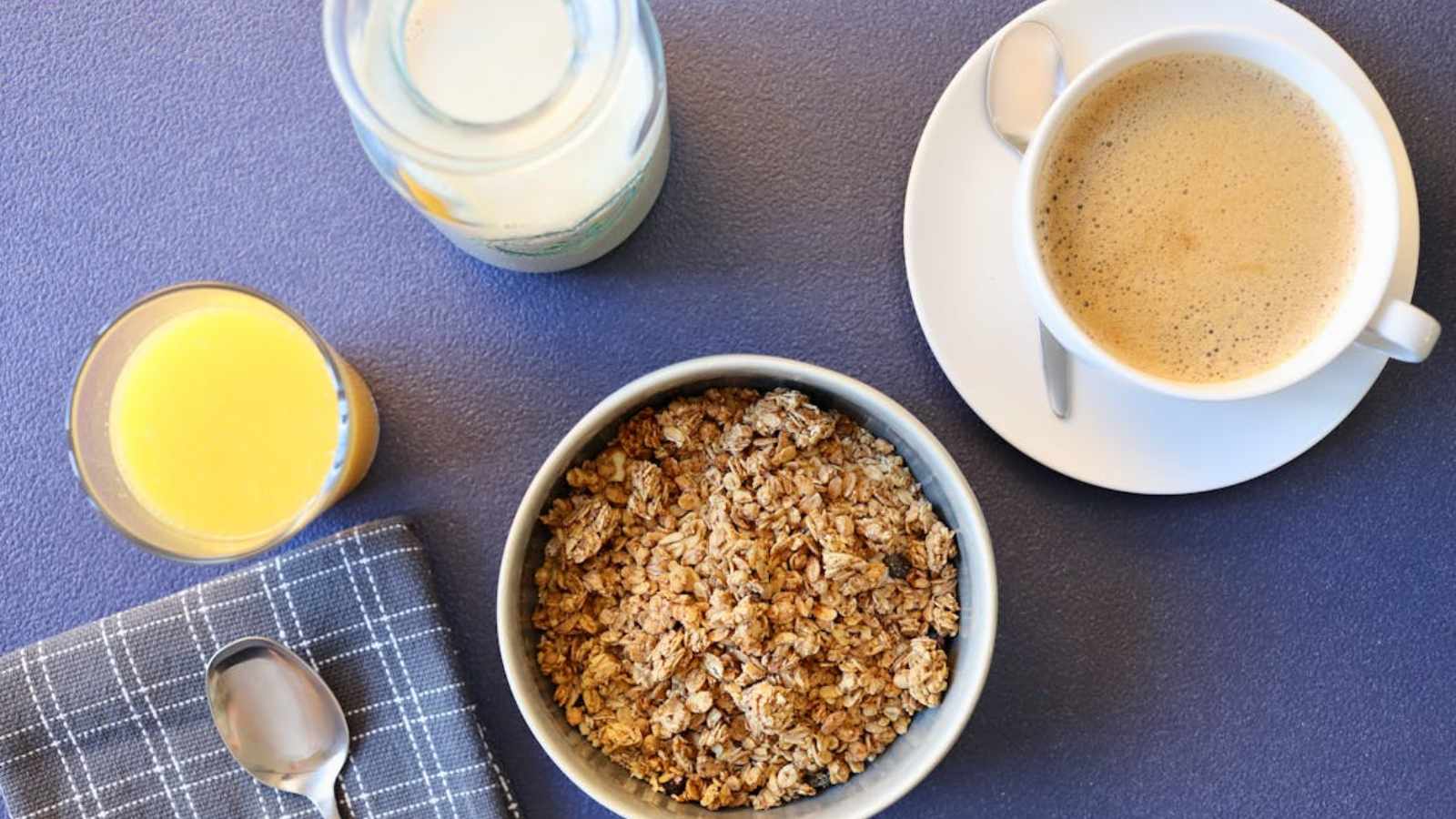
A “normal” breakfast in the U.S. might mean pancakes or cereal. In Japan, though, it could be grilled fish, rice, and miso soup, while in Turkey, you might find olives, cheese, and tomatoes. Even within Europe, breakfast varies widely, with Spaniards often opting for churros and hot chocolate.
Height expectations are totally relative

What’s considered tall in one country might be average in another. In the Netherlands, the average male height is approximately 6 feet, making the country the tallest in the world. Compare that to Indonesia, where the average man stands at 5’4”.
The idea of time isn’t shared equally

For some cultures, being “on time” means exactly that—down to the minute. In Switzerland, trains are famously punctual, with delays of just a couple of minutes making headlines.
However, in places like Brazil, being fashionably late is more of a cultural norm, and social gatherings rarely start on time. Neither approach is wrong—it just depends on what part of the world you’re standing in when you check your watch.
Key takeaways

Everyday habits aren’t universal. What feels “normal” in one country, including driving sides and even breakfast foods, can look totally unusual in another.
Culture shapes comfort zones. Smiles, personal space, and even punctuality carry very different meanings depending on where you live.
Policy and environment play big roles. Rules about food safety, tipping customs, or water quality often explain why daily routines differ around the globe.
Perspective is everything. What seems strange at first glance usually makes perfect sense within its local context—it’s just a different version of normal.
Disclaimer – This list is solely the author’s opinion based on research and publicly available information. It is not intended to be professional advice.
10 real things men confess they hate about other men

10 Real Things Men Confess They Hate About Other Men
It’s no surprise that women complain about men’s bad behavior. However, I was surprised to see an online forum where men admitted traits they couldn’t stand about their gender.
The samples of lousy behavior they listed ranged widely, but there seemed to be general agreement. Do you agree that men should change these common behaviors?
How total beginners are building wealth fast in 2025—no experience needed

How Total Beginners Are Building Wealth Fast in 2025
I used to think investing was something you did after you were already rich. Like, you needed $10,000 in a suit pocket and a guy named Chad at some fancy firm who knew how to “diversify your portfolio.” Meanwhile, I was just trying to figure out how to stretch $43 to payday.
But a lot has changed. And fast. In 2025, building wealth doesn’t require a finance degree—or even a lot of money. The tools are simpler. The entry points are lower. And believe it or not, total beginners are stacking wins just by starting small and staying consistent.
Click here and let’s break down how.