

American food didn’t begin in diners or drive-thrus—it began in Indigenous fields that quietly handed the world some of its most important crops.
If you want to understand American food—not the marketing version, but the real, quiet engine behind our calories, our farms, and even our global influence—you have to start long before supermarkets or state fairs. You start with Indigenous agriculture. Historians of the Columbian Exchange estimate that more than half of the world’s major agricultural crops now trace back to the Americas.
These five Native ingredients didn’t just shape the U.S. dinner table; they rewired global diets, population growth, and entire farming systems.
Corn (Maize)
Corn isn’t just a crop—it’s the backbone of the modern American food system. Today it’s the most widely produced grain in the United States, showing up in tortillas, cornbread, sodas, livestock feed, and even your car’s biofuel. Purdue’s look at USDA numbers shows that from 1866 to the 1930s, open-pollinated corn barely budged, averaging about 26 bushels per acre—roughly 1.6 tonnes per hectare—until hybrid corn sparked the big post-1950s yield jump.
Indigenous peoples had already domesticated maize thousands of years ago, and by the time Europeans arrived, it was a staple across much of North America and Mesoamerica. USDA and crop-science reports now show maize providing hundreds of millions of tonnes each year, feeding people, animals, and supply chains alike.
Agricultural historians often call maize one of the “gifts of the Americas,” a crop that reshaped Old World diets during the Columbian Exchange. Development economists add an important twist: maize increased calorie availability across Europe, Africa, and Asia—though overreliance without dietary diversity also created nutritional vulnerabilities. It’s a story of abundance, but also of caution.
Squash (The ‘Three Sisters’ Sister)

Squash doesn’t always get the headlines, but it was one of the first domesticated crops in the Americas—and the unsung hero of Indigenous agricultural science. Alongside corn and beans, it formed the famed Three Sisters system. In this companion-planting genius: corn acted as a trellis, beans fixed nitrogen, and squash spread across the ground, keeping moisture in and weeds out.
For many Native nations, the Three Sisters were “sustainers of life,” embedded in ceremony and story. Today, sustainability groups point to this method as an early form of regenerative agriculture, long before cover crops or soil-health conferences existed.
And squash traveled well. Through the Columbian Exchange, pumpkins and squash moved into global cuisines—comfort dishes, Italian plates, and even the worldwide snack-seed trend all trace back to this quiet, sprawling vine.
Potatoes
First domesticated in the Andes, potatoes became a global force after European contact. By the 1700s and 1800s, Europe had embraced them so thoroughly that in Ireland, historical records show potatoes expanding from a side crop to one occupying around one-third of arable land by the mid-1800s. Today, Ireland’s per-capita consumption still tops 90 kilograms per year.
Historians argue that calorie-dense Native crops like potatoes and maize fueled population booms across Europe by stabilizing food supplies. Economic historians even call the potato a “population engine,” noting how its yield per hectare outperformed many Old World grains.
But the success story had a darker side: Indigenous farmers cultivated diverse varieties adapted to specific climates, while Europeans narrowed their crop down to just a few types—setting the stage for the Irish potato famine.
Beans
If corn supplied the structure and squash protected the soil, beans delivered the protein. Long before “plant-based eating” became a wellness slogan, Indigenous farmers across the Americas were growing beans as a nutritional anchor—dense in protein, fiber, minerals, and calories, and perfectly suited to life beside maize and squash in the Three Sisters system.
This was not an accidental pairing. Beans climb corn stalks, helping maximize growing space, while also fixing nitrogen in the soil, replenishing what heavy-feeding crops remove. In practical terms, Indigenous agriculture had already solved problems that modern growers still talk about: soil fertility, biodiversity, and dietary balance. Corn and beans together also created a more complete protein profile, which mattered enormously in societies where meat was not always the centerpiece of a meal.
Beans are Regional
Today, it is hard to imagine American food without beans. They are baked into regional identity—black beans in the Southwest, pinto beans in Tex-Mex and border cuisines, navy beans in baked bean traditions, kidney beans in chili, and green beans on holiday tables. But their influence stretches far beyond the United States. Common beans domesticated in the Americas spread across Europe, Africa, and Asia after contact, becoming staples in cuisines that now feel inseparable from them.
Food historians often point out that beans were one of the Americas’ great quiet exports: less glamorous than chocolate, less mythologized than corn, but indispensable to everyday nourishment. Their real legacy may be that they made resilience edible—improving soil, stretching meals, and helping entire populations eat more reliably for centuries.
Tomatoes
Save this article
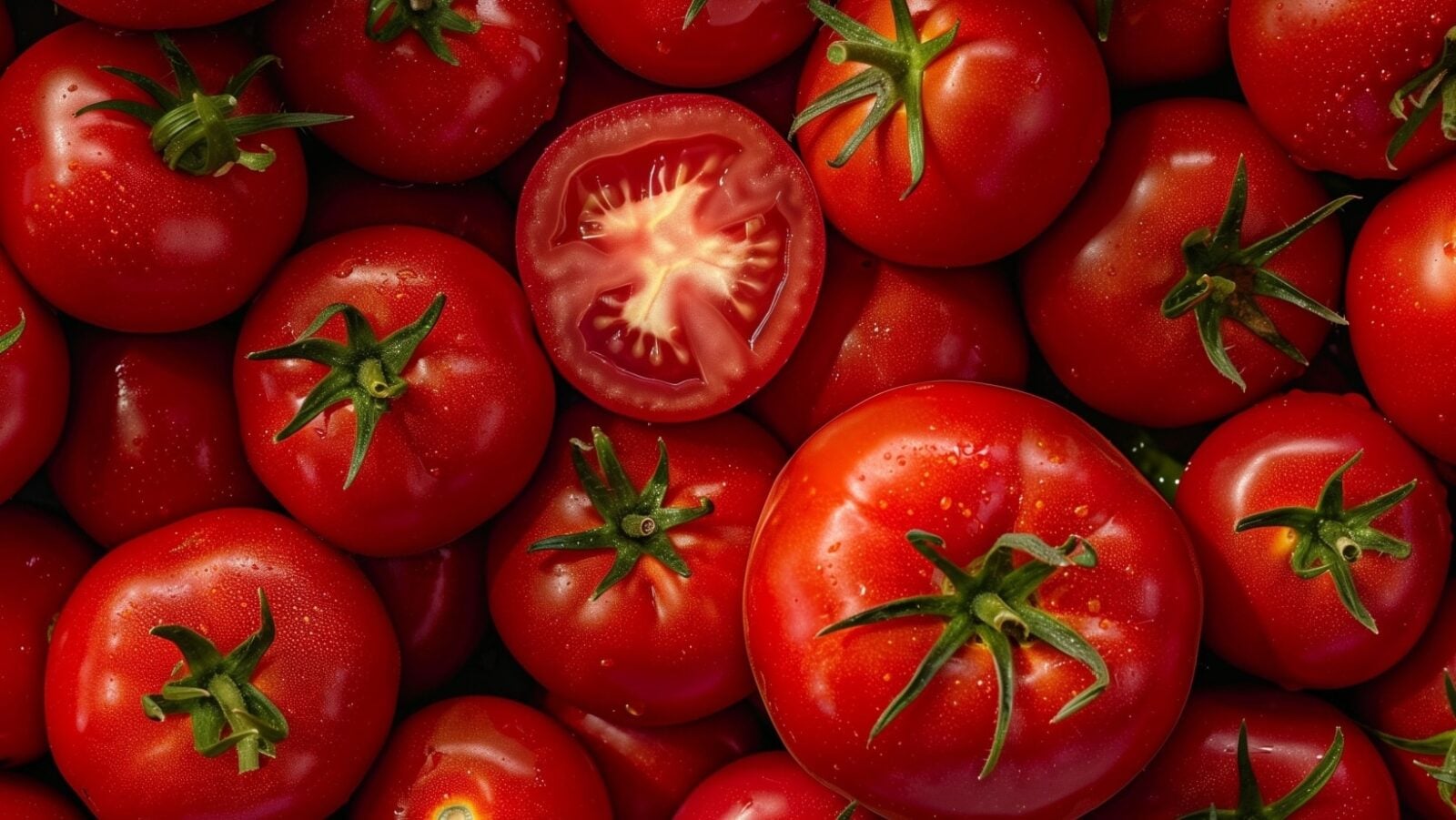
It is difficult now to picture Italian pasta sauce, pizza, ketchup, salsa, shakshuka, or barbecue without tomatoes, which is exactly what makes their history so startling. Tomatoes are native to western South America and were further cultivated in Mesoamerica long before Europeans encountered them. In other words, one of the world’s most recognizable “Mediterranean” ingredients is, in fact, Indigenous to the Americas.
When tomatoes first crossed the Atlantic, Europeans were not immediately enthusiastic. Because the plant belongs to the nightshade family, some people regarded it with suspicion, and for a time it was grown more as a curiosity than a food. But once it took hold, it transformed cuisines with astonishing speed. In Italy, Spain, and later across the Mediterranean, tomatoes became the acid-sweet backbone of sauces, stews, soups, and preserved foods. In the United States, they became just as foundational, whether cooked into Creole dishes, layered into sandwiches, canned for winter, or turned into ketchup—one of the country’s defining condiments.
Tomatoes are Incredibly Versatile
Nutritionally, tomatoes offered more than flavor. They are rich in vitamin C and carotenoids like lycopene, and they brought brightness, acidity, and color to cuisines that had never known them. Agriculturally, they also became a processing powerhouse. The U.S. tomato industry now supports everything from canned tomatoes to pasta sauce, soup, salsa, and ketchup, making tomatoes one of the most economically important vegetables in the American food system.
Their story is a reminder that “traditional” cuisine is often younger and more global than people assume. Red sauce feels ancient. Ketchup feels inevitable. Neither exists as we know it without Indigenous American cultivation.
The Real Story of American Food Starts Here
Corn, squash, potatoes, beans, and tomatoes are often treated as ordinary groceries now—cheap, familiar, and easy to overlook. But that ordinariness is exactly the point. These are not niche heritage ingredients or museum pieces. They are the scaffolding of modern eating.
Together, they helped feed empires, stabilize populations, and shape the cuisines of continents that often forget where their staples came from. They also reveal something deeper about Indigenous foodways: this was never just about isolated crops, but about systems. Companion planting, biodiversity, seed stewardship, climate adaptation, and nutritional balance were all part of agricultural knowledge that predated modern food science by centuries.
American food did not begin with industrial agriculture, restaurant chains, or supermarket abundance. It began with Indigenous growers who understood how to build a durable food system from the ground up—and whose ingredients still sit on our plates, even when the history does not.
More articles:
- 12 fruits that contain more vitamin C than oranges
- 12 reasons dragon fruit may be one of the healthiest fruits you’re not eating enough of
- Starting Your First Garden? Here Are the 10 Easiest Vegetables to Grow
The Best Root Vegetables for Better Vision
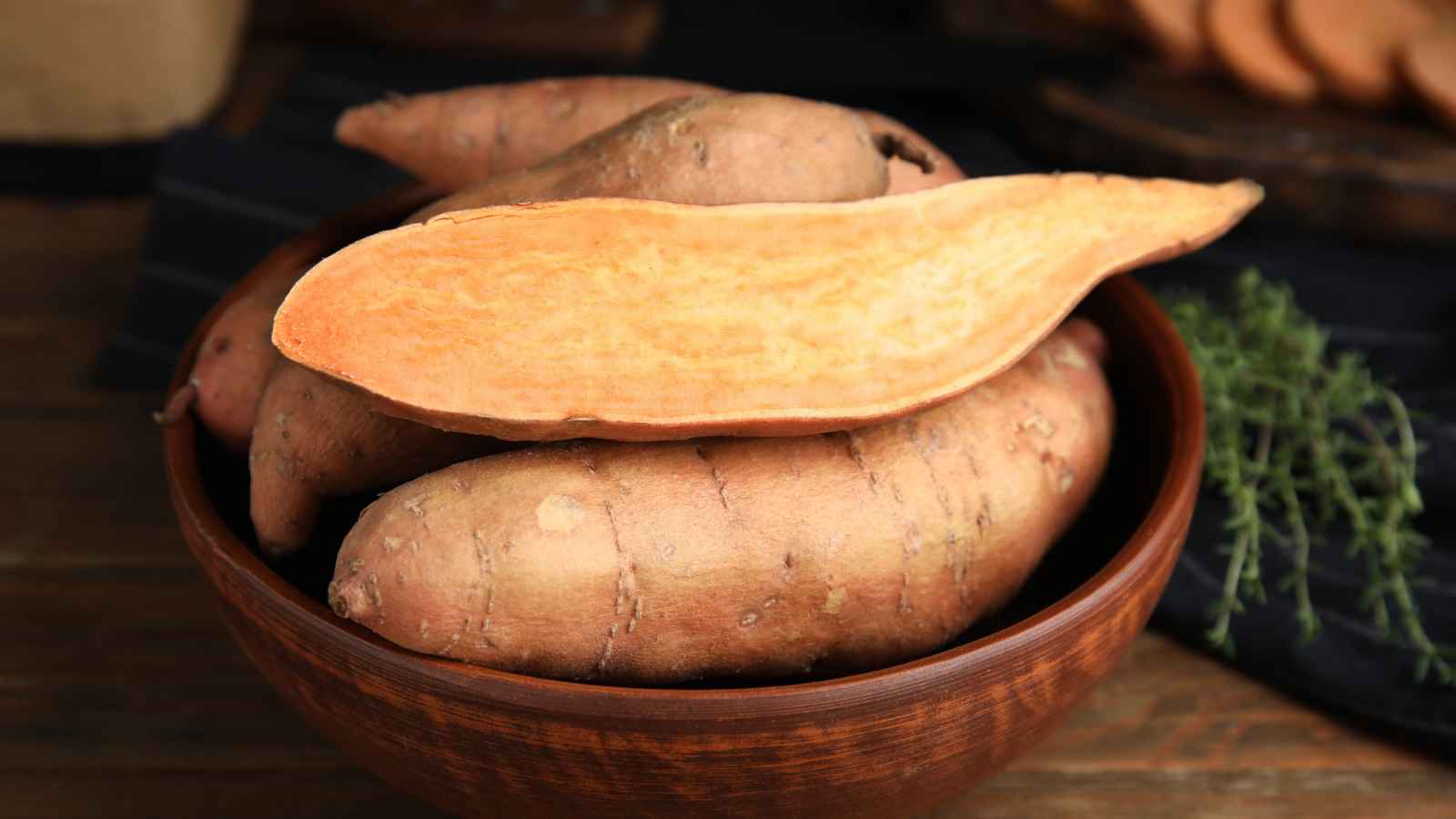
Around the world, most conversations about eye health focus on things like glasses, screen time, or supplements. But in public-health circles, the story actually starts much deeper—literally underground. Root vegetables, especially the ones loaded with carotenoids, play a major role in keeping our eyes healthy.
Vitamin A deficiency is still the leading cause of preventable childhood blindness around the globe, according to the World Health Organization. It contributes to an estimated 250,000 to 500,000 cases every year, especially in places where people don’t have access to foods rich in provitamin A. Learn more.
Common spices linked to colon cancer prevention

Pixabay via Pixabay.
In the quiet routine of seasoning a meal, you may be adding small, powerful defenses against one of the most common cancers.
Your spice rack might actually be hiding some powerful health benefits. It turns out that a handful of common pantry staples pack a serious punch against serious illnesses. Medical researchers are looking closely at how everyday seasonings can fight back against cellular damage in the digestive tract. Learn more.
Which protein is actually better for arthritis, plant or animal?
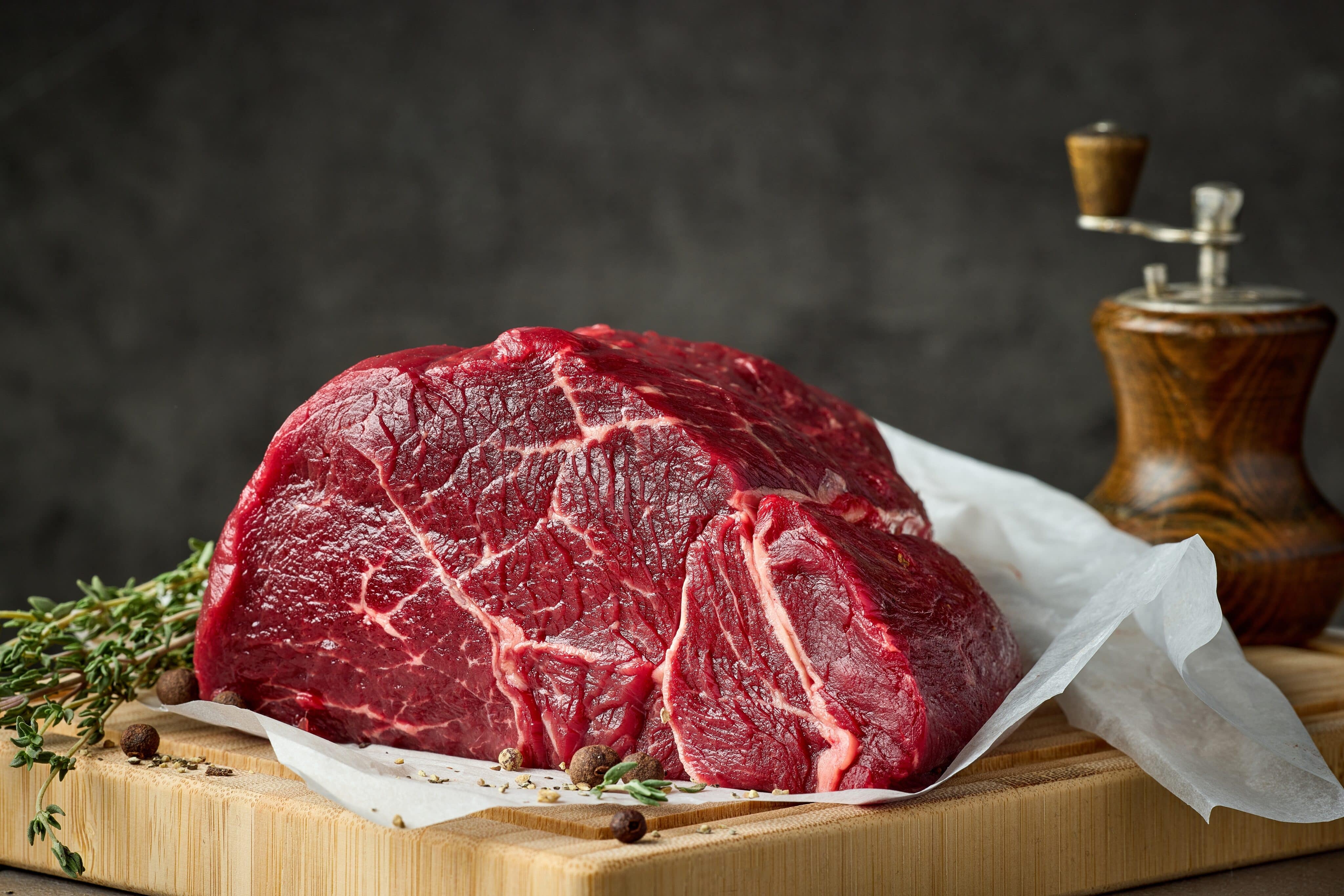
With more than 53 million Americans living with arthritis, emerging research points to nutrient balance—not protein source alone—as the real driver of bone and joint health.
CDC estimates from 2019–2021 show about 21.2% of US adults (around 53.2 million people) report a doctor’s diagnosis of some form of arthritis (including osteoarthritis, rheumatoid arthritis, gout, lupus, etc.). Osteoarthritis (OA) is the most common joint disorder in the US (over 32.5 million US adults live with it), mainly affecting knees, hips, hands, and spine. Learn more.





