We’ve been repeating these famous quotes forever, but they aren’t just wrong—they’re dangerous lies keeping us from solving modern problems.
You know that feeling when you learn a famous “fact” is totally fake? That gut punch? It happens all the time with historical quotes. We treat these phrases like universal truths, but often, they are misattributed, mistranslated, or aggressively misused. This isn’t about being picky or academic. These quotes are philosophical shortcuts we rely on too heavily.
Historical myths persist because they’re easy to accept, but relying on them ignores the critical data shaping our modern lives. When we use bad history, we justify bad policy, toxic work culture, or just plain lazy assumptions. We are finally retiring these ten historical fables.
“That government is best which governs least.”

The motto is the perfect excuse for ignoring massive national responsibilities. People often pin this on Thomas Jefferson or Thomas Paine, using it to advocate for minimal government. But this famous democratic motto was popularized by the writer Henry David Thoreau in his work, Civil Disobedience. The philosophical adherence to “governing least” directly results in measurable societal deficits today.
We see this failure starkly in U.S. infrastructure. The American Society of Civil Engineers (ASCE) gave US infrastructure a pathetic overall grade of “C” in 2025. This isn’t cheap negligence, folks. The ASCE estimated an investment gap of $3.7 trillion to fix everything. Core economic systems like transit and energy received a concerning “D” grade.
This structural deficiency actively hampers U.S. global competitiveness. Clinging to Thoreau’s 1849 philosophy is mathematically impossible today because only sustained government investment can close this enormous gap.
“Survival of the fittest.”

Stop blaming Darwin for this ruthless quote. It’s a nightmare because it weaponizes biology to justify inequality. Charles Darwin actually wrote about the “survival of the fit,” meaning organisms that are simply fit enough to reproduce. The aggressive phrase “survival of the fittest” was coined by philosopher Herbert Spencer in his 1863 book, The Principles of Biology. Spencer used it as the foundation for Social Darwinism.
This myth absolves the wealthy of responsibility for the exploitation of workers. Industrial capitalists like John D. Rockefeller exploited this theory to justify their economic dominance. Worse, this idea was later dramatically misused for fascist and Nazi ideologies to justify and enforce gender and racial inequalities.
Modern sociological data actively rejects this ruthless view. Studies based on complex social interaction models, such as the Prisoner’s Dilemma, show that cooperation is the superior strategy when survival is at stake. Specifically, when the “cost of survival is sufficiently high,” the “Always Cooperate” strategy evolves and remains stable. True evolutionary success in global challenges, like climate change, actually requires mass cooperation, not merciless competition.
“Let them eat cake.”

No, she never said it. It’s effective, insidious propaganda. Historians generally agree that Marie Antoinette never uttered this phrase. The quote’s enduring power is its ability to reduce complex starvation and economic distress to a simple, emotionally satisfying story. It was a brilliant political narrative tool that portrayed her as fundamentally out of touch with her starving public.
The myth resonates today because real economic pain persists. U.S. Census Bureau data shows that median household income has only recently recovered to 2019 levels. Meanwhile, inflation is absolutely eating into paychecks. U.S. food prices rose, with meat, poultry, fish, and eggs spiking. We still have a bread problem in America. Retiring the quote helps us focus on complex systemic issues like wage stagnation and inflation, rather than simple aristocracy myths.
“I have nothing to offer but blood, toil, tears, and sweat.”

This is Churchill’s famous wartime call, a profound rallying cry from May 1940. It’s a fantastic quote for war. It’s a toxic expectation for your Monday morning meeting. Misapplying this wartime rhetoric (which, technically, was “blood, toil, tears, and sweat“) to daily work life fuels an unsustainable “grind culture.”
The cost of this toxic expectation is massive burnout and low employee engagement. Gallup’s 2024 data reveals that U.S. employee engagement fell to a decade-low of 31%. This decline is particularly steep among workers younger than 35. Since 2020, about 8 million fewer employees are engaged in their roles. This isn’t just a morale problem. This toxic level of expected “sweat” has a massive economic price tag.
Global disengagement costs the world economy $438 billion in lost productivity annually. The quote encourages sacrifice, while many managers are progressively failing to meet basic needs, such as clarity and development opportunities, for their staff.
“Genius is 1% inspiration, 99% perspiration.”
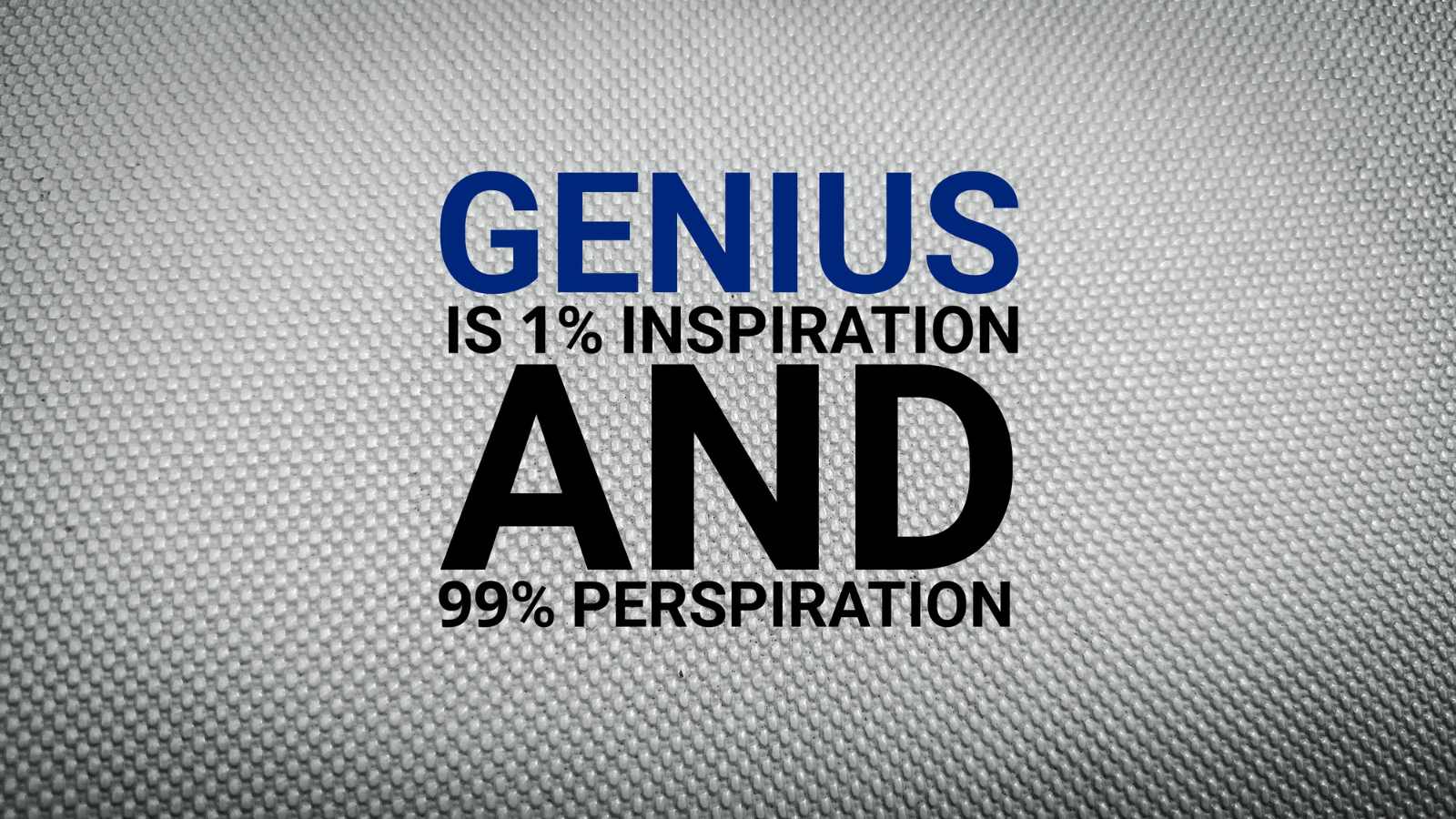
Edison gets credit for this. It sounds like a great work ethic philosophy, but it’s dangerously misleading about how actual expertise is developed. It supports the myth of the lone, endlessly struggling genius. The quote focuses solely on the volume of effort, or “perspiration.” But expertise isn’t about volume; it’s about quality and structure.
Psychological research, pioneered by Dr. Anders Ericsson, emphasizes deliberate practice. Deliberate practice is systematic, structured, and critically focused on receiving immediate, objective feedback. Just racking up random hours isn’t enough to become world-class.
For instance, a player who receives structured feedback on every free-throw attempt improves much faster than one who just shoots casually. Research confirms that accumulated practice alone does not fully account for differences in expert performance. Retiring this myth means embracing a more brilliant, data-driven effort over blind volume.
Save this article
“The only thing necessary for the triumph of evil is for good men to do nothing.”
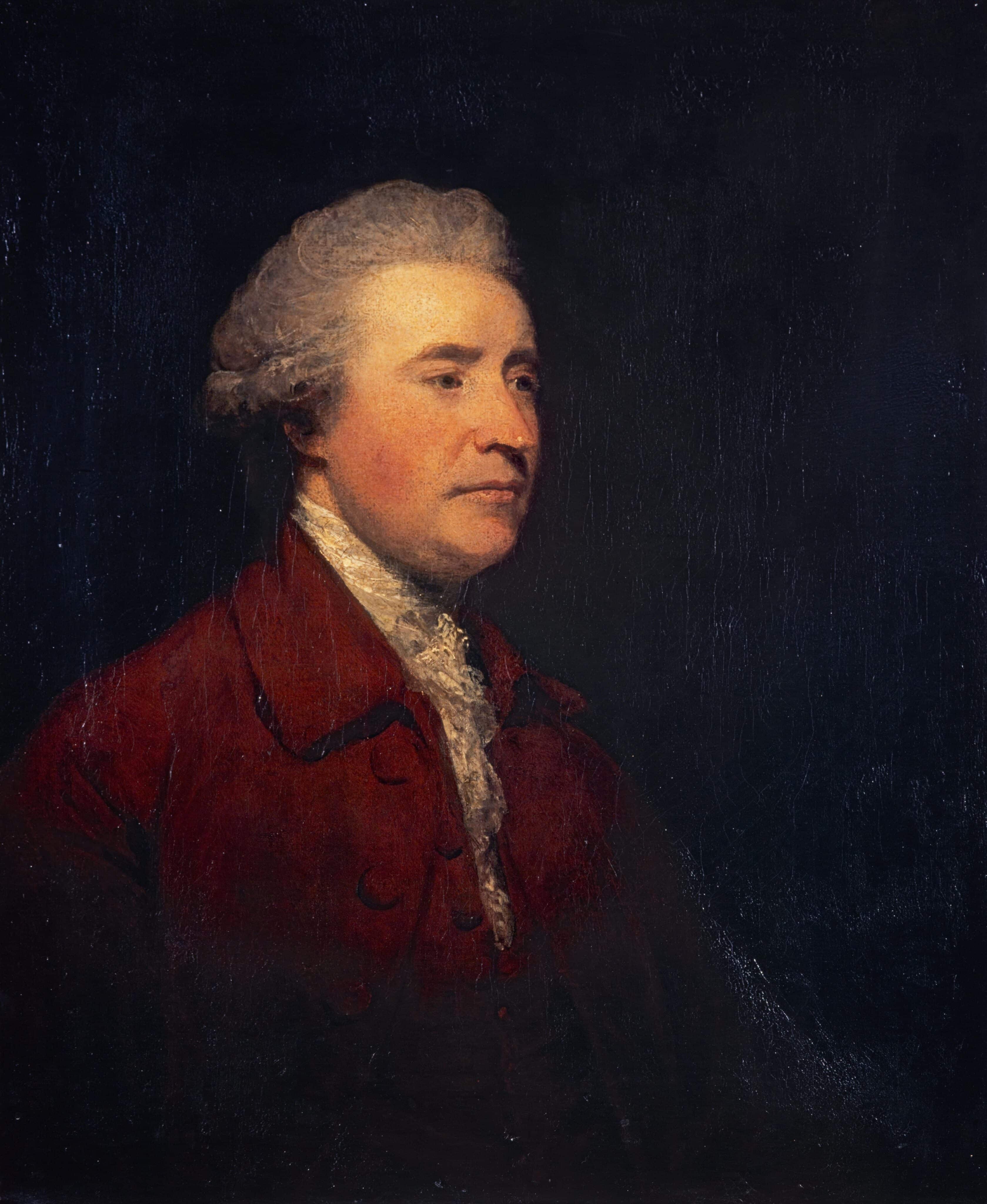
Everyone loves this quote, but history’s love for dramatic attribution is wrong here. We constantly pin this gem on the conservative philosopher Edmund Burke. The credit belongs instead to the utilitarian thinker John Stuart Mill.
Mill delivered the core sentiment in an 1867 inaugural address. His original text specifically called for good men not to “look on and do nothing,” emphasizing the duty to protest and form opinions. Misattributing it to Burke, a figure who actually cautioned against abrupt social change, subtly alters its active, liberal meaning.
Mill’s quote is a more actual call for proactive civic engagement. We saw this civic energy surge when approximately 48% of U.S. citizens aged 18 to 24 voted in the 2020 presidential election. That number was a big jump from 39.4% in 2016. This proves that engagement is feasible; we just need to cite its true philosophical champion correctly.
“Money is the root of all evil.”
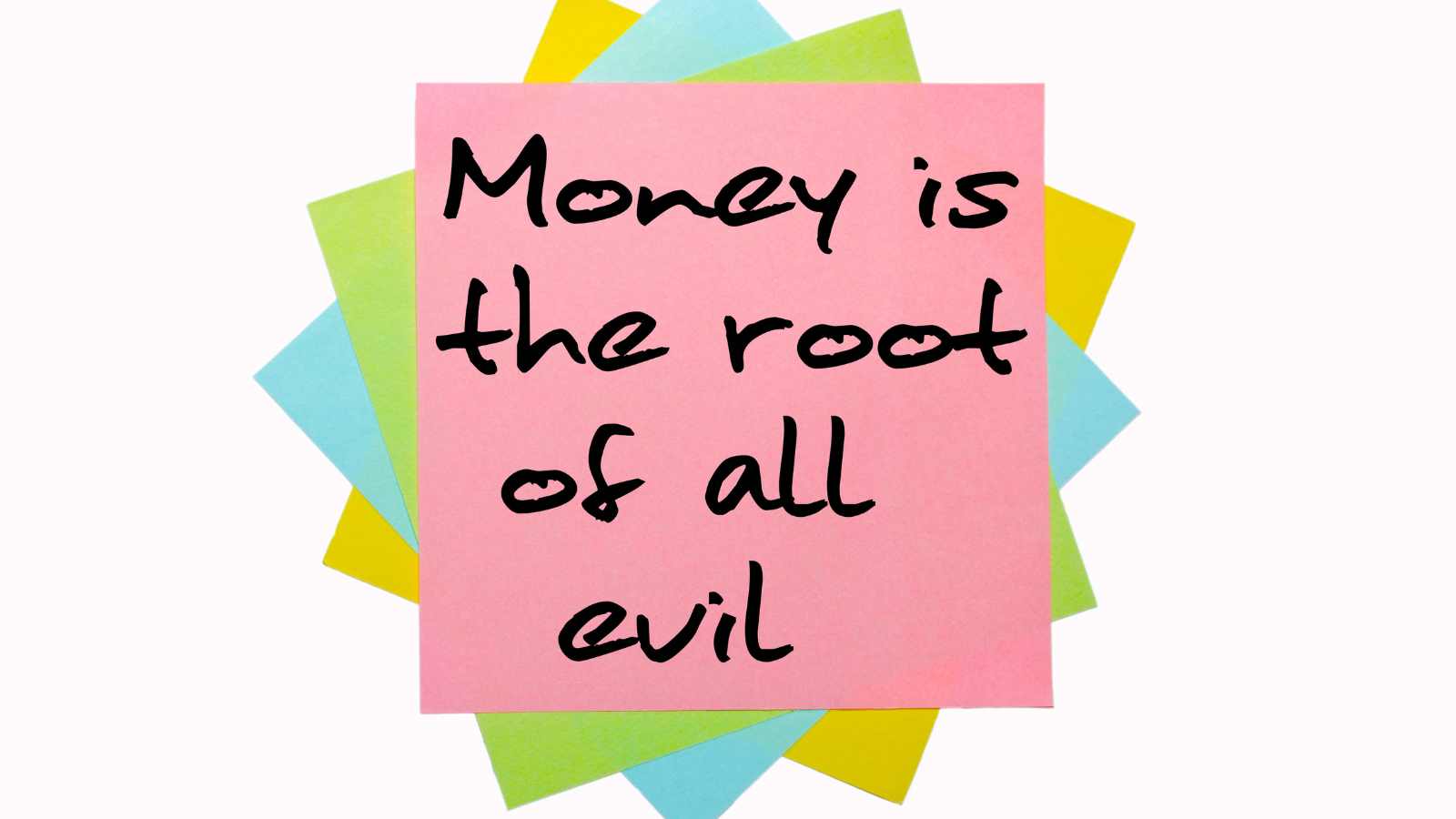
It sounds profound, but this is perhaps the most common biblical misquote in history. It fosters cultural guilt around wealth and ambition. The actual passage, 1 Timothy 6:10, provides a vital distinction. It states: “For the love of money is a root of all kinds of evils.” That difference is massive.
The text warns against philarguria—the craving or fondness for wealth, not money itself. Money is morally neutral; it’s a tool. The misquote creates a stigma, suggesting that success is inherently corrupt or dangerous. Retiring the inaccurate phrasing clarifies the actual moral danger: greed and the obsession with accumulating wealth at the expense of integrity. This allows for discussions about responsible stewardship instead of blanket condemnation of wealth.
“Everybody talks about the weather, but nobody does anything about it.”
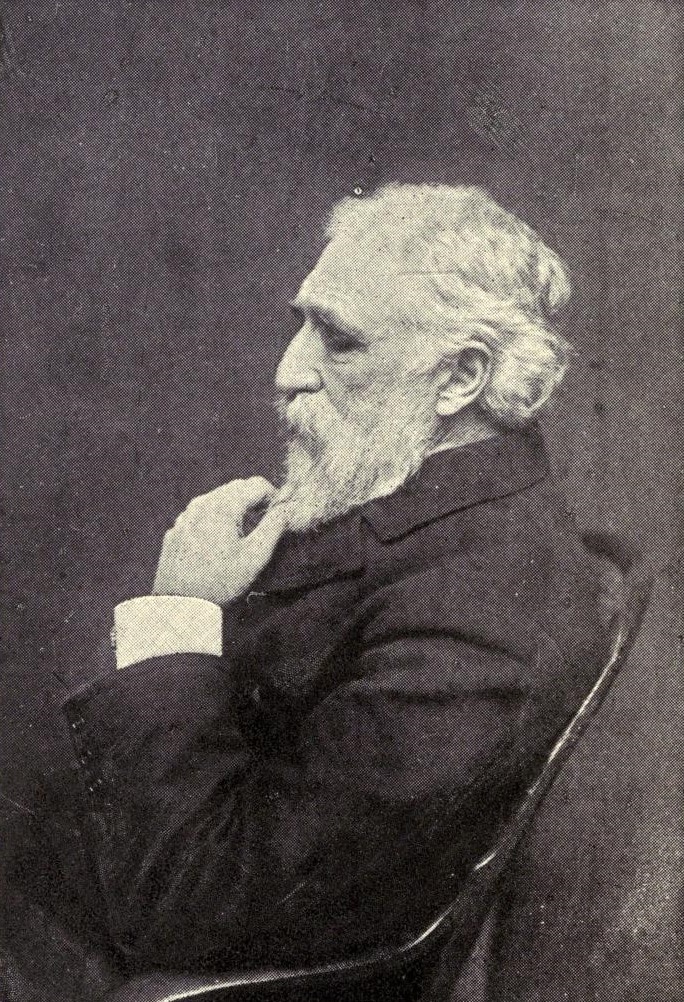
This is Mark Twain’s iconic pessimism, right? Nope. It fits his brand so perfectly that history just decided he said it. The actual speaker was Charles Dudley Warner, Twain’s friend and co-author. Warner was a recognized writer, but he wasn’t a global cultural icon like Twain.
This is a prime case of celebrity attribution bias. Fame acts as a vacuum, sucking up good, memorable quotes from less famous sources. We need to retire the Twain credit and recognize Warner. Accuracy is paramount, even for humorous observations about atmospheric despair and political paralysis.
“Et tu, Brute?”
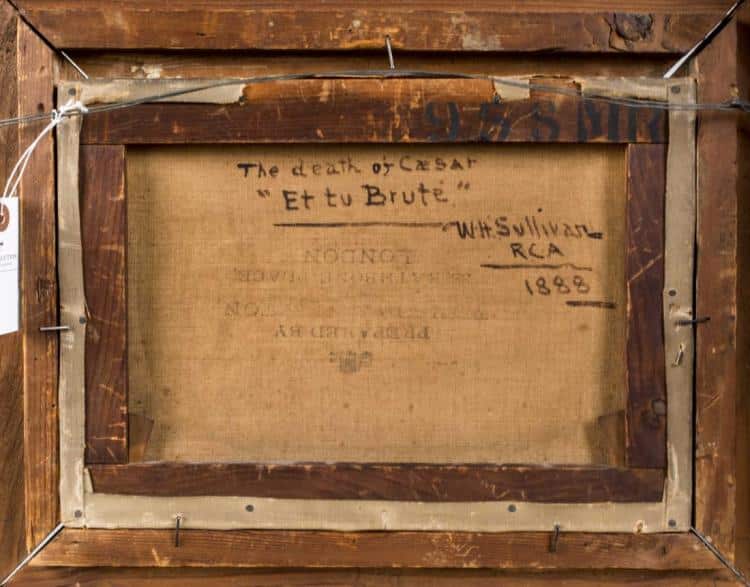
William Holmes Sullivan, Public domain, via Wikimedia Commons
It’s the most dramatic line in history, but it’s pure fiction. This famous Latin phrase, meaning “And you, Brutus?“, was popularized entirely by William Shakespeare. We love the theatrical betrayal, but it’s fiction. The Roman historian Suetonius wrote that Julius Caesar said nothing as he was assassinated.
Other historical claims suggest Caesar may have used the Greek phrase kai su, teknon (“you too, young man“). Shakespeare chose the high-drama Latin because it works better on stage. We must acknowledge the difference between a historical reenactment and a theatrical masterpiece. Retire the line to honor the messy, often silent, truth of history.
“One small step for man, one giant leap for mankind.”
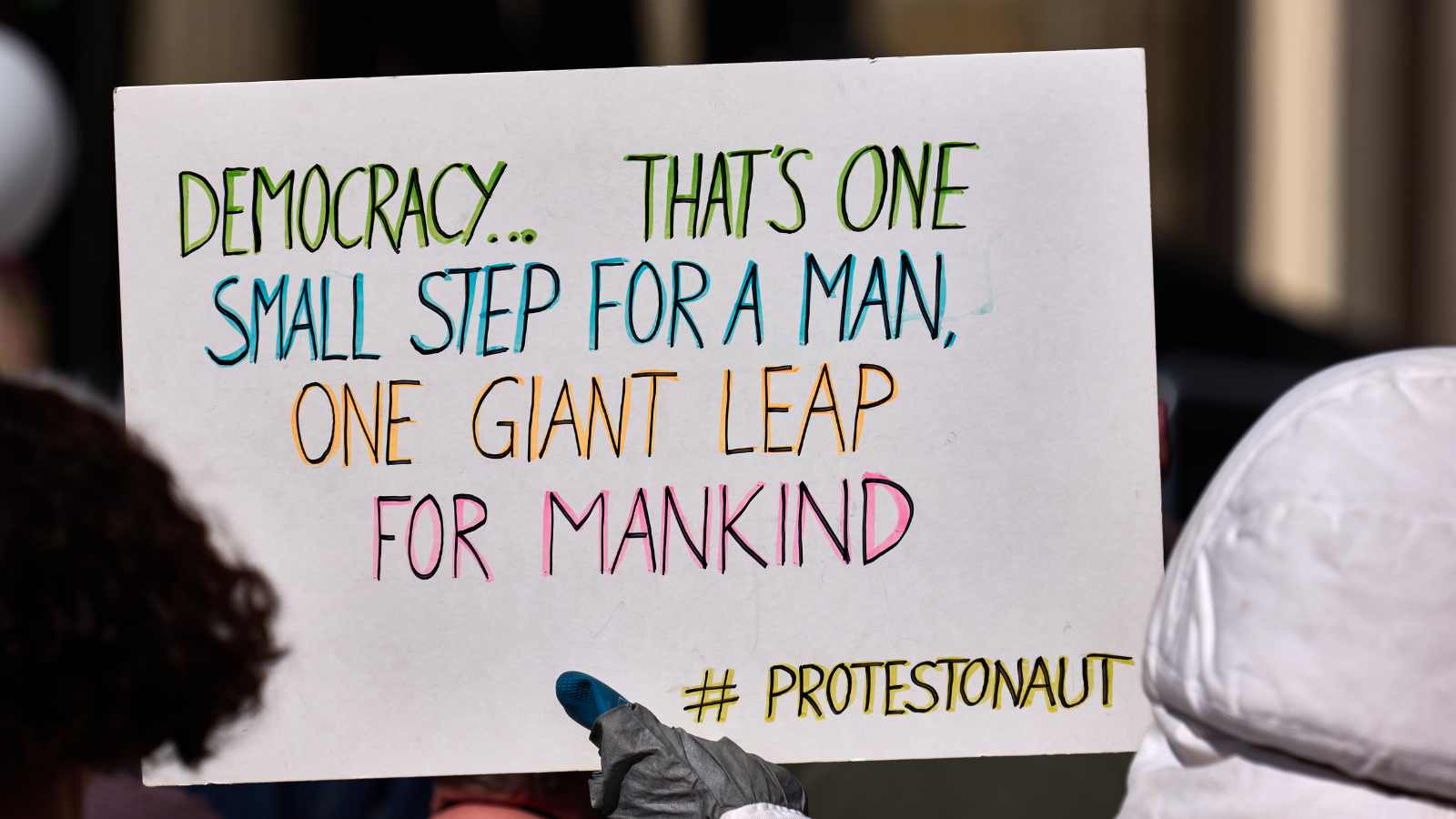
It’s the quote heard around the world. But Neil Armstrong made a simple, tiny mistake—or rather, the fuzzy 1960s audio transmission did. The widely quoted version is grammatically flawed. The phrase everyone heard uses “man” and “mankind” as synonyms, making the statement tautological. It makes no logical sense.
Armstrong always insisted he said, “That’s one small step for a man…” That single article, “a,” is essential. It correctly contrasts the small physical step of an individual (“a man“) with the massive cultural gain for the entire species (“mankind“). Retire the incorrect version to restore the precision and profound meaning intended by the speaker during that pivotal moment.
Key Takeaway

Retire these wrong quotes because they actively impede clear thought; they justify everything from systemic apathy and economic failure ($3.7T infrastructure gap) to catastrophic modern burnout (31% engagement low), reinforcing simplistic narratives instead of demanding data-driven solutions.
Disclaimer – This list is solely the author’s opinion based on research and publicly available information. It is not intended to be professional advice.
Like our content? Be sure to follow us.