

The biggest culture shocks in the U.S. aren’t landmarks or laws, but the small habits Americans don’t even notice.
Traveling to the United States can feel like landing in a familiar place that somehow runs on a different operating system. Many everyday habits that Americans barely notice can stop visitors in their tracks. Some inspire laughter, others confusion, and a few spark lively dinner-table debates that turn into lasting travel memories.
After the culture shock fades, one thing becomes clear: 15 American behaviors foreign visitors find deeply strange are less about right or wrong and more about how history, convenience, and social norms quietly shape daily life.
Friendly Small Talk Everywhere
Americans often talk to strangers as if they already know them. A casual “How are you?” from a cashier is usually a greeting, not an invitation to share your life story. In cultures where conversation is reserved for friends, this can feel overly familiar or even puzzling. The goal is to be polite, not personal. It helps keep interactions friendly and quick.
For many visitors, the friendliness is charming at first, but it can become confusing when there is no real follow-up. The exchange is quick, polite, and over before it begins, like a social handshake made of words. People do not expect an honest answer. The tone matters more than the meaning.
Tipping Culture Confusion
Tipping in the U.S. is one of the most baffling customs for outsiders. A 2023 Bankrate survey found that 66% of Americans view tipping as “out of control,” and nearly 3 in 10 say they are unsure how much to tip in everyday service situations, highlighting widespread confusion around modern tipping expectations. Many services rely on tips as part of workers’ income, which adds to their pressure. This system can be complex to understand if you come from a place where tipping is rare or optional.
For visitors, tipping can feel less like a gesture of gratitude and more like a math test with social pressure attached. It can quickly strain a travel budget, especially when every receipt seems to ask for a little extra money. Visitors often worry about tipping too little or too much. This uncertainty can make simple services feel stressful instead of enjoyable.
Personal Space Preferences
Americans tend to guard personal space like an invisible fence. People in the United States generally prefer a personal space distance of about 3.1 feet (95 cm) during casual social interactions. This distance helps many people feel comfortable and in control during conversations. Standing too close can make some Americans feel uneasy or rushed.
For travelers from places where closeness signals warmth or trust, this habit can feel cold and distant. That instinctive step backward often surprises visitors more than words ever could. What feels respectful in one culture can feel distant in another. These subtle movements can subtly shape how people perceive friendliness.
Ice With Everything
Ordering a drink in the U.S. usually means getting a glass packed with ice. Visitors often joke that Americans drink water as if it were meant to numb their teeth. In many countries, room-temperature drinks are the norm. The sheer volume of ice in every beverage can surprise newcomers, and sometimes they even ask for “no ice” to experience something different. It’s not unusual to see soda, juice, or even tea brimming with ice cubes at restaurants and fast-food chains.
The love of ice turns a simple glass of water into a cultural moment. It is one of those habits that seems insignificant at first but becomes unforgettable after just a few meals out. Americans often associate ice with refreshment and a sense of abundance, which can be striking to travelers. Even at casual gatherings or home dinners, having ice in drinks has become a mark of hospitality and attentiveness.
Super-Sized Portions
American portion sizes routinely surprise foreign visitors. Portion sizes in U.S. restaurants have increased significantly over the past several decades and remain among the largest globally. Even side dishes, such as fries or salads, often come in portions that would feed two or three people in other countries. Many tourists quickly notice that finishing a meal can feel like a personal challenge rather than a casual experience.
For visitors accustomed to lighter meals, sharing plates or taking food to go feels strange. A single entrée can look like a saving plan for tomorrow’s lunch. Drinks, too, are larger than expected, with sodas and coffee often served in sizes that seem excessive. Dessert portions can also be overwhelming, making it easy to feel full before even finishing the main course.
Sales Tax Surprise
In many countries, the price on the shelf is the final price. In the U.S., sales tax appears at checkout instead. This can feel misleading to visitors who carefully plan their budget while traveling. People often have to calculate extra money in their heads, which can be stressful if they are not used to it. Sometimes, the tax can make a big difference, especially on expensive items, surprising shoppers at the last moment.
That moment at the register often delivers the first real culture shock. Different rates across states only add to the confusion. Tourists may not realize that a small purchase in one state can cost significantly more in another due to local taxes. Many travelers quickly learn to check the final price before assuming it matches the price tag.
Flags Everywhere
The American flag is ubiquitous, appearing on homes, clothing, and car decals. Visitors often remark on how openly patriotic people are compared to those in their home countries. It waves proudly at schools, government buildings, and sports events, making it almost impossible to miss. People of all ages connect with it, showing respect and admiration in different ways.
For many foreigners, the flag feels less like a symbol and more like part of the décor. It can signal pride, unity, or intensity depending on who is watching. Some might notice how it changes with the seasons, displayed with lights or surrounded by decorations. Others may be curious about the stories behind its colors and stars, wondering what they represent in daily life.
Drive-Thru Everything
Drive-thru culture goes far beyond burgers. Data from the U.S. Census Bureau show that over 83% of American workers commute by car, which helps explain this convenience-first mindset. People rely on drive-thrus not just for food, but also for banking, pharmacies, and even coffee, making the car an extension of daily life. This constant focus on speed and ease shapes how Americans organize their routines and expectations.
Visitors from walkable cities find this dependency surprising. Life unfolding through a car window can feel both efficient and oddly distant. Pedestrians and cyclists often experience city life more slowly and more connectedly, noticing small details that drivers rarely notice. This contrast highlights how transportation habits can influence social interactions and community life.
Athleisure As Everyday Wear
Wearing gym clothes outside the gym is entirely normal in the U.S. Sneakers, leggings, and hoodies appear in cafés and airports alike. People often pair athletic wear with casual accessories, such as backpacks or baseball caps, making the outfit look intentional rather than sloppy. This trend reflects a cultural shift toward prioritizing convenience without compromising style, enabling individuals to transition seamlessly from one activity to another.
Comfort often takes precedence over formality in American fashion choices. For visitors, this relaxed dress code can blur the line between errands and exercise. Many Americans treat their day-to-day wardrobe as a way to stay flexible and ready for spontaneous plans, whether it’s a quick jog or a coffee run. Observing this habit helps newcomers understand that casual attire is socially acceptable and widely embraced across age groups.
Free Public Bathrooms
Public restrooms in the U.S. are usually free, a detail that delights many visitors. In parts of Europe and Asia, paying a small fee is the standard practice. This difference can surprise travelers who expect the same rules everywhere. Some people even plan their stops carefully to avoid unexpected charges.
That unlocked door can feel like an unexpected gift of travel. It is a small convenience that leaves a lasting impression. Visitors often appreciate the sense of trust it shows. Such little comforts can make a trip feel smoother and more enjoyable.
Paper Money Uniformity
All U.S. dollar bills look nearly the same. Visitors from countries with colorful, size-coded currency often struggle to tell them apart. Cashiers sometimes have to check bills carefully to avoid mistakes, which slows down transactions. Over time, people develop small habits, such as quickly glancing at the number in the corner, to ensure they give the right amount.
Save this article
The sameness of American money turns paying into a brief guessing game. It is easy to hand over the wrong bill without realizing it. Even for Americans, spotting differences between a five-dollar bill and a ten-dollar bill can take a second glance. This uniformity can make handling cash feel less intuitive than handling coins or foreign bills.
Gym-Centric Culture
Fitness plays a visible role in American life. In 2022, the U.S. had over 41,000 health clubs, the highest number globally. Many Americans spend a significant amount of time planning their days around exercise, treating it as an essential part of their daily routine. This focus on physical activity highlights how deeply fitness is ingrained in modern culture, influencing not only health but also fashion, social trends, and personal identity.
Visitors notice how workouts blend into social routines. Going to the gym often feels like a lifestyle commitment, not just a workout. People usually form friendships, attend classes together, and even celebrate milestones around their fitness achievements. These social connections make exercise more enjoyable and motivate individuals to maintain consistency over time.
Ice Cream And Soda With Meals
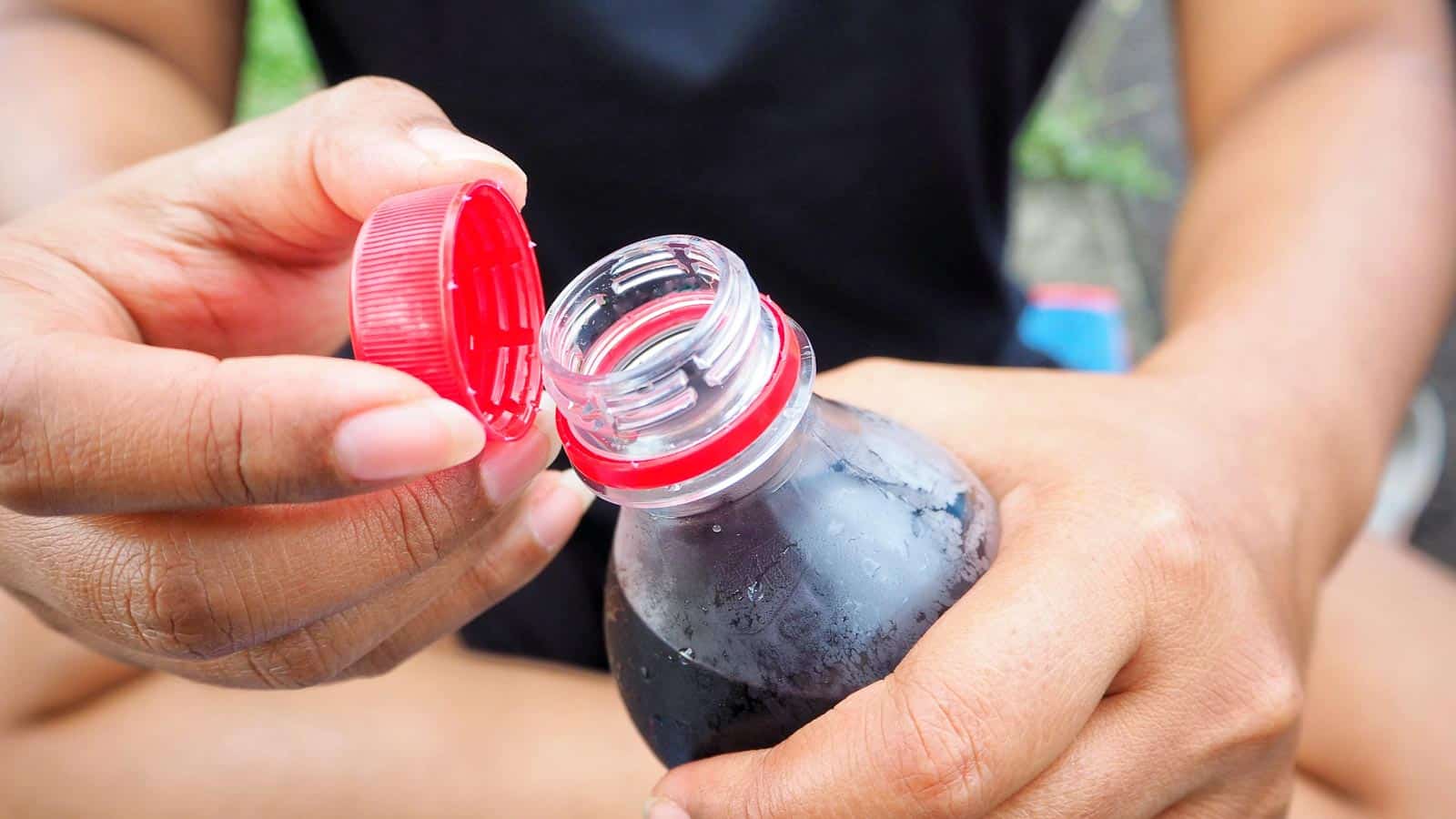
Sweet drinks and desserts often accompany meals in the United States. A CDC report showed that sugary drinks are the leading sources of added sugar in the American diet. These beverages, like sodas and sweetened juices, are consumed at nearly every meal, making sugar a daily habit for many people. Over time, this frequent intake can affect health, contributing to weight gain and increased risk of chronic diseases.
For visitors, the constant sweetness can feel like dessert arriving before the meal is finished. It is indulgent, memorable, and sometimes overwhelming. Many travelers notice that even breakfast includes sugary treats, which can be surprising compared to the less sweet meals they have at home. The flavors are often bold and very sweet, leaving a lasting impression on anyone trying them for the first time.
School Spirit And Pep Culture
School sports in the U.S. resemble community festivals. Cheerleaders, marching bands, and packed stands turn games into major events. Fans decorate their faces and wear team colors, creating a lively and colorful atmosphere. Families, friends, and neighbors often gather long before the game, sharing food and stories as they wait for the excitement to begin.
The emotional investment in school teams often surprises visitors the most. It feels closer to professional fandom than a casual pastime. Students and alums take pride in every play, celebrating victories and feeling disappointment in losses as if they were personally involved. The sense of belonging and school spirit can unite entire towns, making each game an essential social and emotional experience.
Prescription Drug Ads On TV
Television ads for prescription medication are rare globally but common in the U.S. The United States and New Zealand are the only countries that allow direct-to-consumer prescription drug advertising. These commercials often aim to make serious health issues seem manageable and straightforward. Viewers are encouraged to ask their doctors about the products, which can create a sense of urgency or necessity.
The cheerful tone, combined with rapid-fire side effects, can feel surreal to foreign viewers. It is often watched with disbelief and dark humor. The bright visuals and upbeat music clash sharply with the long list of potential risks, creating a confusing experience. Many people wonder how a serious medication can be sold almost like a consumer product without seeming alarming.
Wearing Shoes Indoors
Many Americans wear shoes inside their homes. In cultures where shoes are removed at the door, this can be perceived as unhygienic or disrespectful. People often walk from the street directly into the living room, tracking in dirt without thinking. This practice has become so commonplace that many Americans no longer even notice it.
For visitors, this habit can be harder to accept than any language barrier. For Americans, it is simply another part of everyday life. Guests might feel uncomfortable or even shocked when they see shoes on the carpet or furniture. Still, Americans rarely see it as rude, since it reflects their casual approach to home routines.
More articles:
- Flight attendants warn passenger conduct has declined sharply
- Ever Wonder Why Flight Attendants Sit on Their Hands? Here’s the Reason
- 12 airline food choices flight attendants secretly judge
10 safest countries for solo female travelers

The world feels vast and uncertain, yet in these ten countries, safety has quietly become the foundation for fearless solo journeys.
Packing your bags for a solo trip can feel equal parts exciting and nerve-wracking, especially when trying to pick a spot that feels secure. You want a destination where you can wander freely, meet friendly locals, and focus on the fun rather than worrying about your safety every step of the way. Learn more.
12 airline food choices flight attendants secretly judge

Airline meals have evolved from being a simple perk to a key factor shaping passengers’ overall travel experience. According to a 2022 report by the Airline Passenger Experience Association, travelers are increasingly seeking healthier in-flight options, including plant-based dishes, meat alternatives, and nutrient-rich snacks, driven by a growing focus on immunity and well-being.
This health-conscious trend often sparks cabin conversations, with flight attendants sharing candid opinions on which meals are truly worth ordering at 30,000 feet. While nutritionists and airline caterers continuously revamp menus to meet travelers’ health needs, some classic and new meal options still divide opinions among crew and passengers alike. Learn more.
How to see the world without spending a fortune on accommodation and flights

Turns out, seeing the world doesn’t require a lottery win—just a little creativity and a willingness to swap skills for stamps in your passport.
People often dream of jetting off to Paris or Bali without checking their bank account balance every five minutes. The idea of seeing the world on a dime might sound like a fantasy, but plenty of savvy travelers are already doing it right now. You don’t need a trust fund or a winning lottery ticket to hop across borders and experience new cultures firsthand. Learn more.





