

Not every popular dog breed is an easy dog to live with.
Some of the breeds people fall in love with at first sight are also the ones veterinarians see most often for chronic health problems, costly medical care, difficult behavior, or breeding-related issues that can affect quality of life.
That doesn’t mean these dogs aren’t wonderful companions. Many are affectionate, loyal, and deeply loved by their owners. But veterinarians often encourage prospective owners to understand the realities—not just the adorable photos—before bringing one home.
Here are 10 popular dog breeds that many veterinarians say deserve careful consideration before you commit.
French Bulldog
French Bulldogs dominate popularity charts, but vets see them for very different reasons. Their flat faces cause brachycephalic airway syndrome, which makes breathing difficult even during mild activity.
Many struggle with overheating, chronic respiratory distress, and spinal disorders. Surgical corrections for airway obstruction rank among the most common procedures for this breed.
When a dog struggles to breathe after a short walk, that’s not just “cute snorting,” it’s a structural health problem that often leads to lifelong veterinary care.
English Bulldog
English Bulldogs look tough and laid-back, but their bodies pay a heavy price for that appearance. They frequently suffer from severe breathing problems, chronic skin infections within their folds, hip dysplasia, and joint issues.
Many females cannot give birth naturally and require cesarean sections. Studies consistently show that brachycephalic breeds experience significantly higher rates of respiratory complications than non-flat-faced breeds.
Vets often hesitate to recommend this breed because the medical burden can start early and persist for life.
German Shepherd
German Shepherds impress everyone with intelligence and loyalty, but they demand serious commitment.
They commonly develop hip and elbow dysplasia, degenerative myelopathy, and anxiety-related behaviors if owners fail to provide proper stimulation.
These dogs require structured training, daily exercise, and mental engagement. Without that structure, they develop destructive habits or behavioral problems.
Veterinarians frequently see surrendered German Shepherds whose families underestimated their training and exercise needs.
Rottweiler
Rottweilers carry strength and protective instincts that demand confident ownership. They often face hip dysplasia and higher rates of osteosarcoma, a serious bone cancer.
Without early and consistent socialization, they can develop territorial or aggressive behaviors. Vets understand that this breed thrives with experienced handlers who establish clear boundaries.
Families who choose them without training plans often struggle to manage their size and power.
Chow Chow
Chow Chows look like fluffy teddy bears, but their temperament surprises many owners. They tend to act aloof and independent, and they often show strong territorial instincts.
They usually bond deeply with one person and remain wary of strangers. Without proper socialization, they can become defensive.
Veterinarians frequently caution families with small children because this breed does not tolerate rough handling or chaotic environments well.
Dachshund
Dachshunds charm everyone with their long bodies and bold personalities, yet their spinal structure creates major health risks. They face a high likelihood of intervertebral disc disease (IVDD), which can cause sudden paralysis.
Even minor jumps from furniture can trigger serious injury. Treatment often involves costly surgery and strict mobility restrictions. Vets regularly remind owners that the breed’s unique shape comes with lifelong precautions.
Cavalier King Charles Spaniel
Cavalier King Charles Spaniels melt hearts instantly, but they carry significant inherited health problems. A large percentage develop mitral valve disease, a progressive heart condition that can begin early in life.
Many also suffer from syringomyelia, a painful neurological disorder. Research shows that heart disease prevalence in this breed remains alarmingly high compared to many others.
Save this article
Veterinarians often express frustration because these dogs possess wonderful temperaments but face predictable genetic health challenges.
Great Dane
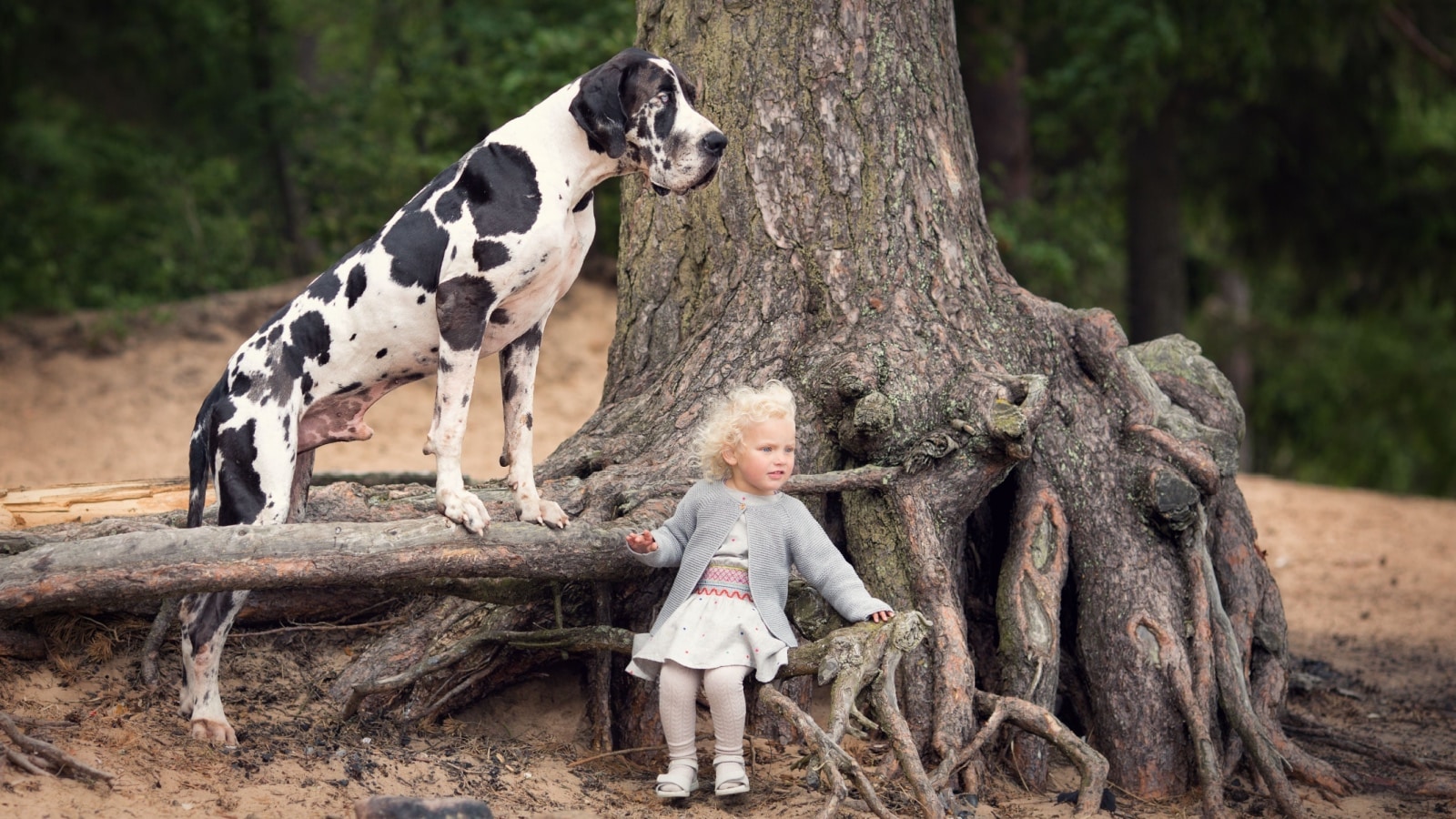
Great Danes impress everyone with their size and gentle nature, but their massive frames create serious health risks. They commonly experience bloat, also known as gastric dilatation-volvulus, which can become fatal without emergency surgery.
They also face joint problems and relatively short lifespans, often averaging 7 to 10 years. Giant breeds age faster than smaller dogs, so owners often see health decline sooner than expected.
Veterinarians advise potential owners to prepare emotionally and financially before committing to this breed.
Siberian Husky
Siberian Huskies attract attention with striking eyes and wolf-like appearances. However, they demand intense daily exercise and constant mental stimulation.
Without enough activity, they develop destructive behaviors, excessive howling, and escape attempts. They also shed heavily throughout the year, especially during seasonal coat changes.
Vets frequently see frustrated owners who underestimate this breed’s energy level and independence.
Jack Russell Terrier
Jack Russell Terriers may look small, but they carry enormous energy and drive. They require daily physical exercise and consistent mental challenges. Without structure, they become vocal, reactive, and destructive.
Many owners choose them for their compact size and then struggle with their intensity. Veterinarians often caution first-time dog owners because this breed thrives in experienced, active households.
Final Thoughts
Veterinarians do not discourage these breeds out of dislike. They raise concerns because they regularly treat chronic illnesses, behavioral breakdowns, and preventable suffering linked to breeding practices and mismatched homes.
Popularity does not equal suitability, and cute features often hide serious long-term responsibilities.
If you consider one of these breeds, research carefully, speak with a veterinarian, and honestly evaluate your lifestyle. The right dog fits your energy, budget, and commitment level, not just your aesthetic preferences.
Responsible ownership starts with informed decisions, and that mindset benefits both you and the dog you bring home.
More articles:
- 11 high-maintenance dogs that are wrong for retirees
- 12 Dog breeds that may not be right for most owners
- 10 dangerous yet legal animals you can own as pets
New Ways to Detect Cancer in Dogs: What Every Owner Should Know

With half of senior dogs developing cancer, a new generation of noninvasive tests is redefining what early detection means in veterinary medicine.
Cancer is one of the most common and devastating diseases in dogs. By some estimates, half of dogs over the age of ten will develop some form of cancer. For years, diagnosis often relied on visible symptoms, biopsies, and advanced imaging. That usually meant the disease was caught late, when treatment options were limited. Today, however, new science is reshaping how veterinarians approach detection. From liquid biopsies to genetic markers, researchers are finding ways to catch cancer earlier and more accurately. These advances are not just exciting for dog owners but also important for the broader field of human cancer research, since many breakthroughs cross species lines. Learn more.
12 Surprising (and often hidden) Household Hazards That Could Harm Your Health, Safety, or Pets

olegdudko via 123rf.
You know that feeling of relief when you get home and finally relax? It’s your safe, cozy space. But some everyday household items could quietly be putting your health, safety, or pets at risk.
No need to bubble-wrap your life—just a little awareness goes a long way. From hidden fire hazards and toxic gases to common kitchen tools that can harm birds, here are 12 hidden dangers that might be lurking in your home—and what to do about them. Peace of mind starts here. Learn more.
The 10 Most Expensive Wildlife Mistakes People Make in the U.S.

Wildlife can be awe-inspiring. It can also be incredibly costly if you don’t know what you’re doing. People make pricey mistakes with wild animals every day, whether it’s feeding a bear from your car window or trying to raise a raccoon like it’s a kitten.
Some of these missteps drain your bank account. Others get you slapped with serious fines or hospital bills. A few even put entire species or local ecosystems at risk. If you’re not careful, that photo op or animal rescue attempt might cost you a whole lot more than expected. Learn more.





