

When the body runs low on nutrients, hair is one of the first systems it stops prioritizing.
We often blame hair products or genetics for thinning hair, but the real culprit may be what’s on your plate. Hair health starts from within, and if you’re not fueling your body with the right nutrients, your hair may suffer the consequences.
We’ve all been there: staring at our reflection, wondering why our hair isn’t as thick or shiny as it used to be. Most of us think the secret to great hair lies in fancy products or genetics, but here’s the thing: your hair’s health starts with what’s on your plate. Your diet is just as important as the shampoo you use. When you feed your body the wrong foods, your hair pays the price.
The truth is, your hair follicles are incredibly active. They need a steady stream of nutrients to thrive. Without the right fuel, your body starts to prioritize its most important organs, and your hair? It’s left hungry. So, if you’re struggling with thinning hair, it could be time to reassess what you’re eating.
High-Saturated Fat (Fried Foods)
We all love a crispy basket of fries, but your scalp might be paying the ultimate “grease tax.” Fried foods are packed with trans fats that don’t just sit on your hips; they trigger systemic inflammation that migrates straight to your head.
This internal “heat” can spike DHT, the pesky hormone famous for causing follicle eviction. Essentially, that extra serving of wings is clogging your “pipes,” making it harder for nutrients to reach your hair’s roots.
If your scalp feels like an oil slick and your drain is looking crowded, it’s time to swap the deep-fryer for some walnut-crusted goodness. Your hair wants nutrients, not a dip in a vat of oil!
Sugar-Sweetened Beverages (SSBs)
How often do you grab a sugary drink? Maybe it’s a soda or a sugary iced coffee. We’ve all been there, right? But here’s the hard truth: those drinks may taste great, but they’re not doing your hair any favors. In fact, they’re creating the perfect storm for thinning hair.
Sugar spikes insulin levels, which then mess with your hormones and cause inflammation in your scalp. Over time, this affects hair follicles, slowing the growth cycle. If you’re skeptical, here’s something to consider.
A 2023 study published in the journal Nutrients found that men who drank more than one sweetened beverage per day had a 3.36-fold higher risk of male pattern hair loss. Scary, right? The good news is that switching to water or herbal teas can stabilize your insulin levels and improve your hair’s texture in just a few weeks.
High-Mercury FIsh
Look, we all love a fancy sushi night, but your favorite “big fish” might be ghosting your hairline. Large, predatory species like swordfish and king mackerel are essentially the ocean’s mercury sponges.
This heavy metal is a total party crasher for your follicles; it mimics essential minerals only to sabotage the protein synthesis your hair needs actually to stay on your head. Think of mercury as a toxic squatter that lingers in your system, pushing your hair into a premature “retirement” phase.
To keep your strands from jumping ship, pivot toward low-mercury options like sardines. These smaller fish give you the glowy omega-3s without the chemical baggage. Swapping your seafood choices keeps your follicles happy and your drain hair-free.
Ultra-Processed Foods (UPFs)
We all know that processed snacks are easy to grab, but they’re doing more harm than you think, especially when it comes to your hair. These foods are packed with unhealthy fats and sodium, creating a perfect storm of inflammation that weakens hair follicles and causes thinning over time.
Want the stats? Data from national surveys indicate that ultra-processed foods now account for more than half of daily energy intake in high-income nations, with some countries, such as the U.S., reporting up to 58%, that’s a lot of processed junk!
By cutting these foods out and opting for whole, fresh ingredients, you’ll be investing in long-term hair health nd reducing unnecessary shedding.
Excessive Alcohol
We all enjoy a drink now and then, but if you’re regularly overindulging, your hair might be feeling the effects. Alcohol acts like a “nutrient thief,” leaching essential vitamins and minerals from your body. Without them, your hair can become more prone to breakage.
Heavy drinkers often have significantly lower zinc levels, a mineral that plays a vital role in hair protein synthesis. So, next time you’re reaching for a glass of wine, remember, your hair will need a detox. Consider this a necessary budget for your long-term follicular health.
Alcohol’s dehydrating nature turns your scalp into a desert, making strands as thirsty as you. If your bar tab is growing while your ponytail is shrinking, it might be time to swap that third cocktail for some H2O; your follicles will definitely toast to that.
Refined Carbohydrates
Ah, the sweet allure of white bread and pastries, who doesn’t love them for breakfast? But these refined carbs cause blood sugar spikes that increase insulin, which can trigger hair loss. Androgens shrink hair follicles and shorten the growth phase, causing thinning and shedding.
A cross‑sectional study published in Nutrients found that young men who consumed sugar‑sweetened beverages (which are liquid refined carbs) more than seven times per week were about 3.36 times more likely to report male pattern hair loss.
The good news? Switching to complex carbs like quinoa and sweet potatoes provides stable energy without the insulin crash, giving your hair the steady fuel it needs to thrive.
Selenium Overload (Brazil Nuts)
Treating Brazil nuts like a casual beach snack can lead to selenium toxicity. Eating a handful can actually cause sudden shedding. Balance is key; too much of a good thing quickly turns into a hair-loss nightmare.
The National Institutes of Health (NIH) sets the tolerable upper intake level at 400 mcg daily to avoid selenosis. Remarkably, just two or three Brazil nuts can hit this threshold. To protect your follicles, limit consumption to one or two nuts per day.
Staying within this safe range prevents the metabolic backfire that triggers acute shedding. Treat these nutrient-dense seeds as a potent supplement rather than a snack to maintain optimal hair structural integrity.
Artificial Sweeteners (Aspartame & Sucralose)
A lot of people turn to “zero-sugar” drinks to avoid insulin spikes, but there’s a catch: artificial sweeteners like aspartame might not be as harmless as they seem, especially for your hair. These chemicals can mess with your gut microbiome, which plays a key role in producing a vital nutrient for hair strength.
A 2023 study found that those who regularly consume artificial sweeteners have a nearly 3.36-fold higher risk of experiencing male-pattern hair loss. That’s right, just because something is “sugar-free” doesn’t mean it’s safe for your hair.
Save this article
These additives can trigger the polyol pathway, which essentially robs your hair follicles of the energy they need to grow. Switching to natural hydration, like mineral water, can help keep your follicles in the active growth phase.
Vitamin A Toxicity
Vitamin A is essential for cell growth, but too much can actually harm your hair. Excessive intake of Vitamin A from supplements or organ meats can push your hair follicles into the shedding phase prematurely.
It can also disrupt the balance of other essential nutrients needed for healthy hair growth. Clinical evidence shows that consuming more than 10,000 mcg (≈33,000 IU) of Vitamin A daily can lead to hypervitaminosis A, a syndrome whose symptoms include hair loss.
Be sure to get your Vitamin A from natural sources, such as colorful vegetables, rather than from supplements. This allows your body to absorb it more efficiently and reduces the risk of toxicity.
Low-Protein “Crash” Diet
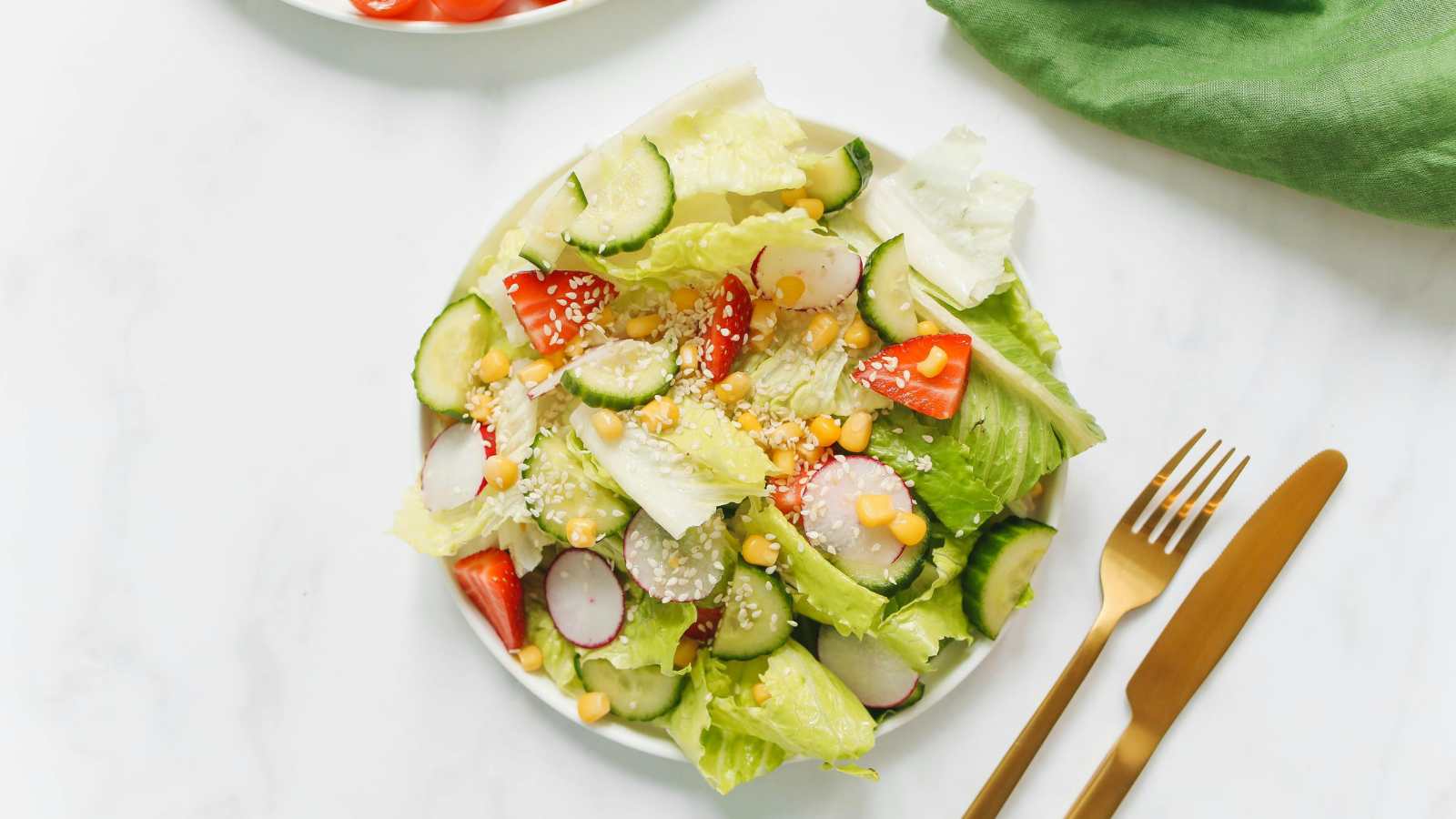
Think of your hair as a luxury subscription; your body is ready to cancel the moment the “budget” gets tight. Since your strands are made up of up to 95% protein, trying to live on green juice and “vibes” alone puts your system into full-blown survival mode.
It effectively treats your hair like an expensive gym membership it can no longer afford, redirecting every scrap of protein to your vital organs instead. This extreme calorie restriction can trigger a massive “strike” where your follicles give up and shed all at once.
If you want to keep your hair on your head instead of the shower floor, you have to feed the beast! Lean meat and eggs are the high-quality fuel your scalp needs to stay in the game. Just like a well-planned grocery list ensures you have the right ingredients for a balanced diet, your hair needs the proper nutrients to thrive.
Excessively Salty Foods
We all love a salty snack, but overdoing it can turn your scalp into a literal desert. High salt intake causes your body to retain water in all the wrong places while leaving your hair follicles parched.
When you’re constantly reaching for the salt shaker, it can lead to a buildup of sodium around the hair follicle, blocking essential nutrients from reaching the hair. Think of it as a “salt crust” that’s stifling your hair’s potential.
This dehydration makes your strands brittle and way too easy to snap. If your ponytail is looking a little thirsty, try swapping the pretzels for some potassium-rich snacks like bananas to balance things out. Your hair will definitely thank you for the extra hydration!
Dairy (For Sensitive Individuals)
While we’re often told that milk is essential for health, it can be a hidden enemy for your hairline. For many, high-fat dairy triggers scalp inflammation and conditions like dandruff, which leads to increased shedding.
Beyond the itch, dairy has a high hormonal load; it can spike insulin and boost testosterone levels, essentially “feeding” the hormonal hair-loss process in those genetically predisposed to thinning hair.
Dairy’s high glycemic load elevates insulin and increases androgen activity, a documented trigger for follicle miniaturization. If your scalp feels irritated after eating cheese, try swapping to plant-based options like almond milk. Most people find that editing dairy intake leads to a clearer scalp and significantly less daily hair fall.
Key Takeaways
Hair health isn’t just about expensive products or shampoo—it’s about fueling your hair with the right nutrients. By cutting out foods that trigger hair loss and focusing on a nutrient-dense diet, you can give your hair the best chance to grow strong, thick, and healthy. Start making these changes today, and you’ll see a noticeable difference in your hair’s texture, strength, and shine.
ore articles:
- Common spices linked to colon cancer prevention
- Potato chips may be linked to higher colon cancer risk, here’s why
- 13 Superfoods for Digestive Health You Can’t Ignore
Disclosure: This article was developed with the assistance of AI and was subsequently reviewed, revised, and approved by our editorial team.
Like our content? Follow us on Newsbreak.
15 foods centenarians eat to live to 100

Living to 100 is less about rare genes and more about the everyday foods quietly shaping your health right now.
Reaching the age of 100 might seem like winning a genetic lottery to many people, but research suggests your grocery list plays a massive role. Those vibrant communities known as Blue Zones, where people frequently live past a century, rely heavily on what they put on their dinner plates. We have compiled a list of specific ingredients that act as fuel for a long, healthy life, without needing a magic potion. Learn more
10 foods with more blood pressure benefits than beets

Beets get all the credit for lowering blood pressure, but they’re far from the best option.
We have all heard the hype about beet juice being the miracle elixir for hypertension, and the science technically supports it. However, relying solely on beets is like patching a tire with duct tape because the effects are incredibly temporary and often vanish within a single day. While beets can offer a quick fix, they do not provide the sustainable, long-term support your cardiovascular system needs to stay stable. Learn more.
15 eating habits that can help improve hormone balance after 45

Hormones often feel like the wild card of midlife. In women past 45, hormone levels begin to fluctuate and can have an impact on things as varied as mood and metabolism. Do you know that the World Health Organization says most women experience menopause between the ages of 45 and 55 years?
This normal change reduces the amount of estrogen in your body and alters your physiology. It is estimated that approximately ¾ of women experience menopausal symptoms connected to the hormonal fluctuations that affect energy levels and weight. Learn more.





