

As protein claims flood everything from cereal to cookies, the gap between marketing and meaningful nutrition has never been wider.
Protein might be the only macronutrient with a fan club. Surveys from the International Food Information Council show about 70% of Americans are actively trying to get more protein, and more than one‑third say they’ve increased their intake in just the last year. At the same time, almost 8 in 10 people admit they don’t actually know how many grams they should be eating.
And food companies have smelled the opportunity: high‑protein labels are spreading across cereals, desserts, drinks, and snacks, and the global high‑protein food market is forecast to grow by over 50 billion dollars in just a few years.
Let’s crack a few labels open, and talk about what to eat instead if you actually want your snack to pull its protein weight.
Peanut Butter
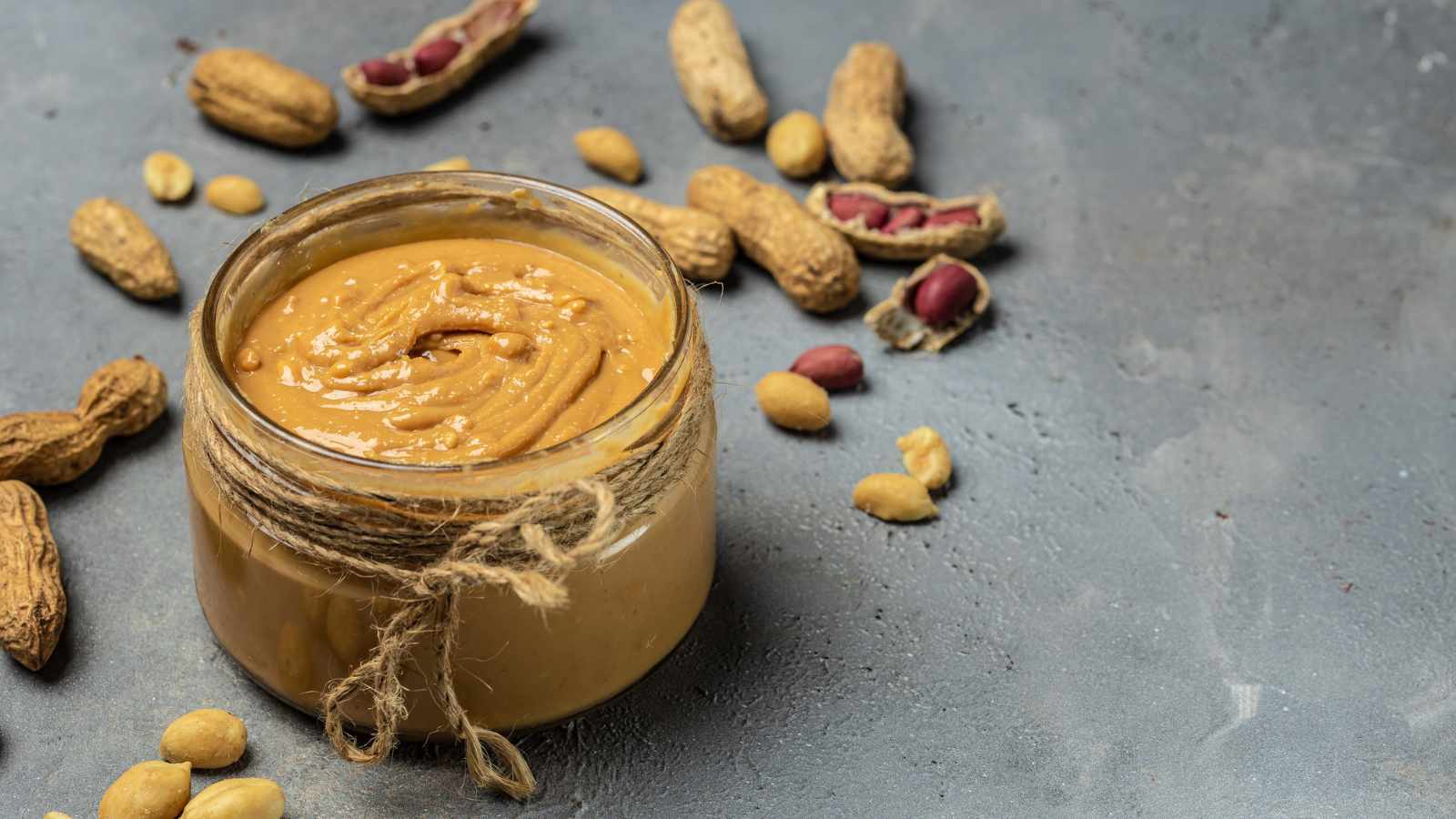
You spread it thick and feel oddly virtuous, as if every swipe is a bicep curl in disguise. Yet a standard 2‑tablespoon serving gives you only about 7–8 grams of protein for roughly 190–200 calories, which makes it a rich fat source with a protein side hustle, not the other way around, according to Verywell Health and Health.com.
Peanut butter fans love to frame it as a muscle food, but dietitians quietly roll their eyes and call it “a fat bomb that happens to have a little bit of protein,” noting you’d need several hundred calories’ worth to match one modest chicken breast.
Compare that to a cup of cooked lentils with around 18 grams of protein or about 31 grams in a 170‑calorie chicken breast, and peanut butter starts to look less like a muscle food and more like a delicious, nostalgic scam.
Regular Yogurt (Non‑Greek)
Regular yogurt does offer protein, but much less than Greek or Icelandic‑style versions that are strained and more concentrated. A 6‑ounce serving of plain non‑Greek yogurt has about 8.9 grams of protein, while the same amount of Greek yogurt almost doubles that at roughly 17–19 grams, according to FitHealthRegimen and similar analyses.
The trap is those “fruit on the bottom” cups that swirl in sugary jam yet keep protein flat, leaving you with dessert‑level carbs and still under 10 grams of protein. So reach for Greek or Icelandic‑style yogurt when you want a 20–30‑gram protein goal at breakfast or during the day, because they’re strained and naturally concentrate more protein into every spoonful.
Almond Milk and Other Nut Milks
Almond milk has the aesthetic of health: pastel cartons, minimalist fonts, vibes like “I do yoga and own plants.” Nutritionally, though, traditional almond milk gives you only about 1–2 grams of protein per cup, while dairy milk clocks in around 8 grams and soy milk around 7–8 grams per cup.
Many people assume that if it’s called “milk,” it must carry cow‑level protein, but most nut and rice milks are closer to flavored water unless they’re fortified with pea protein. For the latte‑as‑breakfast crowd hoping foam equals gains, simply swapping almond milk for dairy or soy milk can roughly quadruple the protein without changing cup size.
Keep the oat and almond for taste if you love them, but don’t let the carton talk you into believing it’s doing heavy lifting on the protein front.
Hummus
A typical quarter‑cup serving only gives you about 2–5 grams of protein for roughly 70–100 calories, as outlined in research on chickpeas and hummus in the American Journal of Lifestyle Medicine. Which is fine for flavor but not for building a serious protein base.
Chickpeas themselves are more impressive, bringing about 14–15 grams of protein per cooked cup, yet once you blend them with tahini and oil, each scoop shifts toward being more about fats and texture.
Nutrition pros suggest treating hummus as a flavorful fat‑and‑fiber sidekick, pairing it with higher‑protein foods like grilled chicken, eggs, or Greek‑yogurt‑based dishes instead of expecting it to carry the whole protein storyline.
Quinoa
Quinoa has been crowned the prom king of grains, but the crown is more about being slightly better than rice than being an actual protein superstar. One cooked cup of quinoa holds about 8 grams of protein and roughly 220–230 calories, which means only around 14% of its calories come from protein foods.
By comparison, white rice limps in at around 3.5 grams per cooked cup, so quinoa wins the grain contest but still loses badly to true protein foods.
Treat quinoa as a nutrient‑dense carbohydrate with bonus protein, not as your main protein event, and encourage pairing it with beans, tofu, or lean meats to turn the meal into a genuine protein powerhouse for wellness.
Chia Seeds
Chia seeds look mystical in smoothies, like tiny moons floating in a galaxy of fruit, but their protein contribution is more cameo than lead role. One tablespoon has about 2–3 grams of protein and around 60 calories, and even an ounce—roughly 2 tablespoons—only gives you 4–5 grams for about 135–140 calories spice.
They genuinely shine in fiber and omega‑3 fats, but because you eat them in small amounts, they’re miles away from being a serious protein source despite what dramatic social media posts might claim
For anyone aiming at 20–30 grams of protein at breakfast, chia pudding on its own leaves you short; you need to bring in eggs, Greek yogurt, or protein‑fortified dairy to actually move the protein needle. Enjoy chia for texture, digestion, and vibes
Granola and “Protein” Granola Bars
Granola bars love to dress in trail‑mix chic, posing as outdoorsy fuel while quietly acting like compact candy. Many bars advertised as high‑protein snacks still serve only about 1–3 grams of protein per bar, nowhere near the 10–15 grams dietitians suggest for a truly protein‑rich snack.
Even “power” granola mixes often hide more added sugars and oils than protein, meaning most of their calories sneak in as carbs and fats rather than anything muscle‑friendly.
Some bars do hit that 10‑gram mark, but experts from CSPI warn you have to actually read the back of the wrapper, because front‑of‑pack protein claims can create a health halo that distracts you from the high sugar and total calorie count.
Protein Cereal and “High‑Protein” Breakfast Cereals
The cereal aisle has quietly rebranded itself into a protein parade, with boxes yelling about gains while cartoon mascots smile like they’ve hit the gym. Roughly 20% of cereals and breakfast foods now slap on some kind of protein claim, even when they add only a few grams per serving—less than you’d get from a single egg or a scoop of Greek yogurt.
Save this article
A study on front‑of‑package labels found that when cereals shout “high protein,” people rate them as healthier and more filling even when the actual nutrition facts barely change, which is marketing magic and nutritional misdirection all at once.
Researchers and nutritionists interviewed by Plant Based News describe these labels as a classic “health halo,” warning that shoppers end up paying extra for what is still, at heart, sugary carbs dusted with a little extra protein powder.
Nuts and Trail Mix
Raw nuts give roughly 3–6 grams of protein per small handful, about 1 ounce, but most of their calories come from fats, making them energy‑dense and only moderately protein‑dense. Fitness experts say calling nuts “high‑protein” misleads people into imagining a handful equals a serving of meat, even though a similar calorie amount from chicken or tofu can deliver two to three times the protein.
Trail mix often doubles down by throwing in dried fruit, chocolate, or even candy pieces, inflating sugar and calories while leaving protein practically unchanged, according to the Center for Science in the Public Interest. That makes it more like a portable dessert than a performance snack; awesome for hiking morale, not so awesome as your main protein plan.
“High‑Protein” Cookies, Brownies, and Muffins

Many products proudly shout “10g protein!” on the front, but that’s usually packed into a 250–300‑calorie, sugar‑heavy portion where the protein percentage is surprisingly low. One popular “power” brownie cup, for example, serves up about 10 grams of protein but lists added sugar as the very first ingredient and clocks in at roughly half a day’s worth of added sugar plus a hefty hit of saturated fat.
A lot of nutrition advocates point out that companies can just sprinkle in whey or pea protein, slap “high protein” on the label, and instantly boost how healthy and worth‑the‑money people think it is, even though it still behaves like a brownie once you eat it.
Protein Popcorn, Chips, and Puffs
Protein popcorn and chips feel like the universe finally said, “Fine, have your snacks and your gains.” Reality: the math is less generous. Many of these snacks only reach around 5–10 grams of protein per entire bag while still delivering a full serving of sodium and refined starch, so nutritionally, they’re mostly dressed‑up junk food.
Sports nutrition coaches describe them as marketing more than muscle food, a small protein bump that still can’t compete with a basic serving of Greek yogurt, eggs, or cottage cheese. Experts at BBC Good Food and other outlets recommend treating these “protein” chips as what they are (slightly modified junk food) and letting boring old beans, dairy, and lean meats handle your serious 15–30‑gram protein needs.
“Protein Pasta” and Legume Pastas
Protein pasta sounds like a loophole in the universe: eat noodles, count them as gains, live happily ever after. Reality is less magical. Protein‑fortified or legume‑based pastas often add only a few extra grams of protein per serving compared with regular wheat pasta, and most of us happily overshoot the label’s serving size anyway.
A cooked cup of standard pasta gives about 7–8 grams of protein, so even with a modest boost, the majority of its calories still come from starch foods. Dairy industry nutrition pages advise treating protein pasta as a smart tweak within the carb category. Not a one‑to‑one replacement for a piece of fish, tofu, or chicken.
So you still need a true protein sharing the plate.
The Bigger Protein Plot Twist
In many markets, you can only legally call something “high protein” if at least 20 percent of its calories come from protein, a standard flagged in labeling research and regulatory summaries.
But studies on front‑of‑pack claims show that even mild‑to‑medium protein boosts massively increase how healthy, filling, and “worth it” people think a food is, making “high‑protein” the latest health halo after the low‑fat and low‑carb crazes documented by CSPI and other watchdogs.
The labels whisper a story; the numbers tell another. The magic trick is learning to read the back of the box, not just the promise on the front.
More articles:
- 12 fruits that contain more vitamin C than oranges
- 12 reasons dragon fruit may be one of the healthiest fruits you’re not eating enough of
- Starting Your First Garden? Here Are the 10 Easiest Vegetables to Grow
The Best Root Vegetables for Better Vision
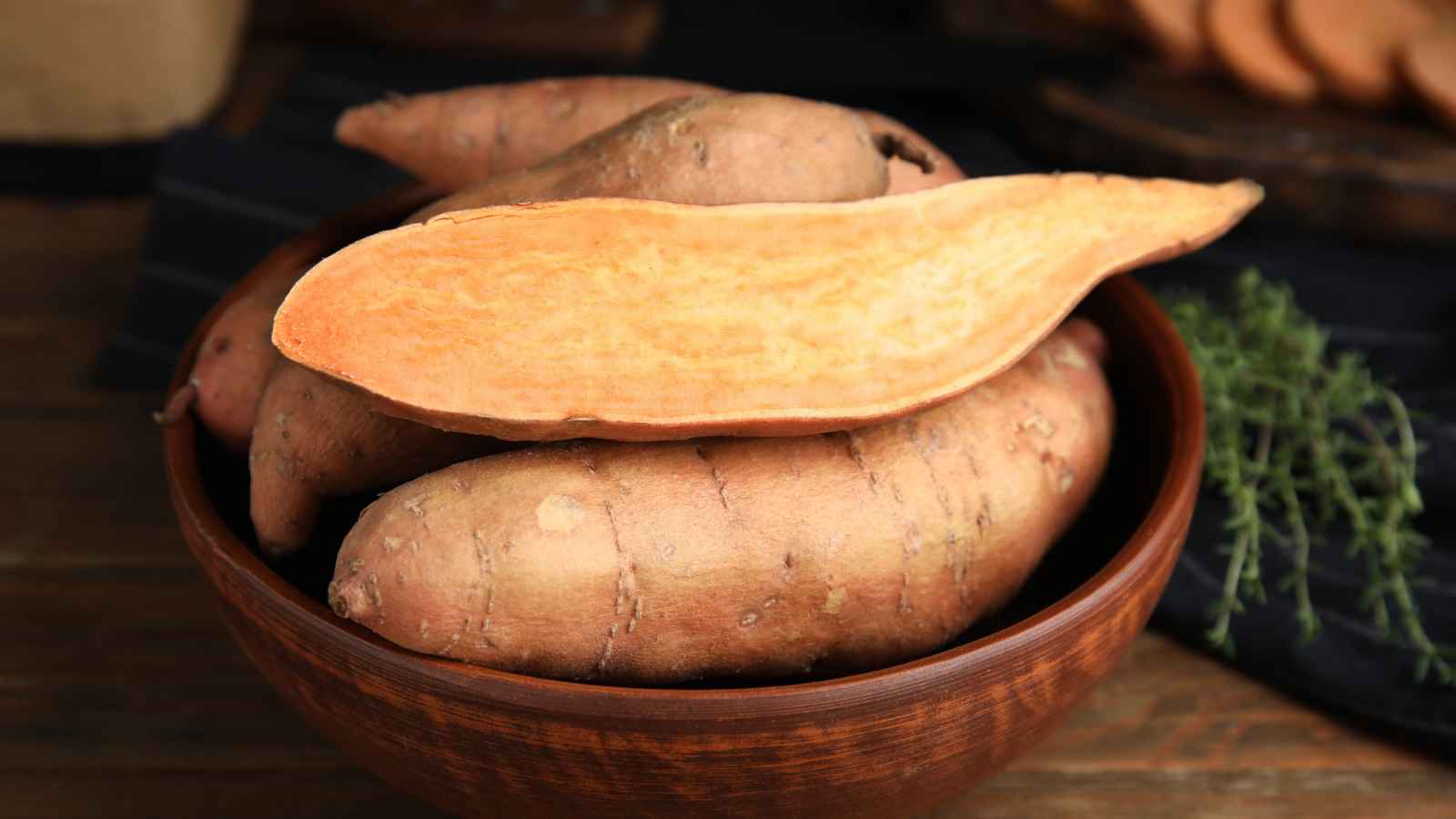
Around the world, most conversations about eye health focus on things like glasses, screen time, or supplements. But in public-health circles, the story actually starts much deeper—literally underground. Root vegetables, especially the ones loaded with carotenoids, play a major role in keeping our eyes healthy.
Vitamin A deficiency is still the leading cause of preventable childhood blindness around the globe, according to the World Health Organization. It contributes to an estimated 250,000 to 500,000 cases every year, especially in places where people don’t have access to foods rich in provitamin A. Learn more.
Common spices linked to colon cancer prevention

In the quiet routine of seasoning a meal, you may be adding small, powerful defenses against one of the most common cancers.
Your spice rack might actually be hiding some powerful health benefits. It turns out that a handful of common pantry staples pack a serious punch against serious illnesses. Medical researchers are looking closely at how everyday seasonings can fight back against cellular damage in the digestive tract. Learn more.
Which protein is actually better for arthritis, plant or animal?
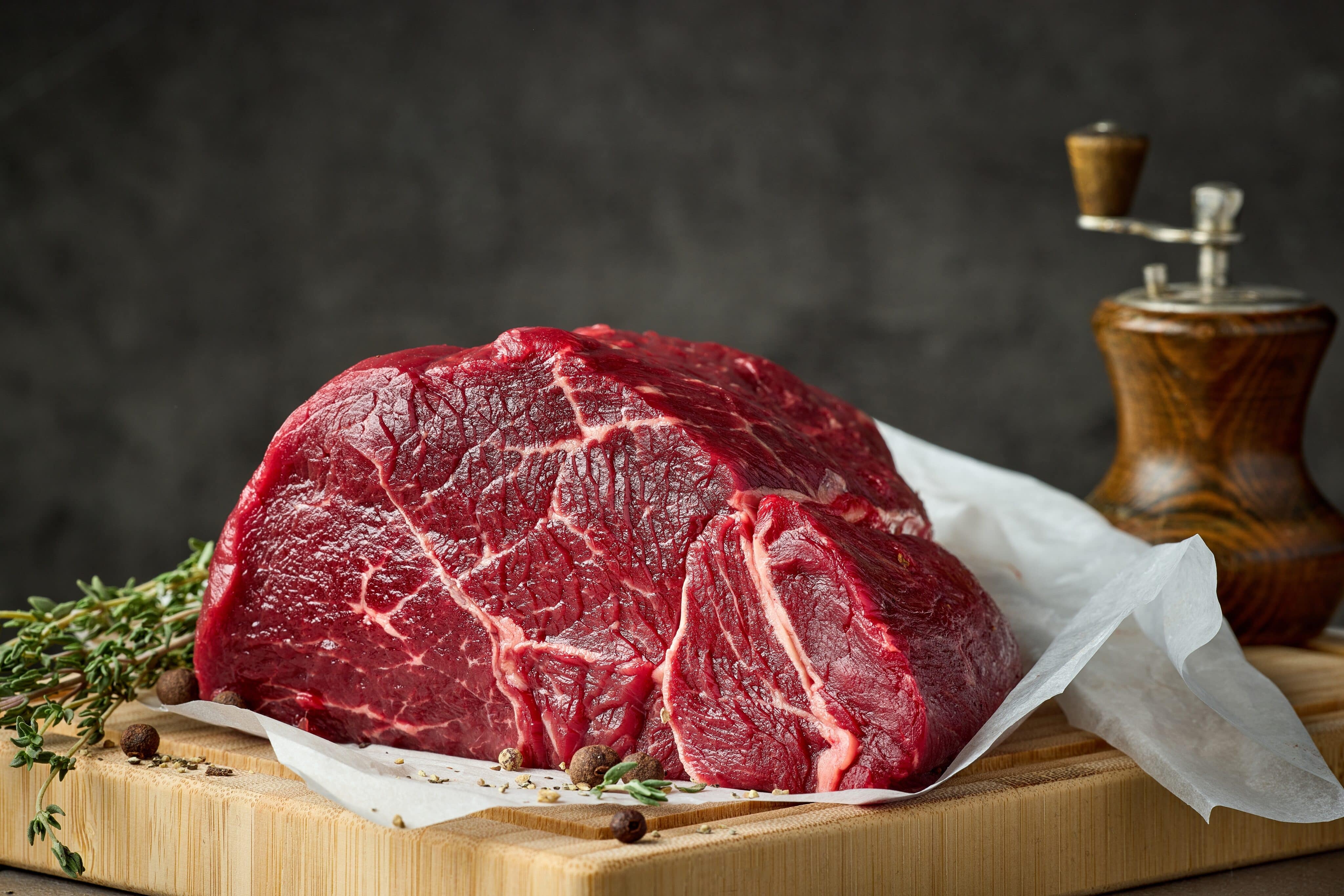
With more than 53 million Americans living with arthritis, emerging research points to nutrient balance—not protein source alone—as the real driver of bone and joint health.
CDC estimates from 2019–2021 show about 21.2% of US adults (around 53.2 million people) report a doctor’s diagnosis of some form of arthritis (including osteoarthritis, rheumatoid arthritis, gout, lupus, etc.). Osteoarthritis (OA) is the most common joint disorder in the US (over 32.5 million US adults live with it), mainly affecting knees, hips, hands, and spine. Learn more.





