

Experts say seniors who choose to live alone can maintain independence longer by proactively addressing common household safety risks.
Living alone as a senior is a choice that offers significant autonomy and the ability to maintain a familiar daily routine without outside interference. For many, this independence is a primary goal that supports mental well-being and a sense of personal agency.
However, maintaining a household as a single occupant requires a deliberate approach to safety and logistics that differs from living in a multi-generational home. Identifying and avoiding common household errors is essential for those who wish to age in place successfully over the long term.
Small oversights in home maintenance or personal safety can quickly escalate into situations that threaten your ability to live without assistance. By addressing these specific areas, you can create a stable environment that supports your independence and reduces the risk of accidents.
Avoiding Professional Financial Advice

Managing a retirement fund without assistance can be difficult when economic conditions are unpredictable or highly volatile. Many seniors make the mistake of handling complex investment or tax questions without consulting a qualified financial advisor.
A yearly checkup can provide the data you need to help your savings last for the rest of your life. Getting a checkup for your money helps you stay on a sustainable path and prevents errors that could limit your future. By involving an expert, you gain a clearer perspective on how to navigate shifting markets while protecting your principal.
Ignoring Household Fall Hazards
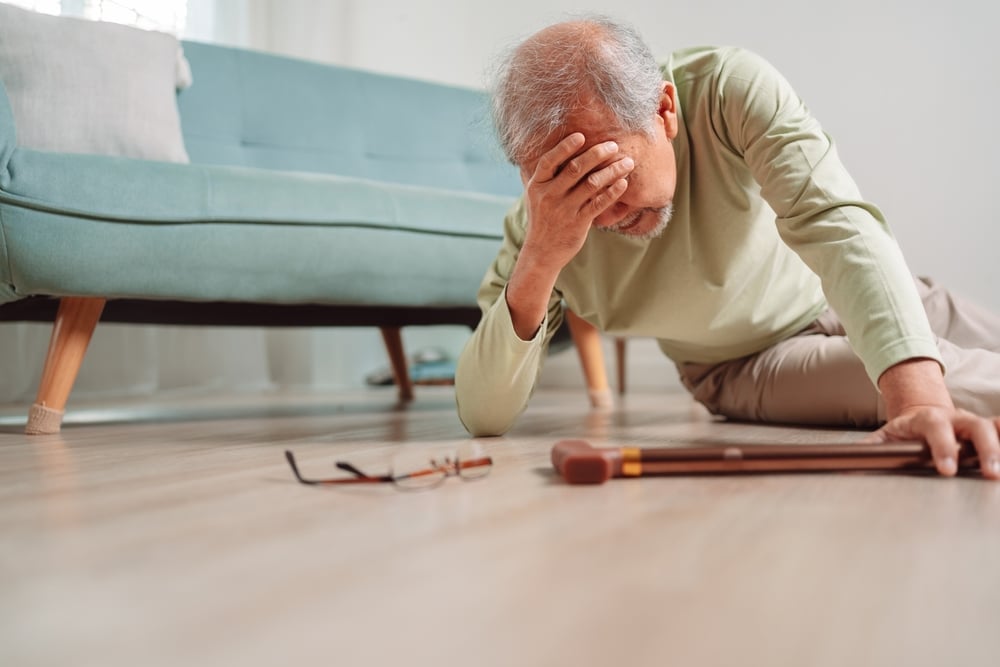
Loose rugs and cluttered walkways are the primary causes of unexpected tumbles within the home for single occupants. Many individuals wait until an injury occurs before they decide to clear their floors or secure electrical cords. Taking a few minutes to remove these physical obstacles is a simple way to maintain your mobility and avoid hospitalization.
Data from the Centers for Disease Control and Prevention show that more than 1 in 4 older adults fall each year, and a single fall doubles the chance of falling again. This simple physical check helps you stay mobile so you can still walk to the local grocery store for your supplies. Keeping your paths clear is a basic requirement for protecting your ability to live on your own terms.
Skipping Social Connections And Interaction

The transition to living alone can lead to a gradual decrease in daily conversation and social engagement. Without the regular buzz of a busy house, you must be intentional about scheduling phone calls or visiting local community centers. Constant isolation is linked to a decline in cognitive function and can negatively impact your emotional stability over time.
Social connection is a fundamental human need, and the lack of it increases risks for depression, dementia, heart disease, and premature death. A major report on older adults found that about 24% of community‑dwelling Americans aged 65 and older are socially isolated. Making an effort to build new relationships helps keep your mind active and your mood stable even on very quiet days.
Neglecting Regular Home Maintenance

Small issues like a leaky faucet or a flickering light can lead to larger structural problems if they are not fixed immediately. When you are the only person in the home, you are responsible for monitoring the property’s condition and hiring help as needed. It is much more efficient to fix a small leak today than to deal with a major flood in your kitchen later.
The nation’s housing stock is aging, with a large share of homes built before 1980, often requiring more repairs and updates to keep them safe and efficient. Keeping your property in good repair helps keep your personal finances stable by avoiding massive, sudden emergency bills. Being proactive about your living space is a sign of a capable homeowner who plans for a secure future.
Forgetting To Test Smoke Detectors

It is a mistake to assume that batteries are functioning correctly without regularly performing a manual test. You should make it a habit to check every alarm in your home on the first day of every month to ensure they work. In a house where you are the only one to hear the signal, a functional system is your primary defense against fire.
The National Fire Protection Association reports that almost 3 out of 5 home fire deaths occur in properties with no smoke alarms or no working smoke alarms. This small task is a non-negotiable part of your safety plan, allowing you to sleep with a sense of security. A functional alarm is a silent partner that monitors your home while you are occupied with other daily tasks.
Letting The Medicine Cabinet Get Crowded

Old prescriptions can accumulate quickly, leading to dangerous confusion about which medication you should be taking for your current needs. Taking an incorrect dose or mixing expired pills can lead to dizziness or a sudden loss of mental clarity during the day.
Clearing out your cabinet and using a pill organizer keeps your daily routine simple and much safer for your body. This organization is vital for your long-term health and ensures you receive the full benefit of your prescribed treatments. Staying organized with your prescriptions is a practical way to effectively manage your physical well-being.
Keeping The Same Dim Lighting

Save this article
As the eyes age, they require significantly more light to perform basic tasks like reading or walking through a dark hallway. Dim areas are prime locations for accidents, but installing bright LED bulbs can instantly improve your visibility and safety. Swapping out old lamps for higher-wattage options is an inexpensive way to make your home much safer for navigation.
Millions of Americans have vision impairment or blindness, and that vision loss can limit daily activities and increase the risk of falls among older adults. Improving the brightness in your living areas helps you read a book without straining your eyes. Bright lights also help improve your mood and make your living space feel more open and functional.
Ignoring The Benefits Of Technology

Some people avoid new gadgets, but a smart doorbell or a medical alert device can provide essential support for those living alone. These tools allow you to monitor who is at your door or call for emergency help with a single touch. Embracing helpful technology can actually increase your independence by providing a safety net that works twenty-four hours a day.
The share of adults 65 and older who own a smartphone has grown substantially over the past decade, and more older adults are now regular internet users. This shift shows that more people are realizing how digital tools can help them stay secure in their private homes. Using technology is a practical decision to use the most efficient tools available for modern independent living.
Eating the Same Limited Meals

When cooking for one, it is easy to repeat the same few meals rather than seek a balanced, varied diet. However, your body requires a wide range of nutrients, including protein, to maintain muscle mass and high energy levels. Trying a different dish once a week ensures you are giving your system the fuel it needs to function at its best.
Millions of older adults are at risk of malnutrition or food insecurity, often because of limited income, health issues, or social isolation. Preparing a nutritious meal is a form of self-care that keeps you feeling physically capable and ready for your daily tasks. Food is more than fuel; it is a way to support your long-term health and your overall quality of life.
Keeping Your Emergency Plan Secret

Having a plan for a power outage is important, but it is not effective if no one else knows how to help you. You should have a trusted person with a spare key and who knows where your important medical and legal papers are. This transparency creates a reliable support system that can act quickly if you ever experience a sudden emergency.
The American Red Cross advises older adults to develop and share an emergency plan with trusted people so they can act quickly in a crisis. Sharing this information is a strategic move that ensures you have help when you need it the most. A clear plan is a vital link between your independent life and any assistance you may require.
Overlooking Small Daily Exercises
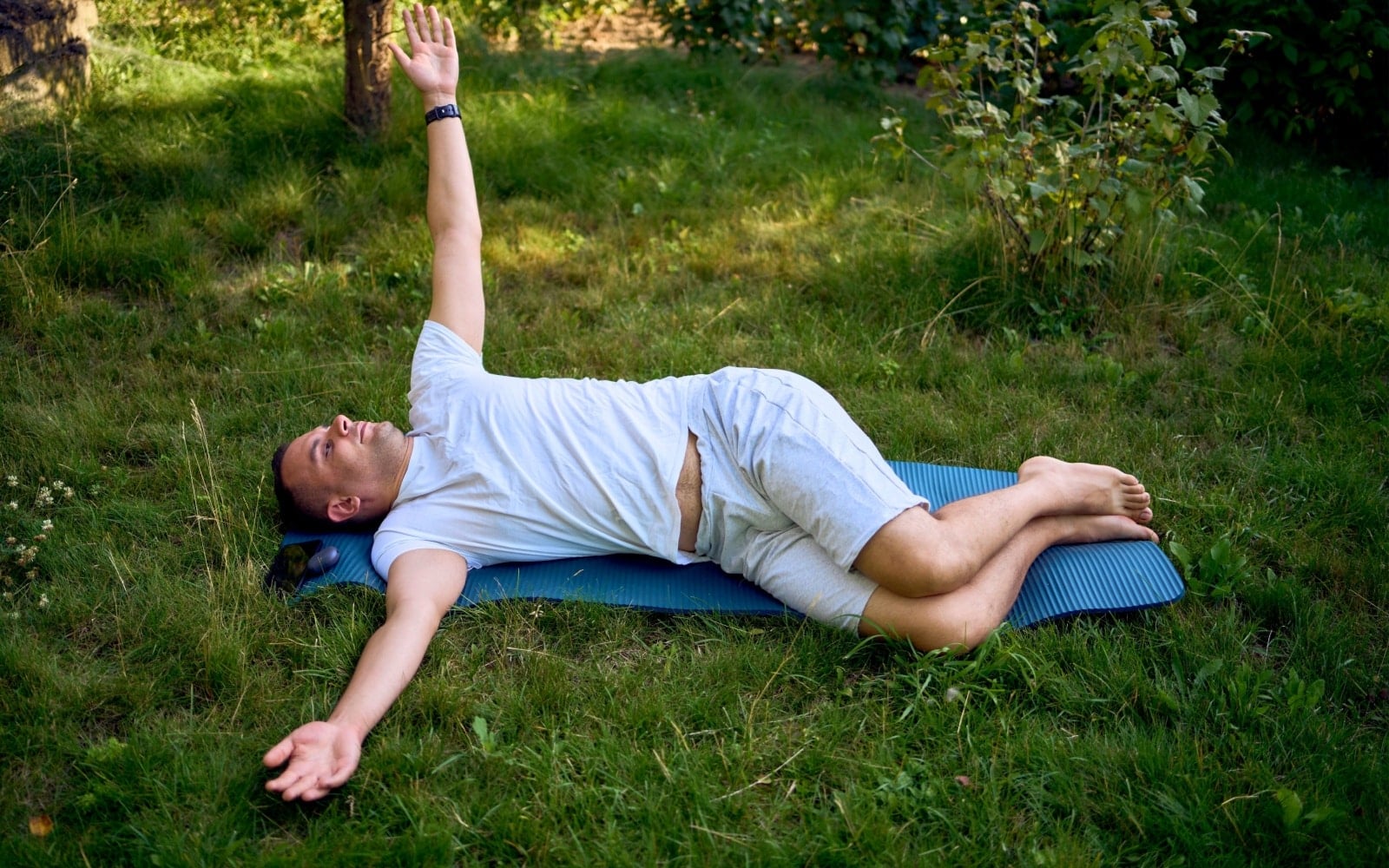
It is a common misconception that you need a full gym setup to maintain your physical strength and balance. Simple movements like walking around your neighborhood or doing basic stretches can improve your cardiovascular health and joint flexibility. Staying active prevents the physical stiffness that can make daily chores feel like an impossible task.
The World Health Organization identifies physical inactivity as a major risk factor for chronic disease and reduced functional ability in older adults. Moving your body every day is the best way to ensure you can still enjoy travel or other active hobbies. Exercise is a necessary part of a solo lifestyle, helping you maintain your strength for many years.
Refusing To Ask For Help

The most significant mistake a person living alone can make is believing that asking for assistance is a sign of personal failure. Accepting help is how communities function effectively.
Allowing others to assist you is a practical way to manage your home and stay connected to your neighbors, fostering a sense of mutual trust and care. Admitting you need help with a difficult task is a sign of wisdom and a commitment to your long-term goals.
It allows you to stay in the home you love for much longer by avoiding unnecessary physical strain or isolation. When you open the door to assistance, you are not losing your independence; you are actually strengthening the foundation that allows you to live life on your own terms.
Key Takeaway

Living alone is a rewarding experience that offers many seniors a high level of personal freedom and daily satisfaction. By avoiding these common pitfalls. You can protect your safety and your long-term independence. Taking small, practical steps today to secure your home and stay active is the most effective way to ensure your solo years are safe and fulfilling.
Disclaimer: This list is solely the author’s opinion based on research and publicly available information. It is not intended to be professional advice.
Like our content? Be sure to follow us