

Turns out, that quiet wish you’ve had to sing better is more possible than you think.
If you’ve ever caught yourself humming along to a song and thinking, I wish I could really sing, you’re far from alone. Many adults quietly assume that singing is something you either learned as a child or were simply born with. But that idea doesn’t hold up. Singing is a skill, and like most skills, it can be developed at any age with the right approach.
In fact, World Voice Day is a perfect reminder that our voices are not fixed; they’re instruments we can learn to use more effectively over time. Whether your goal is to join a choir, sing confidently in the car, or finally take center stage at karaoke, it’s absolutely possible to make meaningful progress as an adult.
Let’s do it!
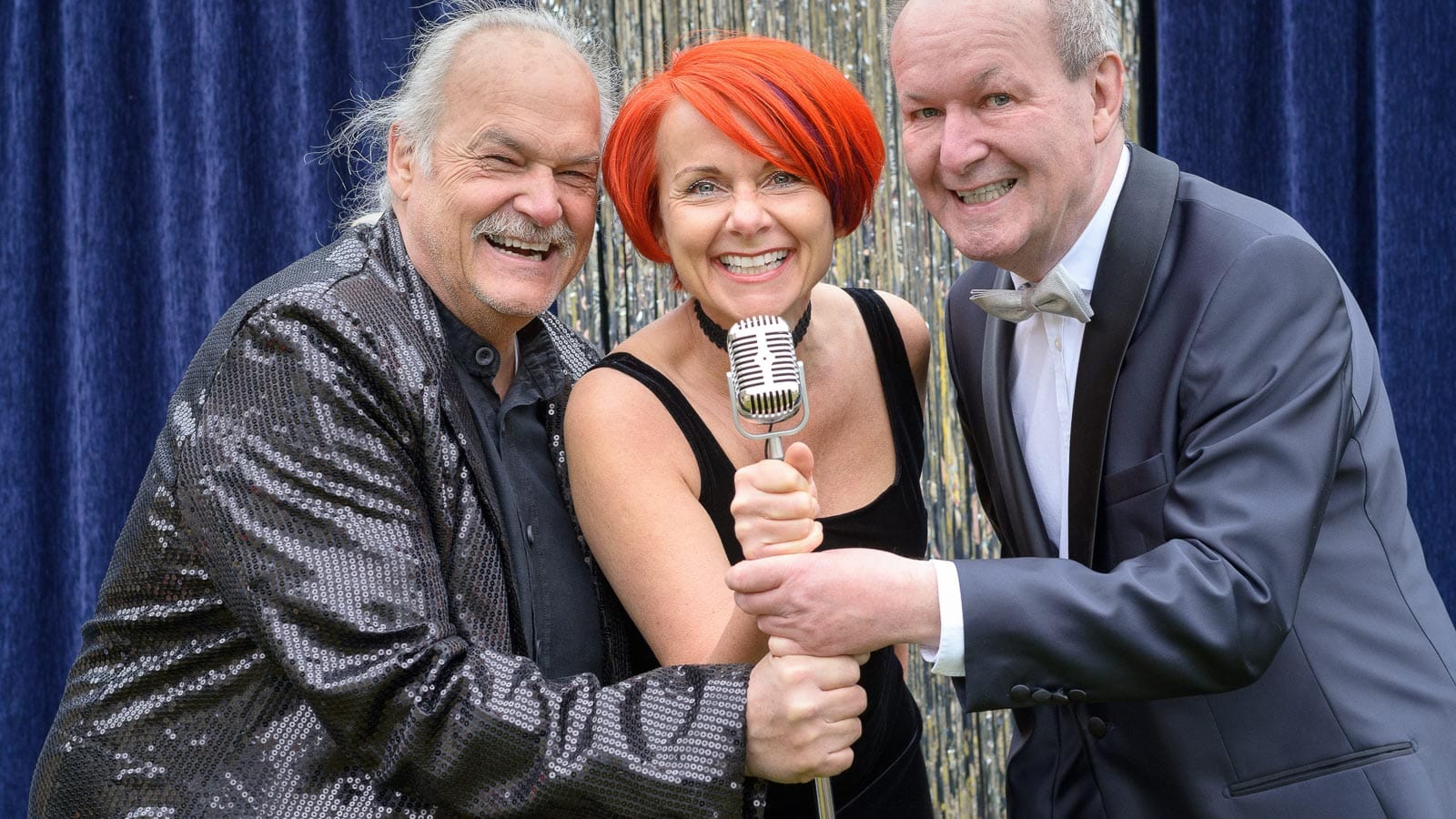
Adults often come to singing with something kids don’t: intention. That alone can make the experience more focused and rewarding. And while it might feel intimidating at first, especially if you’ve spent years telling yourself you’re “not a singer,” that label is usually more emotional than factual.
Why adults can succeed

Adult learners actually have several advantages. Your voice is fully developed, and you likely have better body awareness than you did years ago. That means you can understand instructions about breathing, posture, and tone more quickly and apply them more effectively.
There’s also motivation. Adults who decide to learn to sing usually do it for themselves, not because they have to. That kind of internal drive is powerful. It’s what turns short, consistent practice into real improvement over time.
World Voice Day often highlights how the voice is both a physical and expressive tool. Adults, with their life experience and emotional depth, can bring a richness to singing that goes beyond technique alone.
Where to begin

The best starting point isn’t a big, challenging song. It’s the basics. Good posture, relaxed breathing, and reducing tension in the jaw and shoulders can transform how your voice feels almost immediately.
Simple pitch-matching exercises are also key. Many adults discover their ears are better than they thought; it’s just that their voices haven’t been trained to respond yet. Gentle scales, humming, and repeating single notes help build that connection.
These exercises may seem simple, but they’re the foundation of everything else. Even professional singers revisit them regularly.
Why coaching helps

While it’s possible to teach yourself, working with a voice teacher can accelerate progress dramatically. A good teacher can hear things you might miss, like subtle tension or inefficient breathing, and guide you toward better habits.
Lessons also provide structure. Instead of bouncing between random tips, you get a clear path forward. Even a handful of sessions can give you tools you’ll use for years.
What to practice

You don’t need hours a day to improve. In fact, shorter, consistent sessions are often more effective. A simple routine might include:
- Breathing and posture work
- Gentle humming or lip trills
- Matching single notes
- Basic scales
- Short, easy phrases
- Songs within a comfortable range
The goal early on isn’t power; it’s coordination. Strength and range come naturally once your voice starts working more efficiently.
Common beginner fears

Save this article
Fear is often the biggest obstacle. Many adults worry they sound bad or fear being judged.Others have carried the belief for years that they’re “tone-deaf.” In reality, most people simply haven’t had the right guidance yet.
There’s also impatience. Adults tend to want quick results, but singing develops in layers. You might notice better breath control before you gain range, or improved pitch before confidence catches up. That’s normal.
How long it takes

There’s no universal timeline. Some people hear improvement in a few lessons, while deeper changes take months. It depends on practice, instruction, and how many habits need to be unlearned.
What matters is that progress is real. With consistency, most adults can significantly improve their singing voice.
How to stay motivated

Small goals make a big difference. Instead of aiming to “become a great singer,” focus on something specific, like singing one song more comfortably or matching pitch more accurately.
Recording yourself can also be eye-opening. It may feel awkward at first, but it’s one of the fastest ways to identify what’s working and what needs attention.
And don’t forget enjoyment. Singing should feel good. Choose songs you love and allow yourself to be a beginner.
Singing at any age

People take up singing in their 40s, 50s, 60s, and beyond, and thrive. For some, it becomes a creative outlet. For others, it’s a confidence boost or a long-delayed dream finally realized.
World Voice Day celebrates exactly this idea: your voice is yours for life. It can grow, change, and improve no matter when you begin.
A practical first step

Start small. Pick one song, one exercise, or one lesson. Don’t wait until you feel ready, because readiness usually comes after you begin.
Learning to sing as an adult isn’t about proving talent. It’s about discovering what your voice can do when you give it attention and care. And that discovery can be far more powerful than you expect, and bring you an immense amount of joy.
Disclosure: This article was developed with the assistance of AI and was subsequently reviewed, revised, and approved by our editorial team.
Like our content? Be sure to follow us on MSN and Newsbreak.
John Lennon’s Birthday: 10 Surprising Ways He Changed Music and Culture Forever
From rewriting the role of the songwriter to pioneering celebrity activism, Lennon transformed cultural norms in ways that still define the modern era.

John Lennon’s name is forever linked to the Beatles, but his impact goes far beyond the songs we know by heart. Born October 9, 1940, Lennon became not only one of the most influential musicians of the twentieth century but also a cultural force whose ideas and actions continue to ripple through art, politics, and everyday life. On his birthday, it is worth exploring the many surprising ways he reshaped music and culture. These are ten legacies that still affect us today, often in ways we take for granted. Learn more.





