

The snail in question is barely the size of a nail clipping, brown and easy to miss in lake sediment.
A person could carry it away on wet gear without ever realizing it was there. But this tiny invasive species has a big problem: it can clone itself, and Colorado Parks and Wildlife says a single New Zealand mudsnail can quickly become thousands.
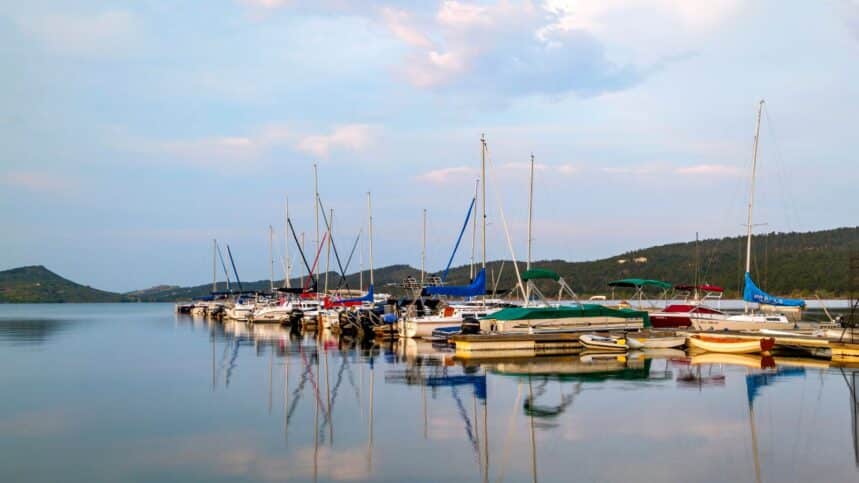
CPW confirmed that the invasive snails have been found in Carter Lake, a popular Larimer County reservoir southwest of Loveland, marking the first known detection there.
Officials are not promising to remove them because, once established in a large waterway, eradication is considered extremely difficult. Instead, the focus has shifted to containment, and that effort depends heavily on the people who use Colorado’s lakes and rivers.
A Quarter-Inch Animal That Can Become Thousands
The mudsnail’s biology is what makes this tiny creature worth taking seriously.
New Zealand mudsnails grow to about one quarter of an inch, making them easy to overlook as they cling to wet vegetation, fishing equipment, or muddy surfaces. Their real threat comes from how efficiently they reproduce.
In the western United States, the mudsnails are all female, and each one is born carrying embryos. They reproduce asexually, meaning a single snail can create an entire population without needing a mate.
That ability makes them especially difficult to control. The animals are nearly invisible, self-sufficient breeders, and in other parts of the American West they have reached densities that can alter the balance of aquatic ecosystems.
An Animal That Eats Everything and Feeds Nothing Back
CPW spokesperson Kara Van Hoose described the ecological challenge mudsnails create in simple terms.
“These mud snails are very big eaters, and they just kind of go through all of the different nutrients that are in an ecosystem and don’t really provide any benefits back to anything else in there,” Van Hoose said.
The snails compete with native aquatic species for food, including the resources needed by mayflies and other invertebrates. That disruption can affect the larger food chain, including fish and birds that rely on those organisms.
Their lack of natural predators worsens the problem. Van Hoose said fish do not benefit from eating the snails, and birds that consume them may pass them through digestion “unscathed.” Their shells allow them to survive, meaning they take energy from the ecosystem without becoming a meaningful food source.
CPW has emphasized that the snails do not threaten human health. The concern is the damage they can cause to aquatic environments.
Why Officials Aren’t Even Trying to Remove Them
Once mudsnails settle into a large body of water, removing them becomes an enormous challenge.
Van Hoose explained that eliminating them would require extreme measures. “It would take Herculean efforts to remove them from a waterway, like draining the water, years’ worth of treatment, and all of that,” she said.
Because of those challenges, CPW expects the snails will likely remain in Carter Lake. The realistic goal is preventing them from moving into nearby waterways rather than attempting a full removal effort.
Save this article
Boat inspection checkpoints at Carter Lake have been expanded to include mudsnail screening along with checks for zebra mussels and other aquatic invasive species. Officials inspect boats when they arrive and when they leave, but say inspections alone cannot stop every transfer.
Mudsnails can survive outside the water for days and remain on damp equipment for weeks. That means a single trip with wet gear can create an opportunity for the species to spread. “So it’s best just to kind of contain the spread and then prevent it from spreading further,” Van Hoose added.
The Cleanup That Falls on Every Visitor
CPW’s “Pain in the ANS” outreach campaign has a simple message for anyone enjoying Colorado’s waterways: clean, drain and dry.
Visitors to Carter Lake and other affected areas are encouraged to thoroughly clean equipment before moving between lakes and rivers. That includes boats, kayaks, paddleboards, fishing equipment, inner tubes and anything else that comes into contact with the water.
The process matters because even a small amount of moisture can allow invasive species to survive during transport.
Van Hoose said preventing the spread requires individual responsibility. “You really have to be sure that you’re taking those extra steps, and it’s not something that we can do for you at CPW with like your kayak or your paddleboard,” she said. “You really have to take it upon yourself and take some accountability to help us stop the spread of aquatic nuisance species.”
Carter Lake Is the Newest Name on a Long List
Colorado’s history with New Zealand mudsnails stretches back more than two decades.
The species was first documented in Colorado in 2004, when it was found in Boulder Creek, the South Platte River below Eleven Mile Dam, and the Green River in Dinosaur National Monument. It later appeared in additional locations, including Chatfield Reservoir in 2013 and two more sites in 2022. Boulder Creek has remained positive for more than 20 years.
CPW’s aquatic nuisance species list now includes 42 confirmed Colorado water bodies, with Carter Lake becoming the latest addition.
The discovery is part of a larger pattern, not a one-time event. Over the years, mudsnails have spread through waterways that connect communities and recreation areas, and through the equipment people carry between them. The movement of boats, fishing gear and other wet items remains one of the biggest ways invasive species travel.
What the Announcement Doesn’t Answer
CPW has shared what is known about Carter Lake while acknowledging what remains unclear.
Officials have not determined how the mudsnails arrived, how large the population is, or how long they may have been present before detection. The announcement did not include a map of the infestation within the reservoir.
No restrictions have been announced on fishing, boating, paddling, or swimming at Carter Lake, and no penalties have been announced for failing to clean, drain, and dry equipment.
For now, the focus is keeping the snails contained. They are already in Carter Lake, and preventing them from reaching other waterways will depend on thousands of small decisions made by the people who use Colorado’s lakes and rivers.
If you regularly move gear between Colorado lakes or rivers, how carefully do you clean and dry it between outings?





